Top brands in Thermostats





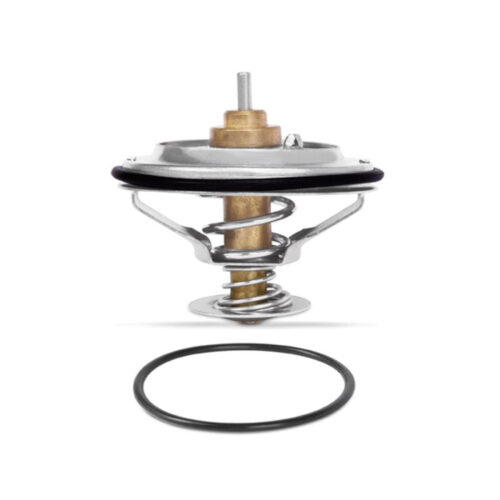
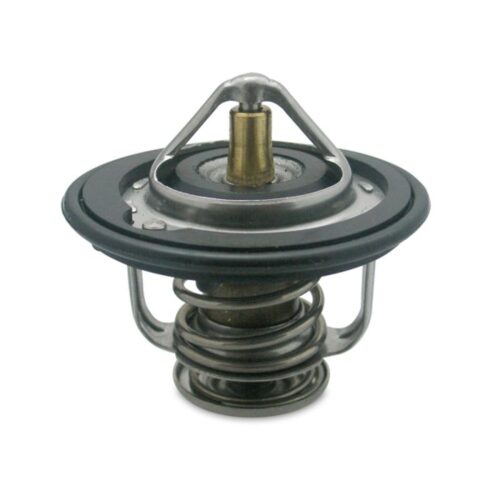


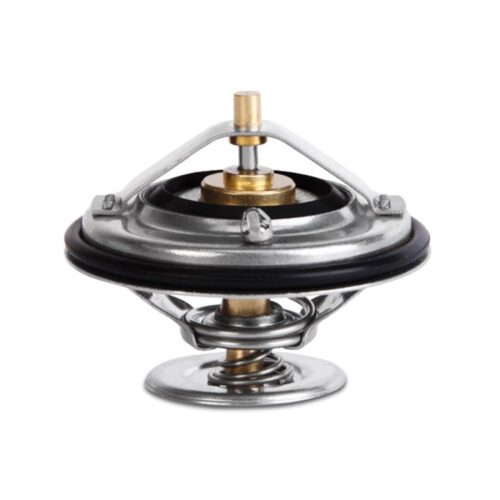
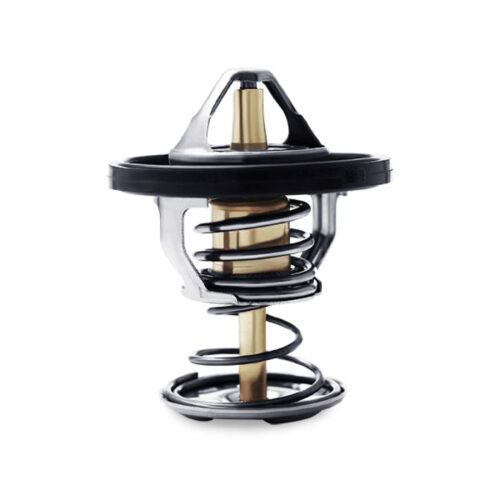
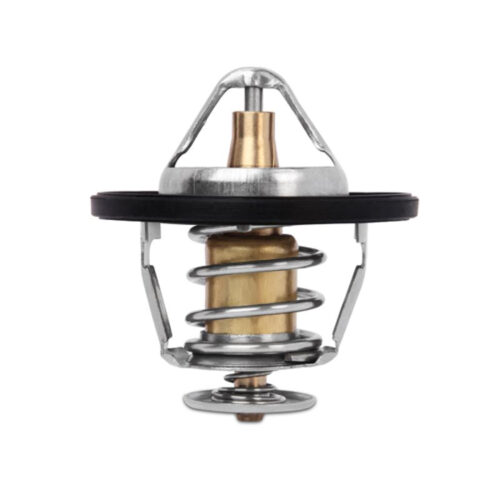
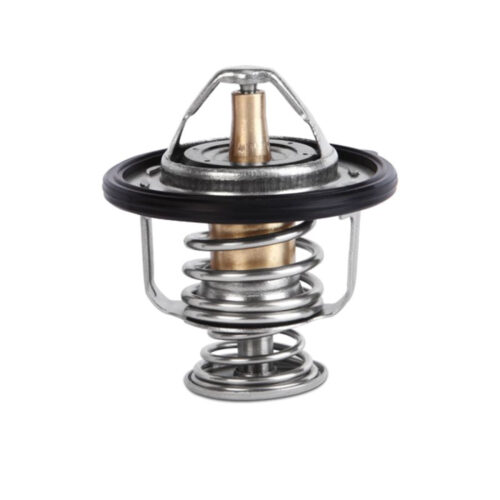
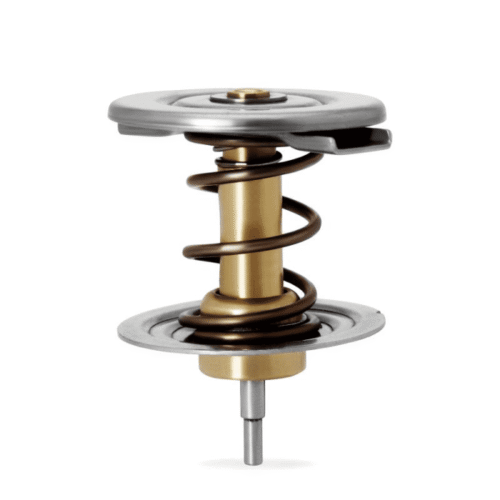
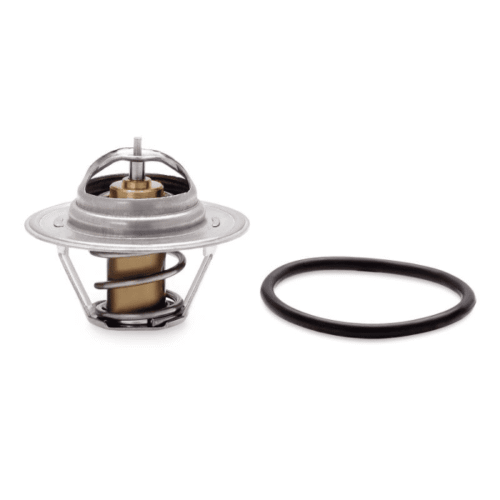
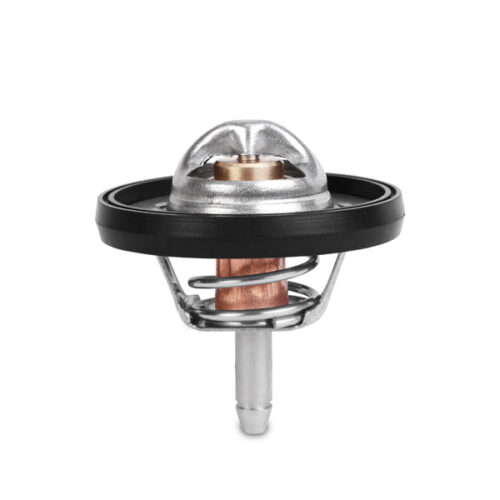
Performance Thermostat 82C/179F – MMTS-JGC-99L
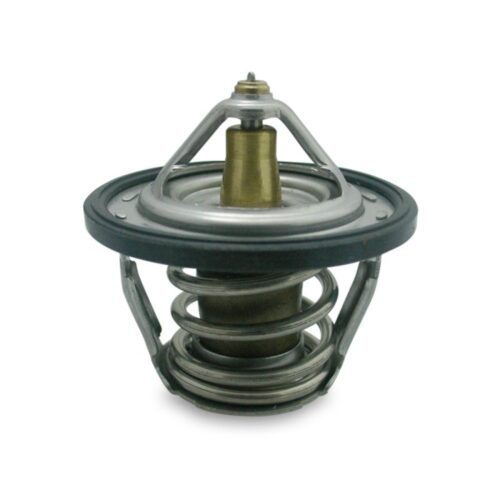
Subaru Impreza WRX/STI 01+ Racing Thermostat 68C – MMTS-WRX-01
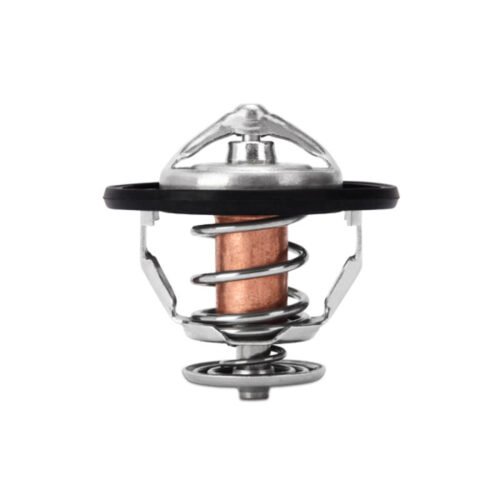
Toyota Supra 93-98 MKIV Racing Thermostat 68C – MMTS-SUP-93TL
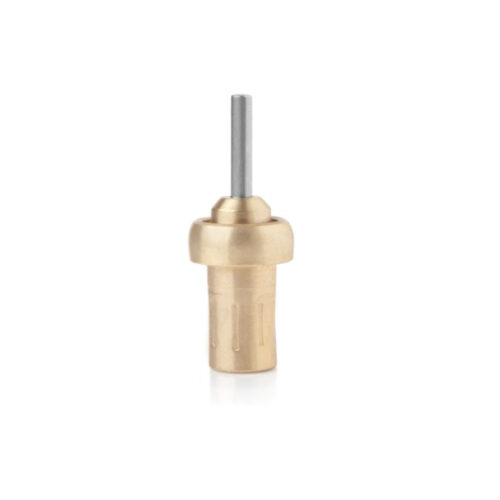
Thermostat for Thermostatic Oil Sandwich Plate 93C – MMTS-SPT-93
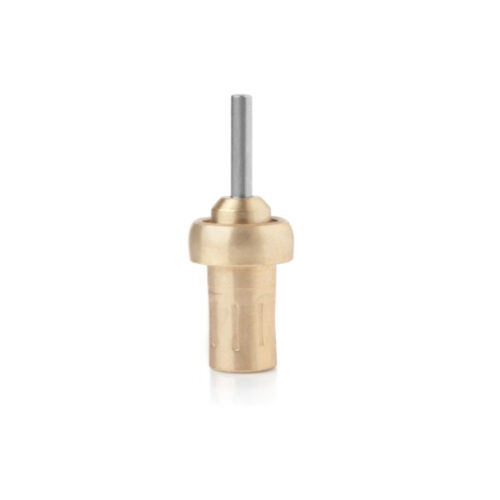
Thermostat for Thermostatic Oil Sandwich Plate 85C – MMTS-SPT-85
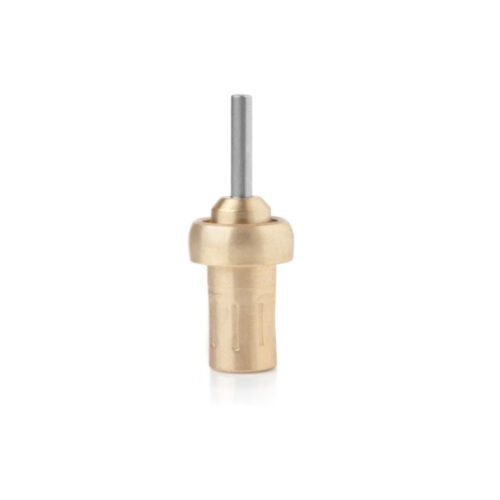
Thermostat for Thermostatic Oil Sandwich Plate 71C – MMTS-SPT-71
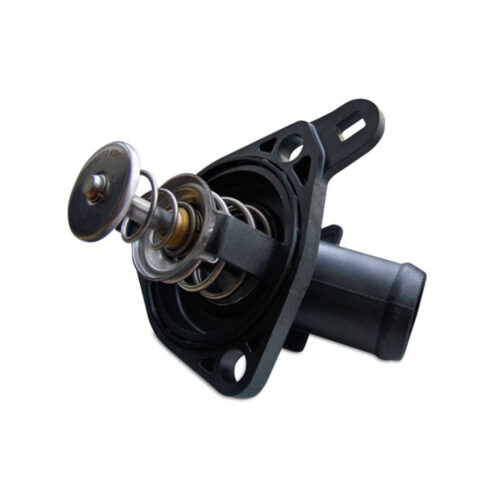
Honda Integra 01-06 DC5 Racing Thermostat 60C – MMTS-RSX-02
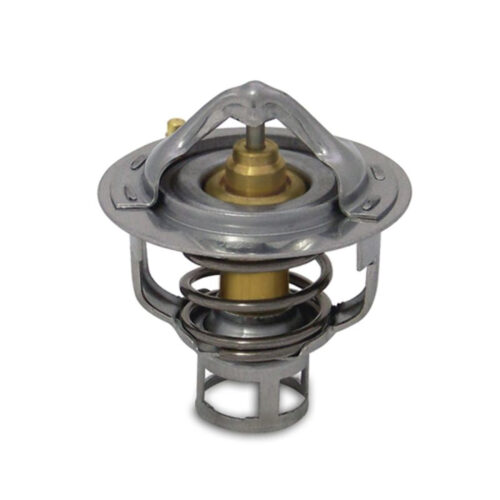
Nissan Skyline R32/R33/R34 GTR RB Thermostat 68C – MMTS-RB-ALLL
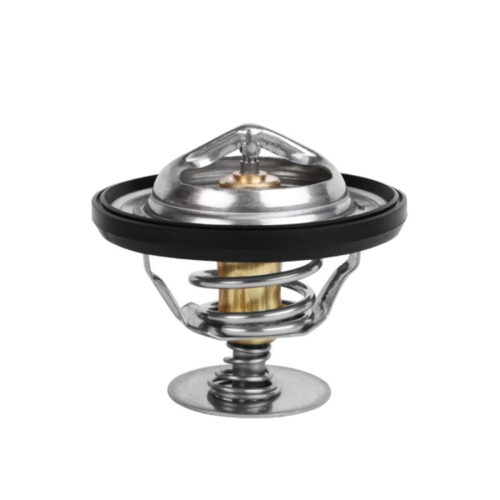
Dodge Charger/Challenger 06-12 Hemi Thermostat 82C – MMTS-JED-06L
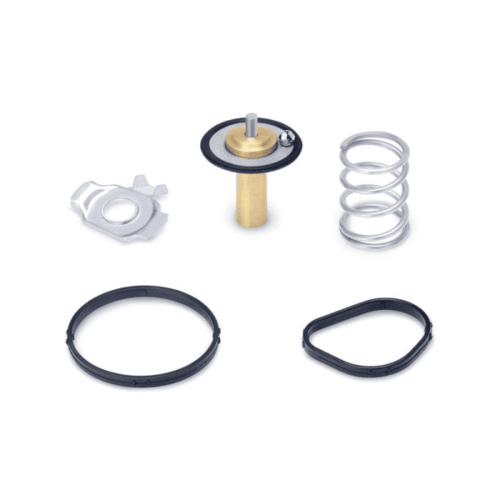
Ford Fiesta 13+ ST 180 Racing Thermostat – MMTS-FIST-14

BMW M52 M54 M56 Engines Racing Thermostat V2 – MMTS-E46-99V2
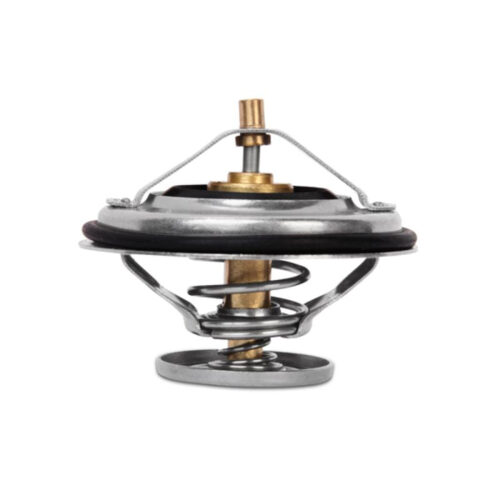
BMW 3-Series E36 Racing Thermostat 68C – MMTS-E36-92L

Nissan 370Z 09+ Racing Thermostat and Housing 68C – MMTS-370Z-10L

Nissan 350Z 03-06 Racing Thermostat 68 Degrees C – MMTS-350Z-03L
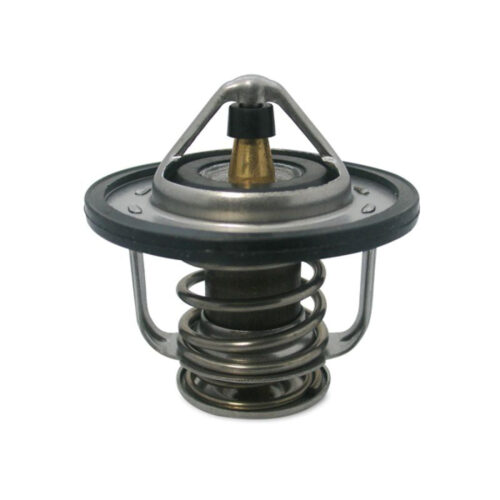
Nissan 200/240SX/Sunny KA24/SR20 Racing Thermostat – MMTS-240-89KA
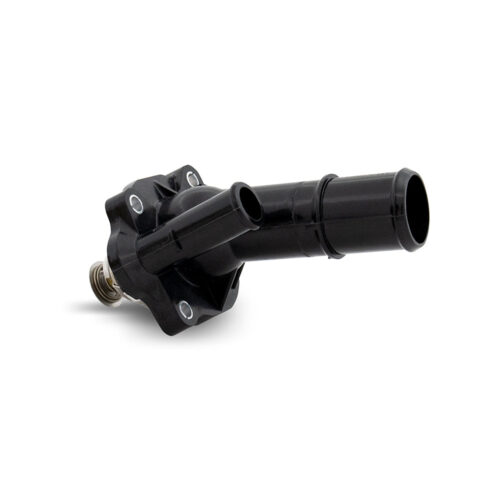
04-13 Mazda 3 Thermostat, 68C – MMTS-MAZ-04
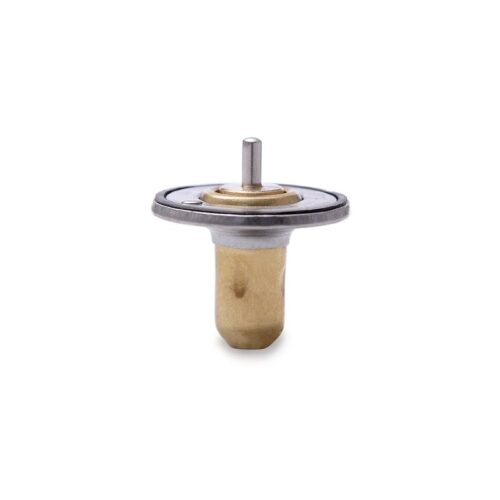
Chevrolet Corvette C7 14-19 Thermostat V2 – MMTS-VET-180
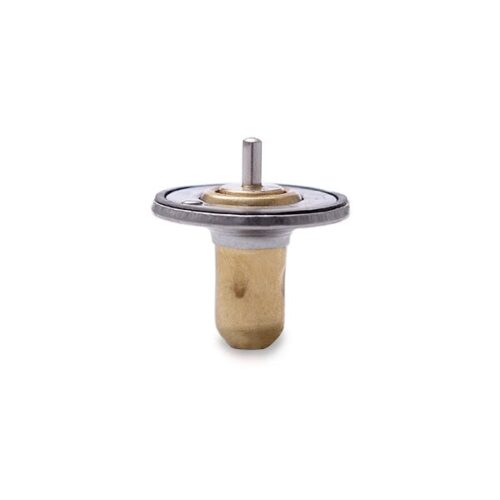
Chevrolet Corvette C7 14-19 Thermostat V1 – MMTS-VET-14
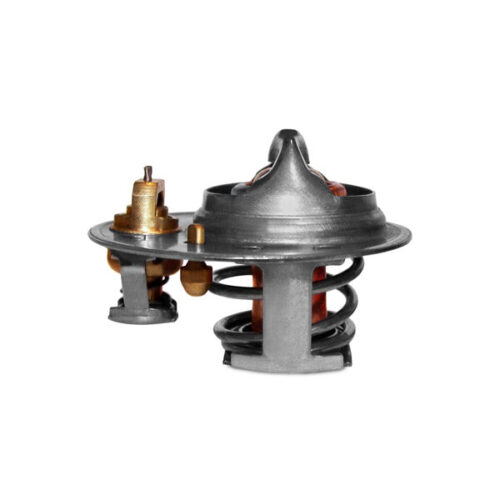
Mazda Miata Thermostat 1990-1997 – MMTS-MIA-90L
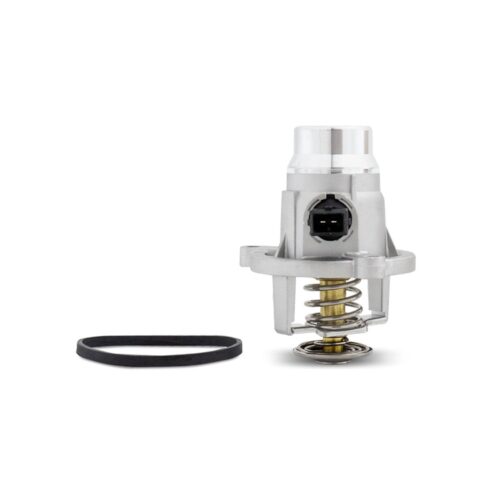
BMW M3/M4 15-19 Thermostat 100C – MMTS-F80-15
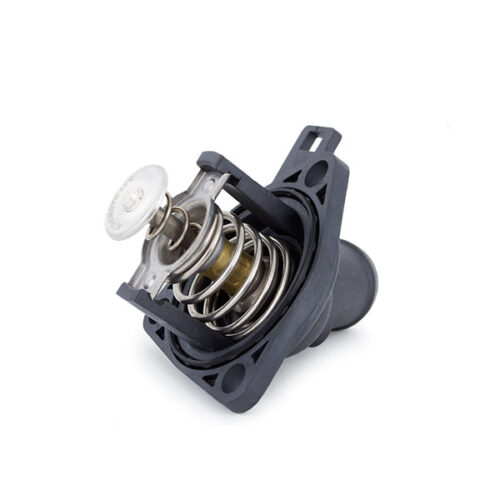
Performance Thermostat 68C/155F V1 – MMTS-CIV-06
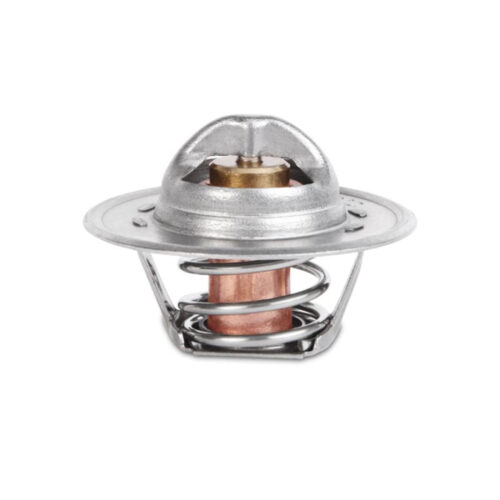
Jeep Wrangler 87-06 2.5/4.0/4.2 Thermostat 82C – MMTS-WRA-87L
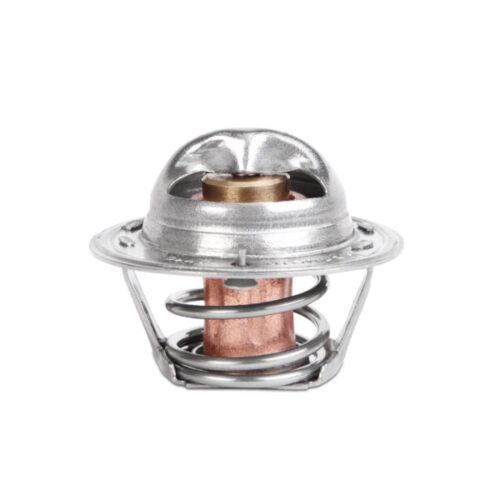
Jeep Wrangler 2.4/3.8 03-11 Racing Thermostat 82C – MMTS-WRA-03L
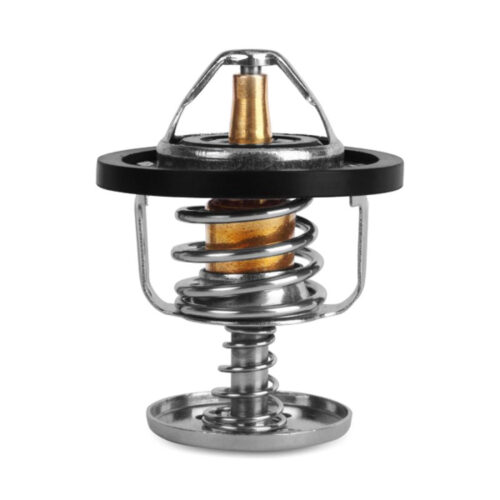
98-02 Chevrolet Camaro Racing Thermostat 71C – MMTS-VET-97L
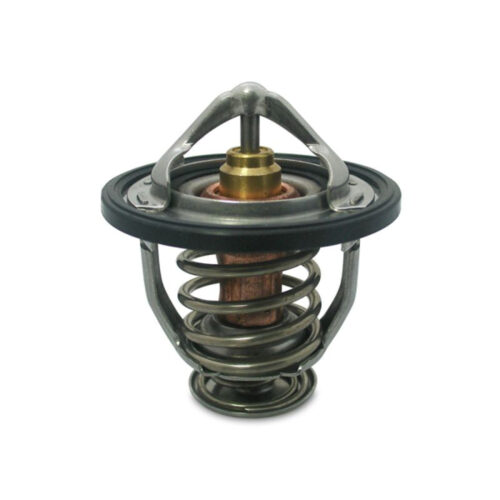
Toyota MR2 00-07 Racing Thermostat 68 Degrees C – MMTS-TC-05L
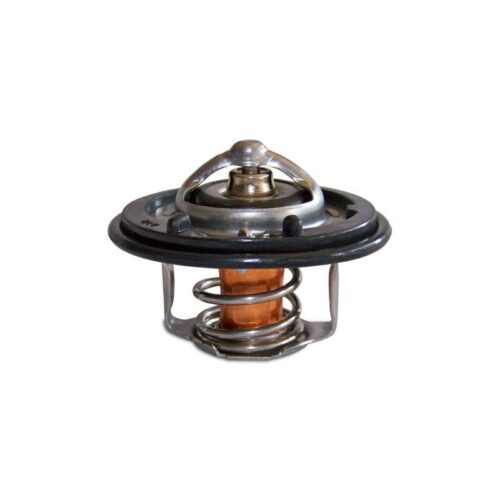
Toyota Supra 86-92 MKIII Racing Thermostat – MMTS-SUP-86L
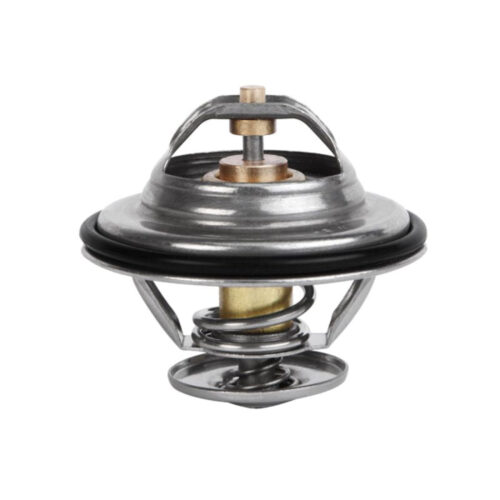
Audi S4 00-06 Racing Thermostat 71 Degrees C – MMTS-S4-00L
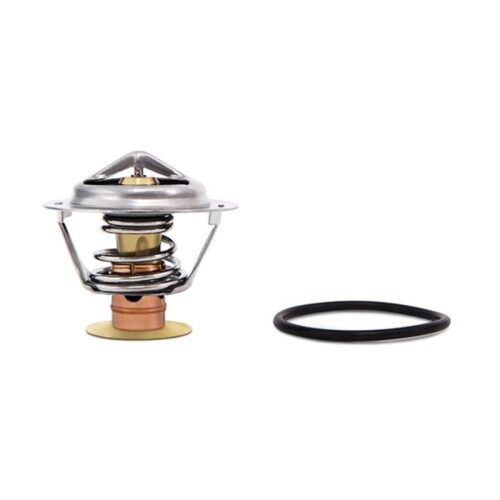
Ford Mustang 11+ V6/V8 Racing Thermostat – MMTS-MUS8-11
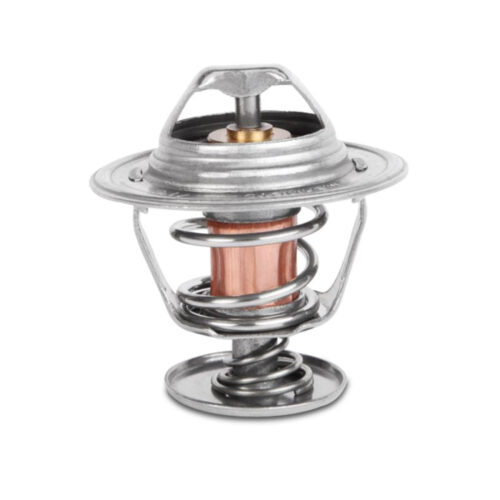
Toyota MR2 85-86 Racing Thermostat 71 Degrees C – MMTS-MR2-85L
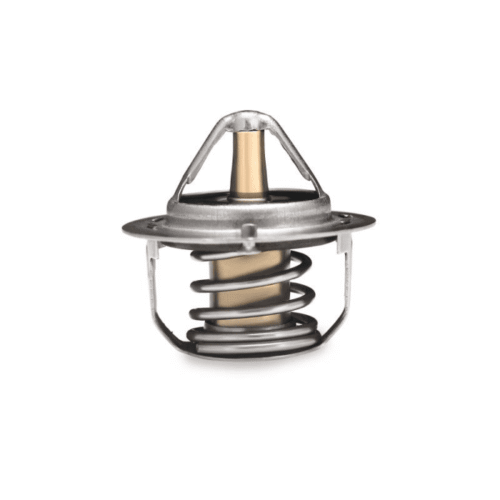
Mazda MX5 99-05 Racing Thermostat – MMTS-MIA-99
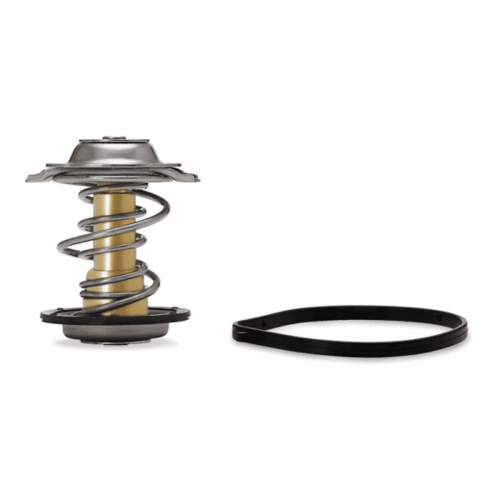
Mercedes Benz C63 08-12 AMG Racing Thermostat – MMTS-MB62-08L
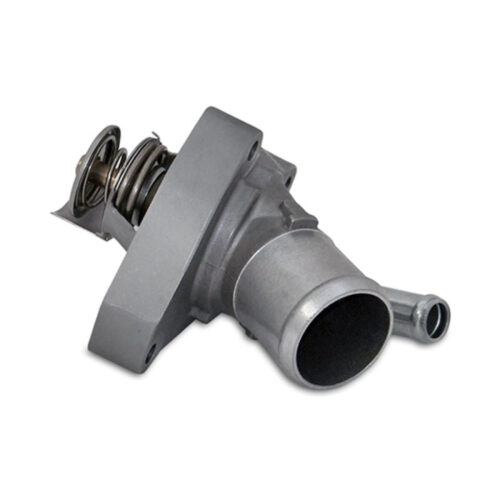
Nissan GTR R35 09+ Racing Thermostat/Housing 66C – MMTS-GTR-09
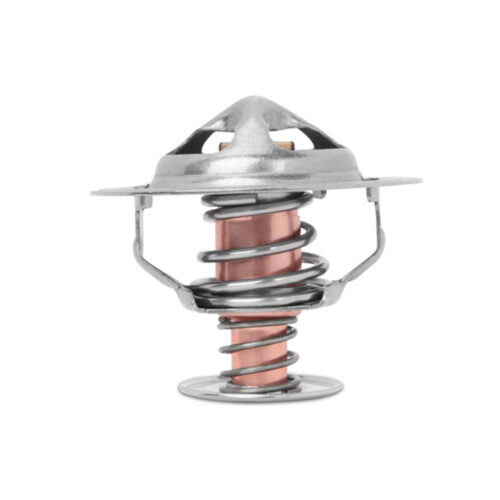
Mitsubishi Lancer/EVO x 08-15 Race Thermostat 68C – MMTS-EVO-10L
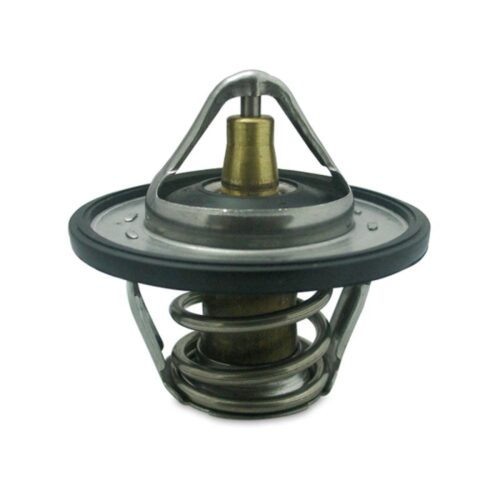
Mitsubishi Lancer/EVO 6/7/8/9 Race Thermostat 63C – MMTS-EVO-01
Thermostats guide
A thermostat sets the engine’s running temperature by controlling how much coolant flows to the radiator. Below its opening temperature it keeps coolant in the engine so it warms up quickly; above it, the valve opens progressively. The section lists lower-temperature racing thermostats, thermostats with housings, oil thermostat elements and housing bolt kits.
The valve is driven by a wax pellet that expands as it melts and pushes the valve open against a spring. The stamped figure is where opening begins; the valve is fully open some degrees higher and closes again as the coolant cools.
A lower-temperature thermostat starts cooling earlier, which leaves more margin before temperatures peak. It does not raise the system’s capacity: once the valve is fully open, radiator, fan and airflow decide the temperature. Running too cool has costs as well, from bore wear and fuel dilution to an ECU that holds warm-up enrichment longer.
The opening temperature is given in the title.
- Opening temperature: racing versions open at values such as 60, 68, 71 or 82 °C, some titles adding Fahrenheit, and a unit with housing opens at 97 °C. Take the smallest step below the factory value that solves the problem.
- With or without housing: some thermostats come complete with their housing, which saves reusing an old, possibly corroded one.
- Engine swaps: an adjustable thermostat housing suits a swap layout where the hoses run differently from the original.
- Oil thermostats: spare 85 °C elements for thermostatic oil sandwich plates, and an AN10 sandwich adapter with a thermostat built in.
- Bolt kits: water pump and thermostat housing bolt kits, including stainless ones, with hex or 12-point heads, for 8 or 10 mm sockets.
Fit the thermostat with the pellet facing the engine and the air bleed hole or jiggle valve at the top, so air can escape while filling. Use a new gasket or seal and tighten the housing bolts evenly, as an aluminium housing can crack if pulled down unevenly. Do not simply remove the thermostat: on many engines it also closes a bypass, and without it coolant short-circuits back to the pump instead of reaching the radiator.
To test one off the engine, heat it in water with a thermometer and watch it begin to open near its stamped temperature. Replace a thermostat that sticks, opens late or leaks past its seat when closed.

Store Information
TrackTool Factory
Sluispolderweg 7A
1505 HJ Zaandam
The Netherlands
Chamber of Commerce (KVK): 97296902
VAT: NL867990375B01