
Engine Cooling
Oil Cooler Accessories
- 18 products
- 2 brands
- Ships from EU stock
- Oil Cooler Accessories guide
Top brands in Oil Cooler Accessories


Showing all 18 resultsSorted by latest
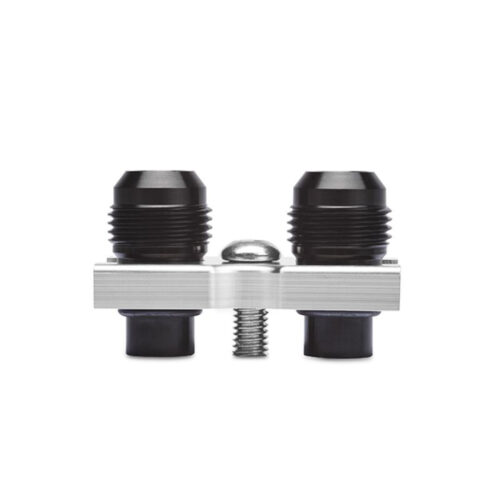
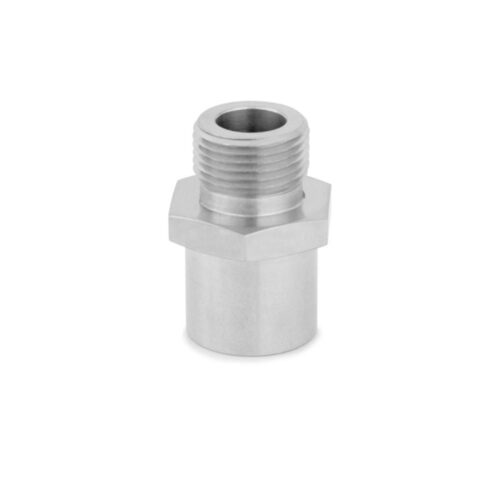
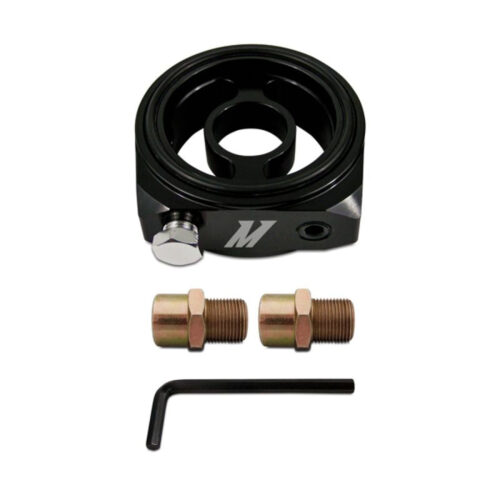
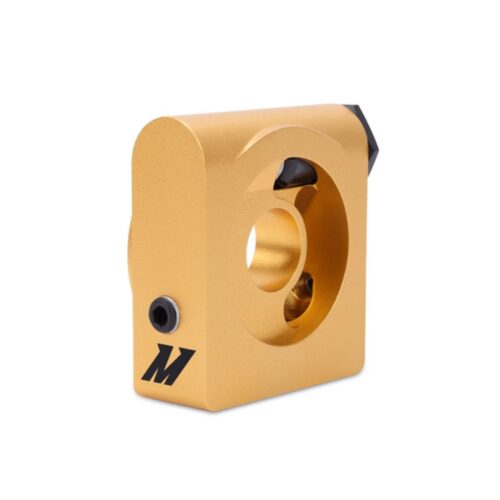

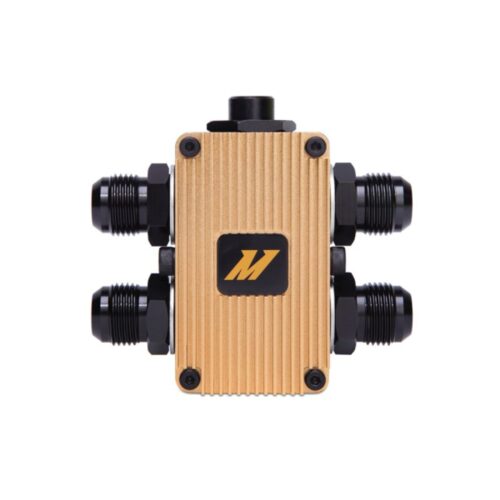
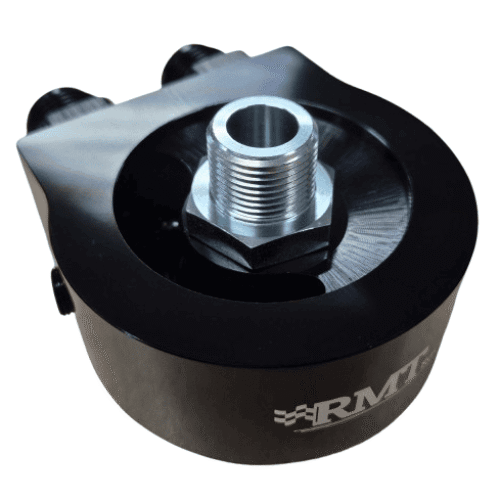
RMT Racing Oil Filter Sandwich Plate Adapter Set – AN-10, Black Anodised
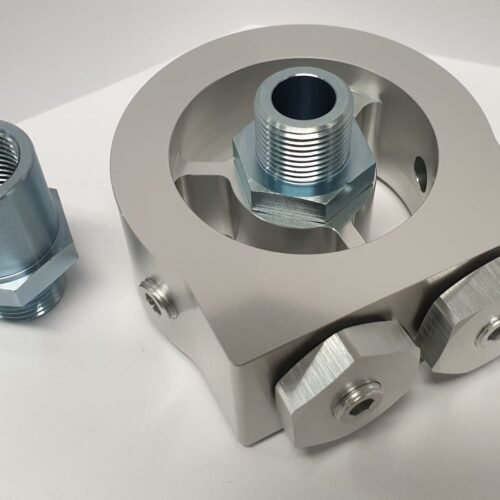
RMT Racing Oil Filter Sandwich Plate – 4 Sensor Ports, Thermostat-Free
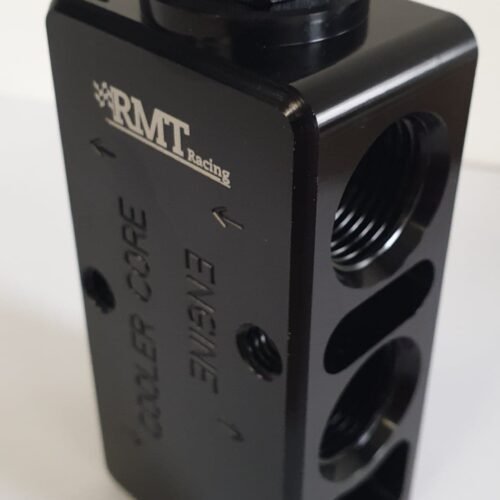
RMT Racing Remote Oil Thermostat Housing
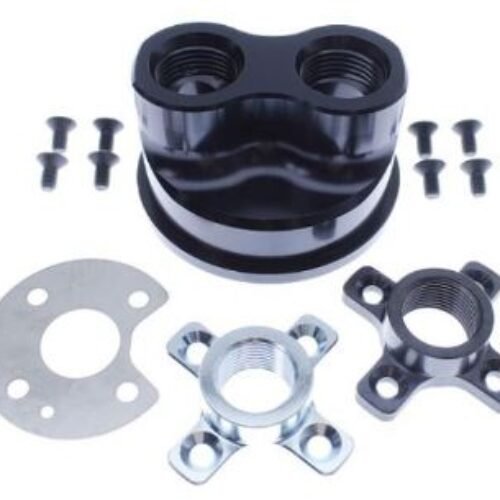
RMT Racing Remote Oil Filter Adapter Block Kit – Black Anodised
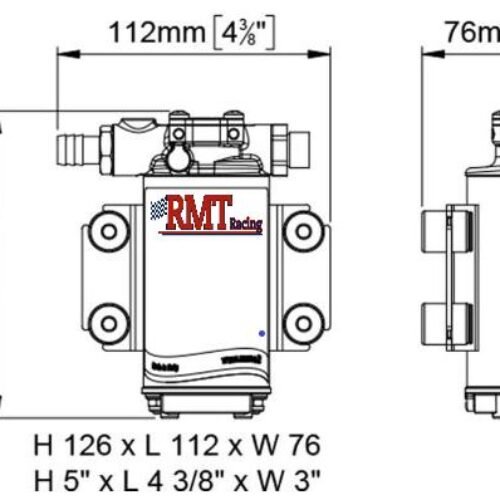
RMT Racing 2 – Electric Oil Pump for Transmission & Differential Coolers
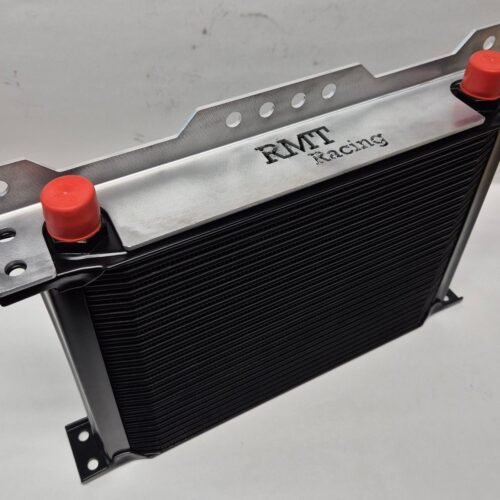
RMT Racing Oil Cooler Mounting Brackets – 2 pieces
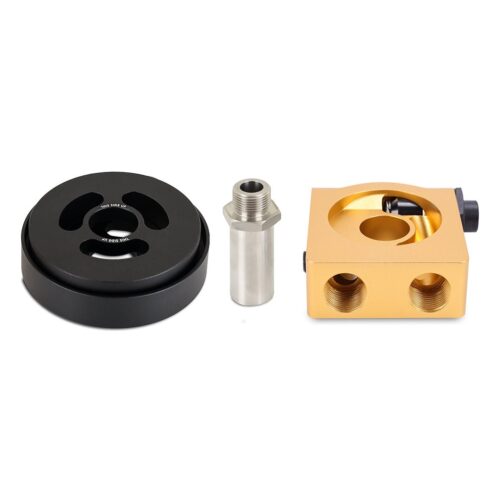
FR-S/BR-Z/GT86 Thermostatic Sandwich Plate and Adapter, Gold – MMOCA-BRZ-13T

BMW F80 M3/M4 15-20 Oil Line Fitting Adapter Kit – MMOCF-F80
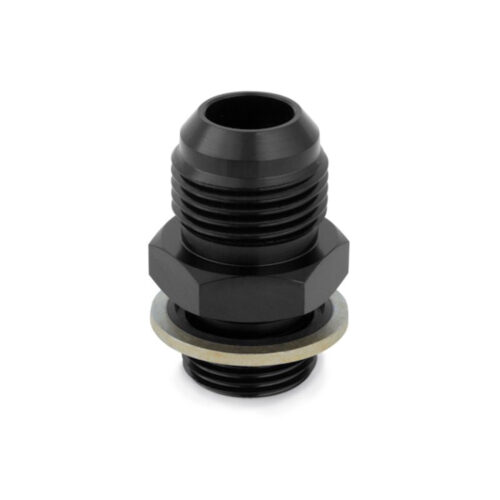
Universal Sandwich Plate Fitting M20 x -10AN – MMSPF-10ANBK
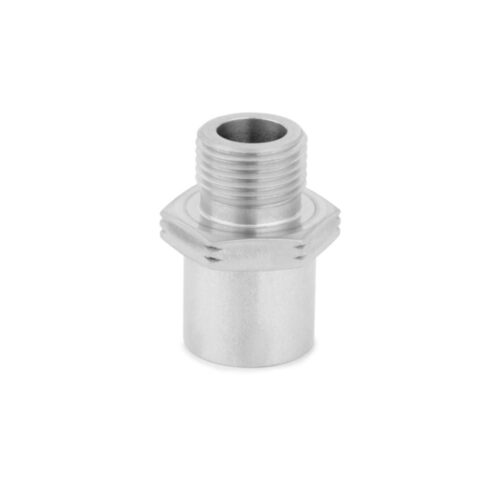
Stainless Sandwich Plate Adapter 3/4 -16UNF – MMSPA-3416
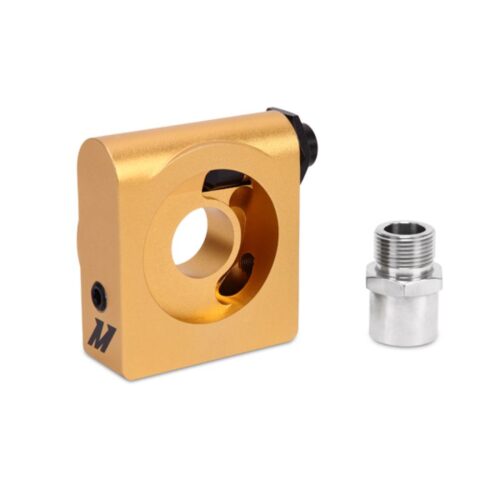
M22 x 1.5 Sandwich Plate +Rear-Mounted Thermostat – MMOP-SPTRM22

Universal Oil Sandwich Plate Silver – MMOP-SP


Oil Cooler Accessories guide
Oil cooler accessories connect a cooler to the engine and decide when the oil goes through it. The central part is the sandwich plate, which fits between the engine block and the oil filter and diverts oil out to the cooler and back. Alongside it sit thread adapters, oil thermostats, remote filter mounts, fittings, brackets and an electric oil pump.
A sandwich plate is held on by a hollow adapter that replaces the filter’s threaded stud, and the filter then screws onto that adapter. The thread must match the engine, which is why plates and adapters are listed in M20, M22 × 1.5 and 3/4-16 UNF. A thermostatic plate keeps the cooler bypassed until the oil reaches the element’s opening temperature, then sends more of it through the core.
A plain plate suits a system with its thermostat elsewhere, in an in-line housing or a remote thermostat block. Plates with sensor ports, such as three 1/8 in. NPT ports or four ports on a thermostat-free plate, give pressure and temperature senders a home near the filter.
Work from the engine’s filter thread outwards.
- Thread: M20, M22 × 1.5 or 3/4-16 UNF, as found on the engine’s filter stud.
- Thermostat position: built into the plate, mounted at its rear, or placed in the hose run as an in-line thermostat or remote housing.
- Line size: -10AN fittings and adapter sets, a common size for engine oil cooler lines.
- Remote filter: an adapter block kit moves the filter to an accessible spot, or frees space where a plate would foul the chassis.
- Gearbox and differential: a 12 V electric pump drives oil through a cooler on units without their own pressure feed.
- Mounting and kits: aluminium brackets for 330 mm coolers, and oil line fitting kits made for particular cars.
Check clearance before anything else: the plate moves the filter outwards, and the lines need room to leave it without a tight bend. Clean the block face, oil the seals lightly and tighten the adapter to the specified torque, because it holds both plate and filter. Connect the ports as marked, since a thermostat is built for one direction of flow.
Wire an electric oil pump through a relay and fuse, switched by temperature or with the ignition. After the first warm-up, look for weeping at the plate seals and every fitting, and re-check the oil level.

Store Information
TrackTool Factory
Sluispolderweg 7A
1505 HJ Zaandam
The Netherlands
KvK 97296902
BTW NL867990375B01
