Top brands in 18"



Showing 1–48 of 158 resultsSorted by latest



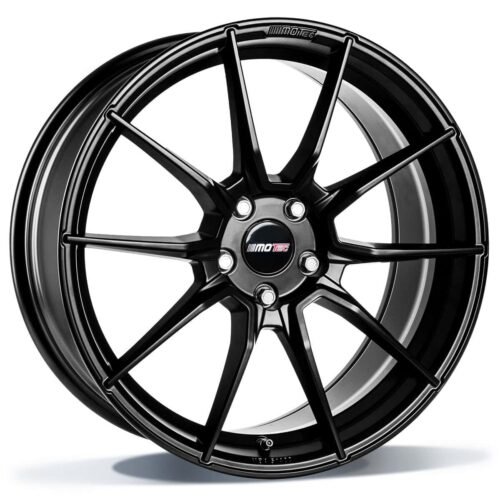


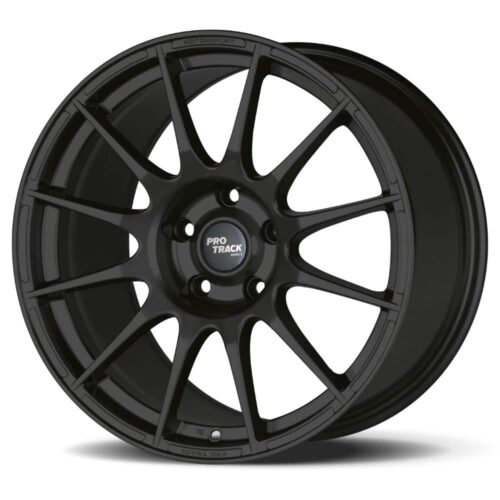

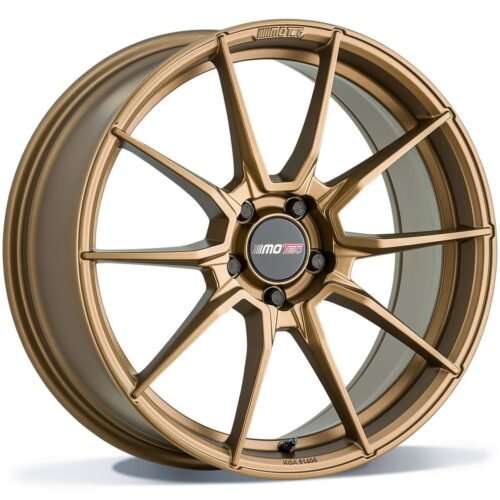
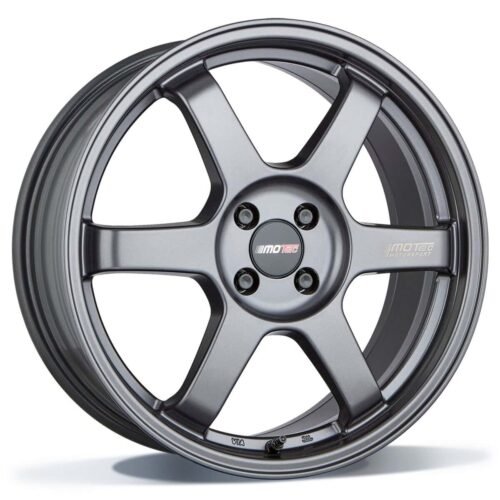
18" guide
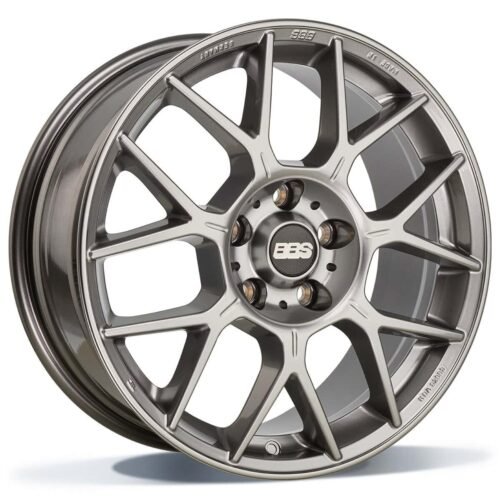
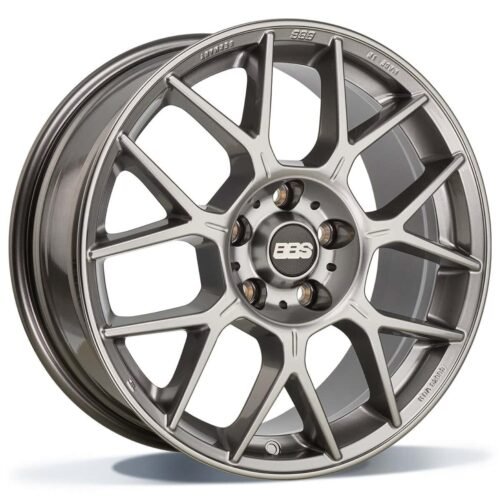
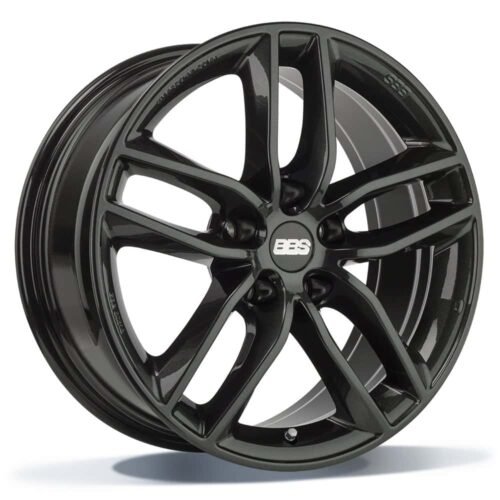
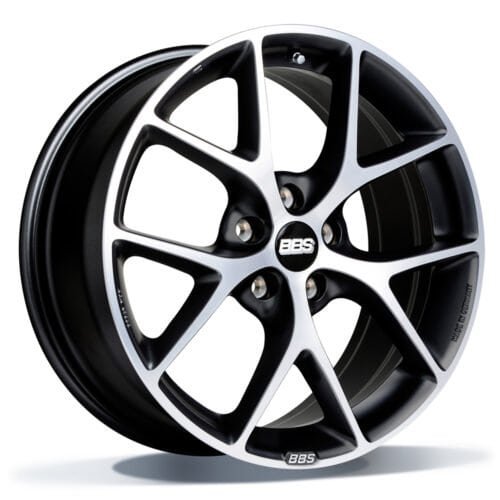
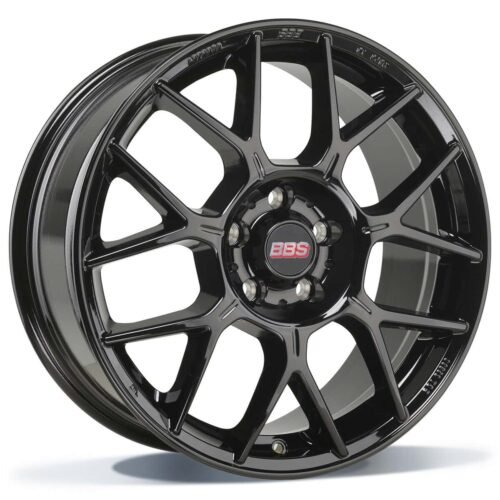
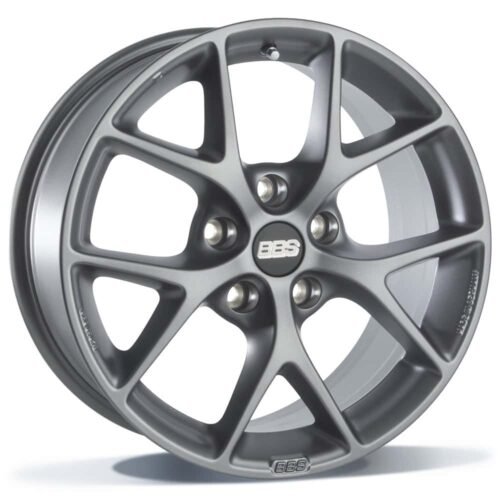
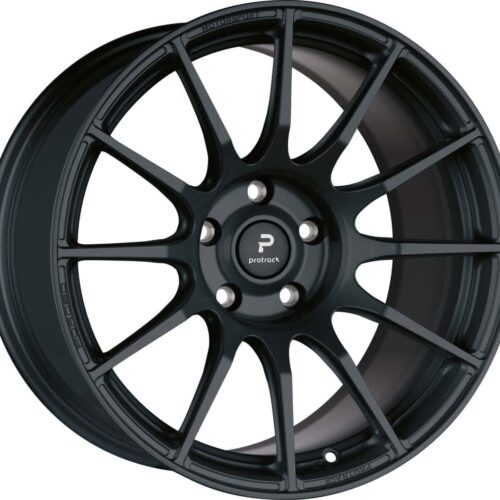
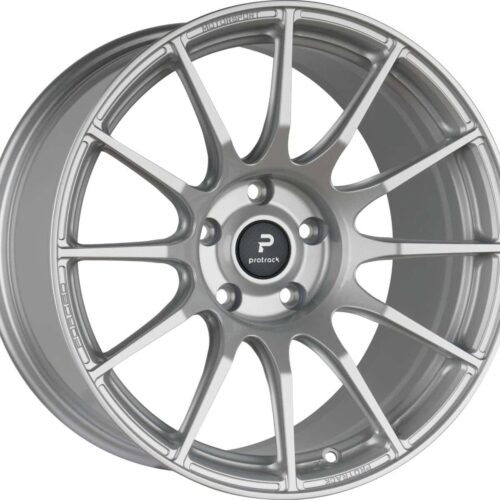
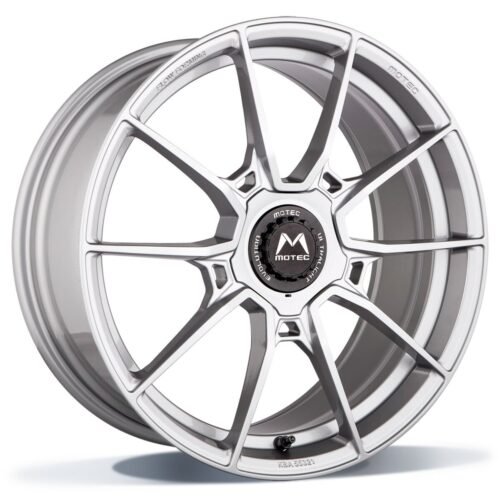
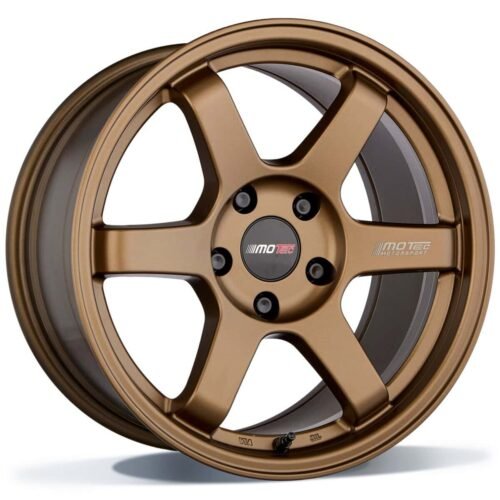
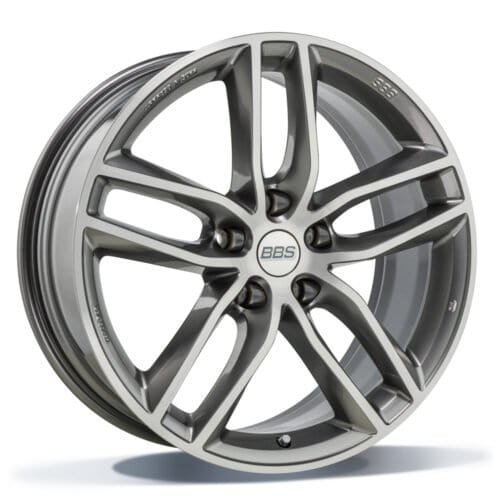
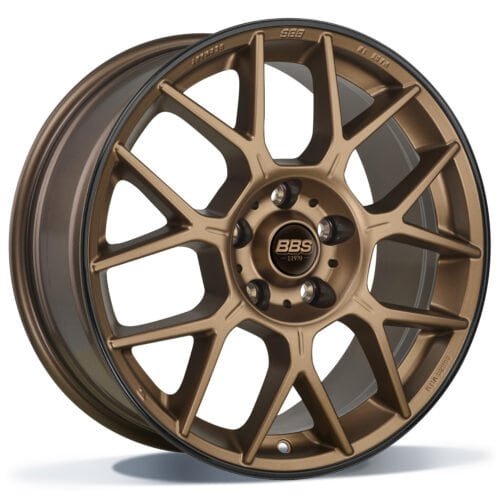
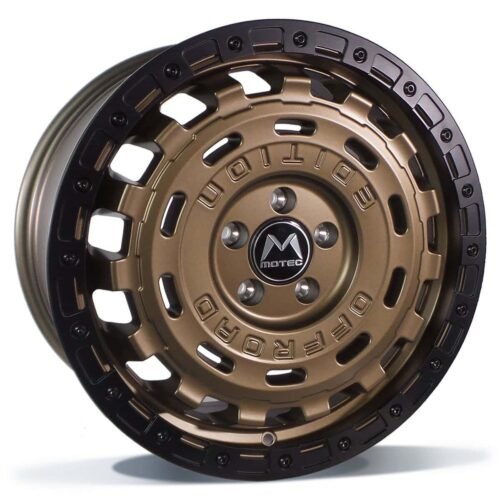
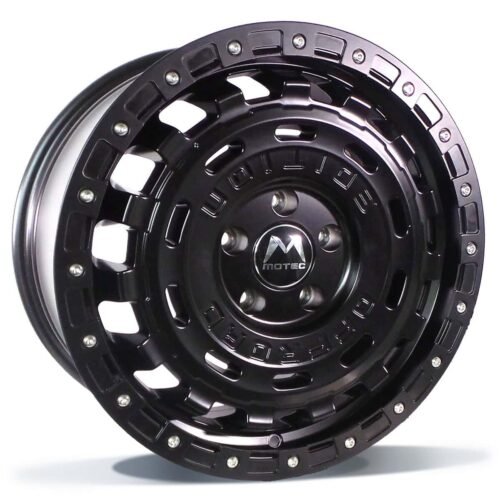
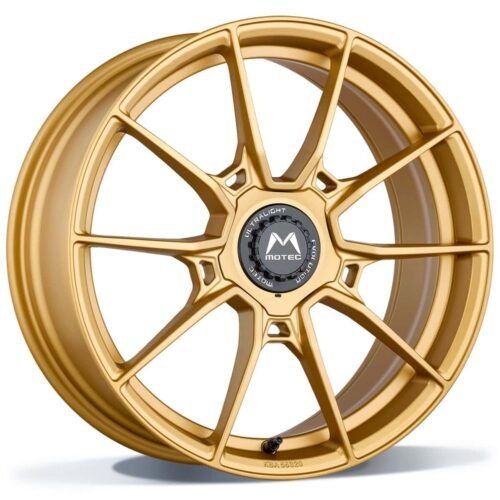
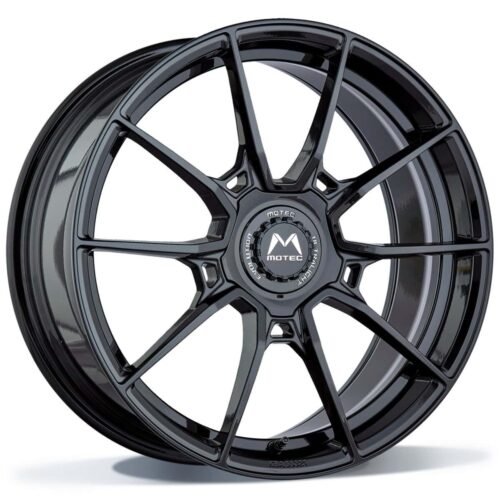
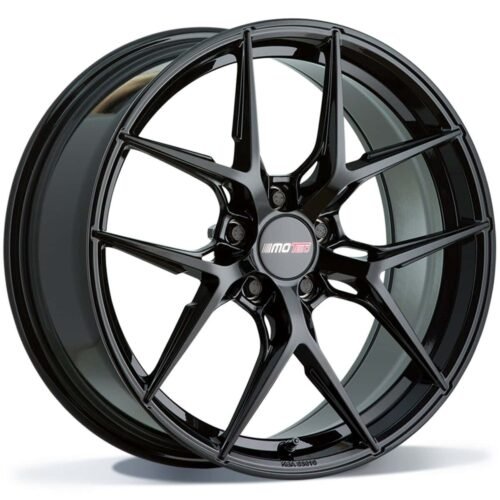
18-inch wheels suit performance cars and track cars that need room for large brakes behind a lower tyre profile. The range covers widths from 7.5 J to 11 J in four-, five- and six-stud patterns, including forged versions, with most weighing between 7.8 and 13.2 kg.
Weight varies widely at this size, and it matters twice. Extra unsprung mass makes the tyre harder to keep in contact over bumps, and rotating mass must be spun up and slowed down along with the car. Forging, offered on some wheels here, gives a dense grain structure that allows thinner sections for the same strength.
Width and offset work together. Each extra inch of rim width adds about 12.7 mm on each side of the rim’s centreline, so a wider wheel at the same ET moves both edges. Raising the ET pulls the wheel in towards the strut, and lowering it pushes the wheel out towards the arch.
The options:
- Width: 7.5, 8, 8.5, 9, 9.5, 10, 10.5 and 11 J. A square set uses one size all round and lets you swap wheels front to rear, while a staggered set puts wider wheels at the rear.
- Offset: mostly ET 20 to ET 52, with a few higher, such as ET 58.
- Bolt pattern: 4×100, five-stud from 5×100 to 5×130, and six-stud 6×130 and 6×139.7 of the kind used on vans and pick-ups.
- Centre bore: bores include 56.1, 66.5, 72.6, 82 and 93.1 mm. The common 82 mm bore needs a centring ring to match the hub.
- Load rating: mostly 600 to 1100 kg per wheel, so check it against the axle load in the vehicle documents.
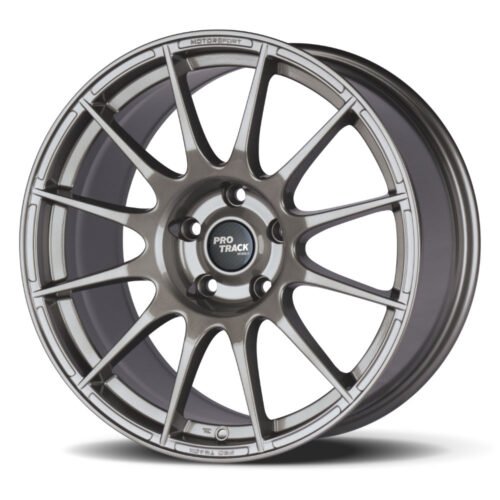
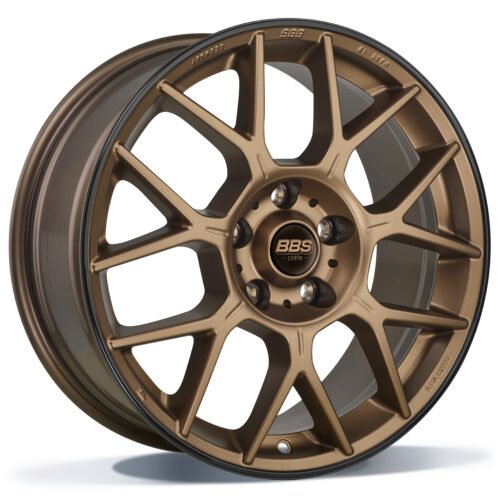
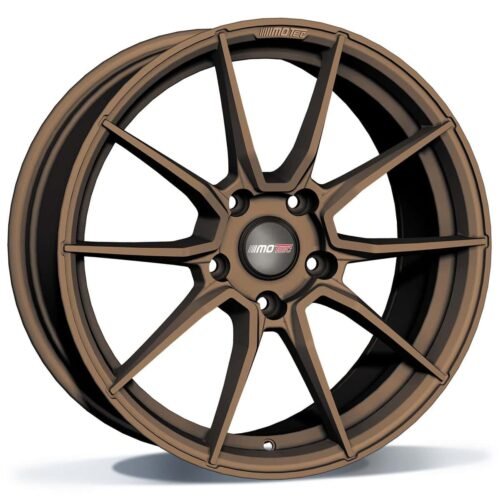
- Finish: matt and gloss colours, bronze, graphite, painted black and diamond-cut faces in grey and silver.
Check a wide wheel’s clearance at full steering lock and full bump, not just at rest. Front and rear tyres must keep the rolling circumference the car expects, especially on four-wheel drive, where a mismatch strains the drivetrain. Inspect the inner barrel for cracks after any hard kerb strike.

Store Information
TrackTool Factory
Sluispolderweg 7A
1505 HJ Zaandam
The Netherlands
Chamber of Commerce (KVK): 97296902
VAT: NL867990375B01