
Top brands in 20"



Showing 1–48 of 224 resultsSorted by latest
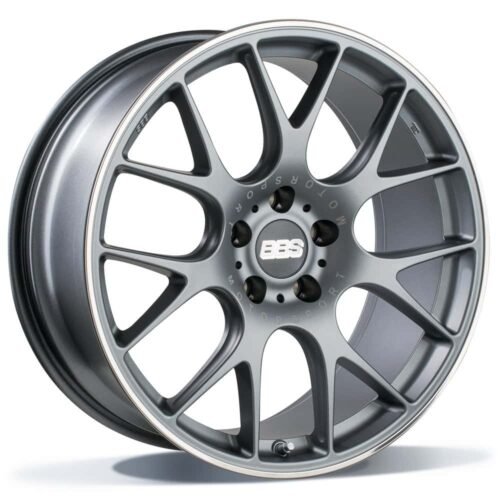
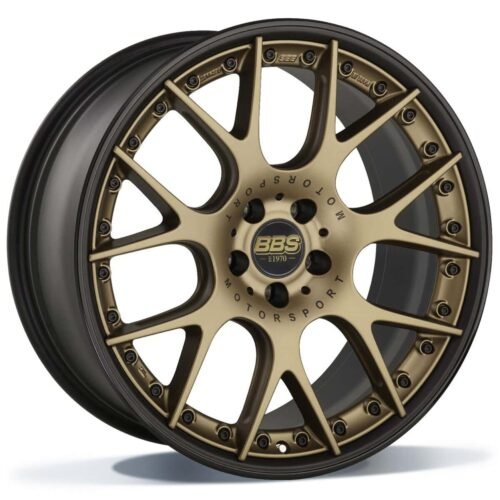
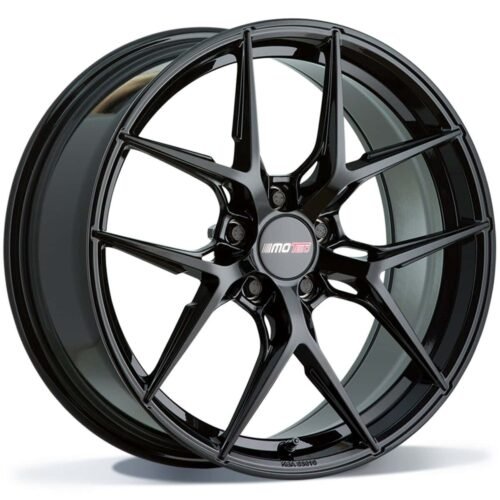
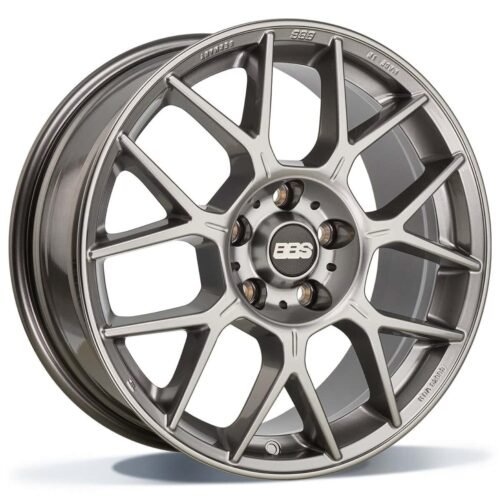
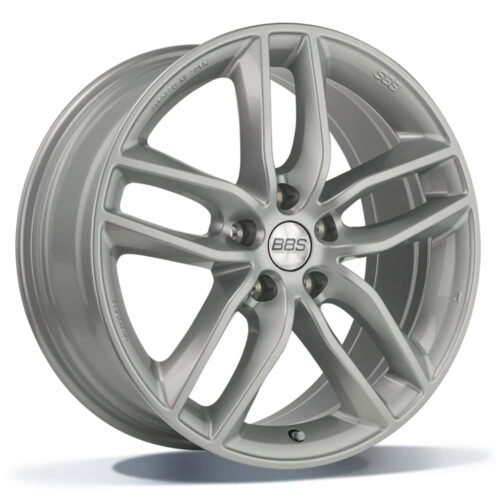
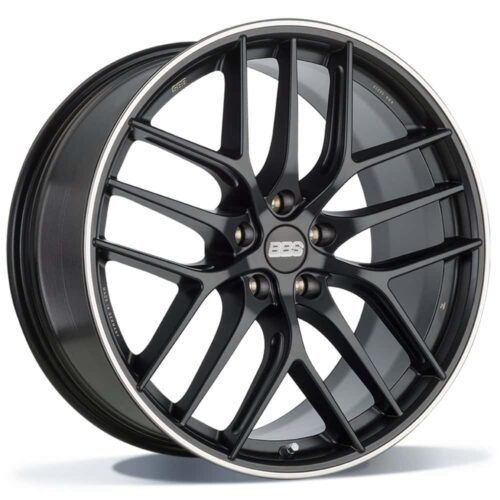
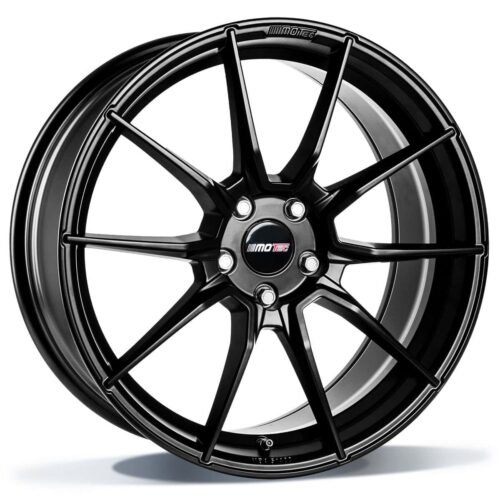
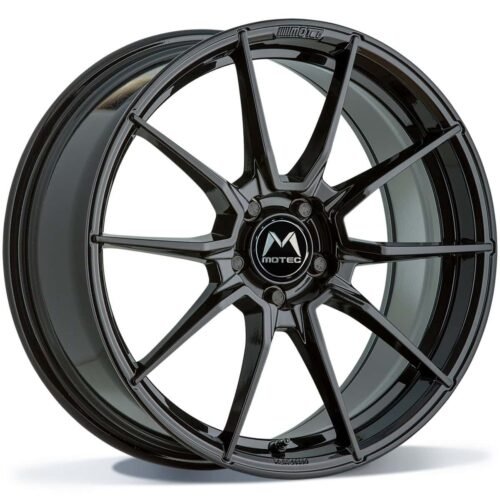
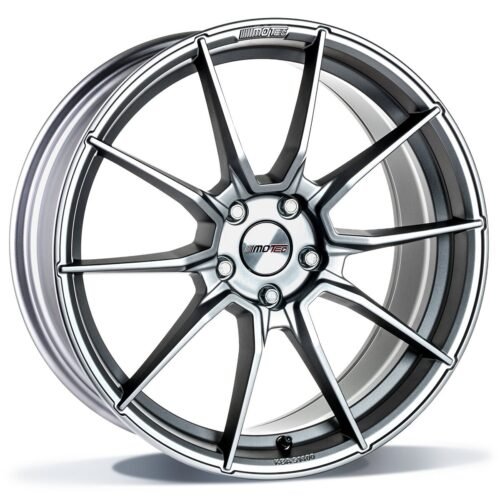
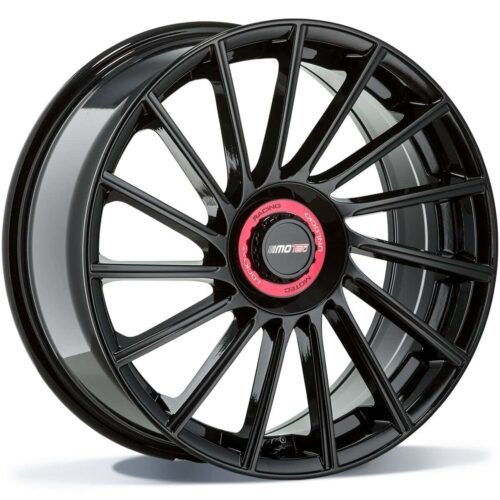
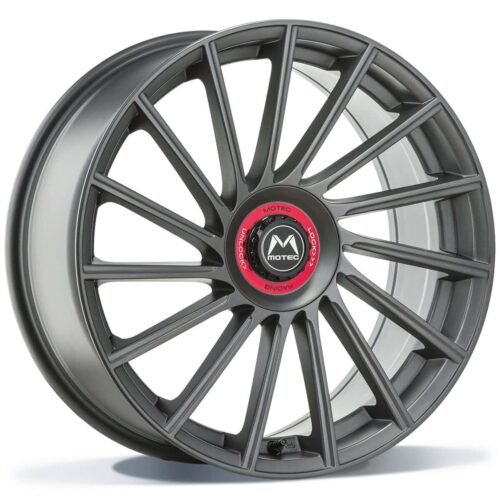
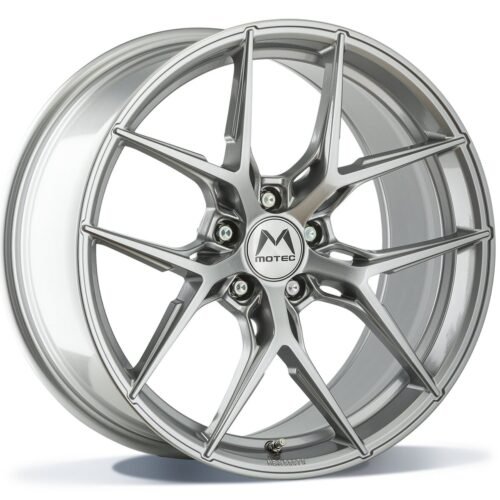
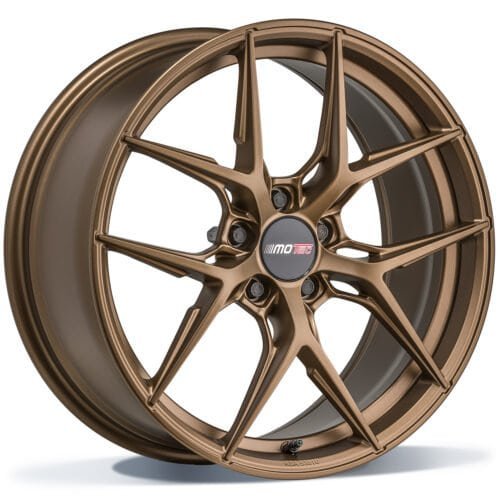
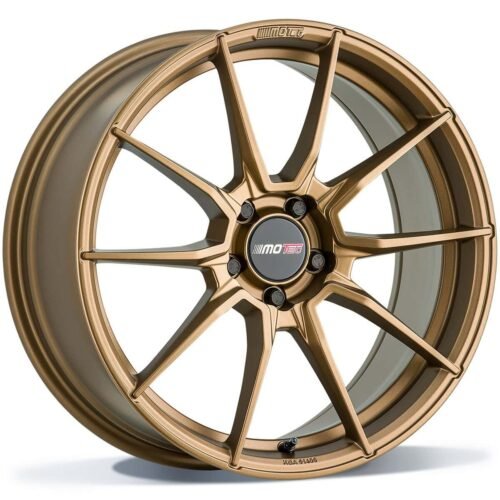
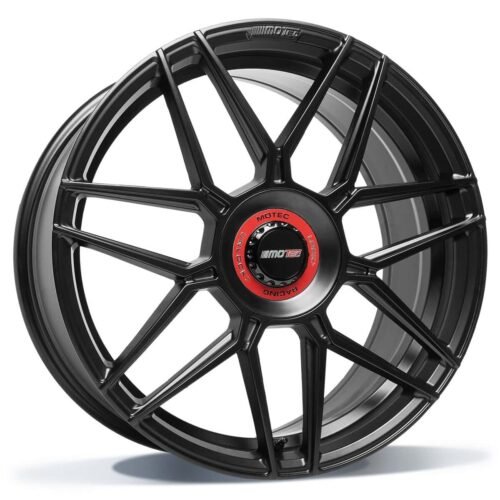
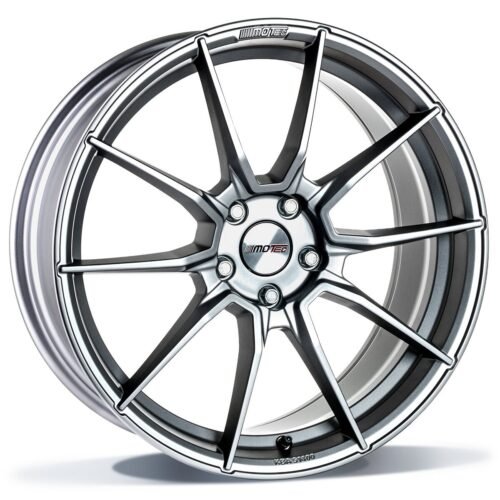
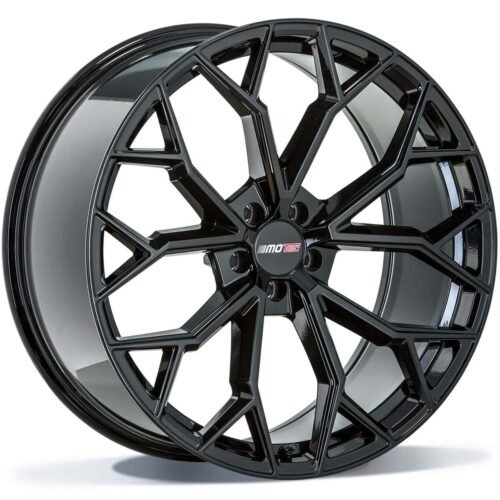
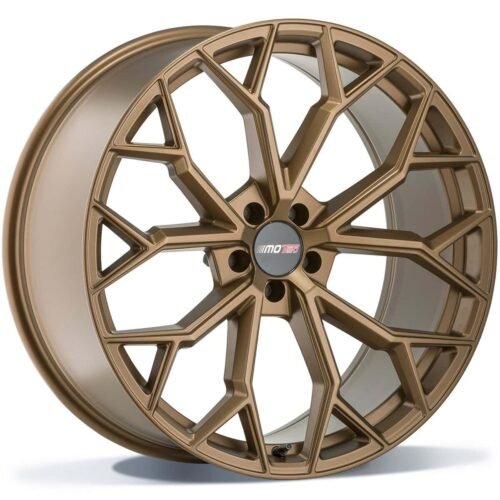
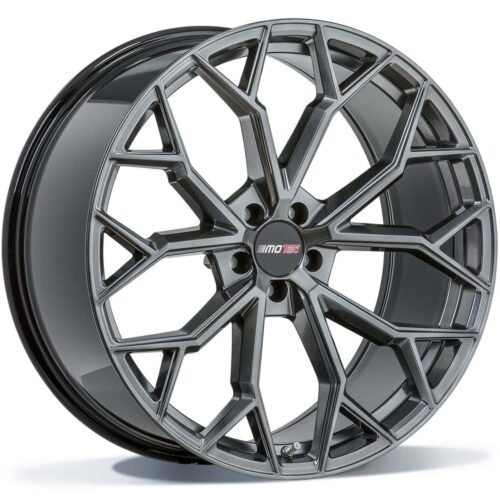
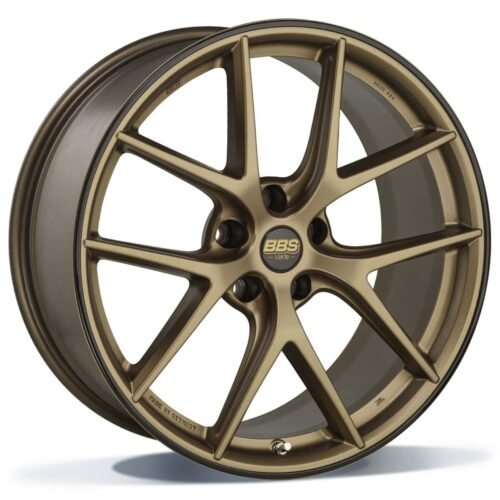
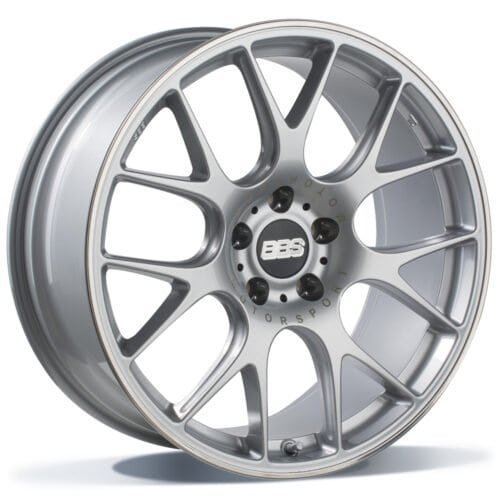
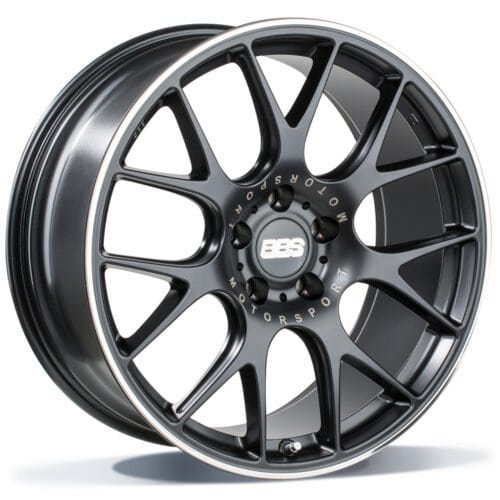
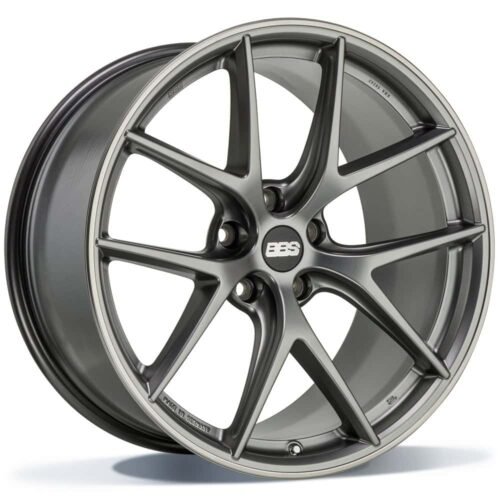
20" guide
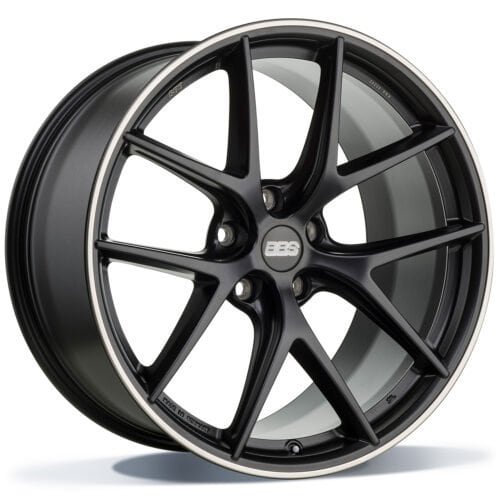
20-inch wheels belong on large saloons, performance SUVs and pick-ups, and on sports cars with big arches to fill. The section holds five- and six-stud wheels from 8 J to 12 J wide, plus a forged centre-lock version.
Size brings weight. Most of the listed wheels weigh 12 to 13.3 kg, and some 16 kg or more, before the tyre is fitted. Mass at the outer rim and tyre counts for more than its weight under acceleration and braking, because it must be spun up as well as moved. A heavier unsprung corner also makes bumps harder to control.
The tyre is the other half of the story. Keeping the rolling circumference on a 20-inch rim means a very low profile, which gives quick steering but a firm ride and little protection for the rim. Competition tyres come in fewer sizes at this diameter, so it is mainly a road and fast-road size.
The choices:
- Fixing: five-stud patterns from 5×10⁸ to 5×130, six-stud 6×135 and 6×139.7, and a forged centre-lock wheel for hubs with one central nut.
- Width and offset: 8 to 12 J, with most offsets between ET 12 and ET 52. Wide rear wheels at low offsets need checking against the arch lip.
- Centre bore: listed bores run from 65.1 mm up to 106.15 mm. Most wheels here have an 82 mm bore, matched to the hub with a centring ring.
- Load rating: mostly 620 kg to 1000 kg. Heavy SUVs and pick-ups need the upper figures, at or above half the permitted axle load.
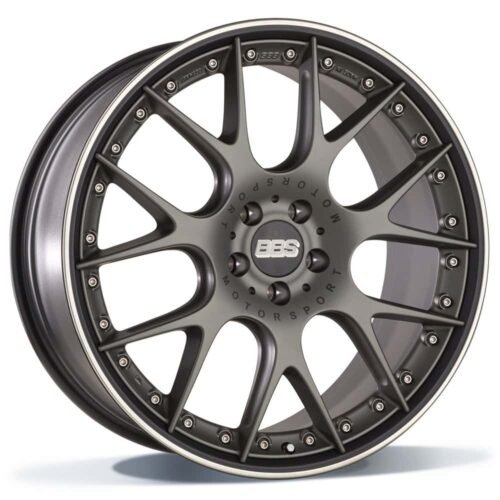
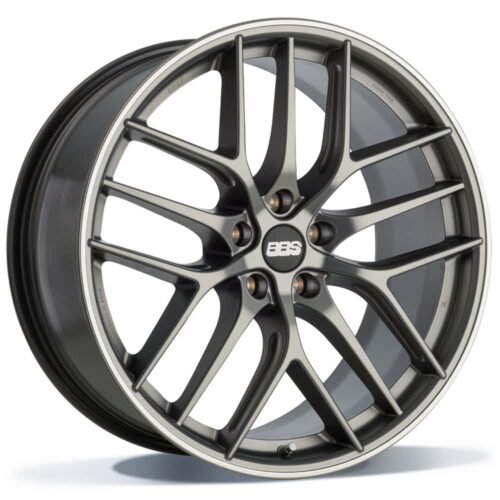
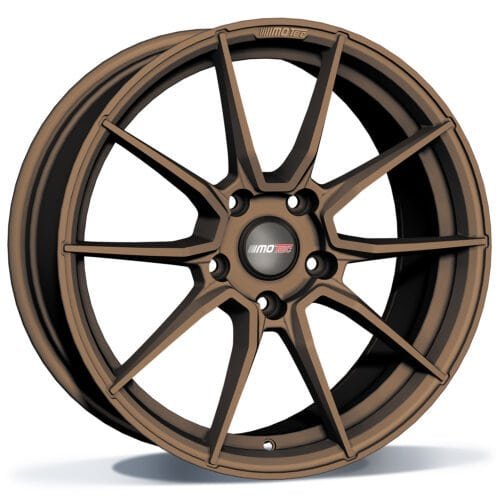
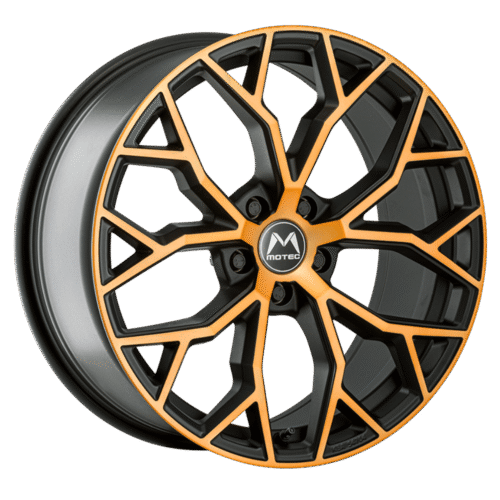
- Finish: satin and two-tone finishes such as satin black/titanium, bronze/black and platinum/black, plus graphite and platinum silver diamond-cut.
A centre-lock wheel needs a matching centre-lock hub, the correct nut and its safety device, and a far higher torque than a stud nut. Follow the hub maker’s figure and procedure exactly, and inspect the threads and mating faces at every wheel change. On the five- and six-stud wheels, use fasteners with the wheel’s seat type and re-check them after the first drive.

Store Information
TrackTool Factory
Sluispolderweg 7A
1505 HJ Zaandam
The Netherlands
KvK 97296902
BTW NL867990375B01
