Top brands in Turbo Oil Lines



Showing all 37 resultsSorted by latest



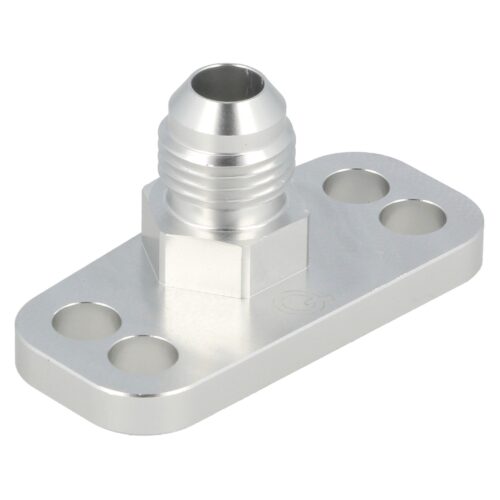
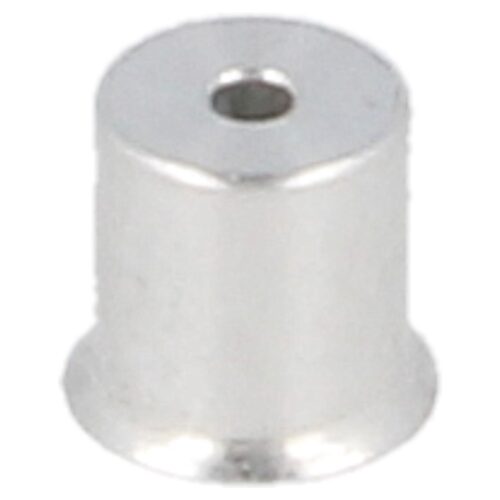
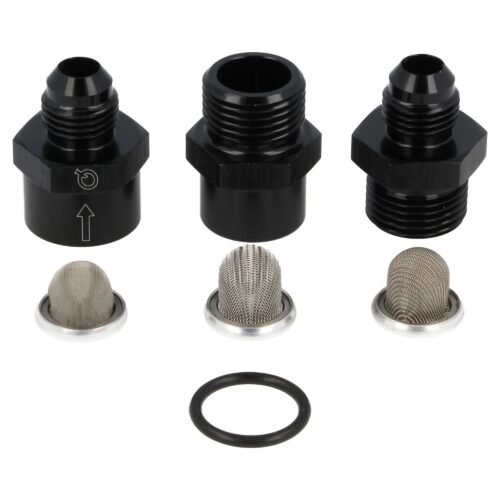
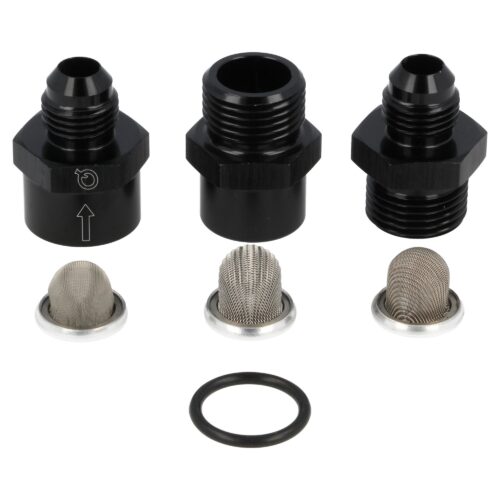
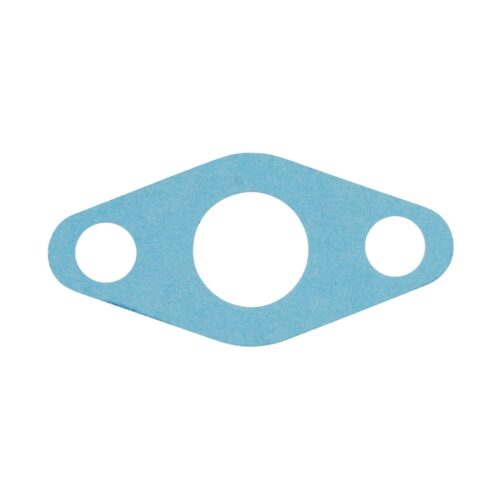
Turbocharger Gasket – Oil Return (Paper) 50.8mm

Turbocharger Gasket – Oil Return (paper) 38.1mm

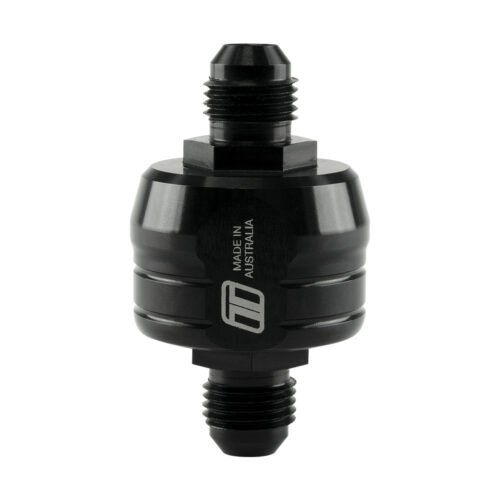
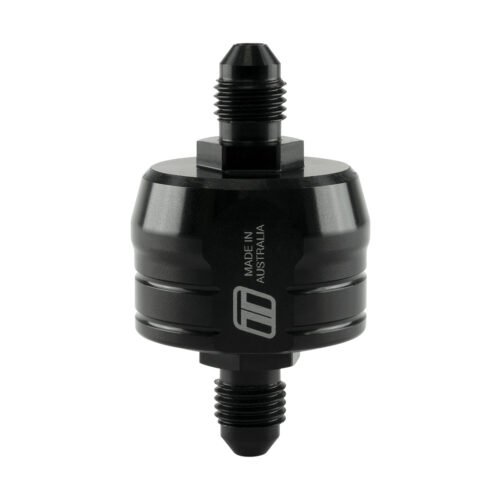
Billet Turbo Oil Feed Filter 44um AN-3 – Black
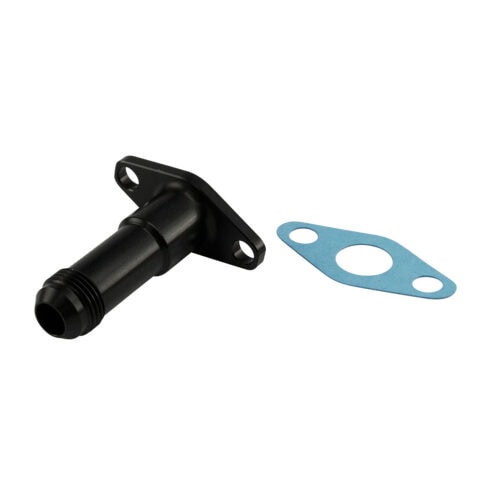
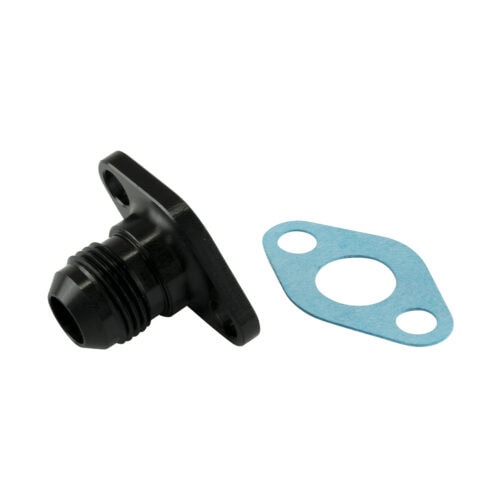
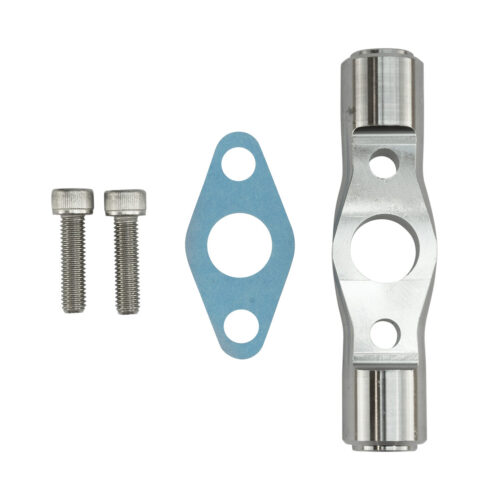
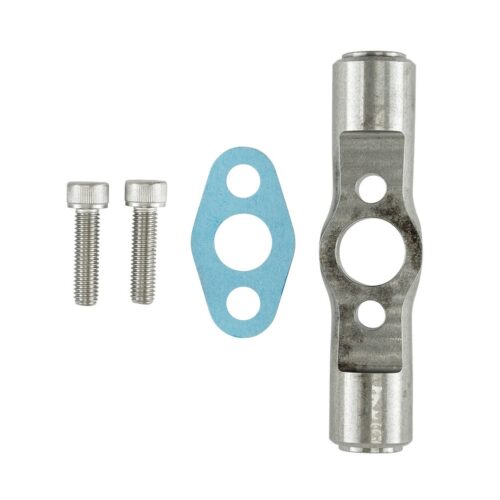
50.8mm 10AN 75mm Extended Oil Drain Black


38.1mm 10AN 75mm Extended Oil Drain Black


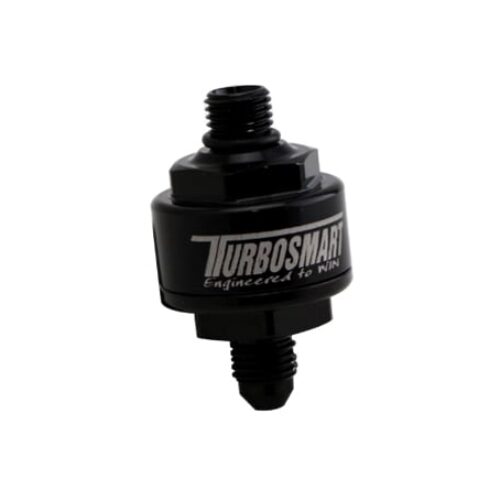
Billet Turbo Oil Feed Filter 44um AN-4 to AN-4 ORB – Black

'-10 AN Extended Oil Drain Flange Install Kit for T4 Turbo

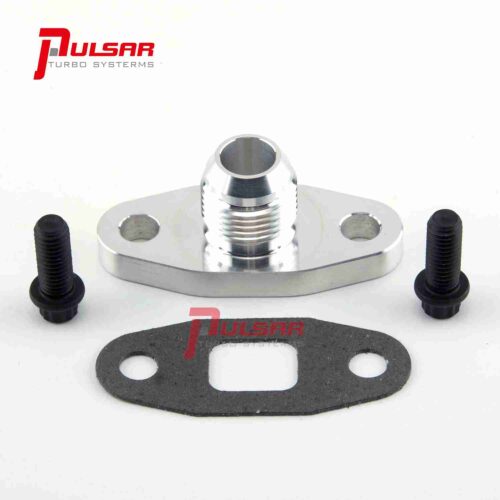
Oil Drain Flange Install Kit for Precision Turbo T4 T67 T72 T76 T78


PULSAR -12 AN Oil Drain Flange Kit for 300 300D 363 366 369 372 Turbos


Turbo Oil Lines guide
Turbo bearings live on engine oil. A pressure feed brings it into the top of the centre housing, and a drain lets it fall back to the sump, carrying heat away as well as lubricating. This section holds oil feed lines, feed filters and limiters, drain flanges and adapters, and the gaskets that seal them.
The two sides work very differently. The feed needs clean oil at steady pressure. A journal bearing turbo uses plenty, while a ball bearing turbo needs less and may call for a restrictor, so excess oil does not flood past the seals. The drain carries foamy, aerated oil at no pressure, so it needs a large bore and a constant fall. When oil backs up in the centre housing, it escapes past the seals as smoke, a fault often blamed on the turbo itself.
Size the feed and the drain separately:
- Feed lines: -4 AN steel-braided lines with one 90° and one straight end, 43 or 80 cm long.
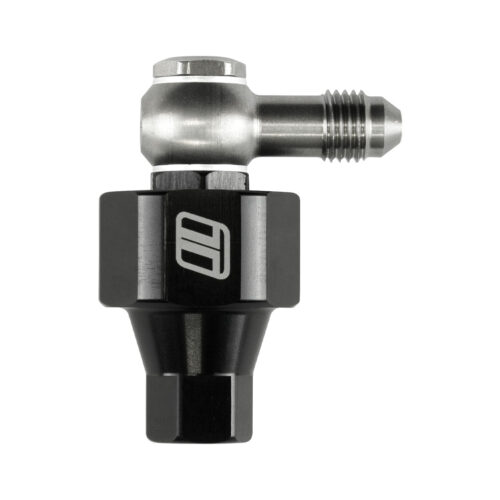
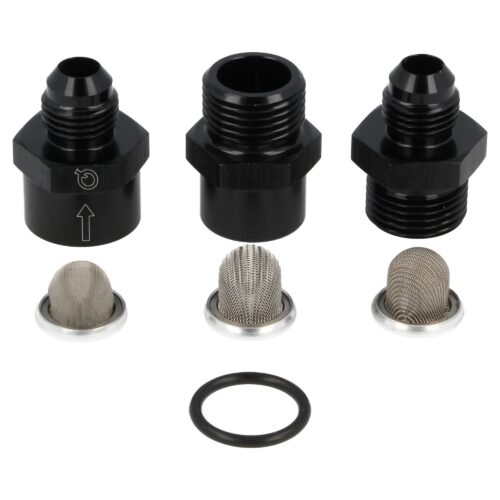
- Feed filters: fine 44 µm elements in AN-3 or AN-4 sizes, inline or as a banjo, including an AN-4 to ORB (O-ring boss) version. They catch debris before it reaches the bearings.
- Supply filters and limiters: listed by dash size, from -3 to -8, which matches threads from 3/8 to 3/4 UNF. A limiter cuts the oil flow where the turbo maker calls for it.
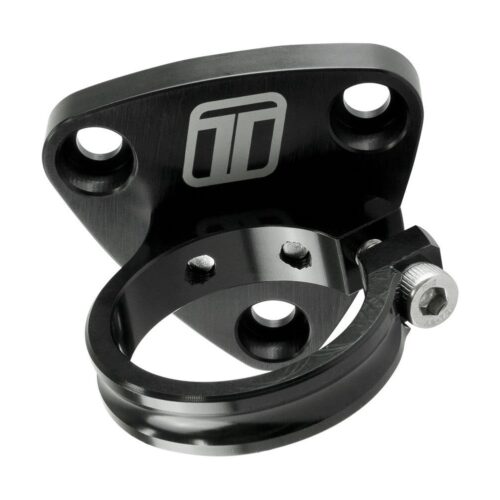
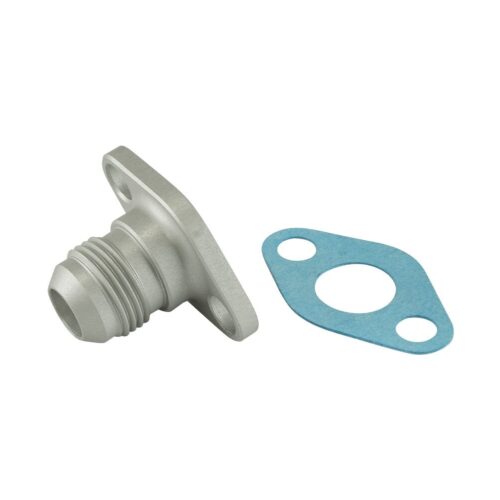
- Drain flanges: 10 AN flanges in black or silver for 38.1 or 50.8 mm bolt spacing, straight or 75 mm extended. Billet aluminium -12 AN kits suit larger turbo series, and small-frame kits come with or without a 10 AN thread.
- Adapters and gaskets: billet drain adapters sealed by a silicone O-ring for 50.8 or 52.4 mm hole spacing, and paper gaskets for 38.1 and 50.8 mm flanges.
Take the feed from a clean pressure point and fit the filter close to the turbo, so it also catches debris from the line. Keep braided lines clear of the manifold. Run the drain as straight and steeply downhill as the layout allows, without dips or tight bends, into the sump above the oil level. Use new gaskets or O-rings, and keep liquid sealant off oil flanges, because a loose bead can block a passage. Pour clean oil into the feed port before the first start.

Store Information
TrackTool Factory
Sluispolderweg 7A
1505 HJ Zaandam
The Netherlands
Chamber of Commerce (KVK): 97296902
VAT: NL867990375B01