Top brands in Turbochargers


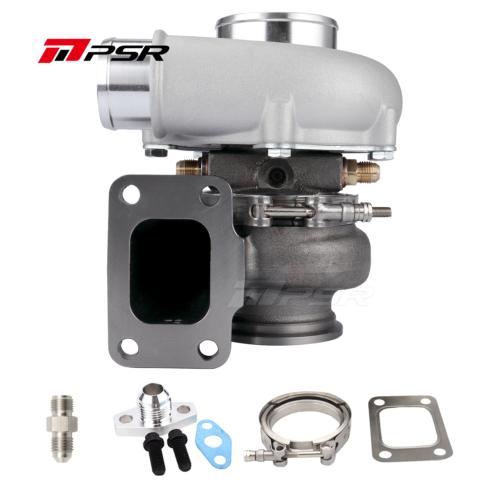


TS-1 Turbocharger 7675 V-Band 1.24AR Externally Wastegated
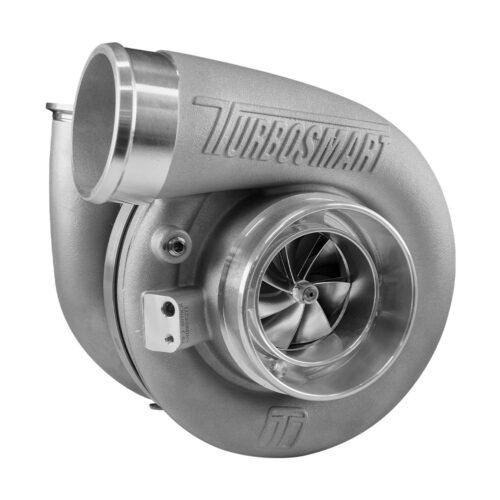
TS-1 Turbocharger 6870 V-Band Reverse Rotation 0.96AR Externally Wastegated


TS-1 Turbocharger 6870 (Kompact) D4 1.00AR Externally Wastegated
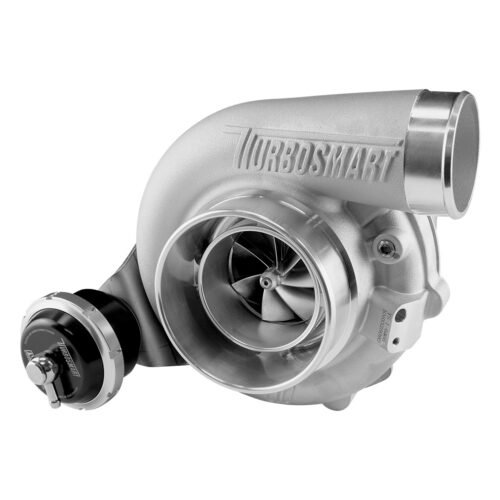
TS-1 Turbocharger 6466 V-Band 0.82AR Internally Wastegated (14psi)

TS-1 Turbocharger 6466 T4 Divided 1.00AR Externally Wastegated

TS-1 Turbocharger 6262 V-Band 0.82AR Internally Wastegated (14psi)
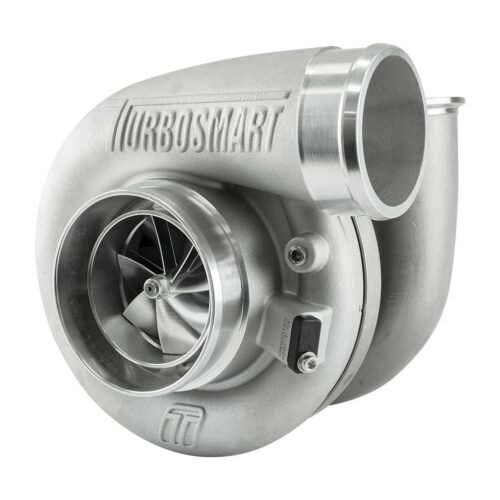
TS-1 Turbocharger 7675 V-Band 0.96AR Externally Wastegated
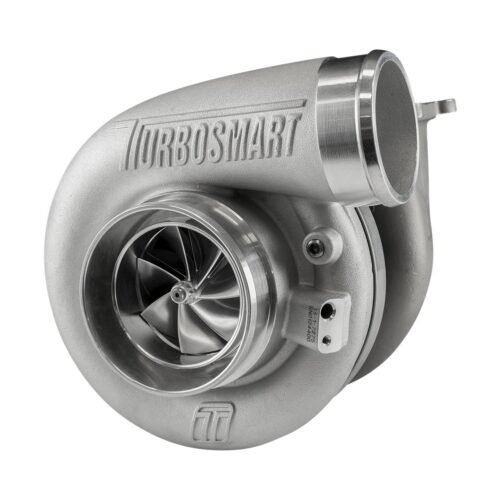
TS-1 Turbocharger 7275 T4 0.96AR Externally Wastegated
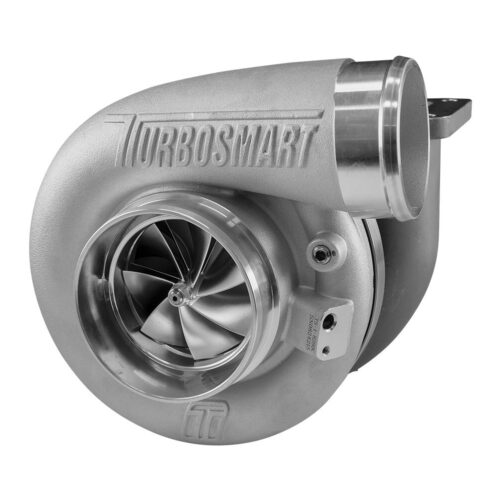
TS-1 Turbocharger 8280 T4 0.96AR Externally Wastegated
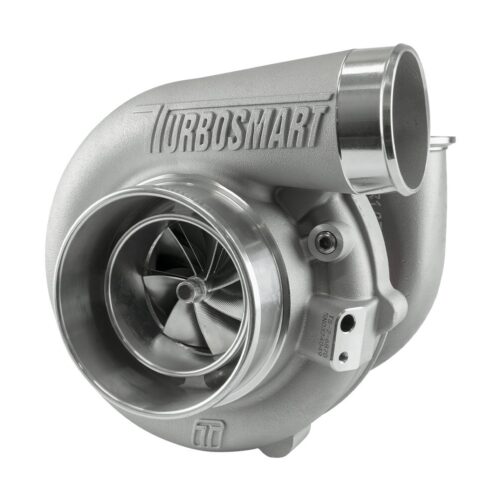
TS-2 Turbocharger (Water Cooled) 6870 (Kompact) V-Band 0.96AR Externally Wastegated

TS-1 Turbocharger 6466 V-Band 1.07AR Externally Wastegated

TS-1 Turbocharger 8280 V-Band 1.24AR Externally Wastegated

TS-1 Turbocharger 7880 T4 0.96AR Externally Wastegated

Turbochargers guide
This category lists complete turbochargers, each with its compressor and turbine housings. Most are ball-bearing performance turbos sold by frame size and specification rather than as direct replacements for a particular car, so the listing details matter.
Reading a listing comes down to a few items:
- Bearing: dual ball bearing, ceramic ball bearing or journal bearing, as the title says. It affects how quickly the turbo responds and the oil supply it needs.
- Frame and compressor wheel: the wheel is cast or billet, its inducer and exducer are often in the model name, and together they set how much air the turbo can move. Many titles give the maker’s power rating.
- Turbine housing: the inlet flange, open or divided, or a V-band; the A/R; and whether the housing has an internal wastegate or needs an external one.
Use the filters on this page to choose the turbine inlet and the A/R. Some models are offered in reverse rotation for twin-turbo layouts, and some with a stainless steel turbine housing.
Check the physical fit before the numbers. The turbine inlet must match your manifold, the outlet your downpipe, and the compressor connections your intake and charge pipes. A housing without an internal wastegate needs a separate wastegate on the manifold, with its own dump or return pipe.
Before first start, prime the centre section with oil and fit a new oil feed and gaskets. Ball-bearing turbos commonly need a restrictor in the oil feed, water-cooled centre sections need coolant lines, and the oil drain must run downhill to the sump without kinks. Set boost and fuelling on the engine management before the car is driven hard. Turbo cores sold without a turbine housing are listed under CHRAs & Supercores.
Recently Viewed Products

PSR T51R Mod Compressor Housings for PTG Series Turbo – 7975G
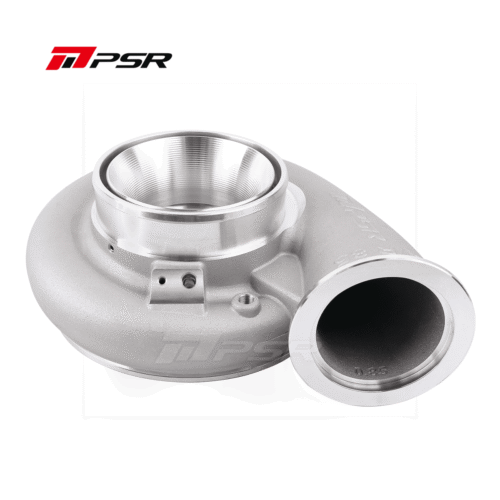
Pulsar PTE SERIES T51R MOD Compressor Cover – 80.8×110.5mm(8085E)

PSR T51R Mod Compressor Housings for PTG Series Turbo – 5449G REVERSE


Store Information
TrackTool Factory
Sluispolderweg 7A
1505 HJ Zaandam
The Netherlands
Chamber of Commerce (KVK): 97296902
VAT: NL867990375B01