
Top brands in Plugs & Pins

Showing 1–48 of 58 resultsSorted by latest

Plugs & Pins guide
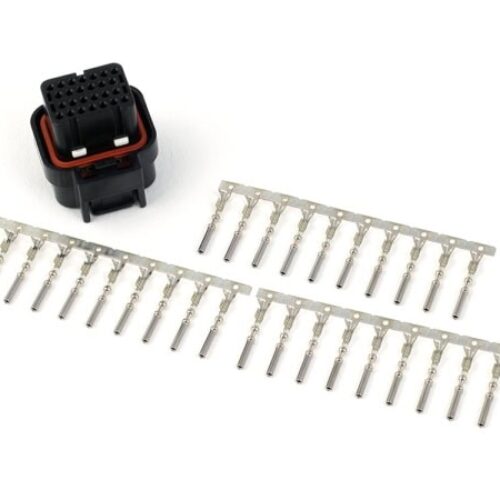
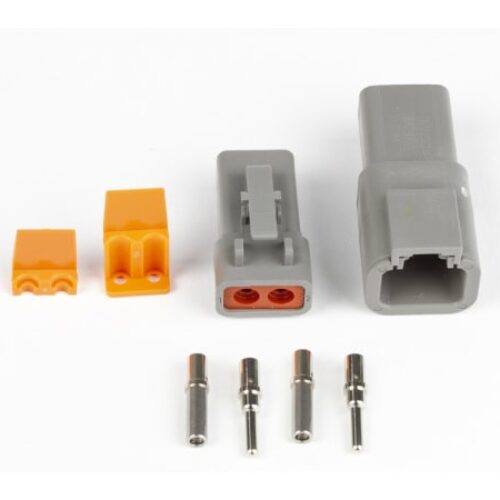
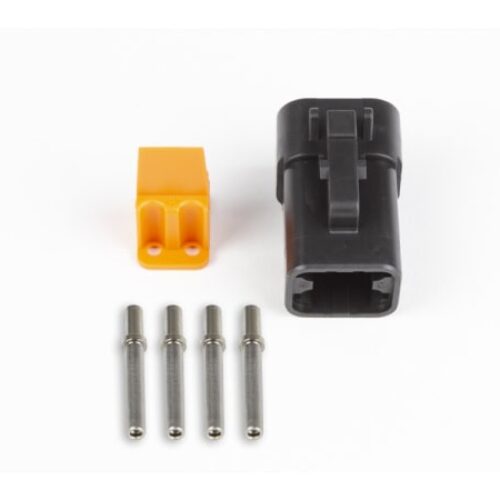
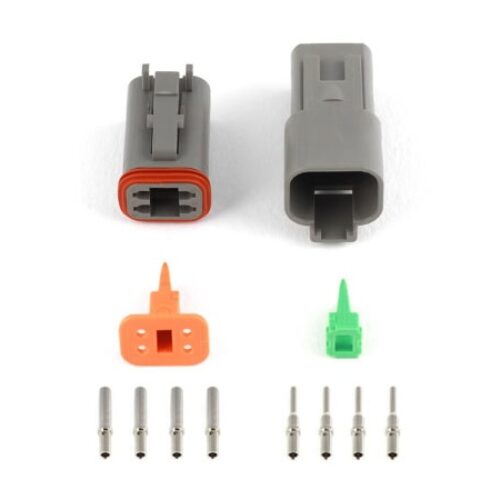
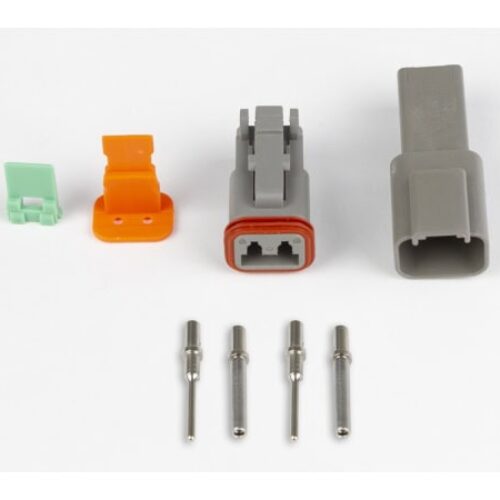
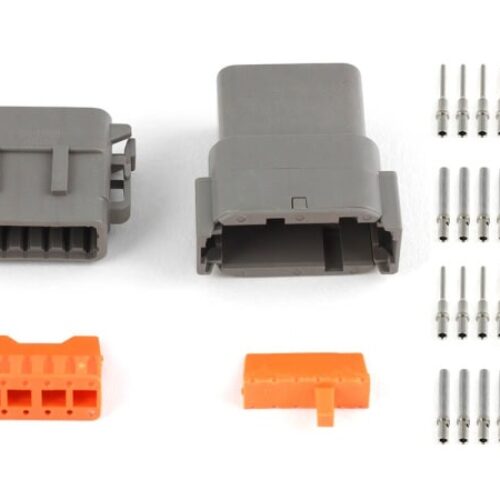
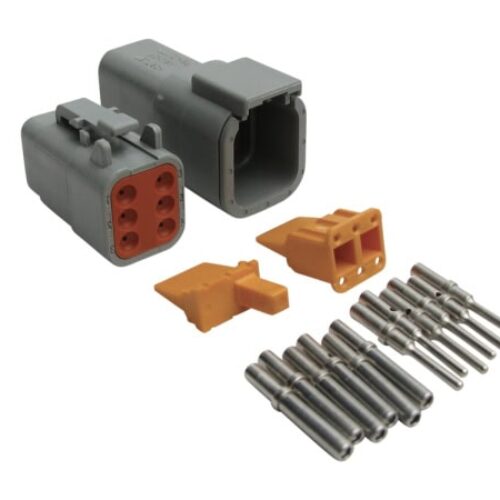
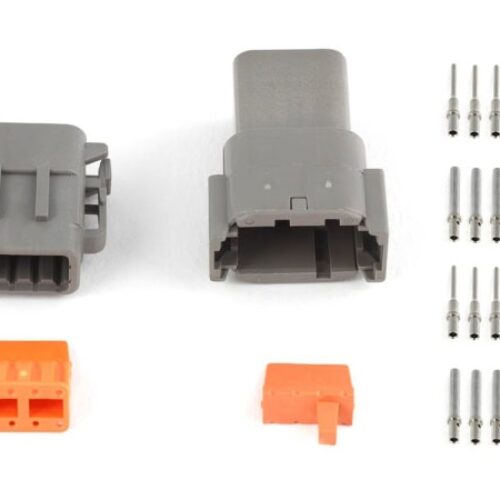
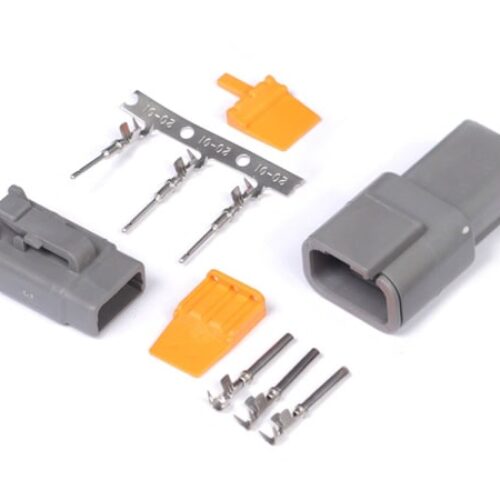
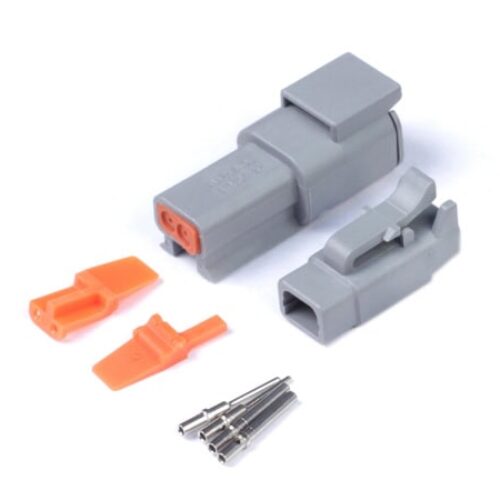
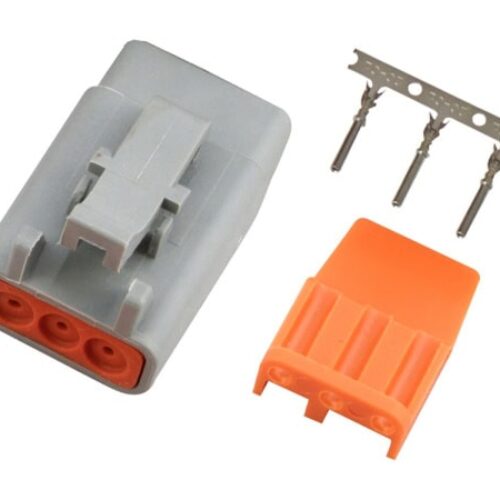
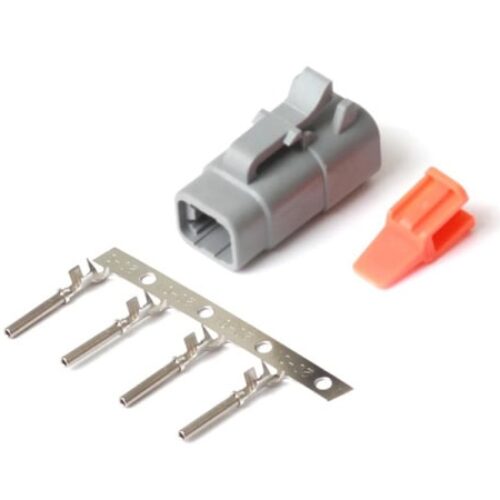
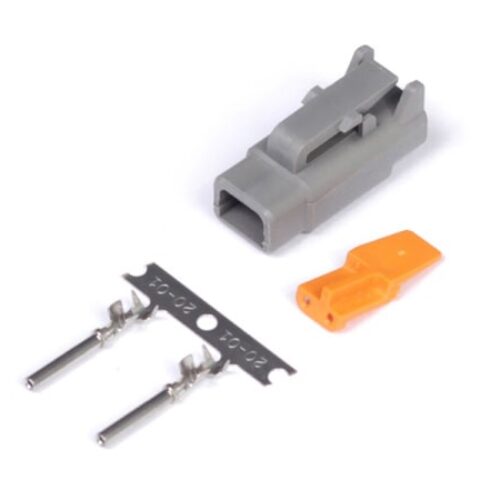
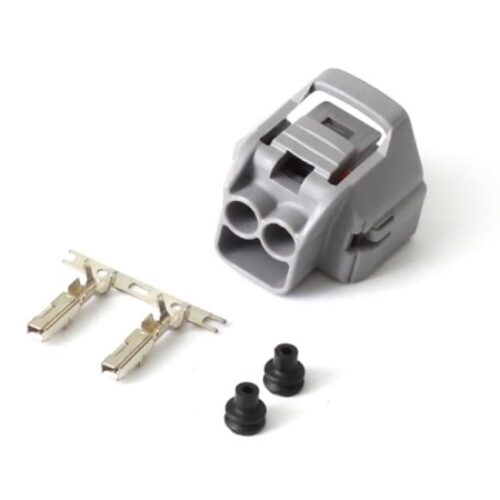
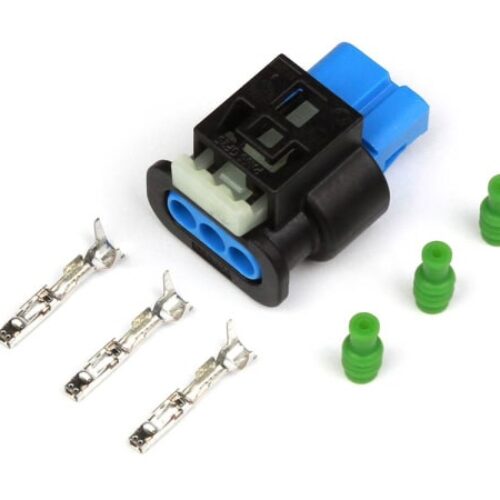
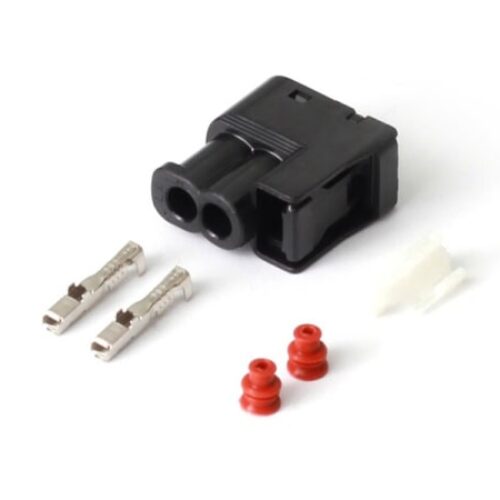
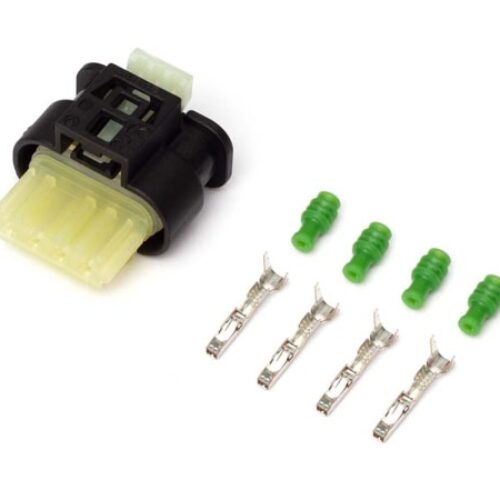
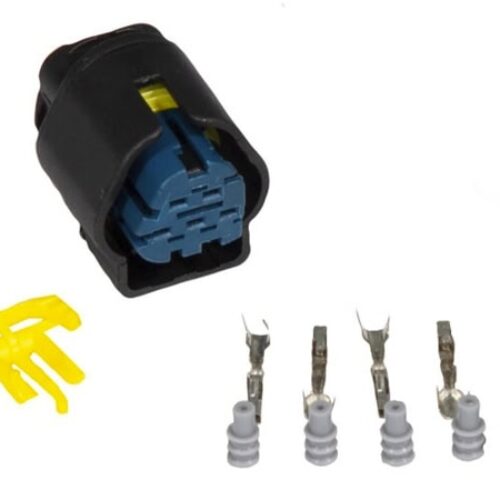
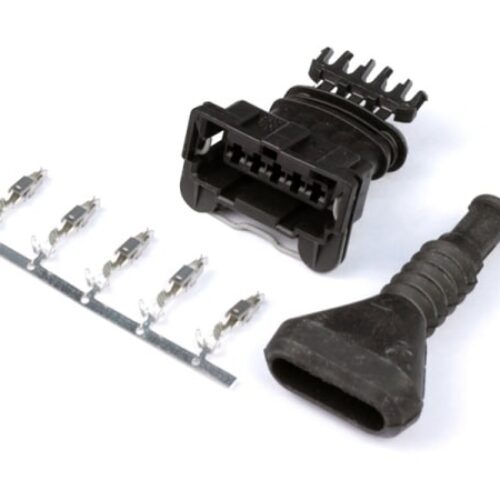
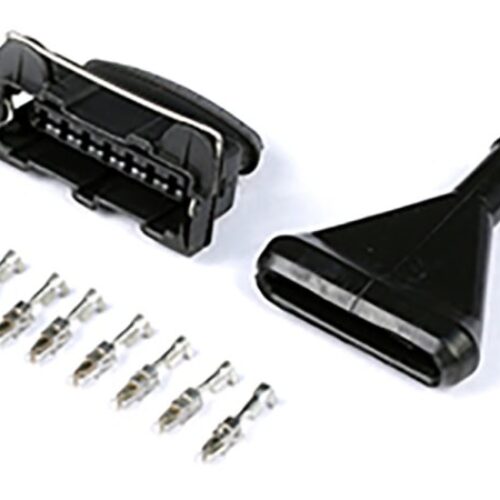
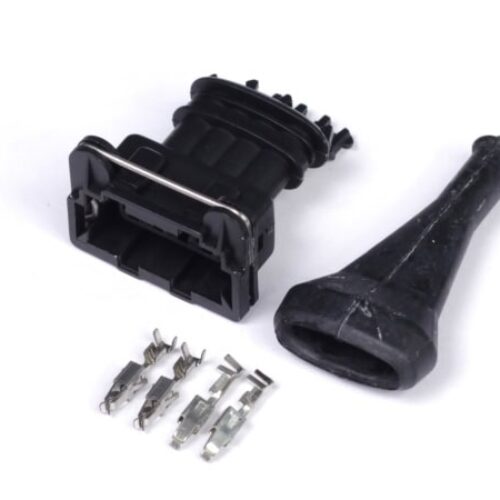
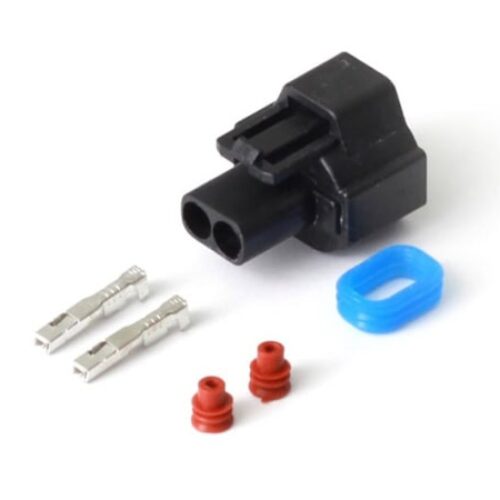
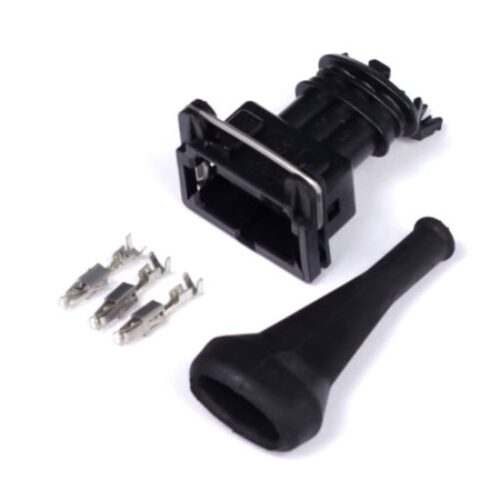
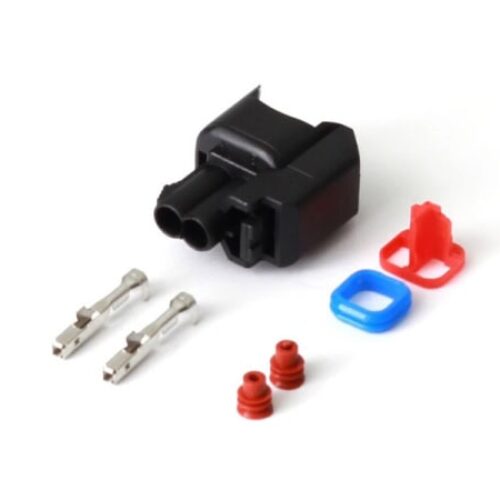
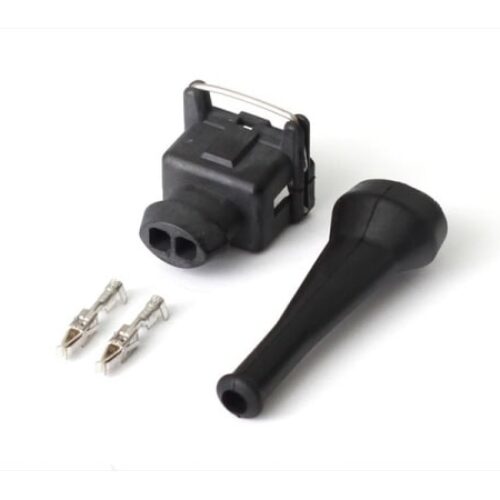
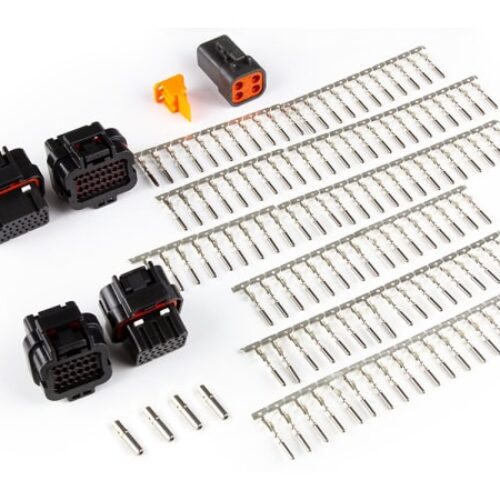
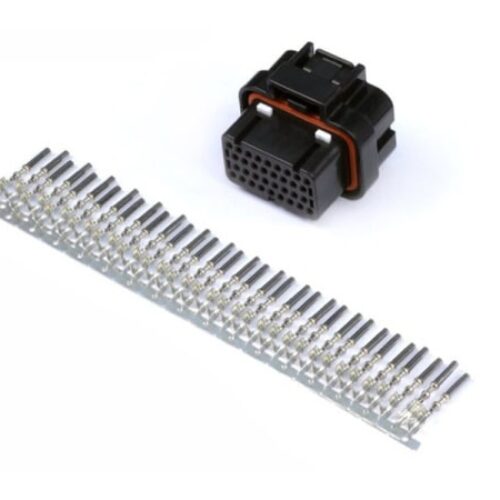
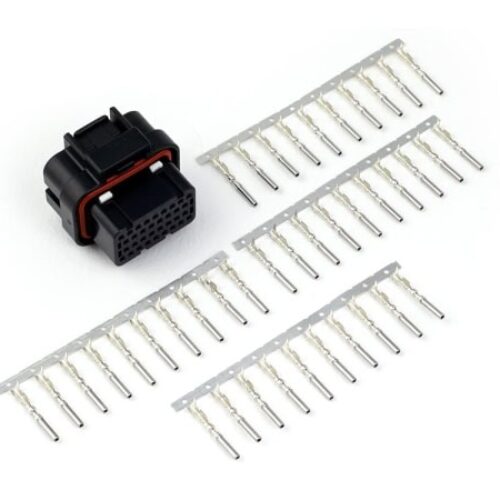
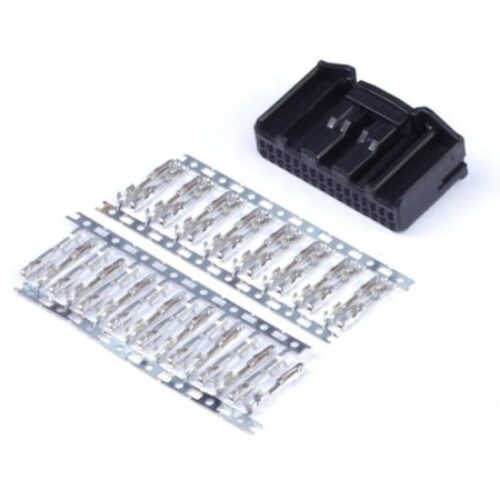
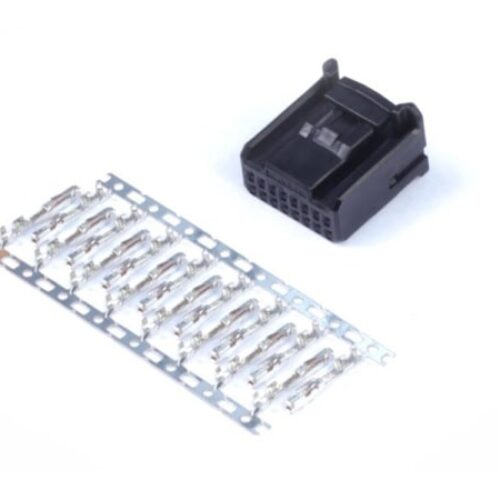
Plugs and pins join an engine management loom to the ECU, sensors, injectors, coils and other devices. This section holds complete plug and pin sets, single connector halves, loose pins and blanking plugs, from small sensor plugs to ECU plugs and high-current power connectors.
A connector is only as good as its crimp and its seal. Each pin suits a band of wire sizes and must be crimped with the tool made for it, then locked into its cavity. The rubber seals keep out water and fluids, and an empty cavity needs a blanking plug or the seal is lost.
Sealed connector families differ in pin size and current rating. In the titles, DTM pins are rated 7.5 A and DTP pins 25 A, with the DT family between them for general circuits. Pick a family with headroom above the circuit’s current, as contacts run warmer with age.
Identify each connector by family, pin count and contact type:
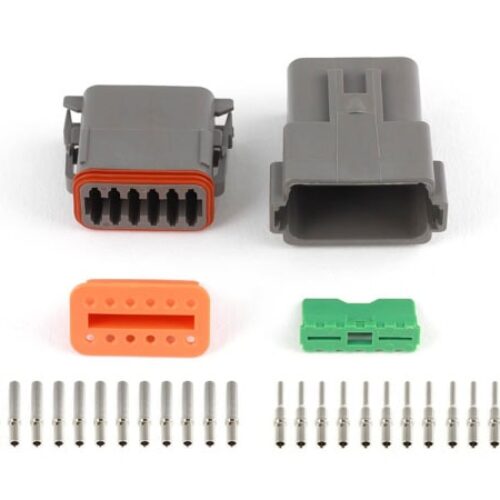
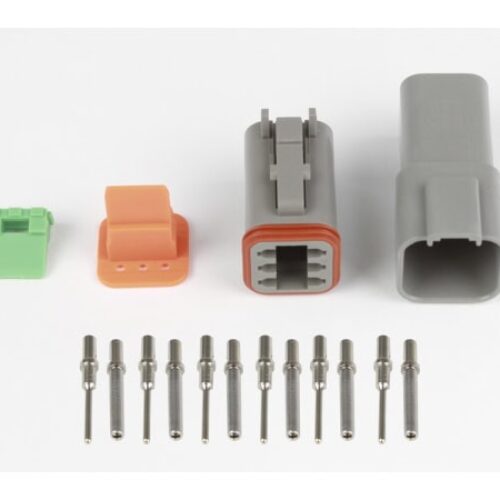
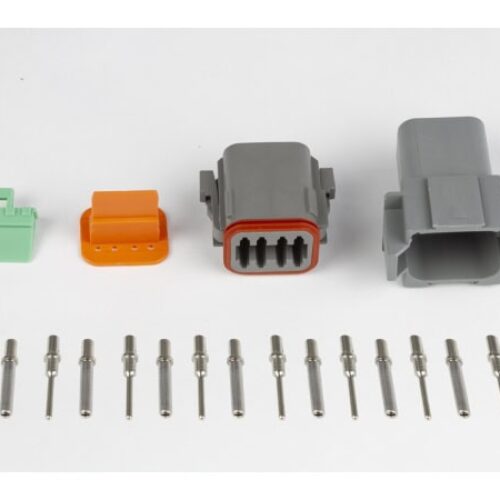
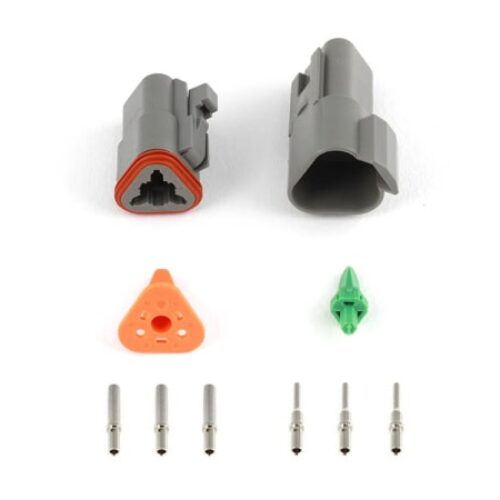
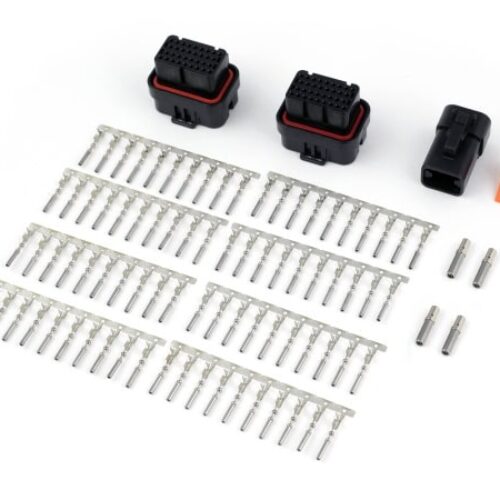
- Sealed connector sets: DT sets come with both halves in 2, 3, 4, 8 and 12 pins. DTM parts come in 2, 3, 4 and 12 pins, and DTP parts in 2 and 4 pins. In the part numbers, S marks the half with sockets and P the half with pins.
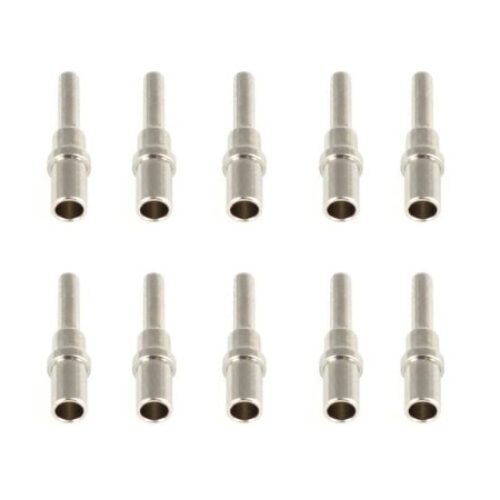
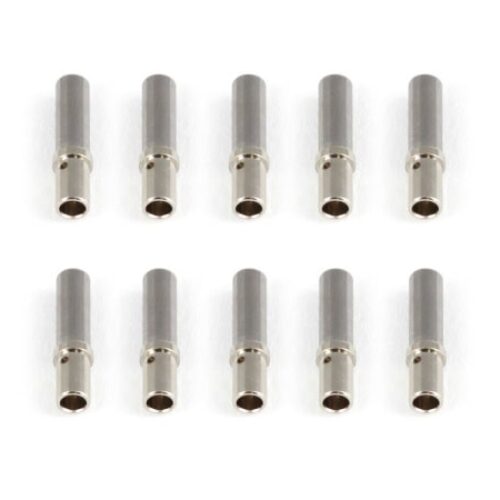
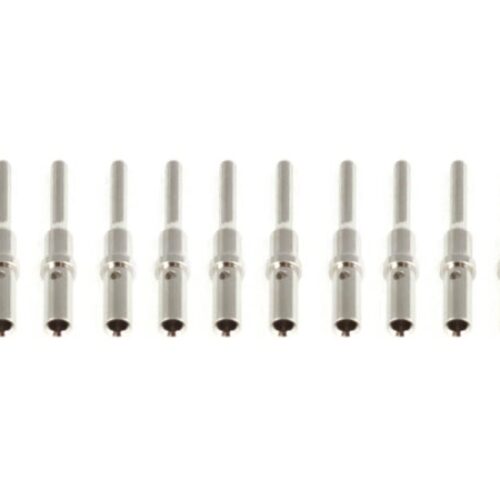
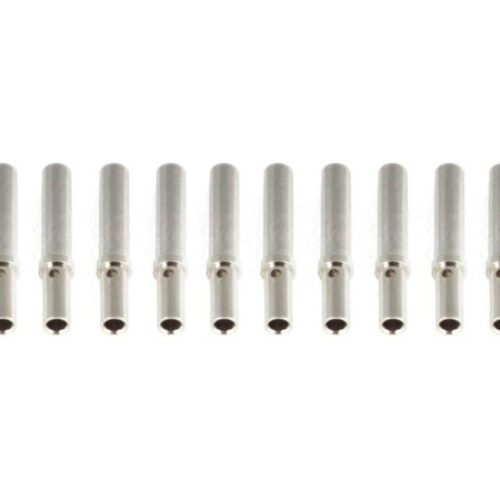
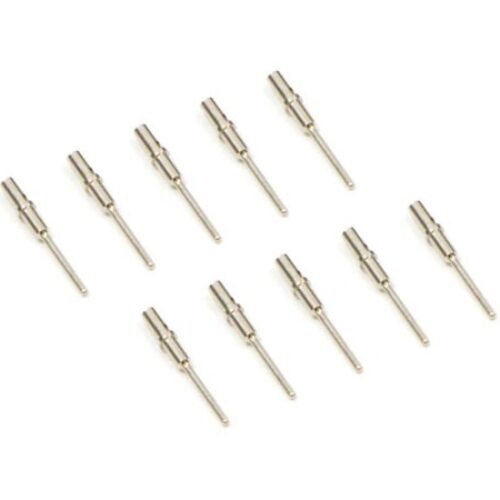
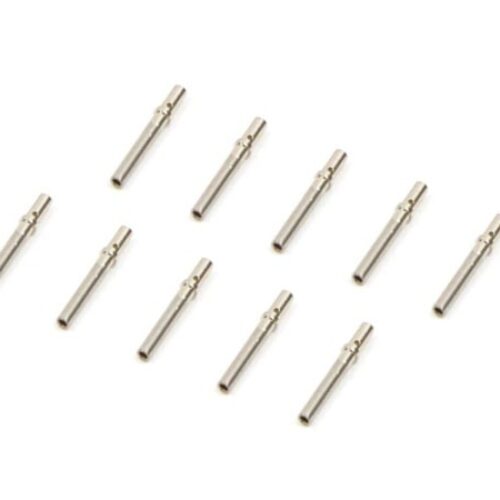
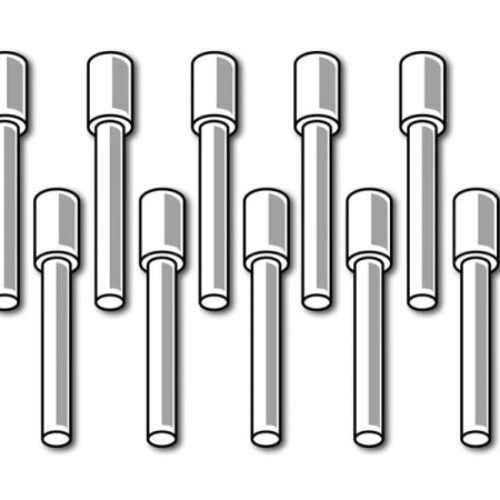
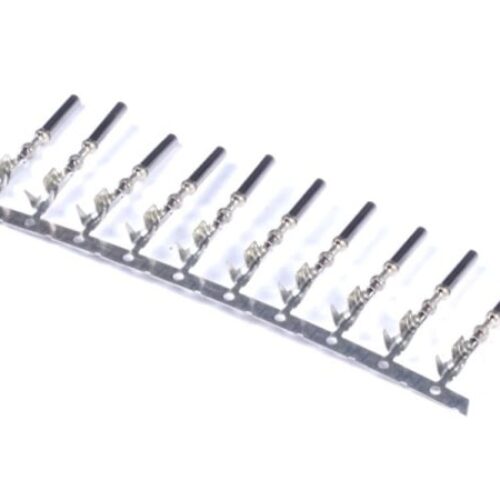
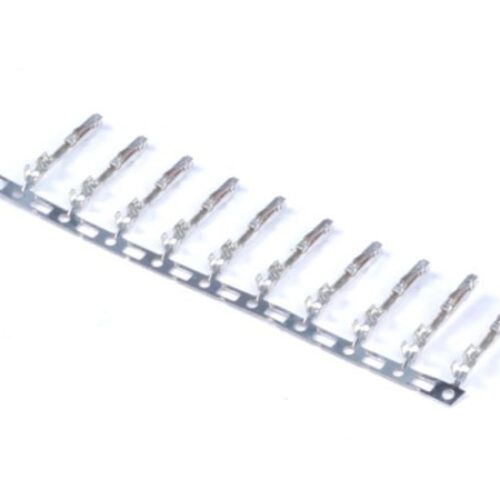
- Loose pins: male or female pins for DT, DTM and DTP housings, for repairs and added circuits, plus spare ECU pins.
- ECU plugs: 26- and 34-pin plugs with numbered keys, and plug and pin sets for particular ECUs. The key has to match the socket, so check its number.
- Device and sensor plugs: 8-, 12-, 16- and 24-pin housings, parts for sealed 8- and 10-way female connectors, and 2-, 3-, 5- and 7-pin plugs for sensors and actuators. Others suit factory sensors, coils and injectors named in the title.
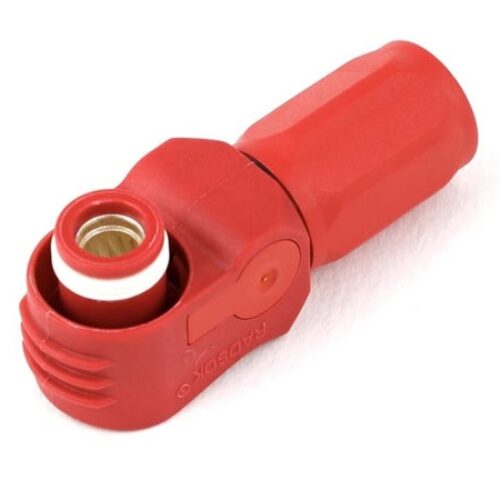
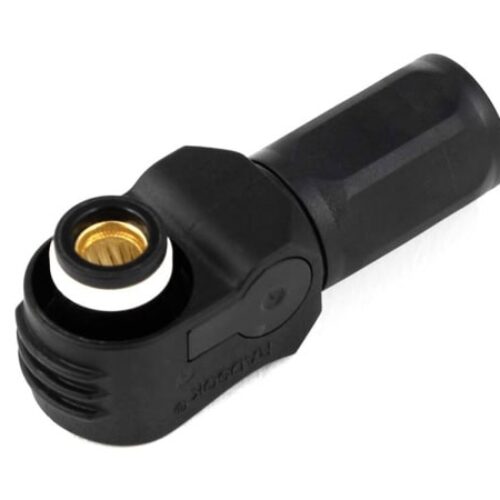
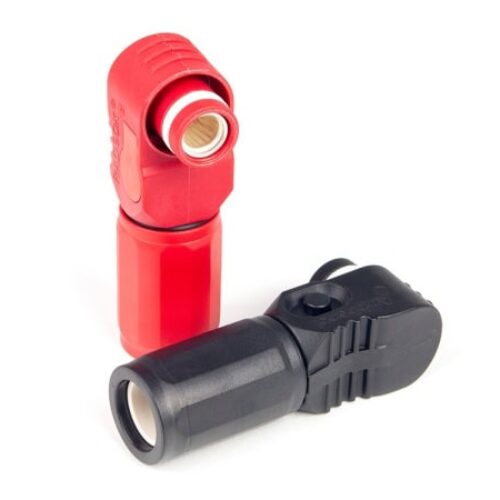
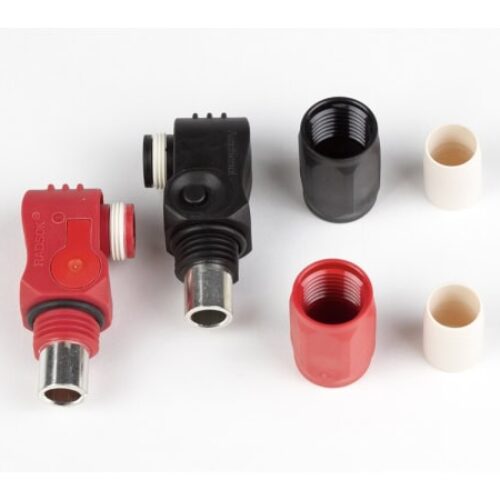
- Power connectors: red and black high-current plugs rated 120 A or 200 A, for the main feed of the unit named in the title.
Strip only as much insulation as the pin barrel needs, and crimp with the matching tool, since a pliers crimp loosens with vibration. Pull-test each crimp, push the pin home until it clicks, then fit the wedge or secondary lock. Use the wire and insulation size the seal is made for, or water will find its way in.
Release pins with the correct removal tool, as forcing the latch can break it. Leave a little slack behind each plug and clip the loom close to it, so vibration does not work the pins loose.

Store Information
TrackTool Factory
Sluispolderweg 7A
1505 HJ Zaandam
The Netherlands
KvK 97296902
BTW NL867990375B01
