
Top brands in Intercoolers




Intercoolers guide
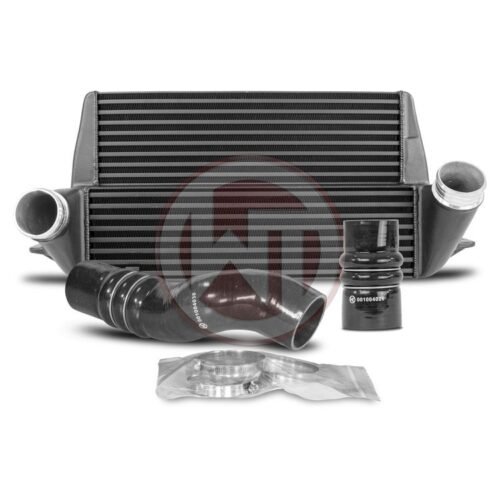
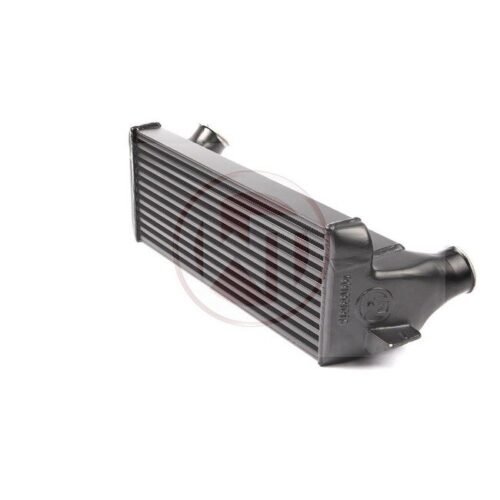
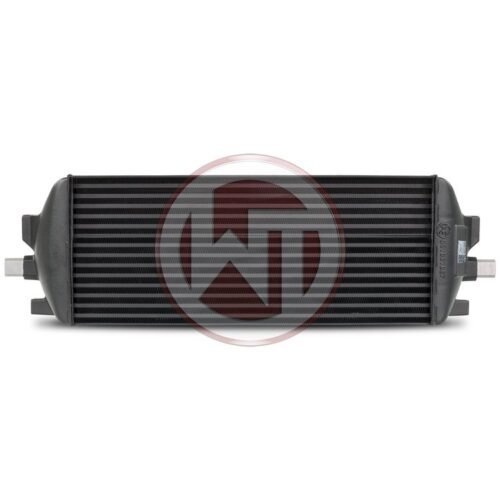
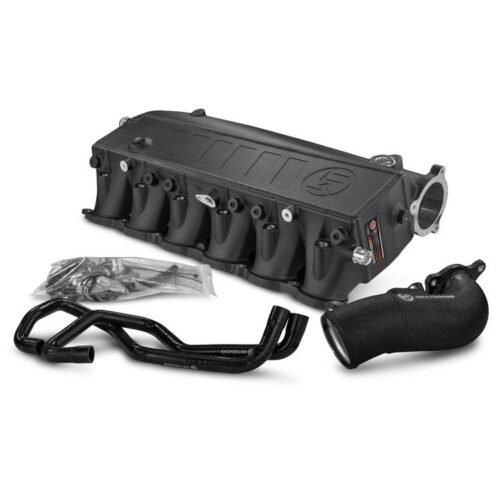
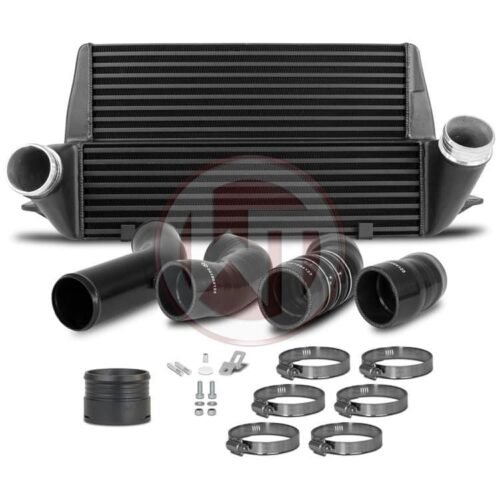
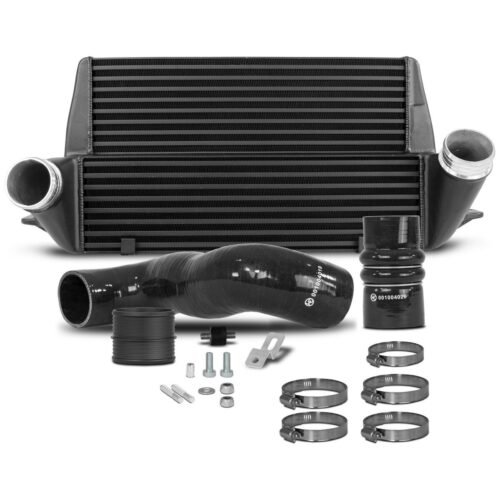
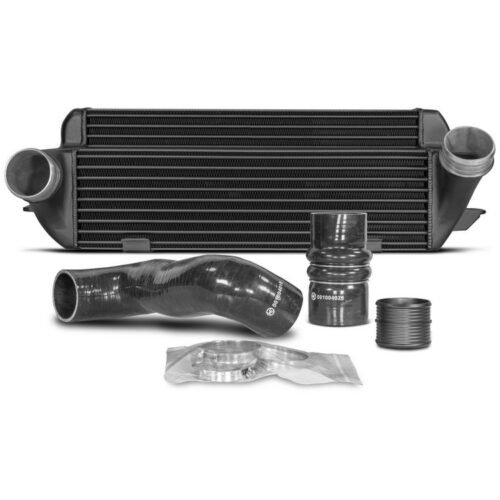
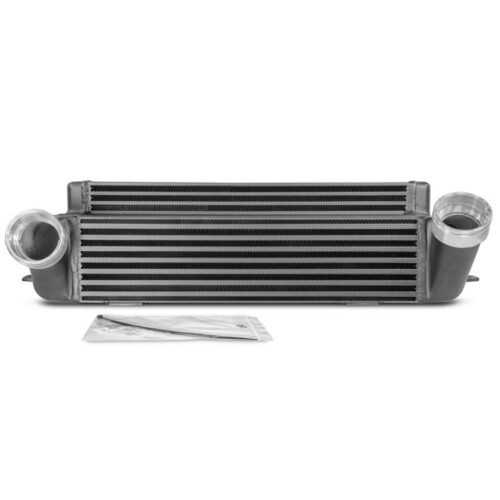
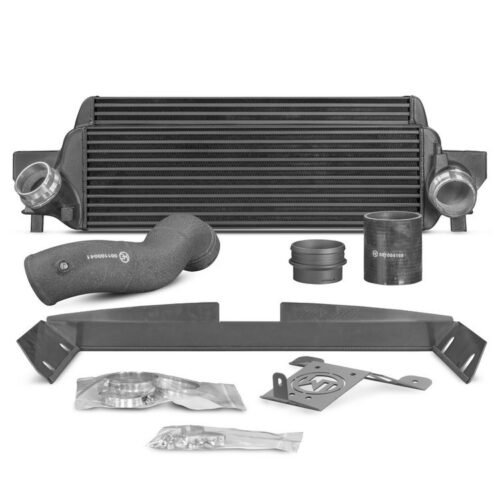
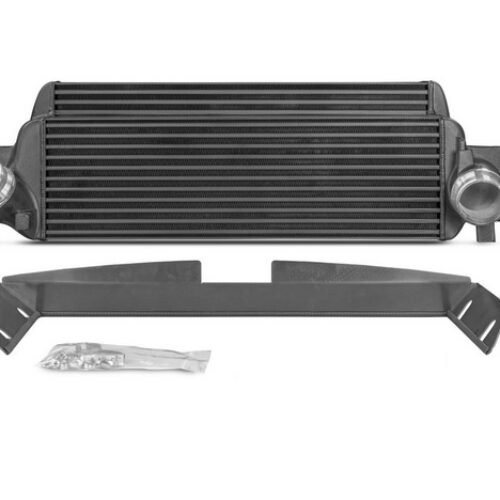
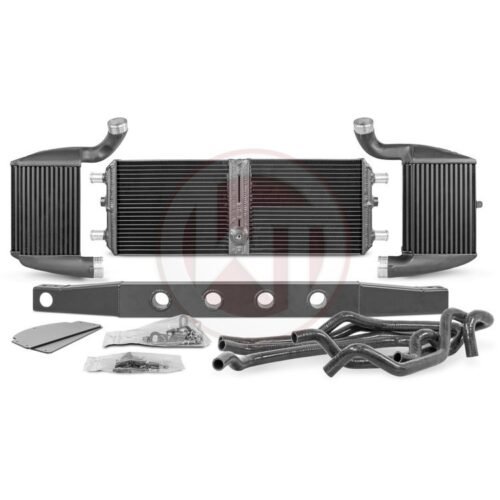
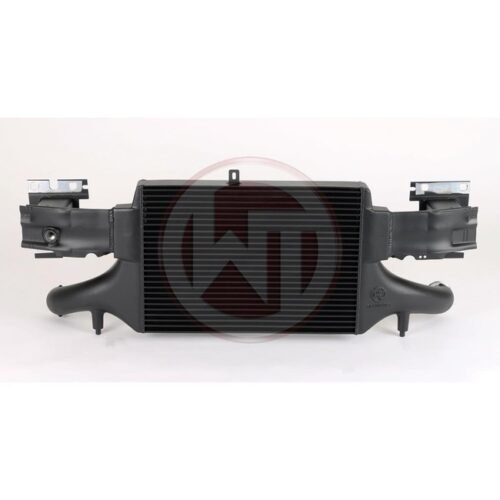
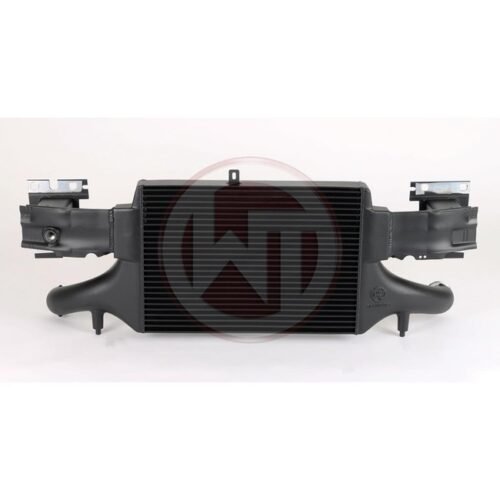
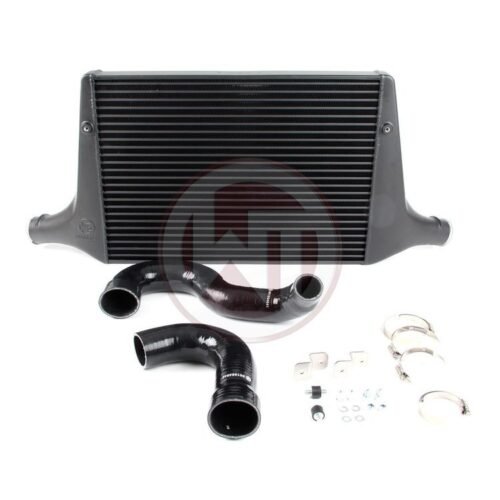
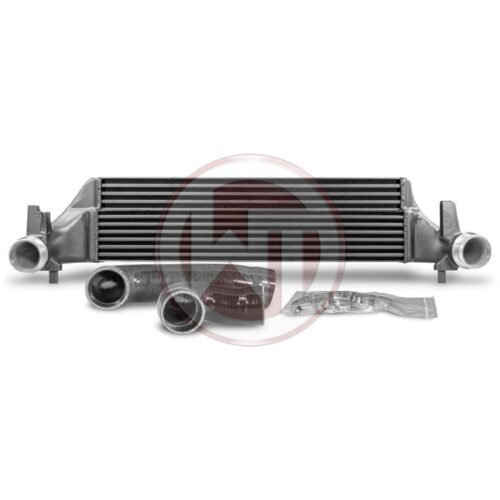
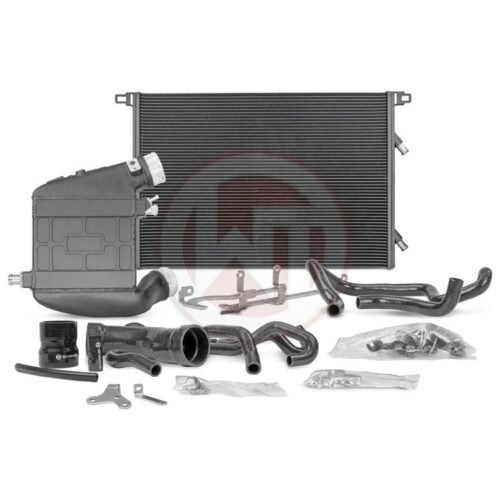
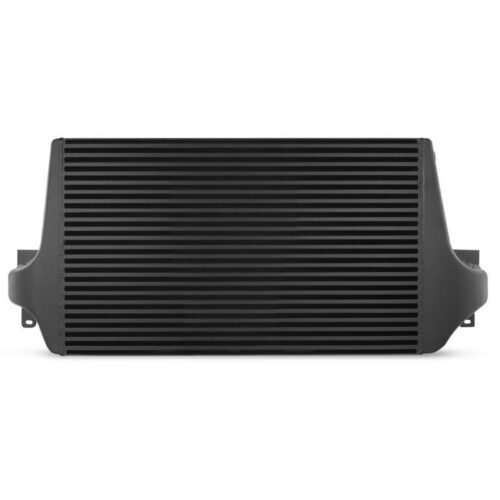
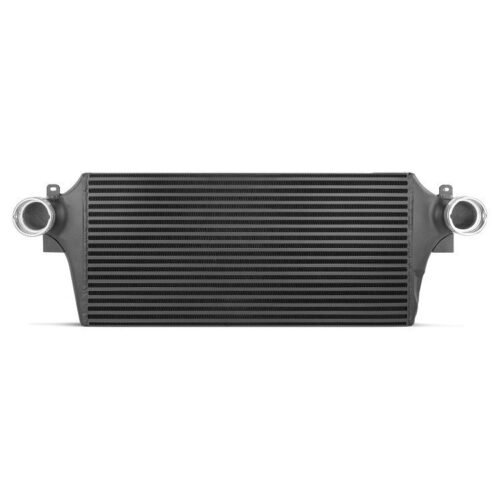
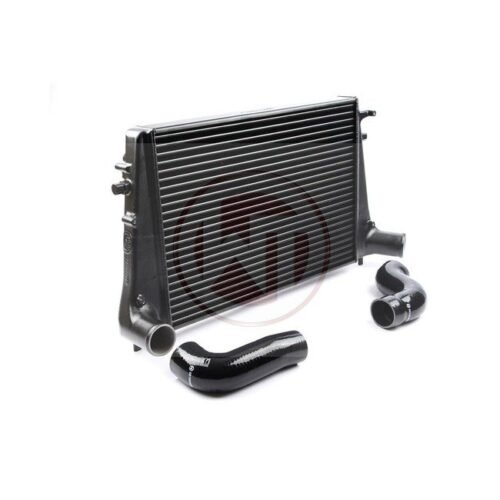
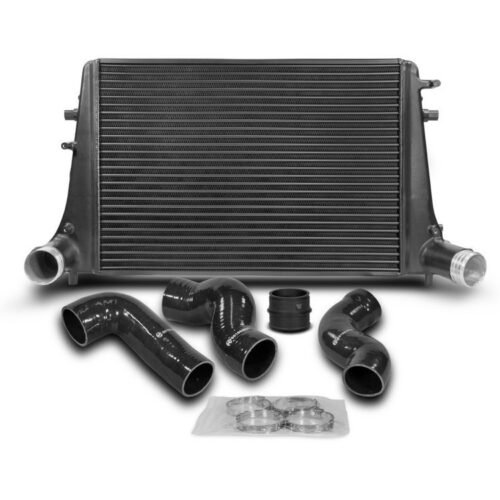
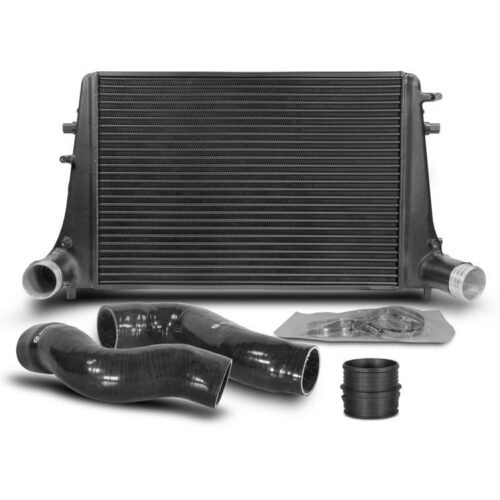
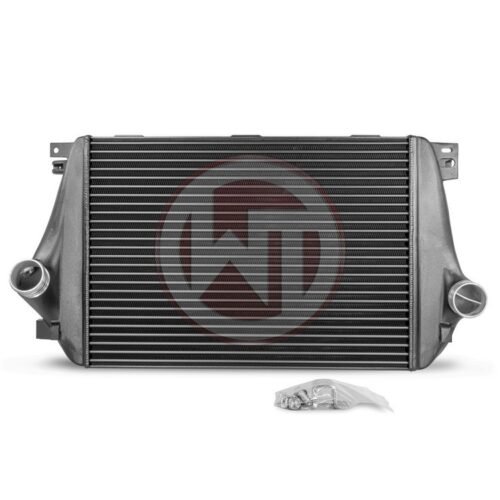
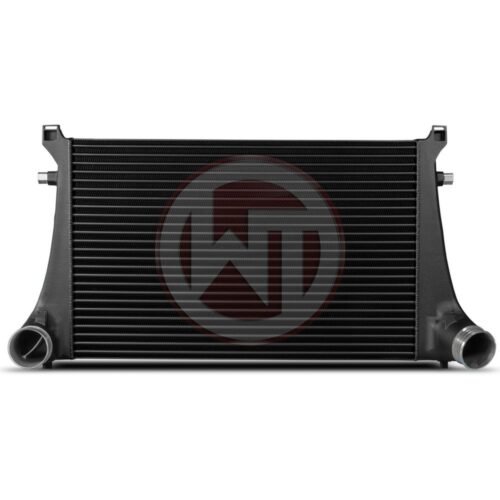
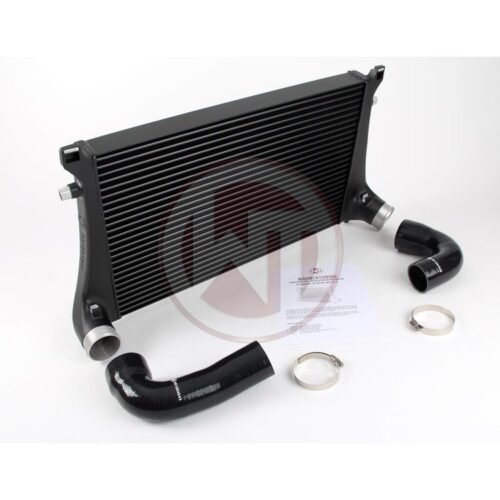
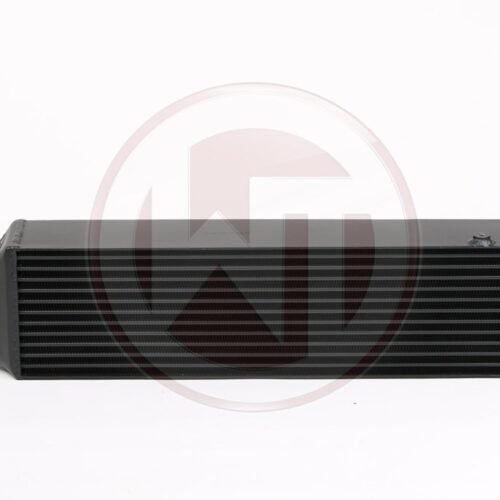
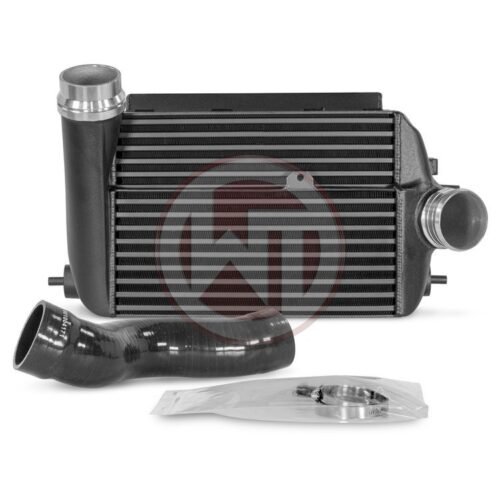
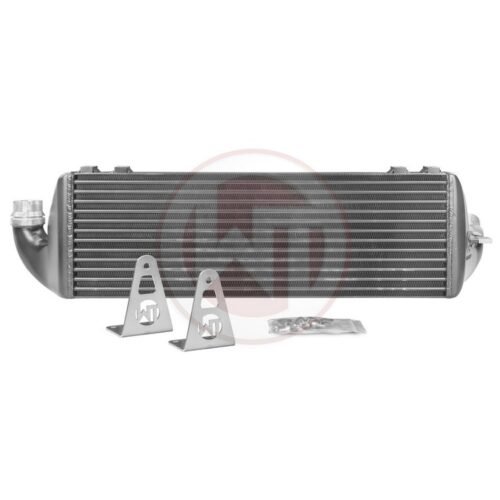
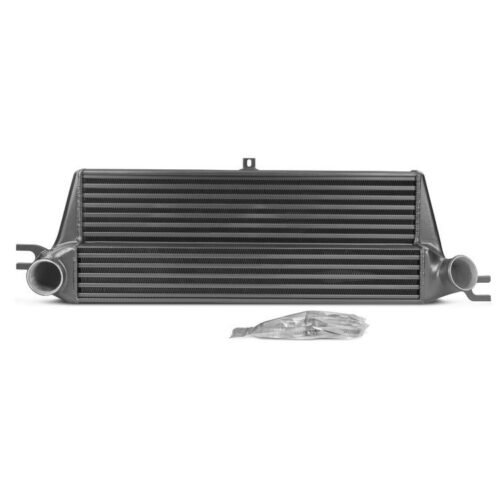
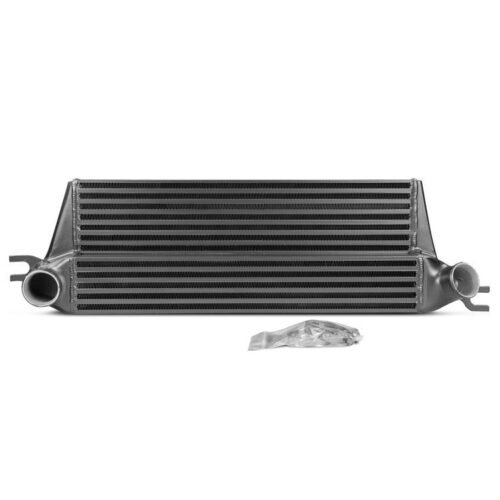
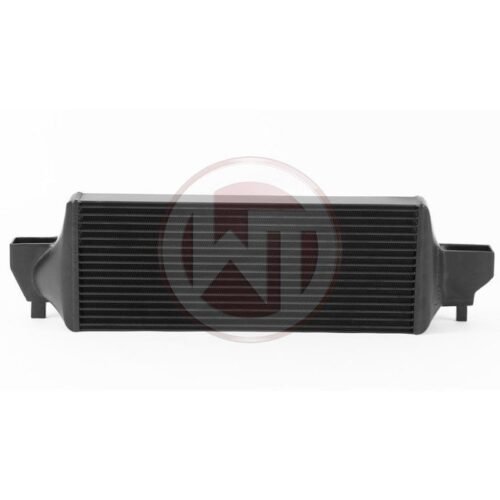
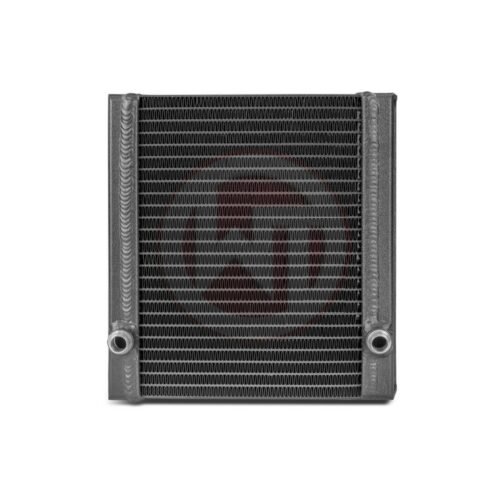
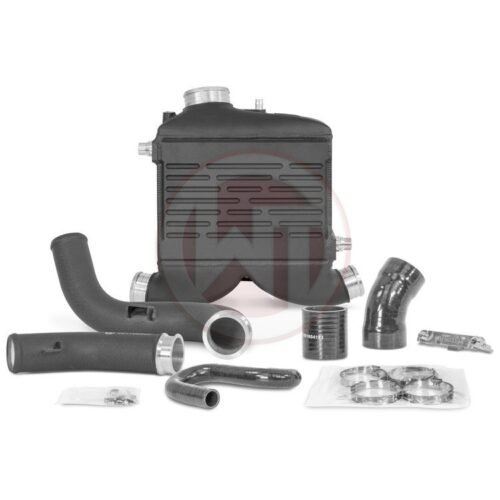
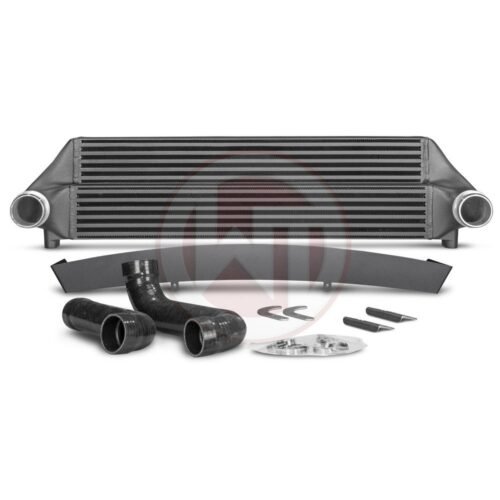
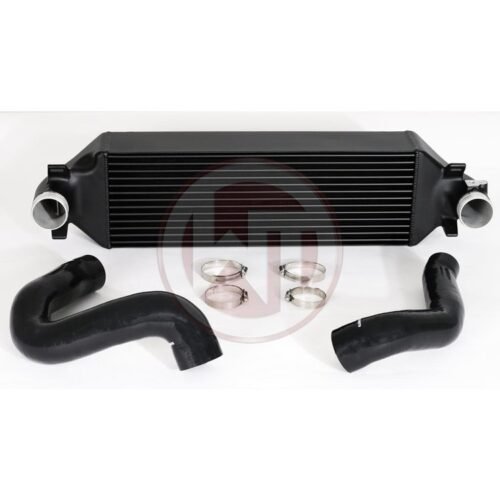
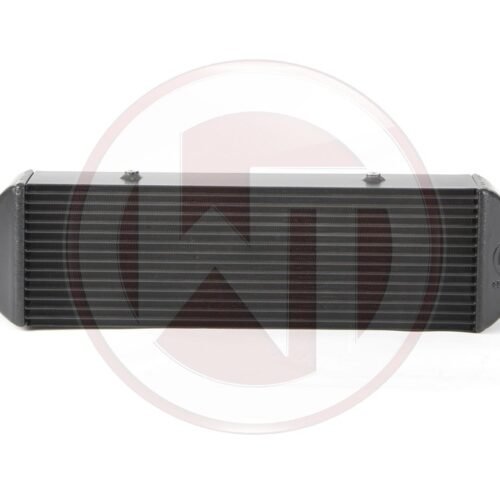
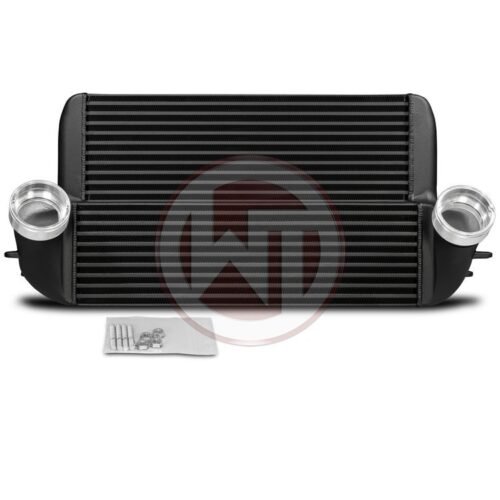
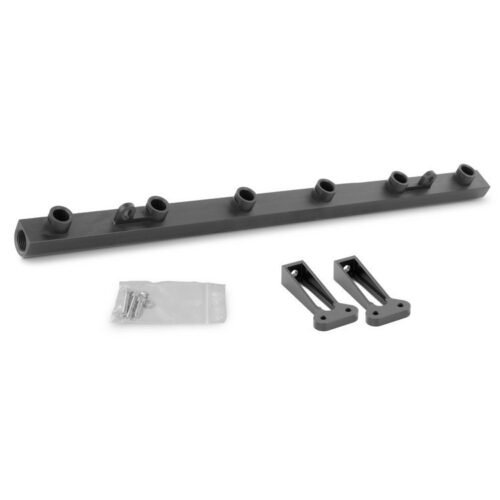
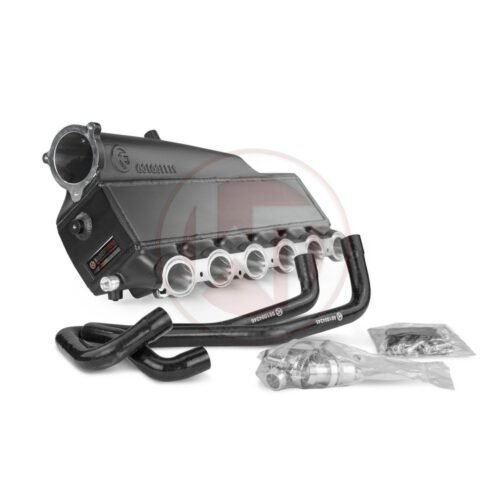
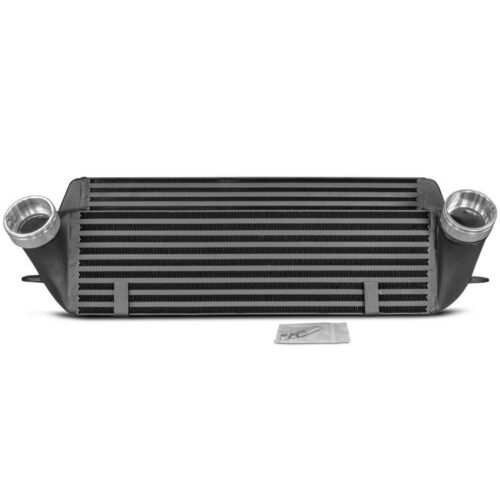
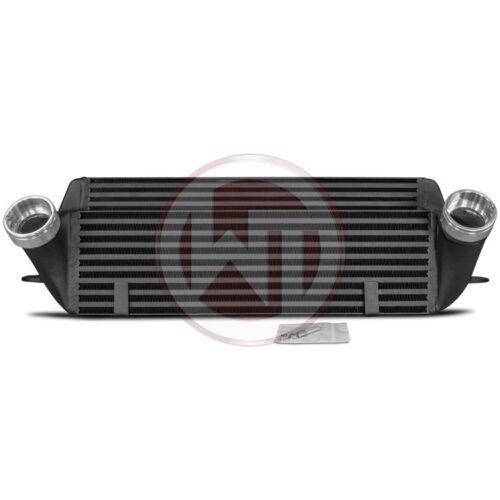
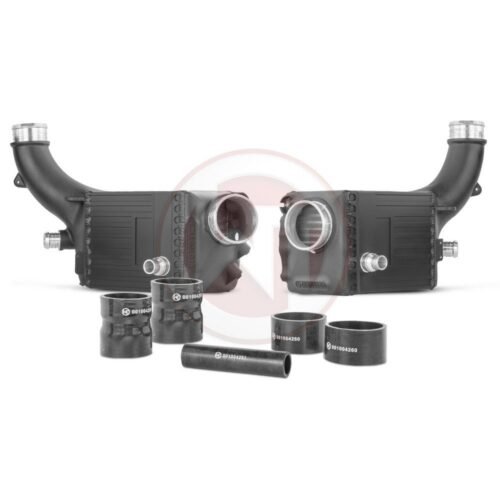
An intercooler cools the air that a turbocharger or supercharger has compressed, before it reaches the cylinders. Cooler charge air is denser and less prone to knock, so the engine can hold its boost and ignition timing. The range covers vehicle-specific and universal intercoolers, complete intercooler kits, performance packages that pair an intercooler upgrade with further parts for the same car, bare race cores and water-to-air heat exchangers. Charge pipes and intercooler pipe kits have their own page, Engine Cooling › Charge Pipes.
Inside the core the charge flows through finned passages, while outside air, or coolant in a water-to-air system, carries the heat away. Two figures describe the result: how much of the compressor’s temperature rise the core removes, and how much boost it loses on the way through.
A larger core usually improves both, but adds volume for the compressor to fill and weight ahead of the axle. Depth only pays with enough airflow, because air crossing a deep core warms up and the rear rows do less work. Heat soak is the other limit: in slow traffic the core warms through and passes that heat back to the charge.
Choose by layout and size.
- Vehicle-specific or universal: a vehicle-specific unit uses the factory mounts and connections. Universal cores are listed by core size and connection size, so measure the space in front of the radiator and the pipework you will join.
- Stages: for some cars the cooler comes in several stages, the higher ones meant for engines tuned well beyond standard output.
- Performance packages: made for one car and engine, in more than one level. They combine the intercooler with parts such as a downpipe with a sport catalyst or extra coolers, so read what each level includes before ordering.
- Core depth: a deeper core adds capacity where the airflow allows it.
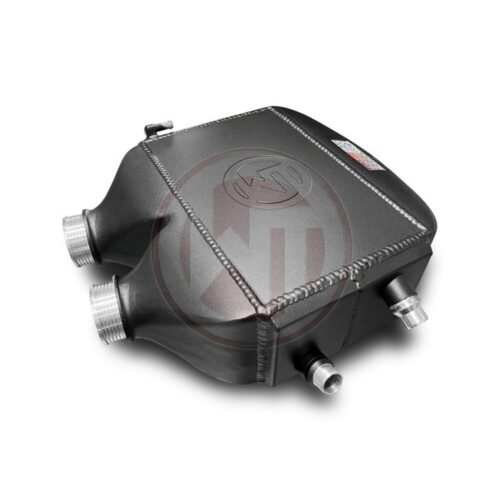
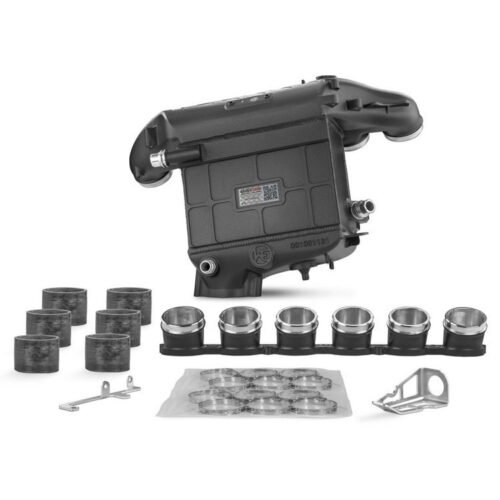
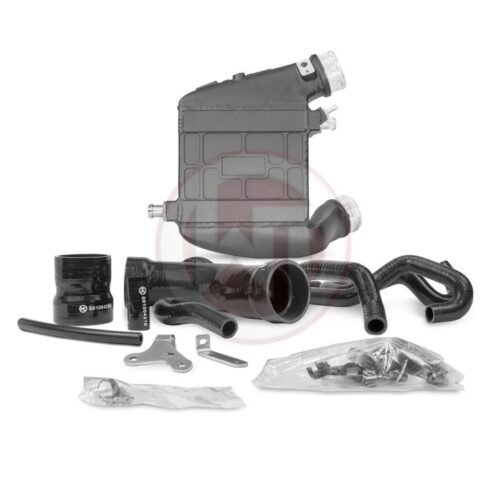
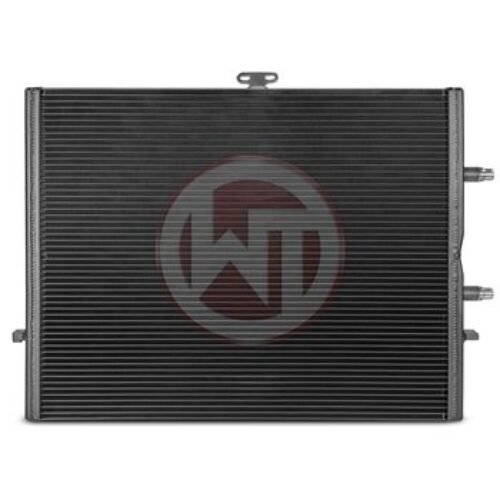
- Water-to-air: a charge cooler keeps the intake path short, and its front heat exchanger and pump set the capacity. Heat exchanger kits serve this layout, some with an integrated brushless fan.
Before connecting a new core, clean the old pipework: oil mist from the crankcase breather collects there, and a failed turbo can leave fragments behind. A thin oil film is normal, but standing oil points to worn turbo seals or high crankcase pressure. After fitting, pressure-test the charge system, because a leak costs boost and upsets fuelling where air is metered before the turbo.
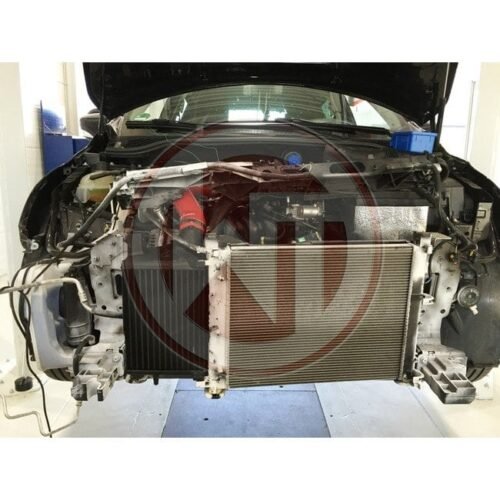
Duct the opening to the core face so incoming air cannot spill around the edges. A front-mounted intercooler also warms the air reaching the radiator, so watch coolant temperature after an upgrade. At each service, check for bent fins, cracked end-tank welds, worn mounting rubbers and loose clamps.

Store Information
TrackTool Factory
Sluispolderweg 7A
1505 HJ Zaandam
The Netherlands
Chamber of Commerce (KVK): 97296902
VAT: NL867990375B01