
Top brands in Coolant Hoses



Showing 1–48 of 138 resultsSorted by latest
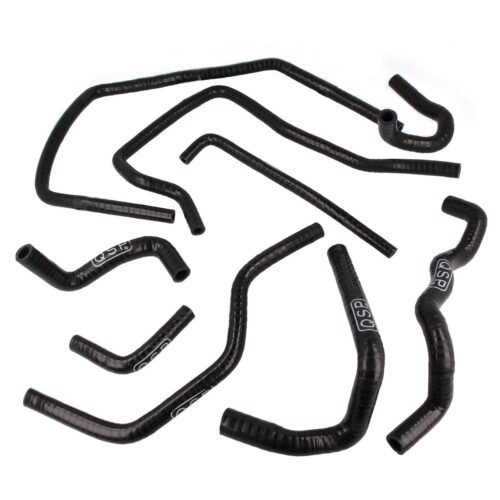
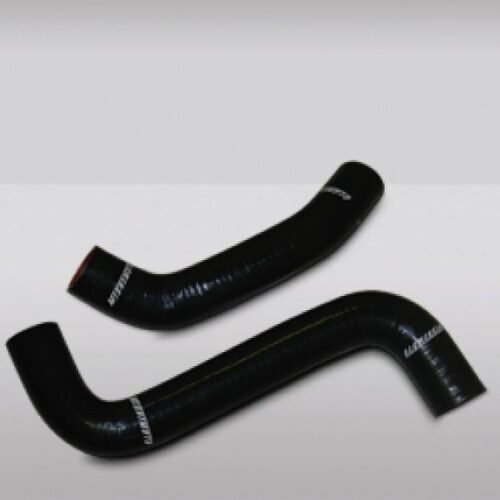
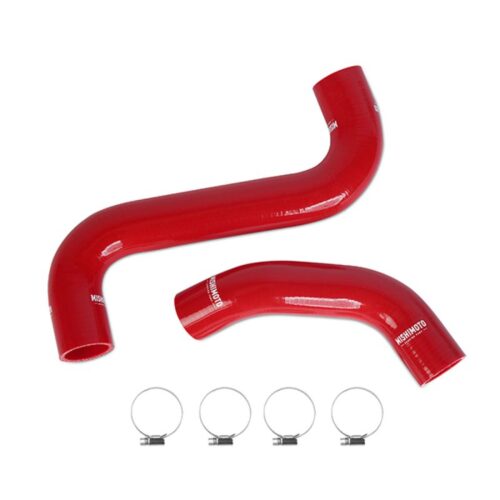

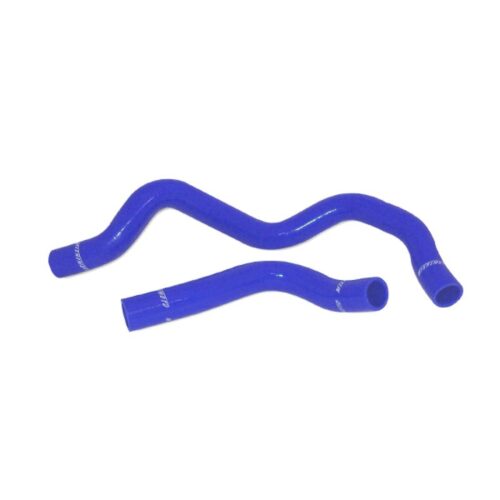
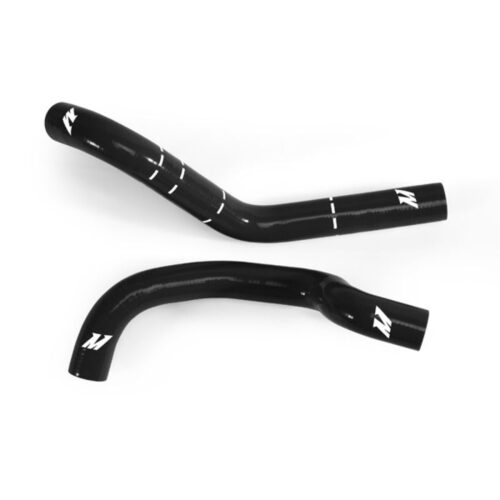
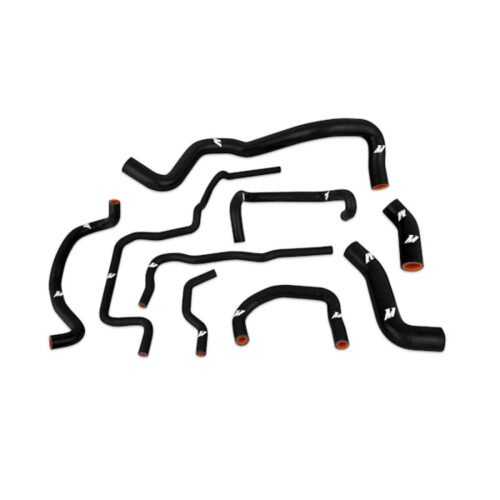

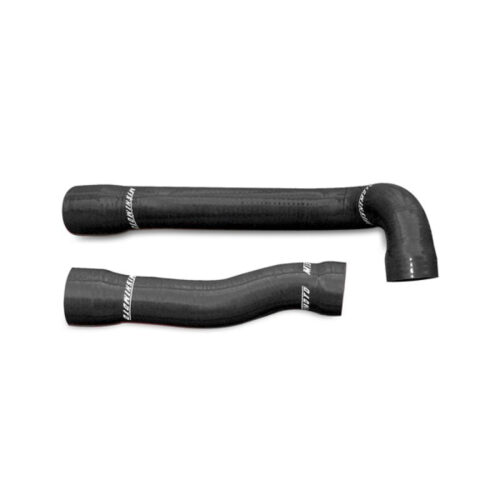
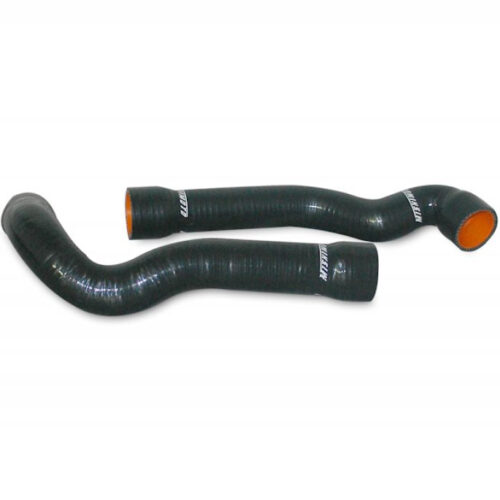
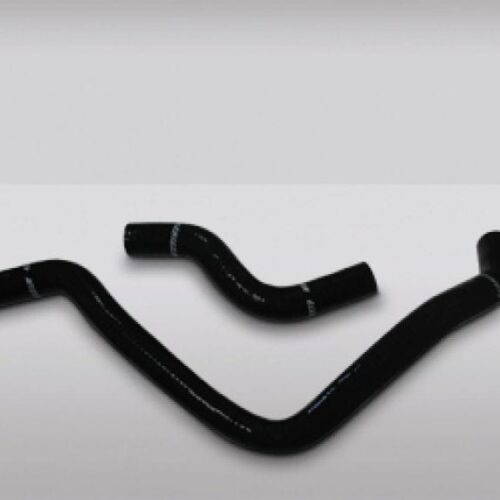
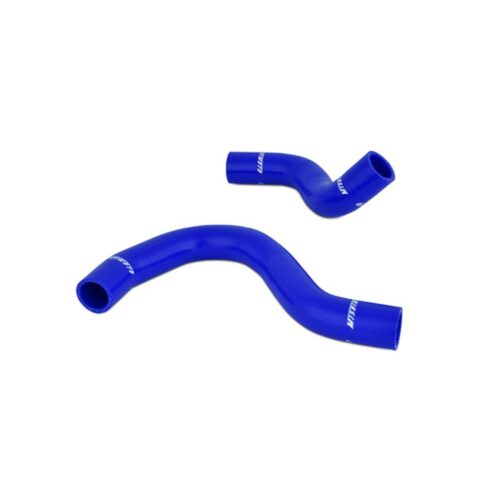


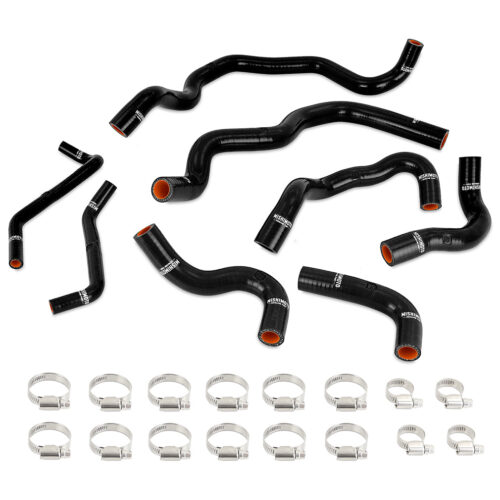
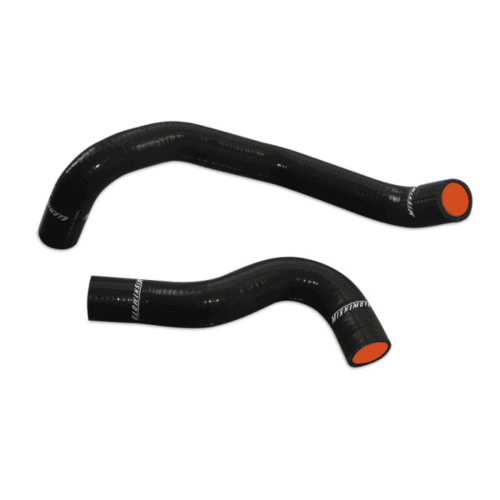
Nissan 350Z 07-09 Silicone Hose Kit Red – MMHOSE-Z33-HRRD
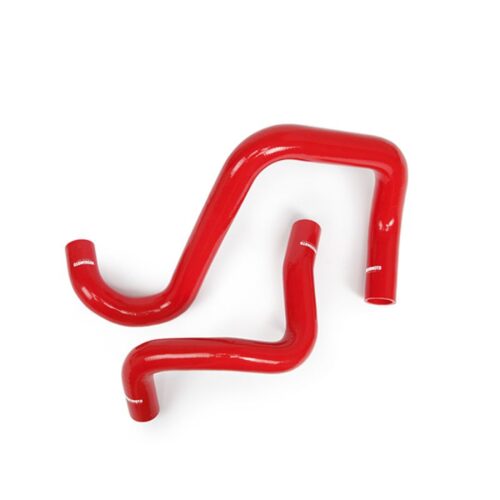
Jeep Wrangler 12+ 3.6L Radiator Hose Kit Red – MMHOSE-WR6-12RD
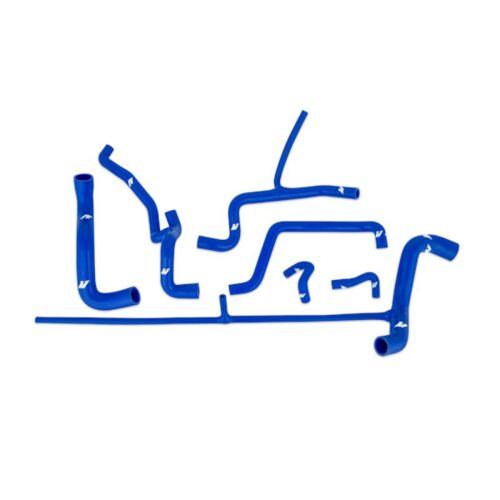
Volkswagen Corrado 92-94 VR6 Hose Kit Blue – MMHOSE-VR6-92BL
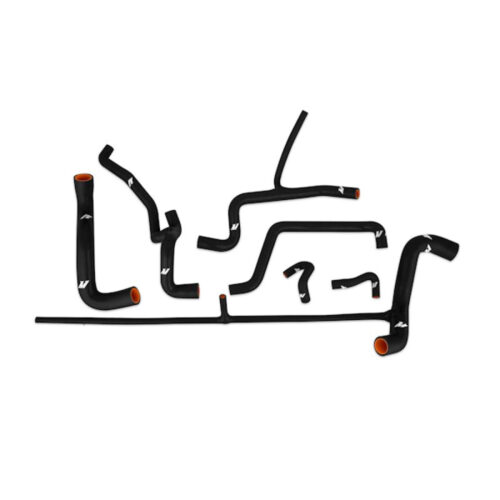
Volkswagen Corrado 92-94 VR6 Hose Kit Black – MMHOSE-VR6-92BK
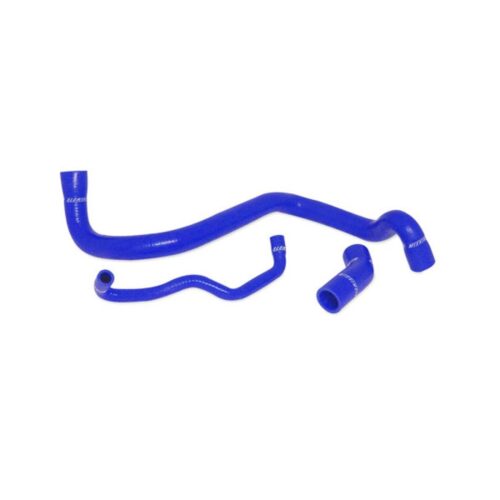
Audi TT 99-06 1.8T Silicone Hose Kit BLue – MMHOSE-TT-99BL

Mini Cooper S 01-08 R52/R53 Radiator Hoses Red – MMHOSE-TINY-01RD
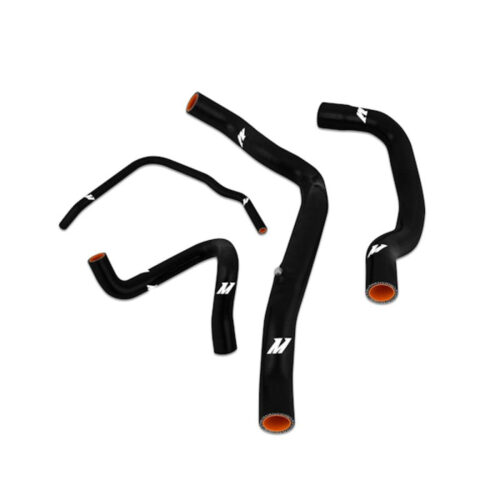
Mini Cooper S 01-08 R52/R53 Radiator Hoses Black – MMHOSE-TINY-01BK
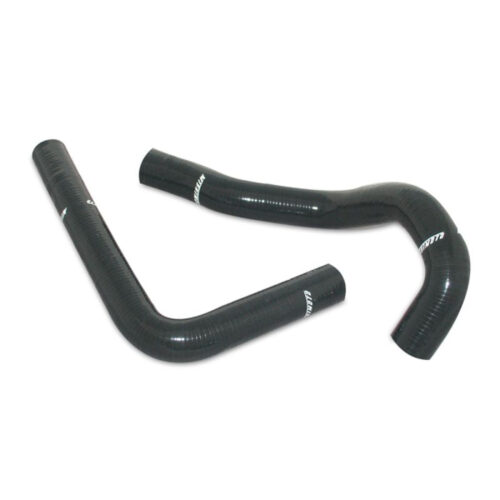
Toyota Supra 96-02 Turbo Radiator Hose Kit Black – MMHOSE-SUP-93BK
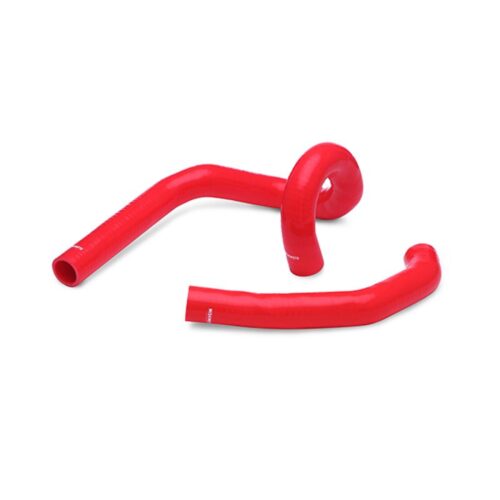
Toyota Supra 86-93 Silicone Radiator Hose Kit Red – MMHOSE-SUP-86RD
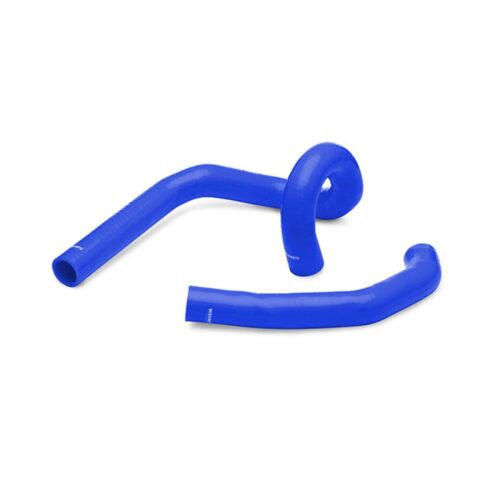
Toyota Supra 86-93 Silicone Radiator Hose Kit Blue – MMHOSE-SUP-86BL
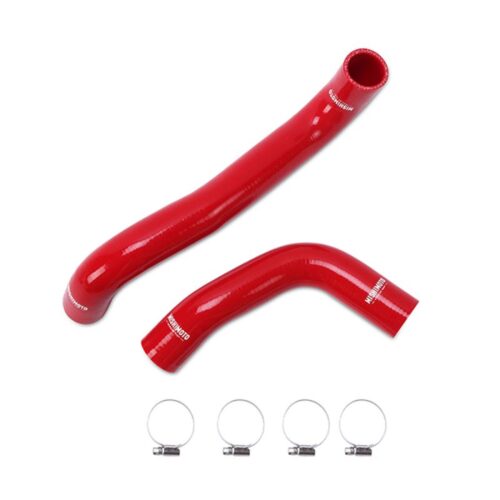
Subaru Impreza 08+ WRX/STI Silicone Hose Kit Red – MMHOSE-STI-08RD
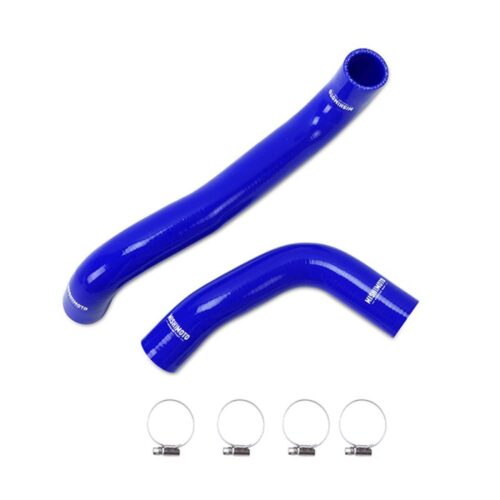
Subaru Impreza 08+ WRX/STI Silicone Hose Kit Blue – MMHOSE-STI-08BL
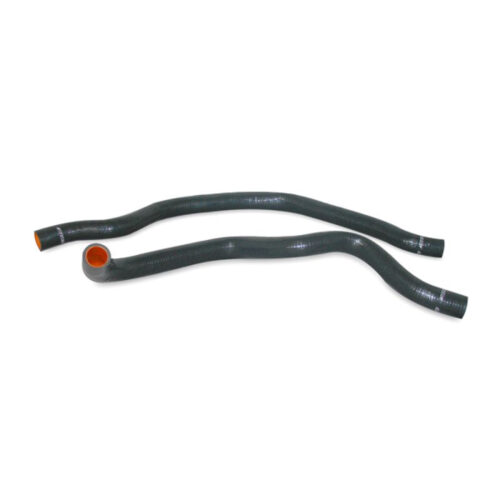
Honda S2000 99-09 Silicone Radiator Hose Kit Black – MMHOSE-S2K-00BK
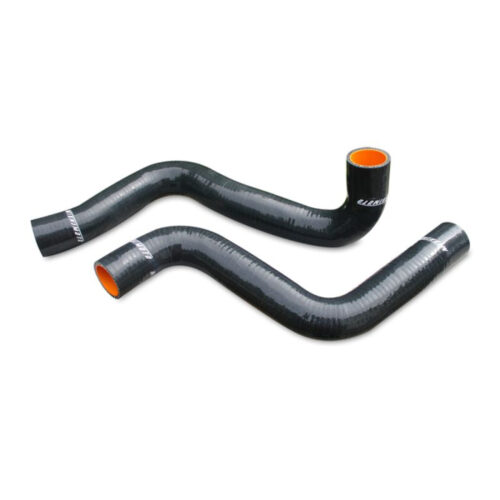
Mazda RX8 04-11 Silicone Radiator Hose Kit Black – MMHOSE-RX8-03BK
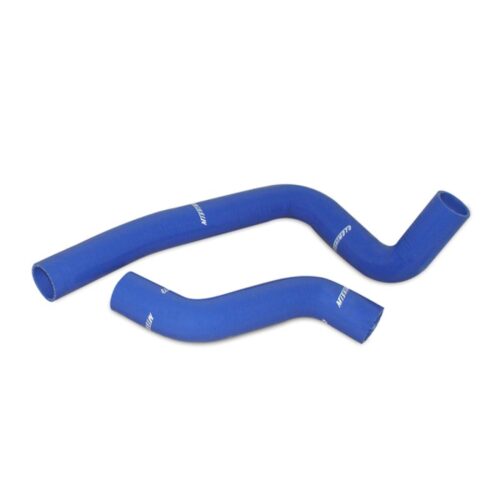
Mazda RX7 FD3S 92-02 Radiator Hose Kit Blue – MMHOSE-RX7-93BL
Coolant Hoses guide
Coolant hoses link engine, radiator, heater and expansion tank, and they flex every time the engine moves on its mounts. A silicone hose kit replaces the factory rubber hoses with reinforced silicone, which resists heat ageing far longer. Listed here are vehicle-specific radiator hose kits and more complete coolant hose kits.
Rubber hoses age from the inside: heat and coolant chemistry harden the inner layer until it cracks, often out of sight under a clamp. In a silicone hose, fabric reinforcement inside the wall carries the pressure, while the silicone stays flexible through years of heat cycles. Silicone swells and weakens in contact with oil and fuel, though, so it belongs on coolant and air lines only.
The lower radiator hose feeds the water pump inlet, the point of lowest pressure in the system. At high revs a weak hose there can be sucked flat and starve the pump, so wall strength matters on that side as much as on the pressure side.
The titles show what each kit covers.
- Radiator hoses or more: radiator hose kits replace the main upper and lower hoses. Broader silicone kits add smaller coolant hoses, so more of the ageing rubber goes in one job.
- Engine swaps: swap kits route coolant between a different engine and the radiator position of the original car.
- Colour: blue, black and red, plus matte black. The colour has no effect on function.
- Induction hoses: some kits serve the intake side rather than the coolant, so read the title before ordering.
Use clamps made for silicone: smooth-band or constant-tension clamps spread the load, while a perforated worm-drive band can cut into the soft surface. Seat each hose fully, place the clamp just behind the bead on the pipe, and re-check the tension after the first few heat cycles, as silicone settles under the clamp.
Refill with coolant mixed to the engine maker’s specification, open any bleed screws, and run the engine with the heater on full until the thermostat opens. Squeeze the upper hose to push out trapped air, then top up once the engine has cooled. At each service, look for swelling, soft spots near the ends and weeping at the clamps.

Store Information
TrackTool Factory
Sluispolderweg 7A
1505 HJ Zaandam
The Netherlands
Chamber of Commerce (KVK): 97296902
VAT: NL867990375B01