
Top brands in 19"



Showing 1–48 of 327 resultsSorted by latest

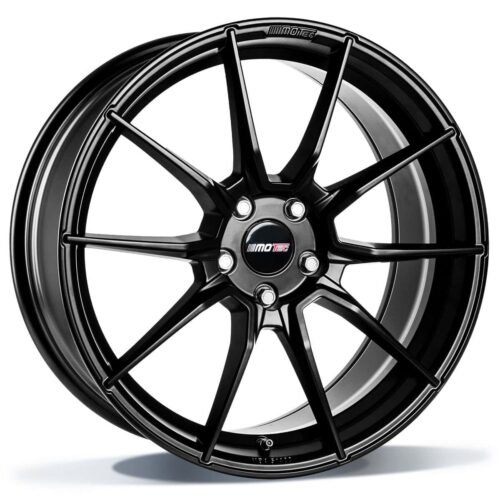
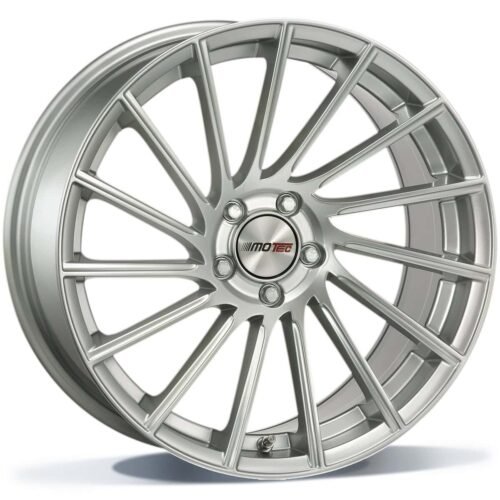
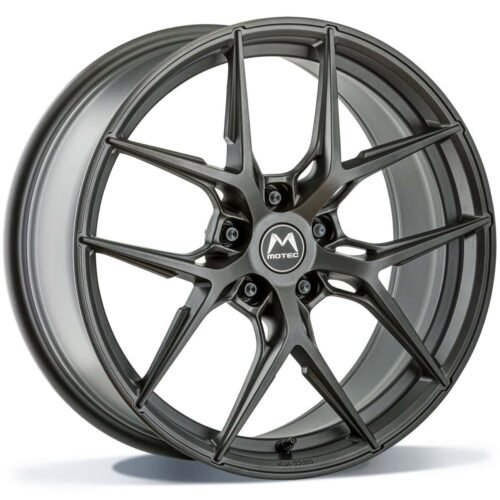


19" guide
19-inch wheels are standard on many current performance cars, with room for large brakes behind a low-profile tyre. Five-stud wheels from 8 J to 12 J wide are listed, with recorded centre bores of 66.5 to 82 mm and load ratings mostly between 600 and 795 kg.
With a 19-inch rim the tyre sidewall is short and flexes little. Steering responds quickly and the car feels precise, but the ride is firmer and the rim edge sits closer to potholes and kerbs. The large barrel clears big discs and multi-piston calipers, though the spoke shape decides the final clearance.
Mass matters more as diameter grows. Rotational inertia rises with the square of the radius, so mass at the rim costs more in acceleration and braking than the same mass near the hub. Listed weights mostly sit between about 8.3 and 13.6 kg, a gap worth weighing against looks.
Specifications to compare:
- Bolt pattern: five-stud only: 5×100, 5×10⁸, 5×110, 5×112, 5×114.3, 5×115, 5×120 and 5×130.
- Width: 8 to 12 J, with 8.5 J the most common; the wider rims suit staggered rear axles.
- Offset: mostly ET 20 to ET 48, with some lower, such as ET 15.
- Centre bore: where listed, 66.5, 66.6, 70, 71.6, 72.6 or 82 mm. The bore or ring must fit the hub without play, so compare it to a tenth of a millimetre.
- Load rating: ratings differ between designs, so check each wheel’s figure against your car’s axle load before choosing.
- Construction and finish: a forged version is listed, with finishes from satin black and satin titanium to graphite diamond-cut, bronze, steel grey and a polished front.
Low-profile tyres need care on the machine, so have them fitted by someone used to them, with the bead lubricated so it seats without stress. Check pressures often, as a short sidewall shows little bulge when a tyre is low. If the car uses direct tyre pressure sensors, move them across or fit new ones, and keep any approval paperwork your country requires with the car.

Store Information
TrackTool Factory
Sluispolderweg 7A
1505 HJ Zaandam
The Netherlands
KvK 97296902
BTW NL867990375B01
