Top brands in 15"








15" guide
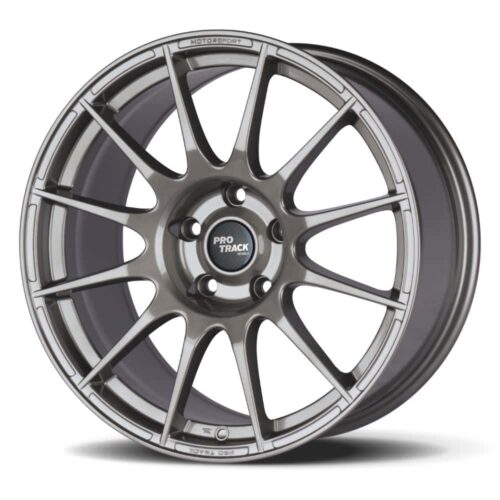
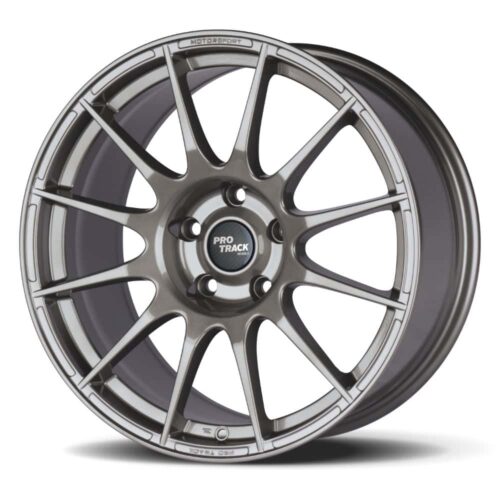
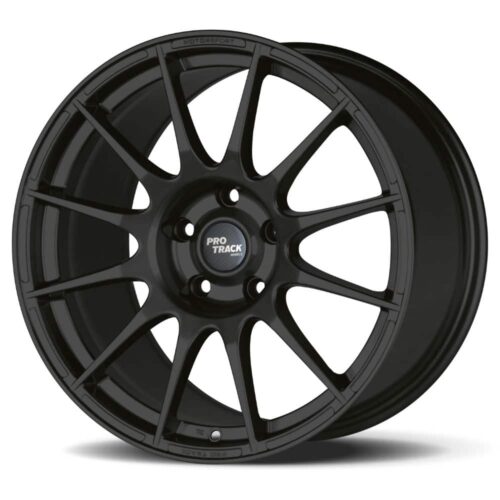
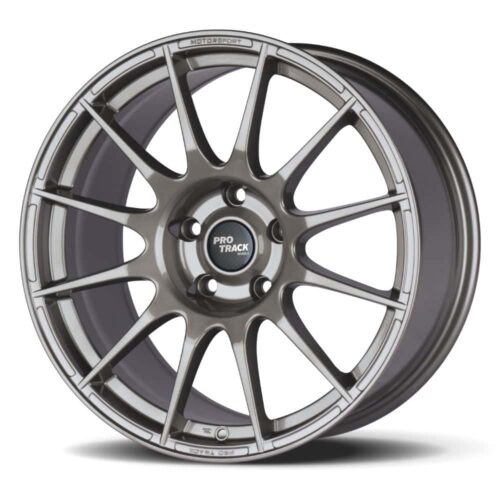
15-inch wheels are a classic size for light cars, historic and club racing and gravel rallying, where a tall tyre sidewall and low wheel weight count. This section holds 15-inch wheels of 6.4 to 6.7 kg in 7, 8 and 9 J widths, with four- and five-stud patterns.
Rim diameter decides how much of the wheel’s height is tyre. On a 15-inch rim the sidewall is tall, so it soaks up bumps, gravel and kerb strikes and gives a progressive feel at the limit. The trade-off is slower steering response, as the sidewall flexes before the contact patch follows the wheel.
Low weight is the other advantage. A light wheel cuts unsprung mass, helping the damper keep the tyre in contact on a broken surface, and lowers the inertia the engine and brakes must overcome. The limit is brake space: a 15-inch barrel leaves room for modest discs and calipers only, so check any uprated brake kit first.
Choose in this order:
- Bolt pattern: 4×100, 4×10⁸ or 5×120, the stud count and the diameter in millimetres of the circle they sit on. The pattern must match the hub exactly.
- Width: 7 J, 8 J or 9 J, the figure being the rim width in inches between the flanges. Each tyre size has an approved rim width range, so check it before choosing a wide rim.
- Offset: ET 15 to ET 35. ET is the distance in millimetres from the rim’s centreline to the mounting face, and a lower figure places the wheel further out.
- Load rating: 400, 475 or 525 kg per wheel. Two wheels share each axle, so the rating must reach at least half the maximum axle load; these figures suit light cars.
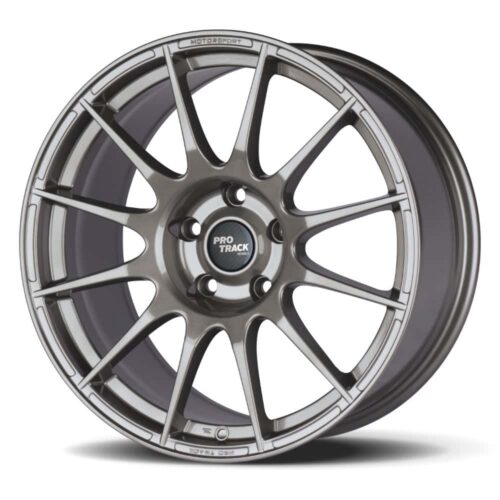
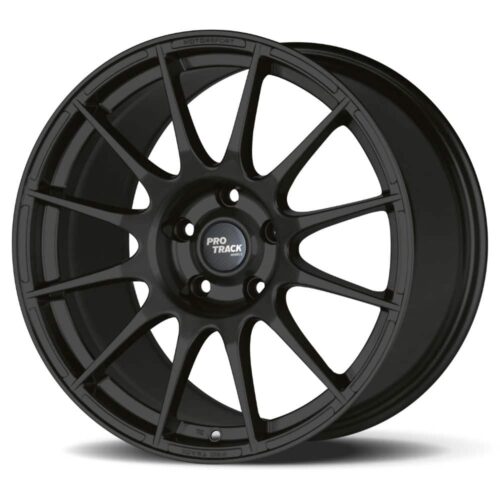
- Finish: gloss anthracite or matt black.
Check the wheel’s centre bore against the hub spigot, and fit a centring ring if the bore is larger, so the wheel is hub-centric. Use bolts or nuts with the seat type the wheel needs and a length that suits its mounting face. On gravel and kerbs, check the rims for dents and cracks after each event, and check the fastener torque between sessions.

Store Information
TrackTool Factory
Sluispolderweg 7A
1505 HJ Zaandam
The Netherlands
Chamber of Commerce (KVK): 97296902
VAT: NL867990375B01