
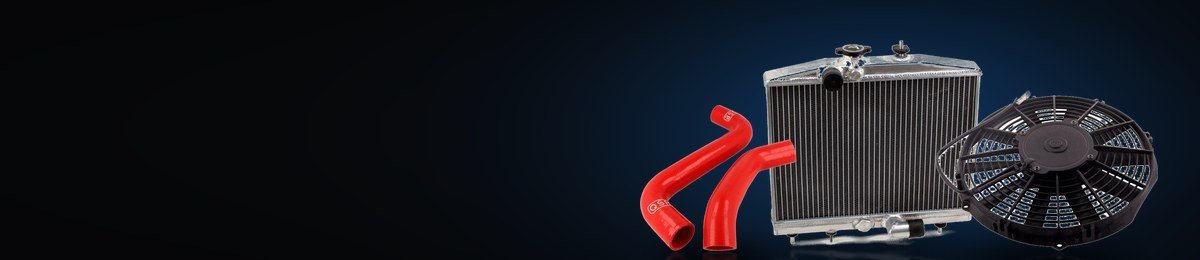
Radiators · Intercoolers · Oil coolers · Fans
Engine Cooling
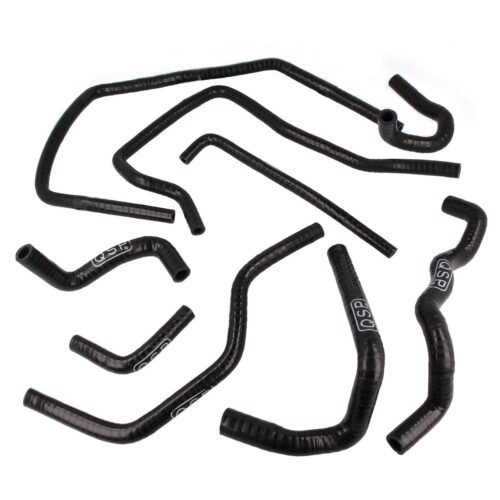
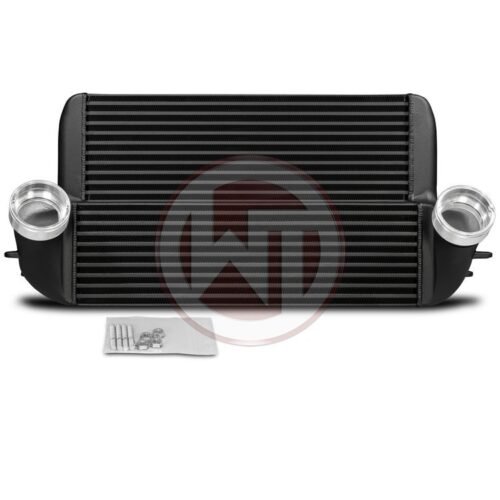
Radiators, intercoolers, oil coolers, electric fans, coolant hoses and thermostats. Choose your car to see what fits, from Mishimoto, Wagner Tuning, SPAL and QSP.
- 1,128 products
- 14 subcategories
- 10 brands
- Ships from EU stock
- Engine Cooling guide
Engine Cooling categories
Top brands in Engine Cooling








Showing 1–48 of 1128 resultsSorted by latest
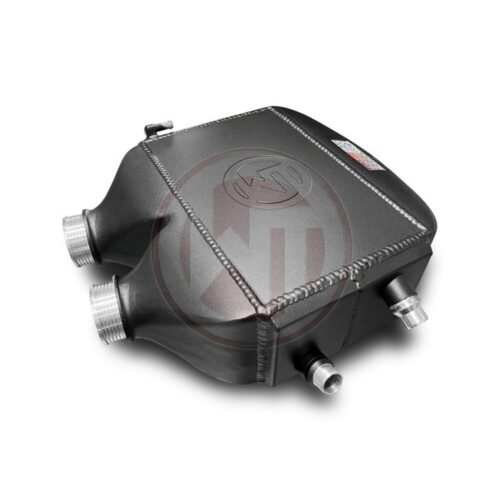
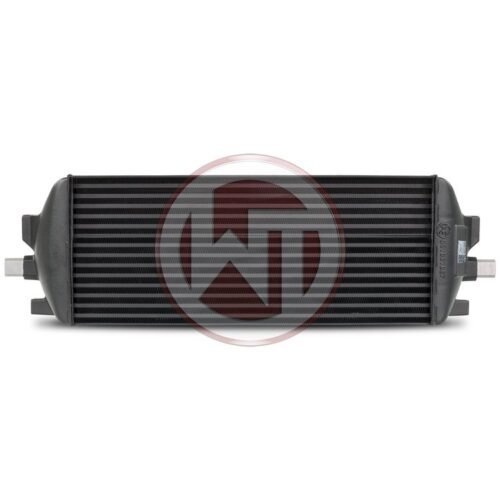
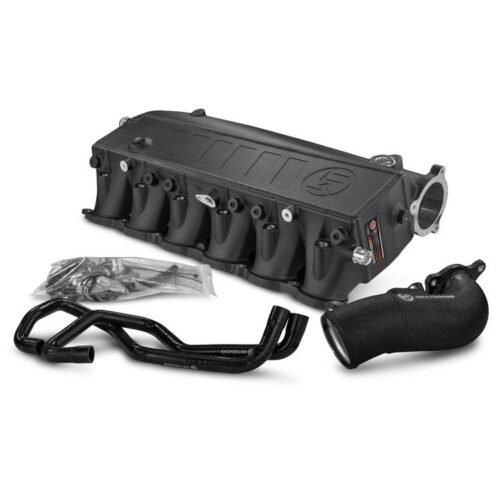
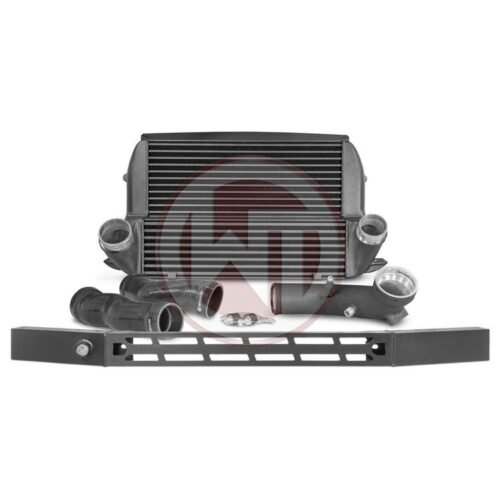
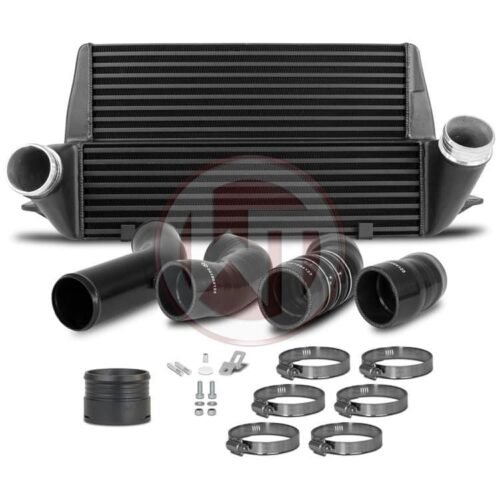
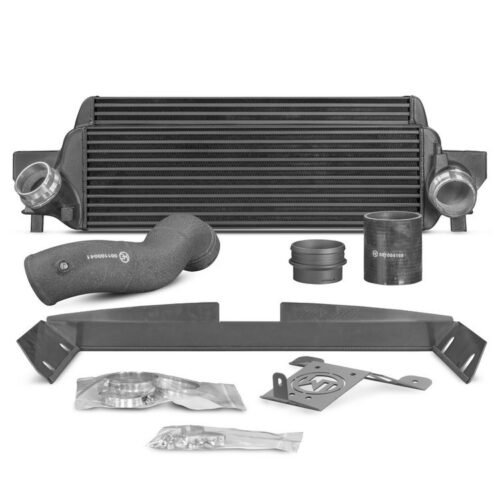
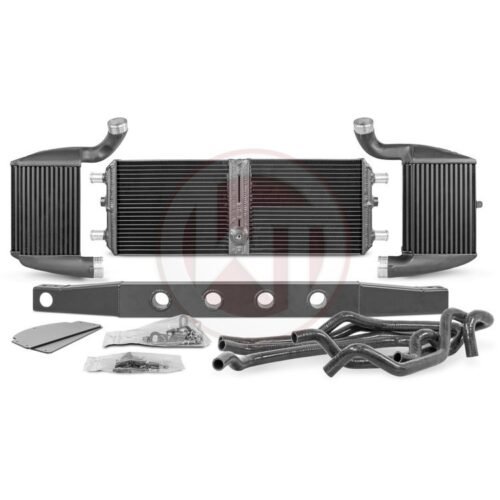
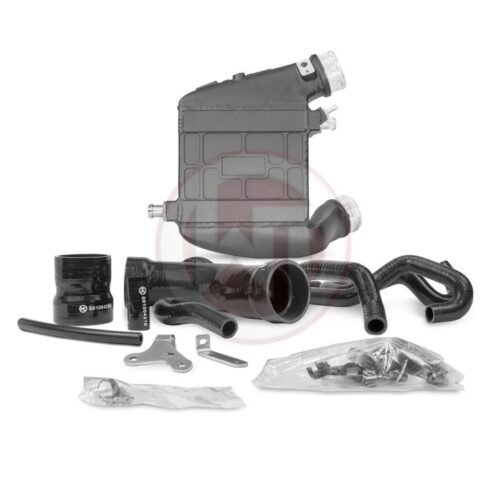
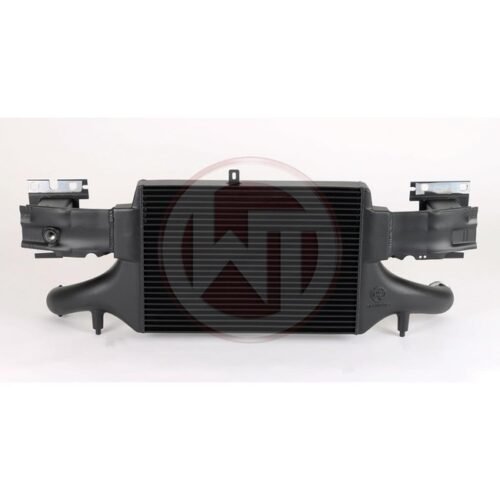
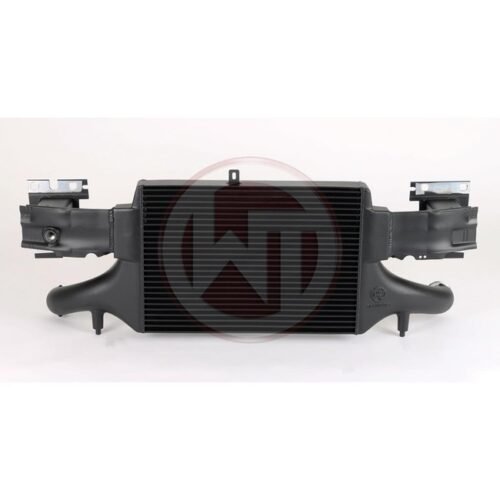
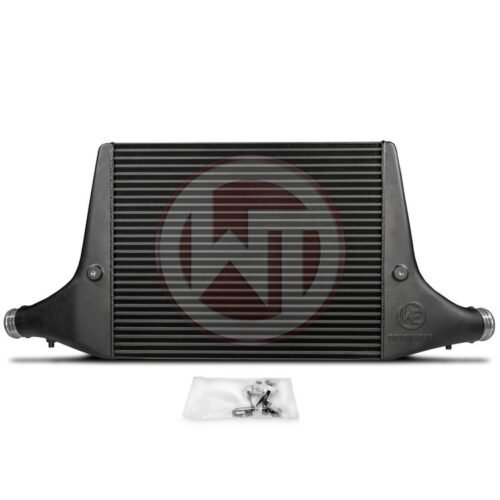
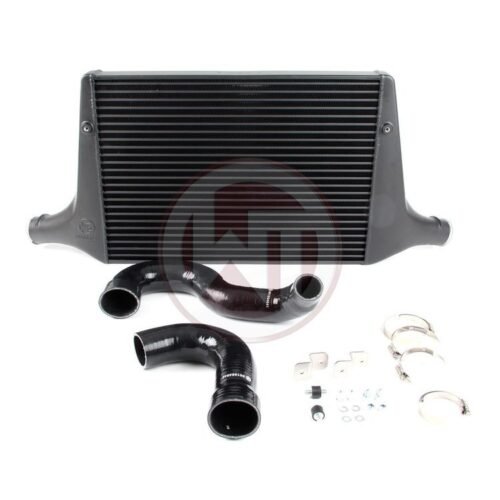
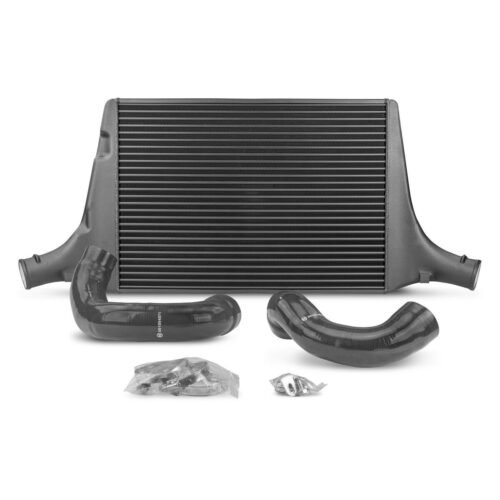
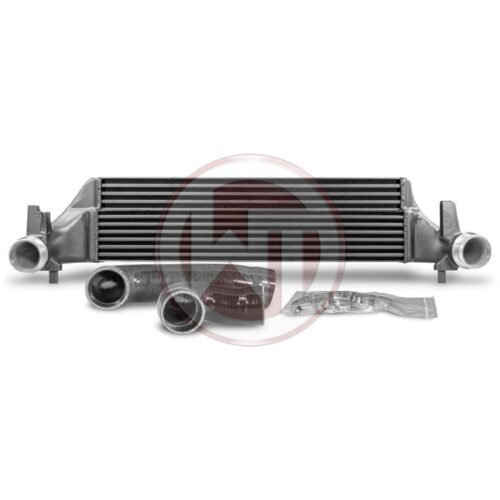
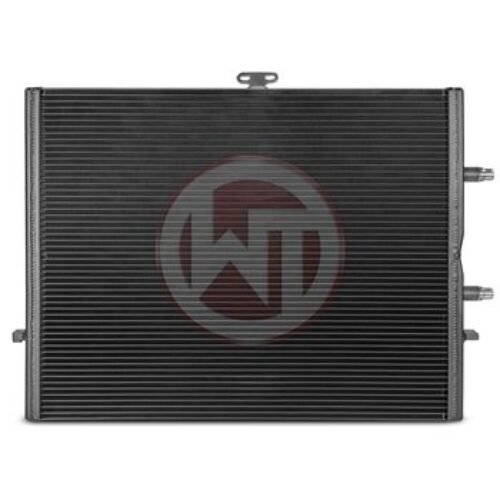
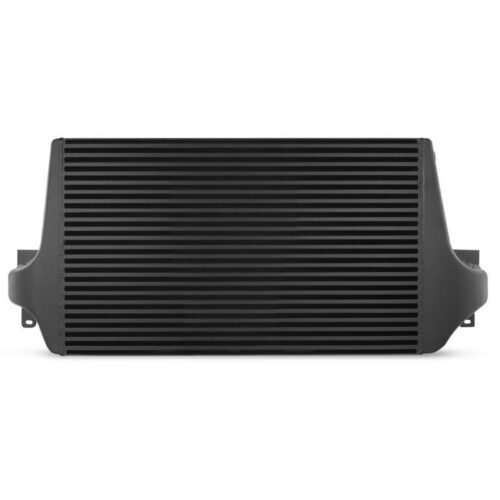
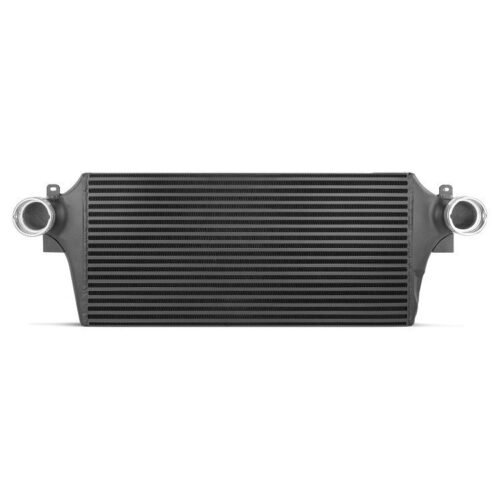
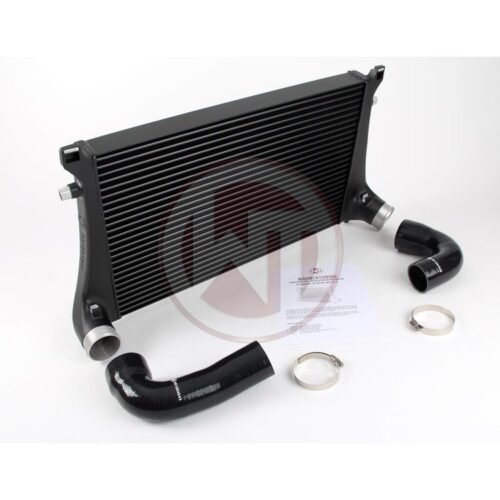
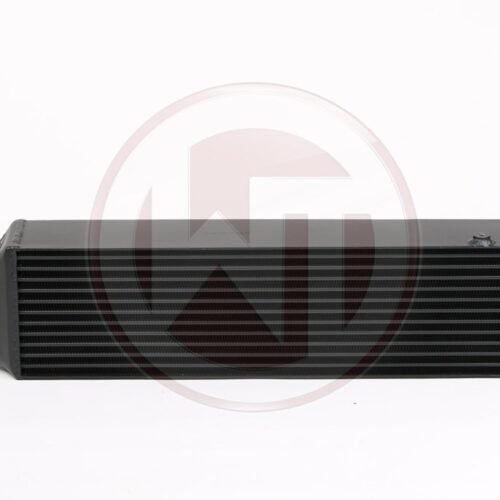
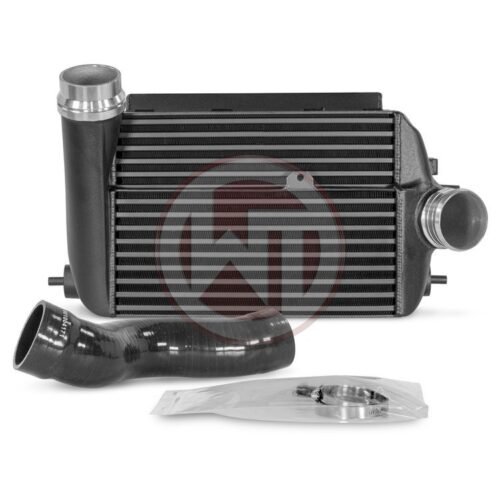
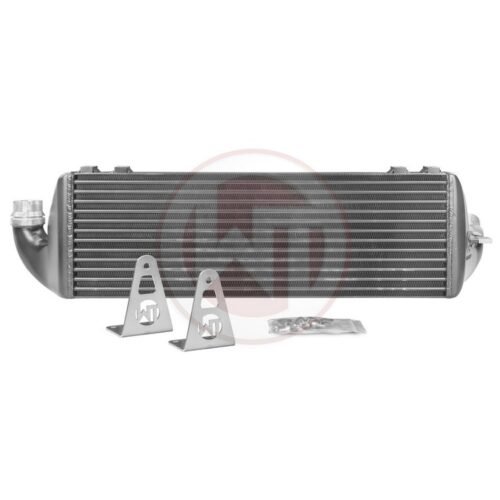
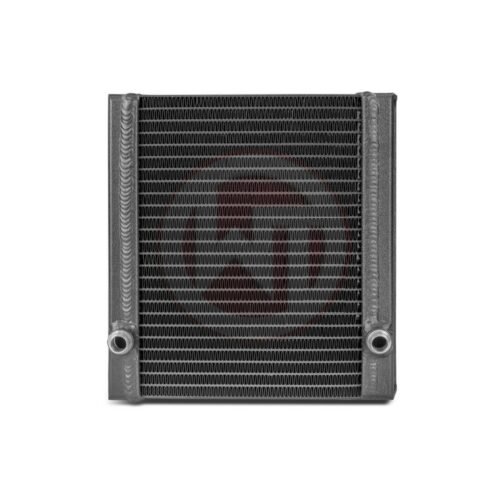
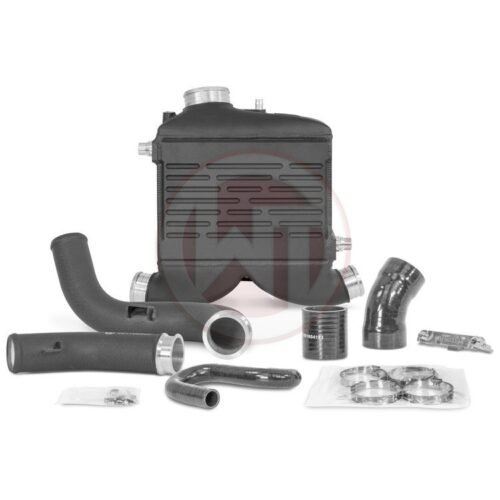
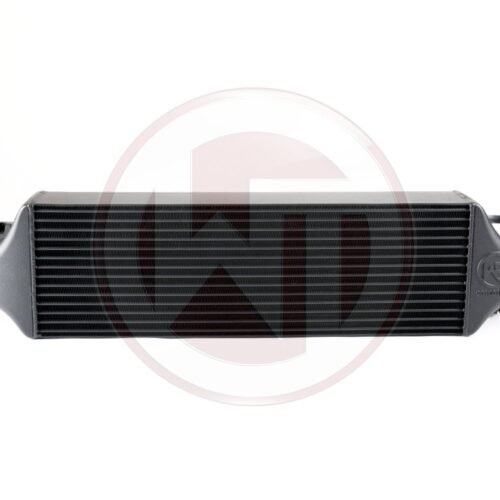
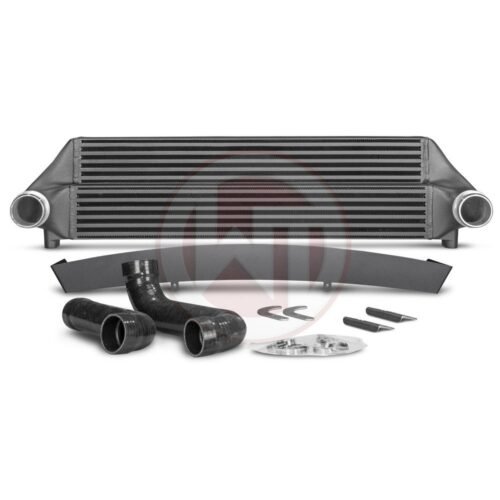
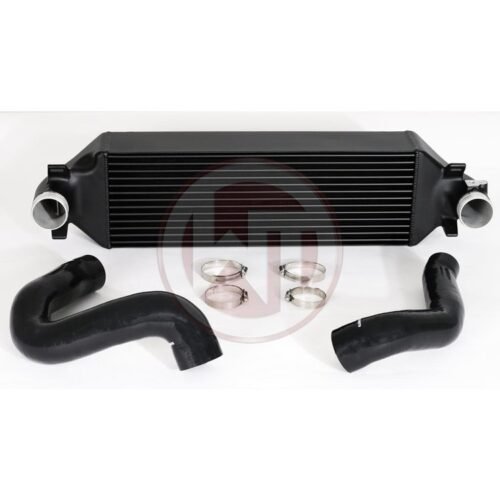
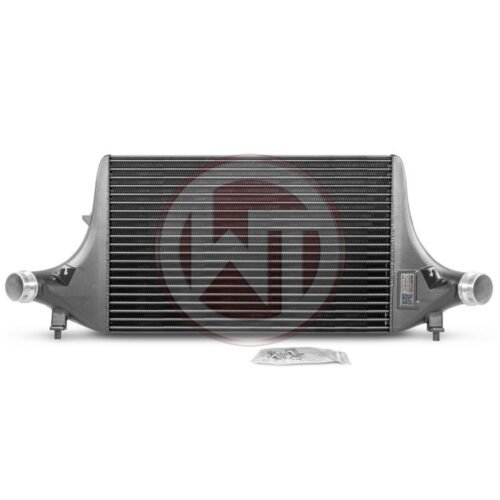









Engine Cooling guide
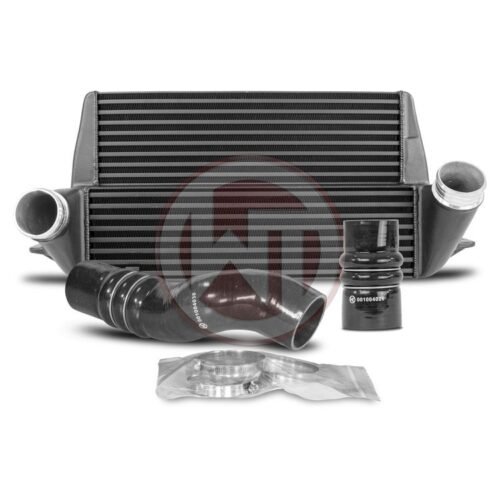
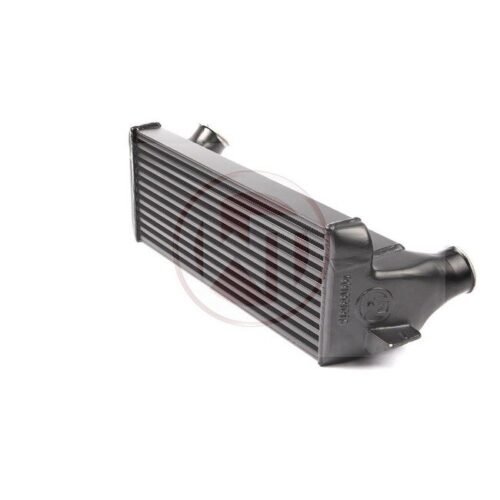
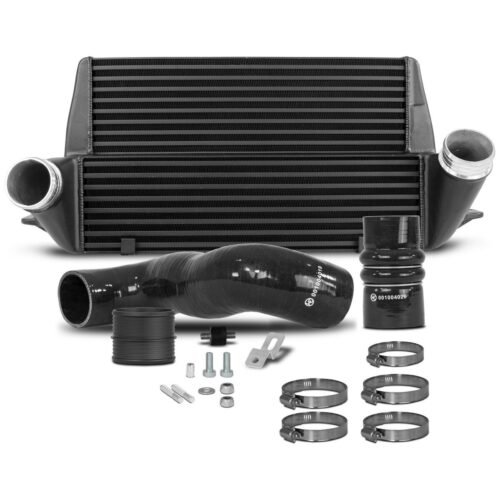
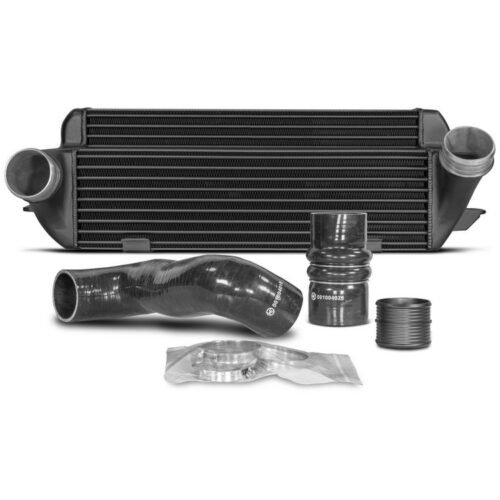
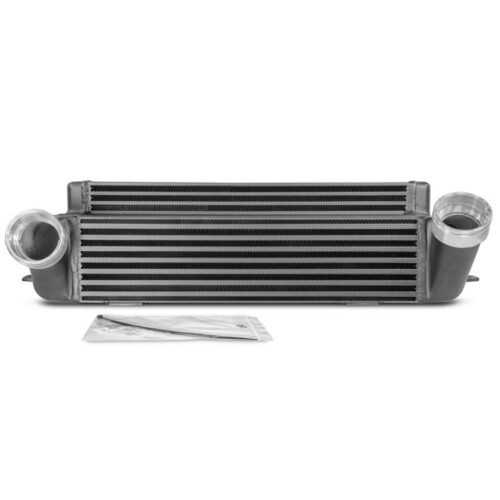
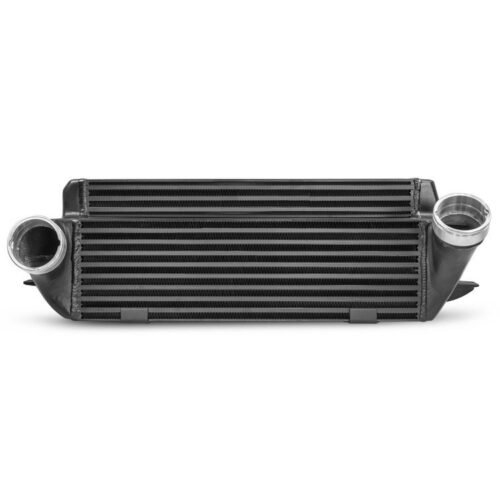
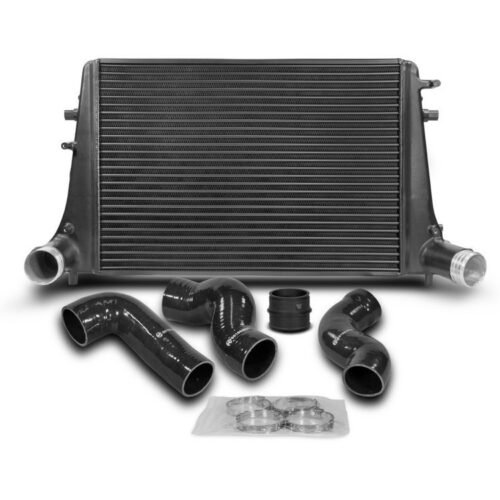
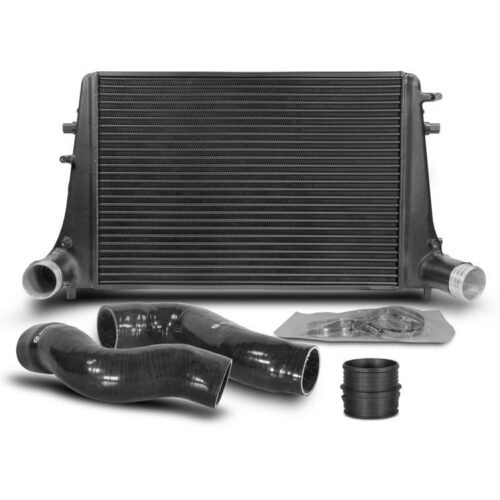
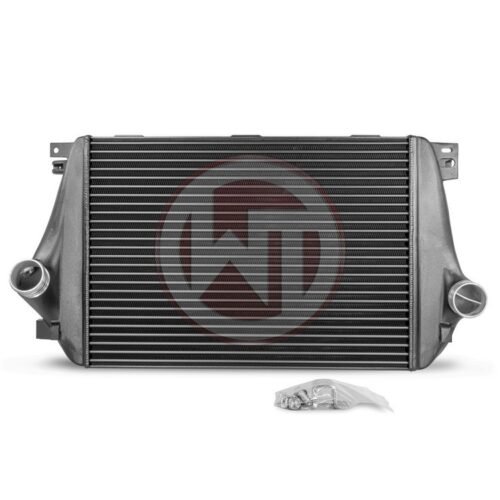
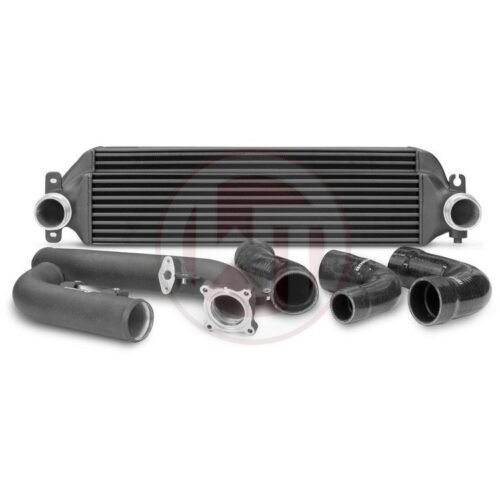
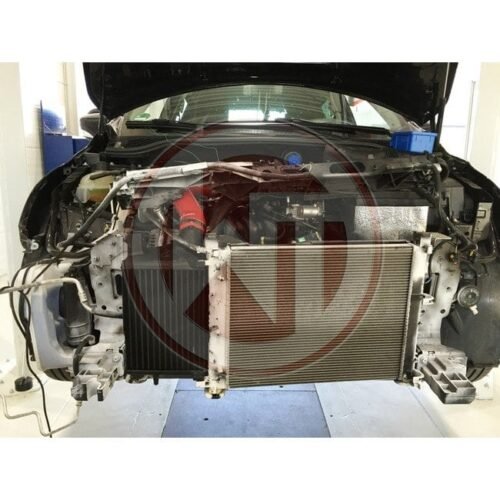
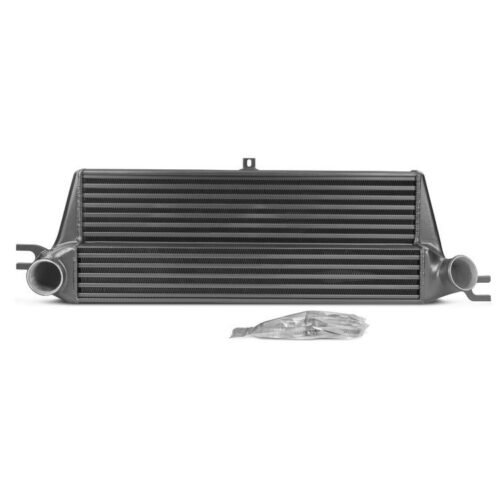
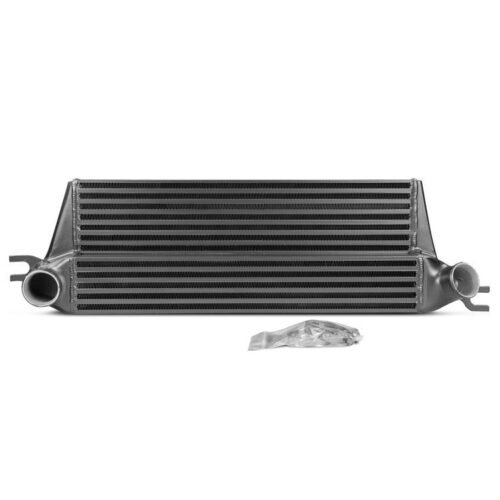
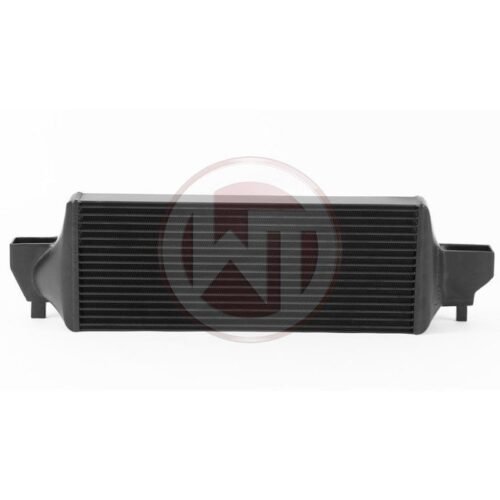
Engine cooling keeps the engine, its oil and its intake charge at working temperature. On a circuit the engine runs close to full load for long periods and the standard system can reach its limit. This section covers the parts that add capacity:
- radiators and intercoolers;
- oil and transmission coolers;
- electric fans and fan controllers;
- thermostats and water pumps;
- coolant hoses, expansion tanks, radiator caps and adapters.
Start with the fluid that is running hot:
- High coolant temperature points to the radiator, fan, thermostat or pump.
- High oil temperature points to an oil cooler, usually fitted with a thermostatic sandwich plate so the oil still warms up quickly.
- Hot intake air on turbo engines points to the intercooler.
Fans are listed as pusher (in front of the radiator) or puller (behind it), with diameter, voltage (12 or 24 V), airflow in m³/h and current draw. The current draw tells you the size of relay or controller needed. Radiators and intercoolers are either made for a particular car or universal, sized by core dimensions.
Cooling parts work as a circuit. After changing a radiator or hoses, refill with the correct coolant and bleed out every air pocket. A fan needs a relay and fuse rated for its current and a switch or controller to turn it on at the right temperature. Oil coolers need lines, fittings and a mounting position in clean airflow. A bigger radiator only helps if the air can get through it, so close the gaps around the core.

Store Information
TrackTool Factory
Sluispolderweg 7A
1505 HJ Zaandam
The Netherlands
KvK 97296902
BTW NL867990375B01
