
Top brands in Brake Valves


Showing all 6 resultsSorted by latest


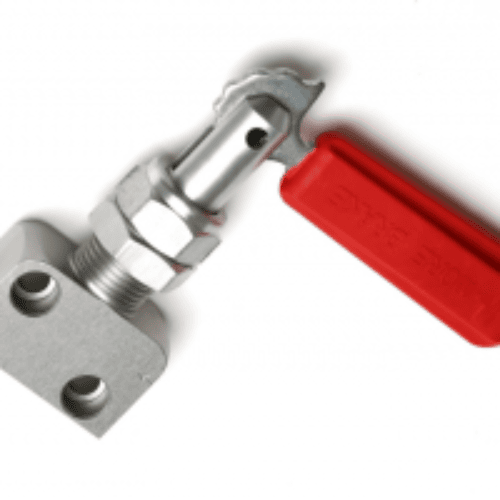
RMT Racing Brake Pressure Regulator Lever Style
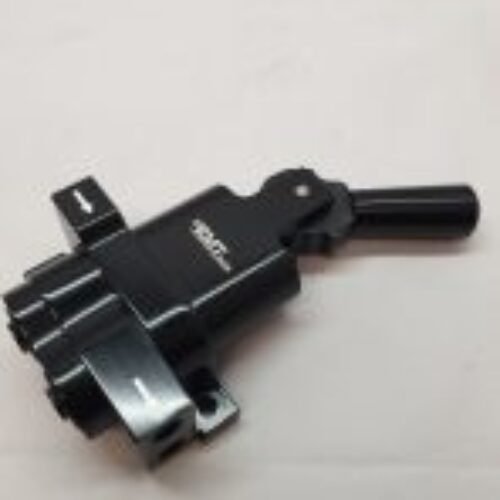
RMT Parts TWIN BORE Brake Pressure Valve
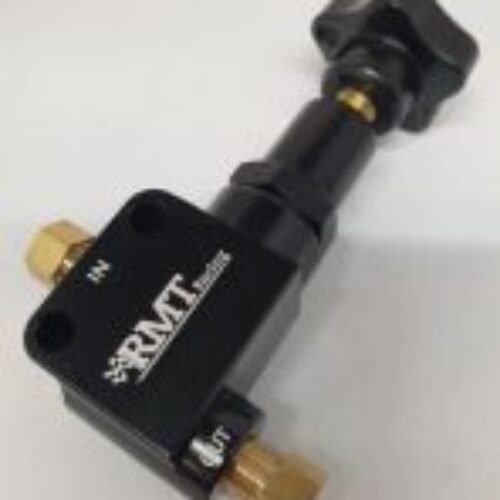
RMT Racing Brake Pressure Regulator Knob Style

Brake Pressure Distributor Button
Brake Valves guide
Brake valves change how hydraulic pressure is shared between the brakes, most often between front and rear axles. The valves here are adjustable regulators and distributors with a knob, button or lever, including double and twin-bore types that act on two lines.
Under braking, weight moves forward: the front tyres gain grip and the rear tyres lose it. If the rear brakes then get too much pressure, the rear wheels lock first and the car can turn sideways. A proportioning valve in the rear line passes pressure unchanged up to a set point, called the knee. Above it, rear pressure rises more slowly than the front.
Turning the knob or moving the lever shifts the knee, so balance can be trimmed for wet or dry grip, tyre choice and fuel load. A twin-bore valve does this on two lines at once, keeping both rear wheels equal.
Three questions narrow the choice:
- Knob or lever: a knob turns through fine steps for precise setting. A lever moves quickly by hand, which suits changes made while driving.
- Single or double: a single valve trims one line. The double lever-type distributor and the twin-bore valve act on two lines together, as needed when each rear wheel has its own line.
- Master cylinder layout: a valve suits a car with one tandem master cylinder. A pedal box with separate front and rear cylinders normally sets bias with its balance bar instead.
Mount the valve where the driver can reach it and plumb it into the rear circuit only, with inlet and outlet as marked on the body. Use fittings that match its ports, and bleed with the valve at its full-pressure setting unless its instructions say otherwise.
Set the balance on a closed, safe surface: brake hard from a moderate speed, note which axle locks first, and adjust in small steps. On cars with ABS or electronic brake distribution, a valve changes what the system expects, so fitting one is mainly a competition modification.

Store Information
TrackTool Factory
Sluispolderweg 7A
1505 HJ Zaandam
The Netherlands
KvK 97296902
BTW NL867990375B01
