
Engine Sensors
89 products
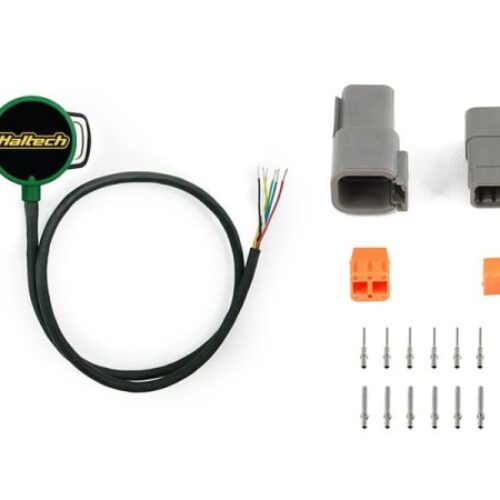
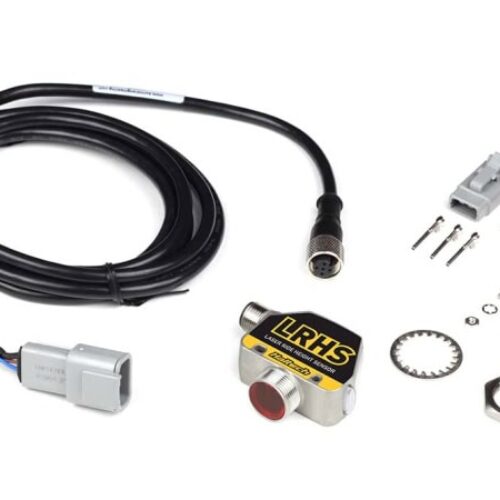
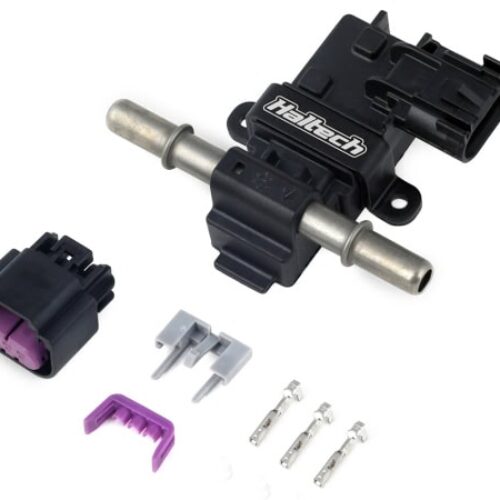
Engine sensors give the ECU and data logger the figures they work from. They measure manifold pressure, air and coolant temperature, fuel, oil and brake pressure, exhaust oxygen content, and positions such as throttle, gear selector and suspension travel. This category covers sensors for standalone engine management and data logging, together with magnets used for speed and position triggers.
Choose a sensor by what it measures and its range, then by how it fits:
- MAP sensors are listed by their range in bar. A 1-bar sensor suits a naturally aspirated engine, while a boosted engine needs a 2-, 3- or higher-bar sensor that covers the maximum boost with some margin.
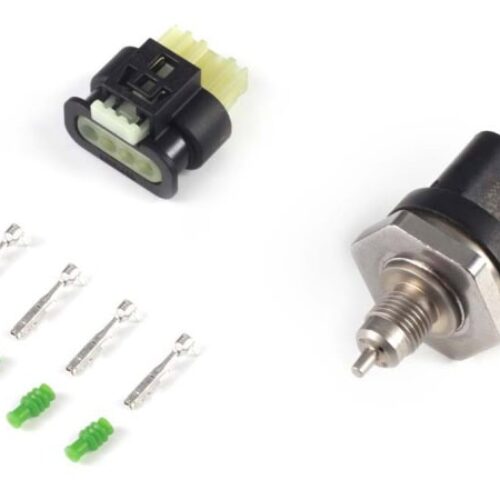
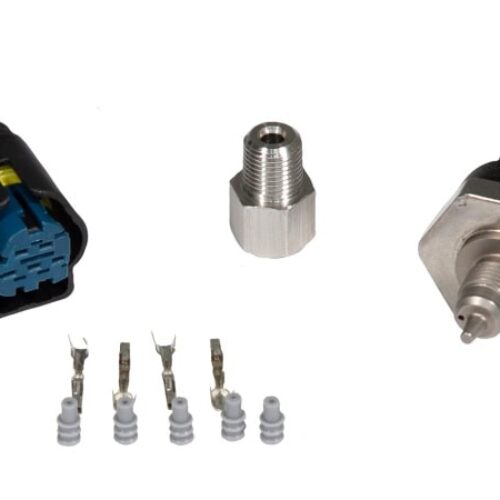
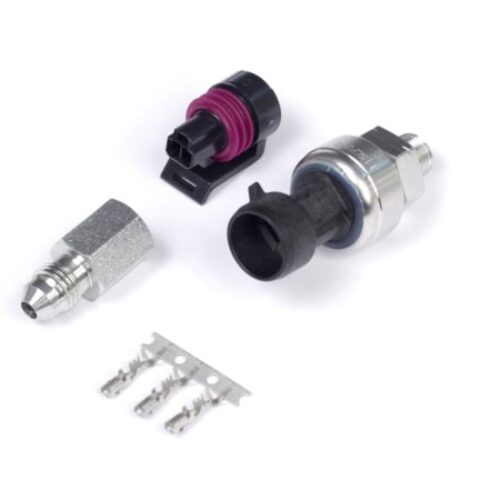
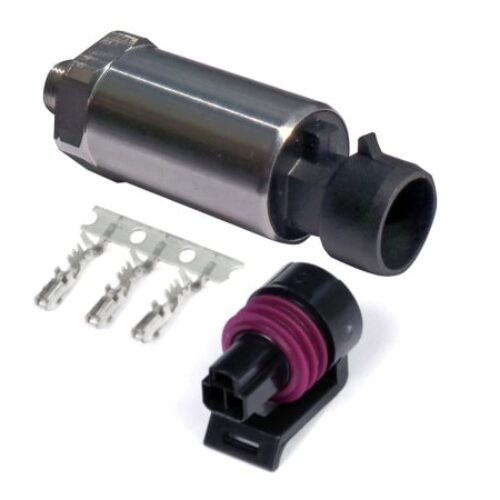
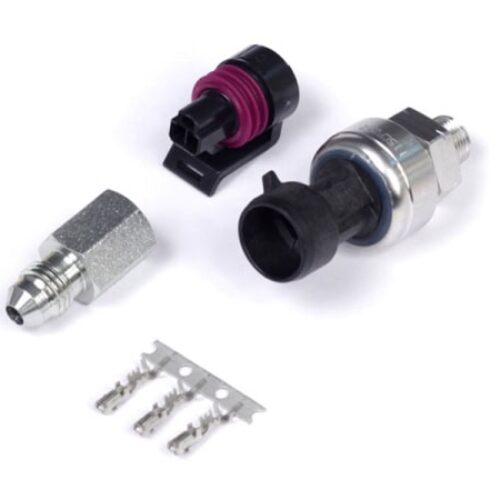
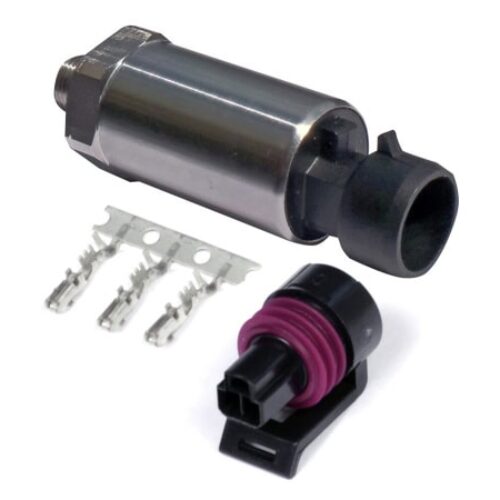
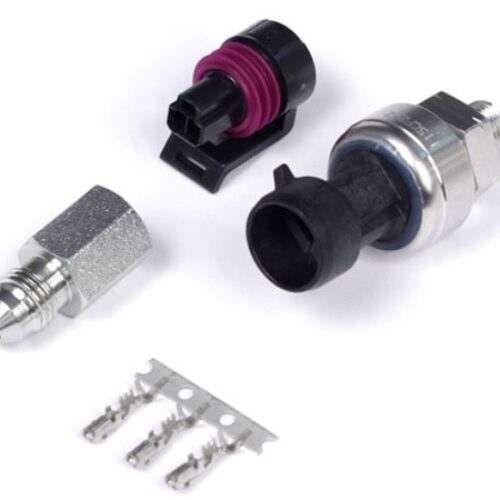
- Pressure sensors are listed in PSI, some with a built-in temperature reading.
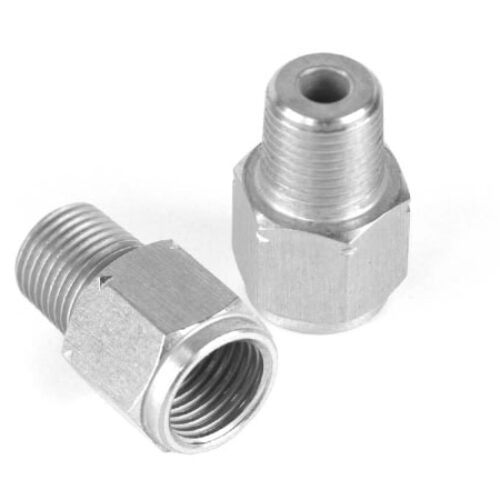
- Temperature sensors are listed by thread, such as 1/8 or 3/8 NPT.
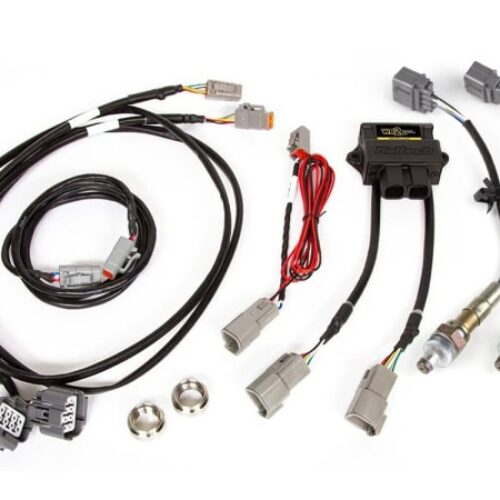
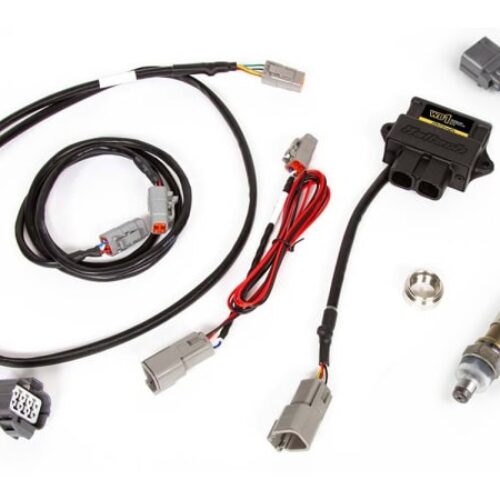
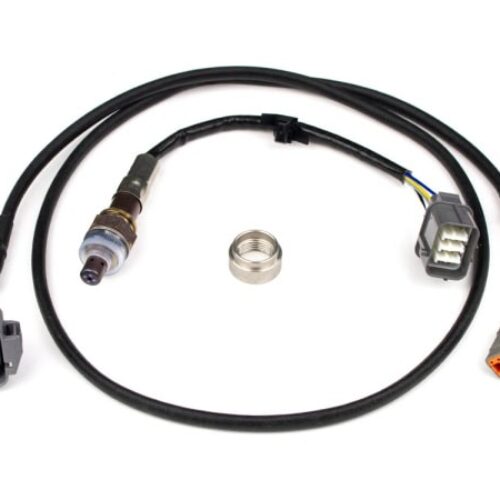
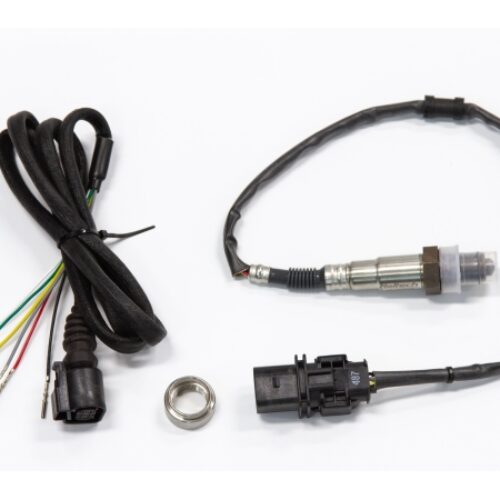
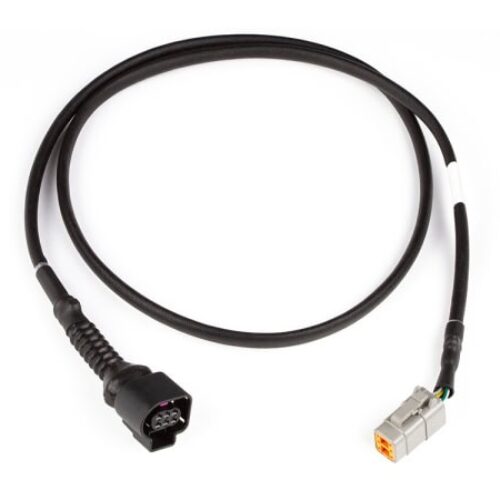
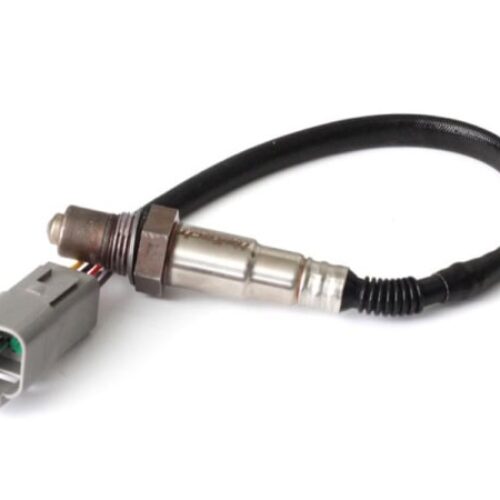
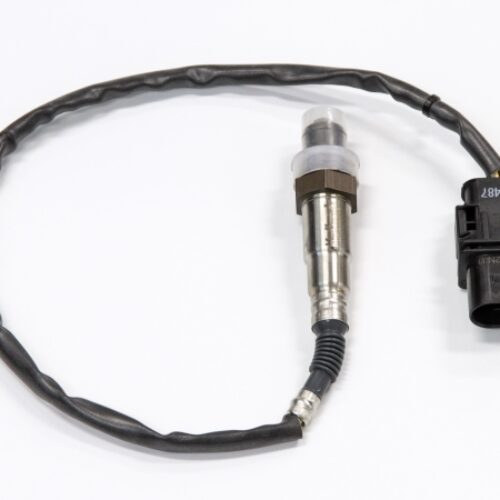
- Wideband oxygen sensors are listed by the sensor type the controller expects.
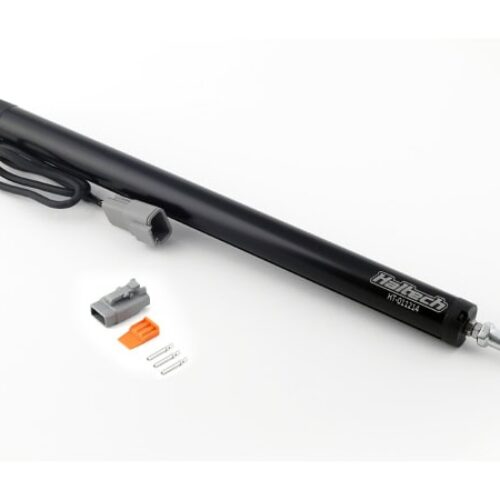
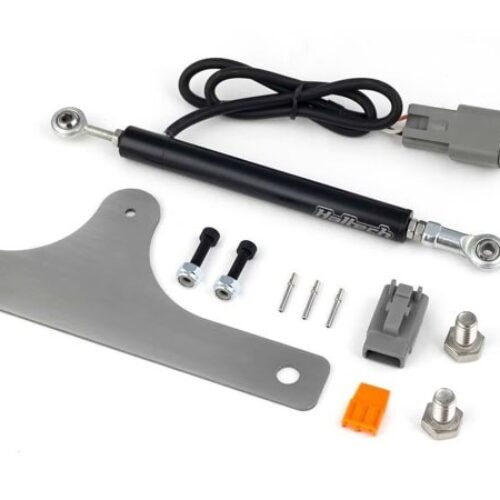
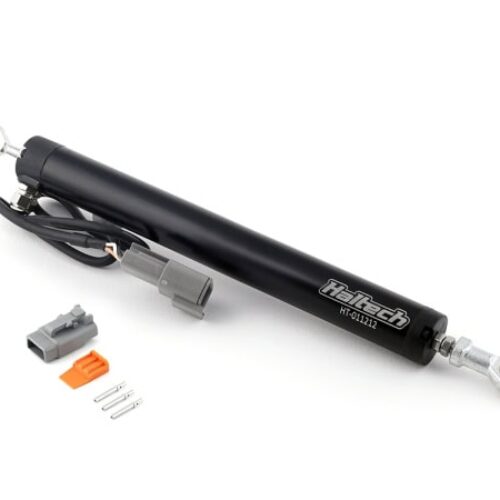
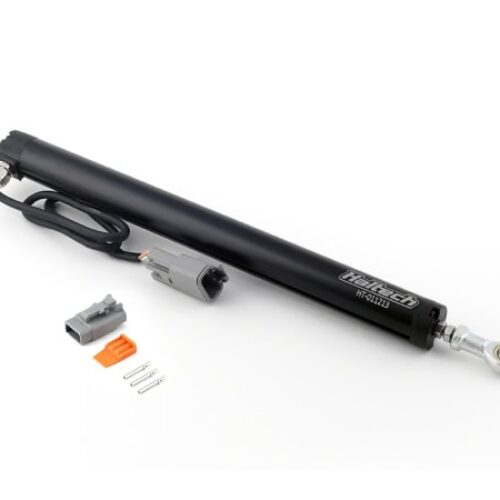
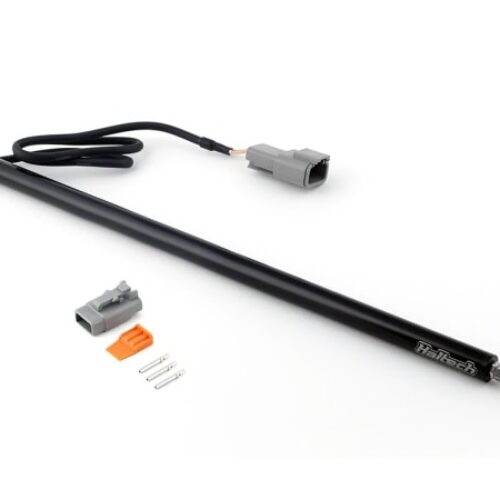
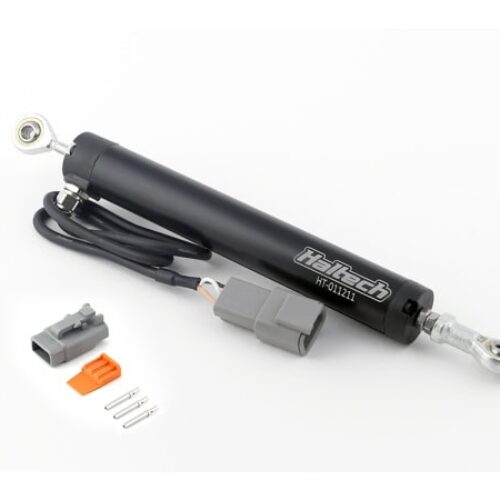
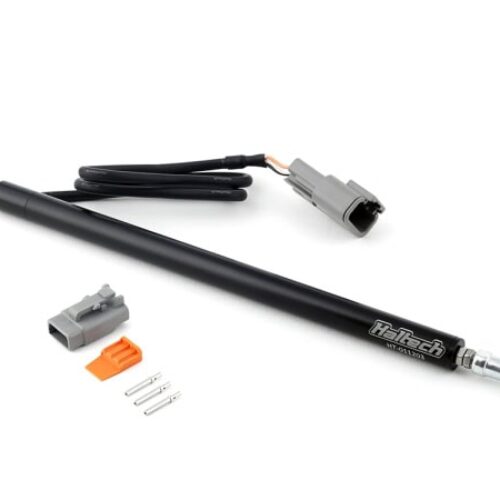
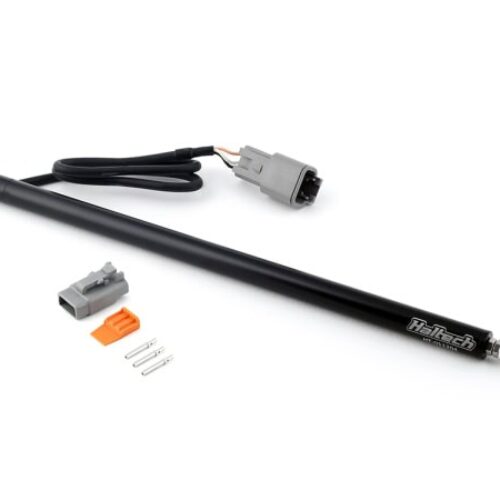
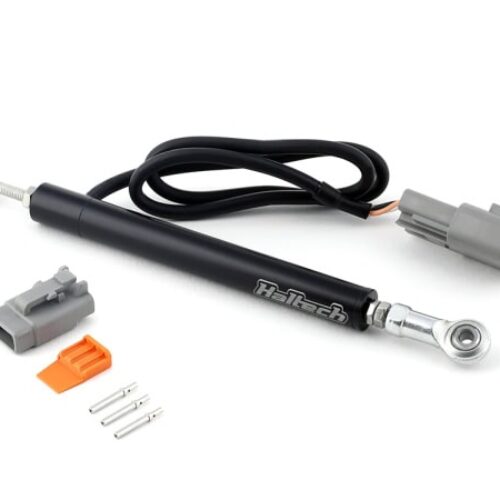
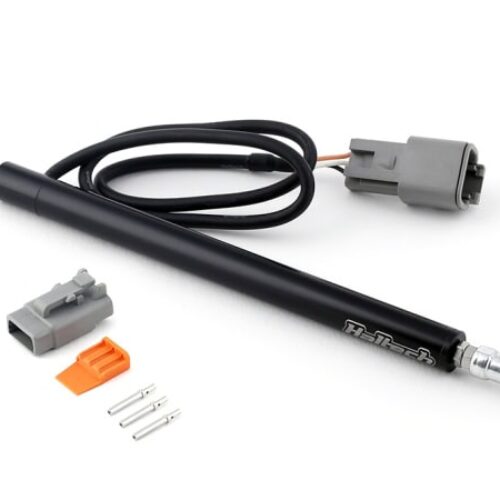
- Linear position sensors are listed by their travel.
Most sensors report to the ECU as a voltage, so the ECU has to know which sensor is fitted. After installing one, select or enter its calibration in the ECU software. Then check the reading against a known value, such as atmospheric pressure with the engine off or coolant temperature on a cold start.
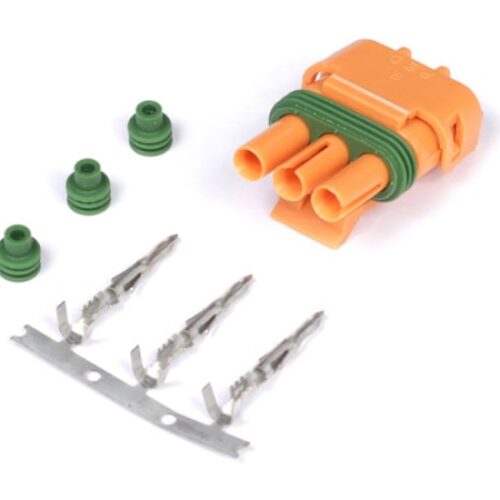
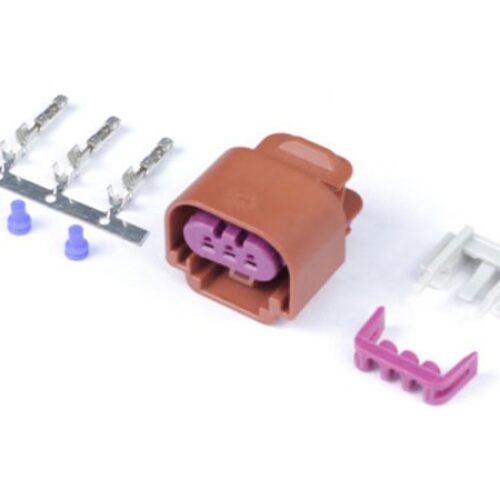
Wire each sensor with the correct connector and use the sensor ground where the ECU provides one. Mount pressure sensors away from heat and vibration, take the MAP reference from the plenum after the throttle, and fit temperature sensors into a proper boss or weld-in bung.
Top brands in Engine Sensors
Showing 1–48 of 89 resultsSorted by latest



Store Information
TrackTool Factory
Sluispolderweg 7A
1505 HJ Zaandam
The Netherlands
KvK 97296902
BTW NL867990375B01
