Top brands in 17"



Showing 1–48 of 82 resultsSorted by latest

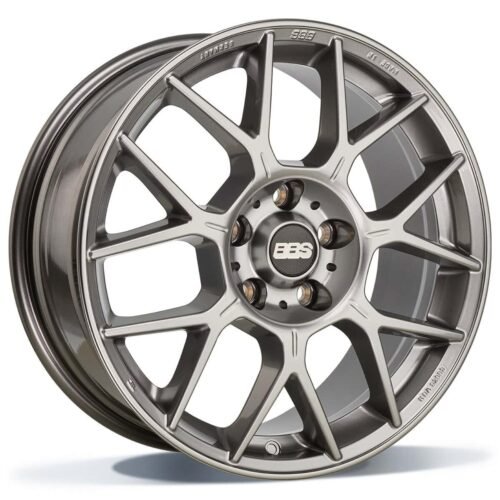
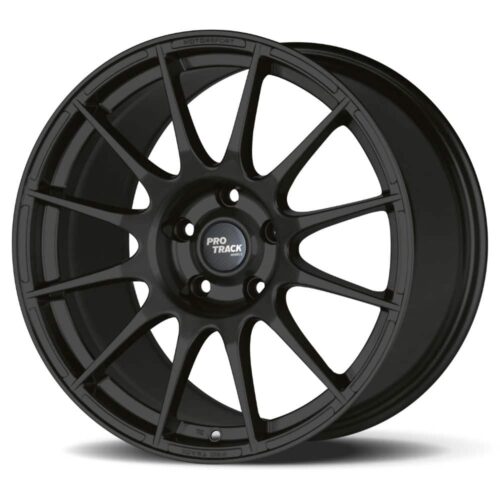


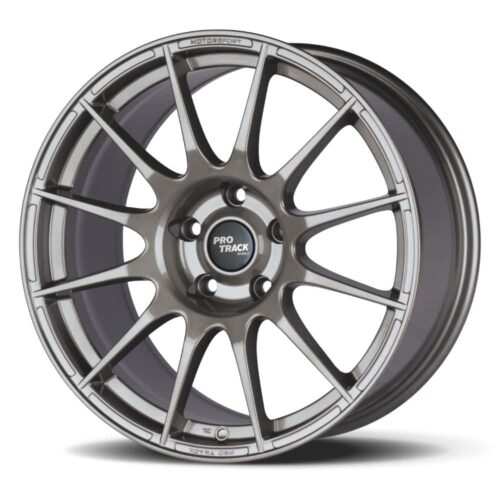
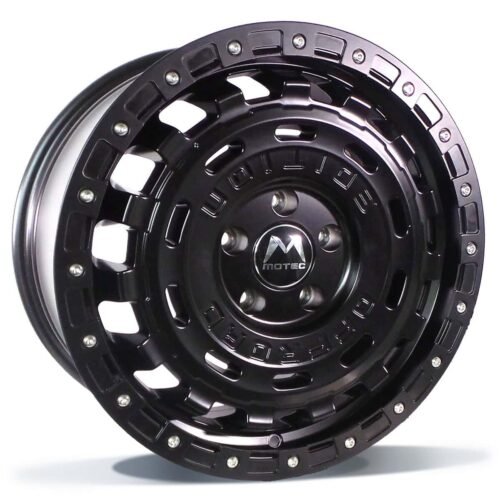
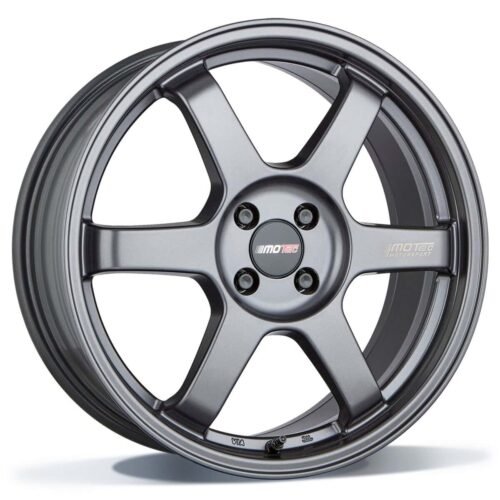
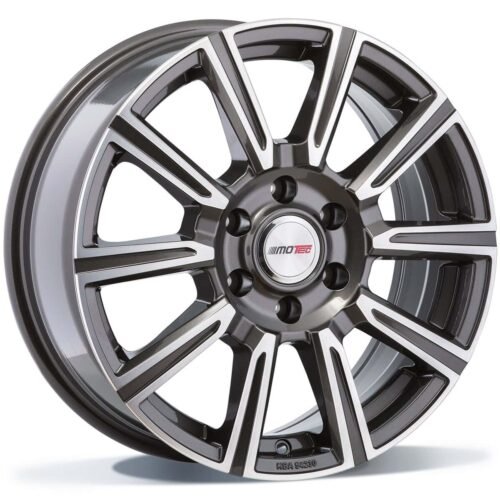
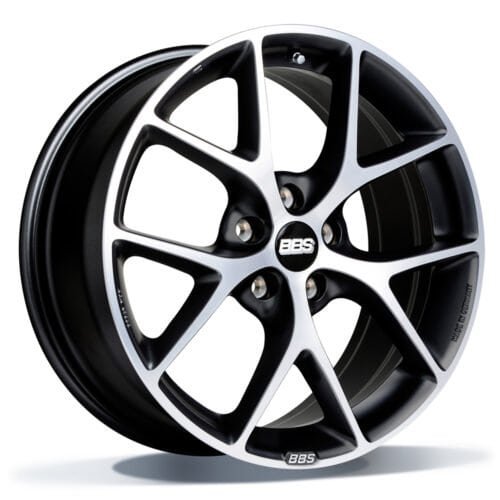
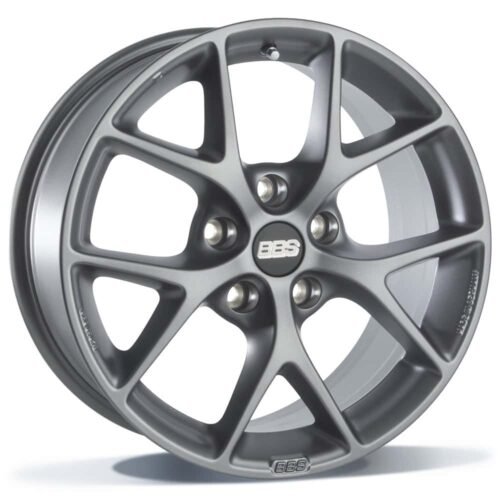


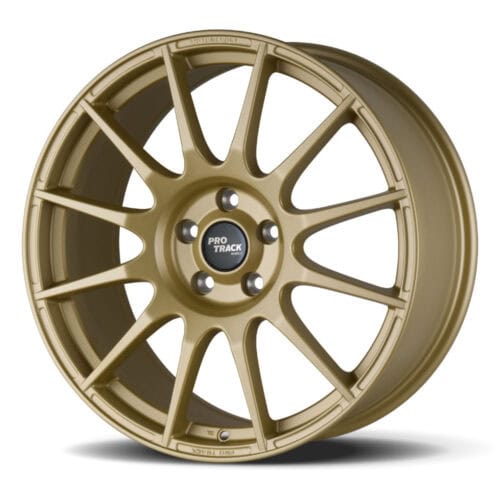


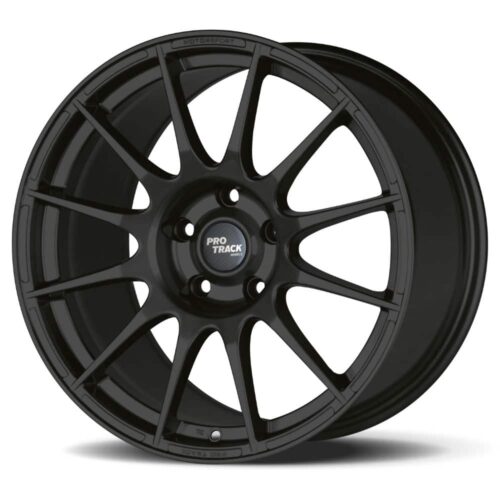


17" guide
17-inch wheels are a mainstay of track day and club cars. The size clears larger brakes than 15 or 16 inches, keeps a useful sidewall and offers a broad choice of road, track and competition tyres. This section includes light wheels of around 7.4 kg and heavy-duty designs rated for up to 1250 kg.
Much of the wheel-size trade-off is balanced here. Against smaller wheels, a 17-inch rim takes bigger discs and a lower profile that sharpens steering. Against larger ones, it keeps weight and inertia down and leaves sidewall to cope with kerbs. Most listed weights fall between 7.4 and 11.6 kg, a difference of over 4 kg of unsprung mass per corner.
Lowering the ET moves the wheel and its contact patch outwards, which widens the track and changes the scrub radius. That radius is the distance at ground level between the steering axis and the centre of the contact patch. The further the patch sits from that axis, the more kickback and braking pull reach the steering wheel. Moving the wheel outwards also loads the wheel bearings harder.
To choose:
- Bolt pattern: four-stud 4×98, 4×100 and 4×10⁸, five-stud from 5×100 to 5×130, and six-stud 6×130. Close patterns such as 5×112 and 5×114.3 are not interchangeable.
- Width: 7, 7.5, 8 or 9 J, with 7.5 J the most common; 9 J suits wider track tyres where the arches allow.
- Offset: mostly ET 30 to ET 45, with outliers such as ET 8 and ET 62. A low figure stands the wheel well out, while a high one tucks it in towards the suspension.
- Centre bore: listed bores run from 57.1 to 84.1 mm. Some bores are cut to a hub size, while the common 82 mm bore is closed to the hub with a centring ring.
- Load rating: listed ratings run from 540 kg to 1250 kg, and those of 900 kg and above belong to heavy-duty designs.
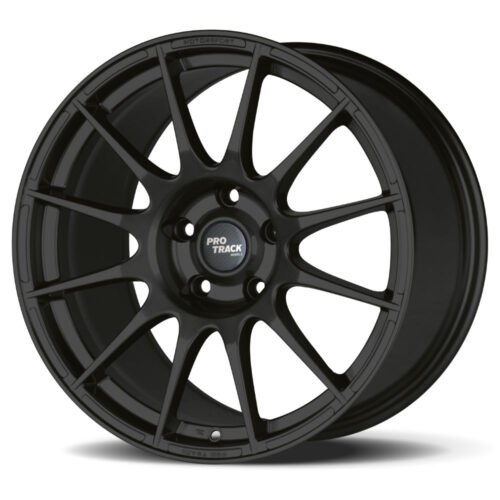
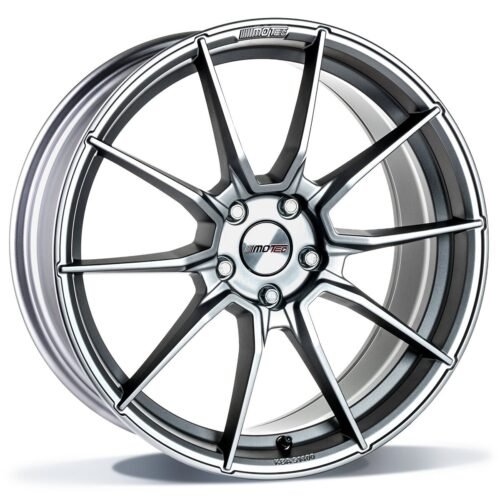
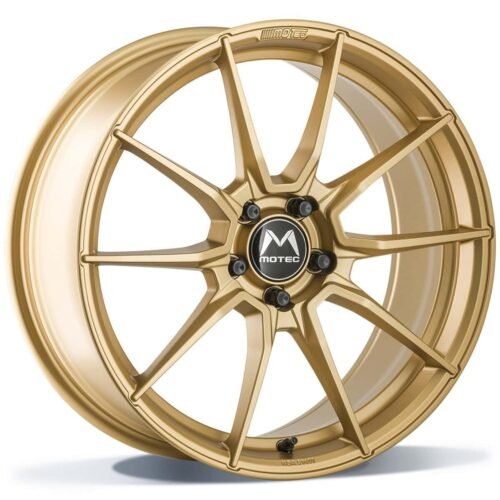
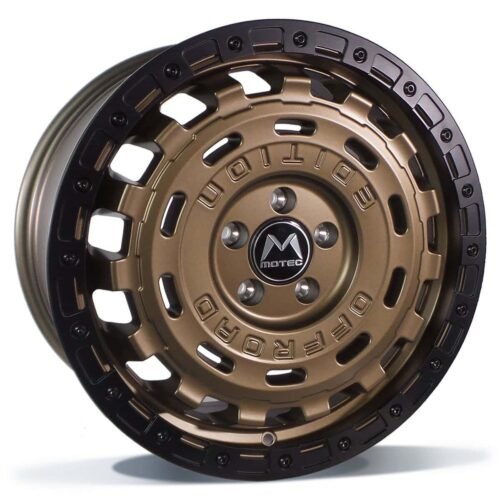
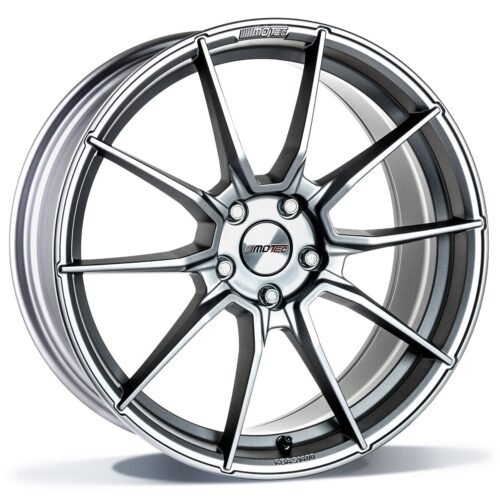
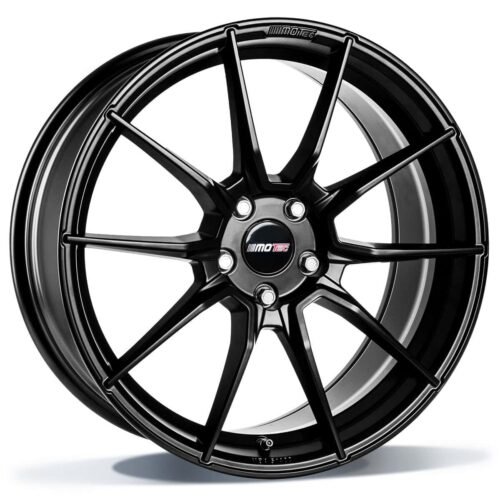
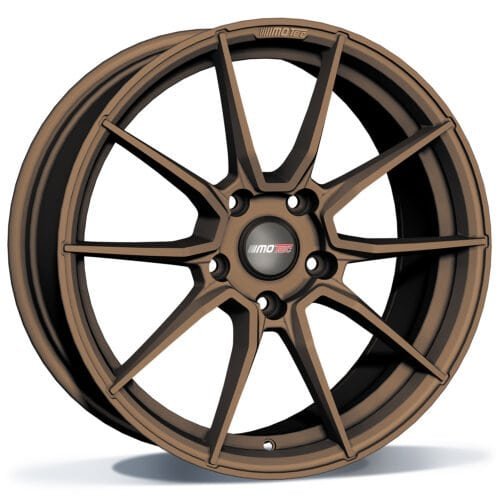
- Finish: gloss and matt colours including gold, bronze and white, polished finishes, black-ring two-tones and grey diamond-cut faces.
Diamond-cut and polished finishes usually sit under clear lacquer, so use a pH-neutral wheel cleaner and seal chips before water creeps beneath. In some European countries a non-original wheel needs an approval or an inspection to be road legal, so confirm what applies to your wheel and car. Torque in a diagonal pattern and re-check after the first drive or session.

Store Information
TrackTool Factory
Sluispolderweg 7A
1505 HJ Zaandam
The Netherlands
Chamber of Commerce (KVK): 97296902
VAT: NL867990375B01