Brake System
Handbrake Kits & Parts
- 10 products
- 2 brands
- Ships from EU stock
- Handbrake Kits & Parts guide
Top brands in Handbrake Kits & Parts


Showing all 10 resultsSorted by latest

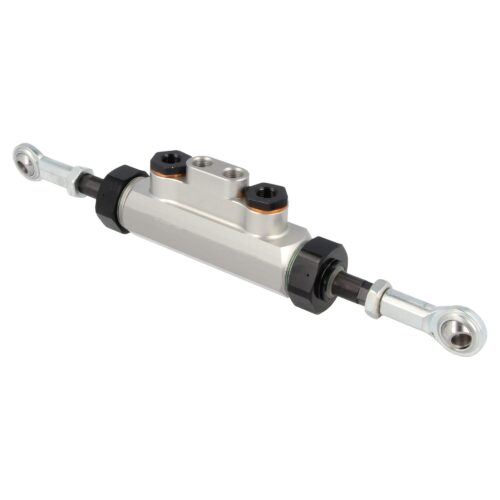

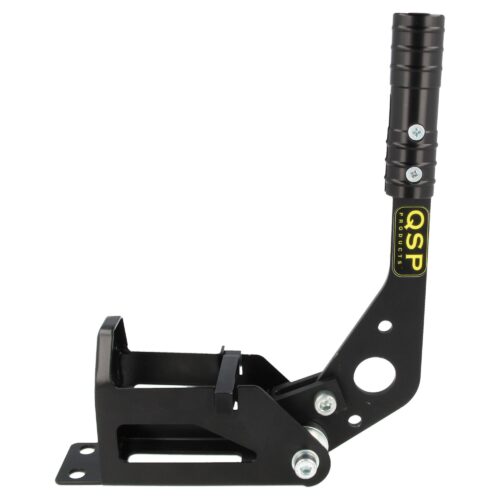
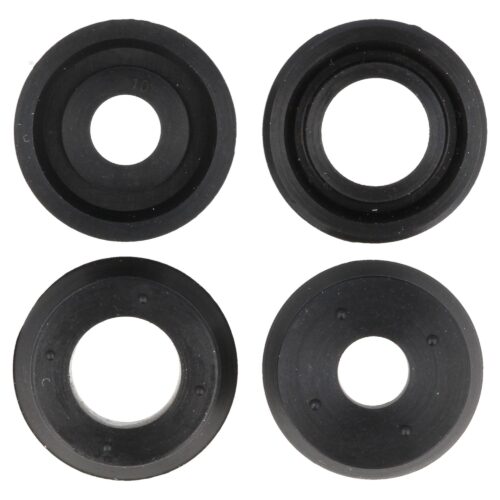
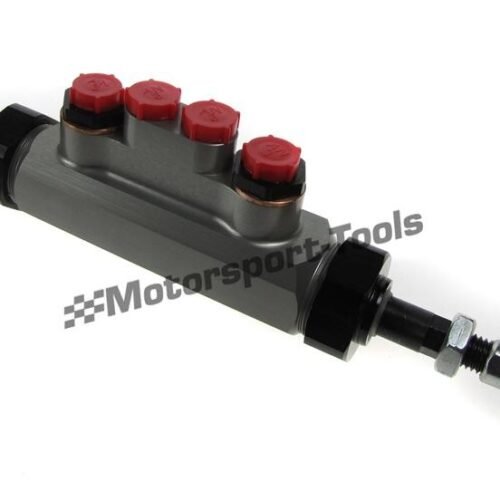
RMT Parts Group N Tandem Master Cylinder
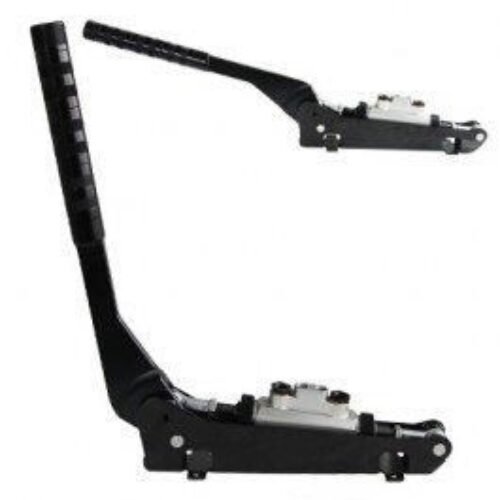
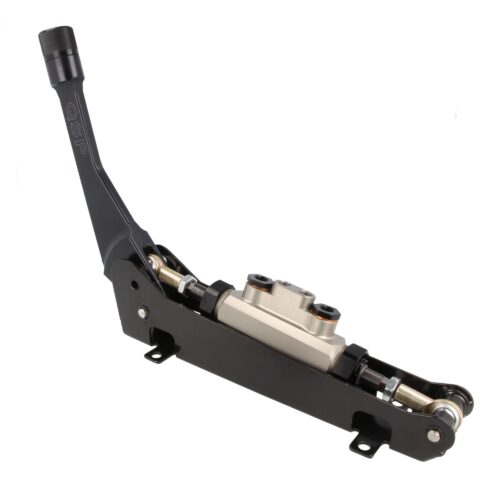
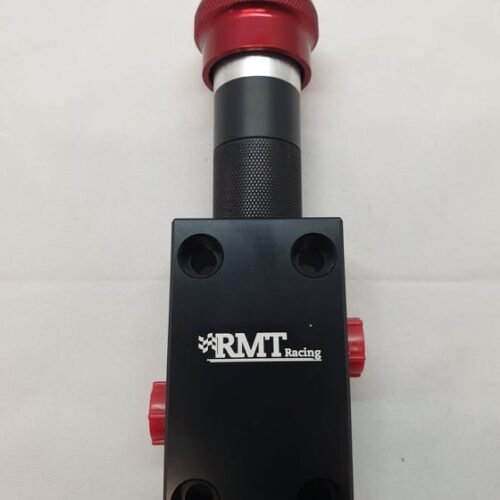
RMT Racing Group N Tandem Hydraulic Handbrake
Handbrake Kits & Parts guide
A hydraulic handbrake lets the driver lock the rear wheels at will, to pivot the car through a hairpin or to start a drift. Listed here are universal handbrakes in aluminium or steel, a tandem Group N handbrake, spare cylinders, a parking lock valve, a lever extension and repair parts.
The lever works its own small master cylinder, plumbed into the rear brake circuit. In the usual in-line layout, fluid from the main master cylinder passes through the handbrake cylinder while the lever is down, so the foot brake works as normal. Pulling the lever closes that passage and pressurises the rear calipers alone.
A single-circuit handbrake suits a car whose rear brakes share one line. Many cars split the brakes diagonally instead, so each rear wheel sits on a different circuit. A tandem unit has two pistons, serving both rear wheels while keeping the circuits separate.
To choose, start from the car’s brake circuits:
- Single or tandem: a universal handbrake for one rear circuit, or the tandem Group N type for diagonally split systems. A handbrake cylinder and a tandem master cylinder are listed as spares.
- Lever material: aluminium saves weight, while steel is stiffer for its size and tolerates rough handling.
- Reach: a handbrake extension brings the grip closer to the steering wheel, shortening the hand’s journey between the two.
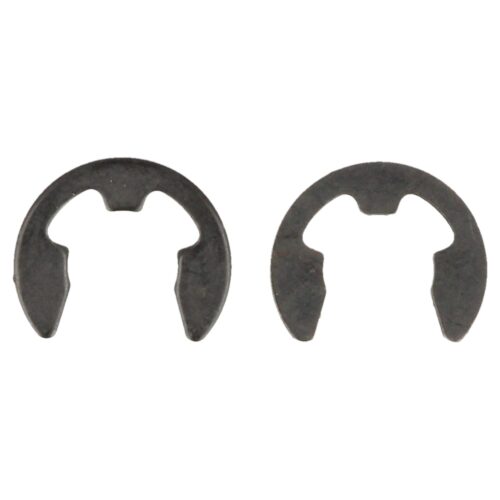
- Repairs: a repair kit and repair clips keep an existing handbrake in service.
Mount the lever on a stiff bracket or a reinforced tunnel, because hard pulls put high loads into its base. Plumb it with fittings that suit its ports and bleed it as part of the rear circuit. Then check that the foot brake still works the rear calipers with the lever down.
A hydraulic handbrake is a driving control, not a parking brake. Most have no ratchet, and hydraulic pressure cannot be trusted to hold a parked car, so a road car needs its mechanical parking brake kept in working order. Check the regulations of your class as well before changing the system.

Store Information
TrackTool Factory
Sluispolderweg 7A
1505 HJ Zaandam
The Netherlands
Chamber of Commerce (KVK): 97296902
VAT: NL867990375B01