
Top brands in Radiators



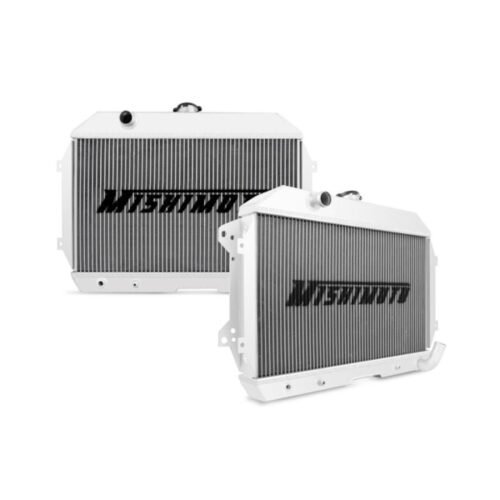
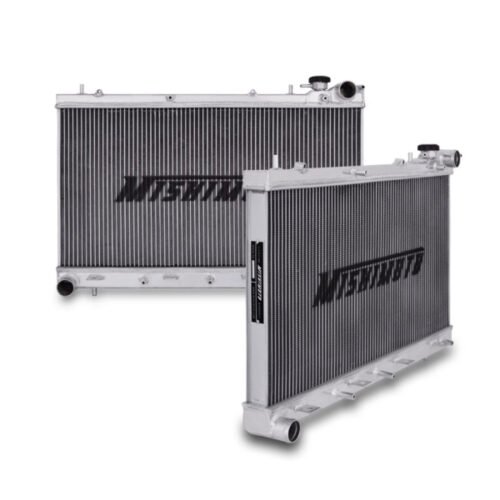
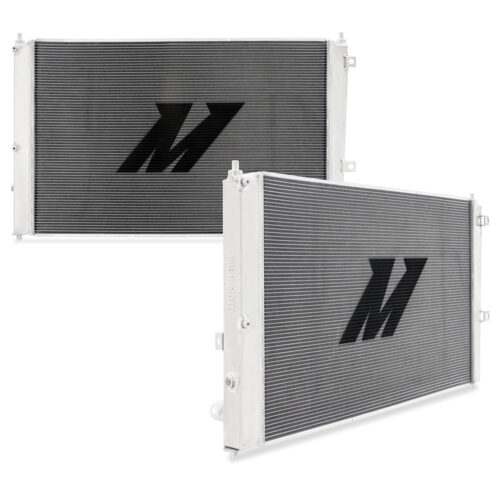
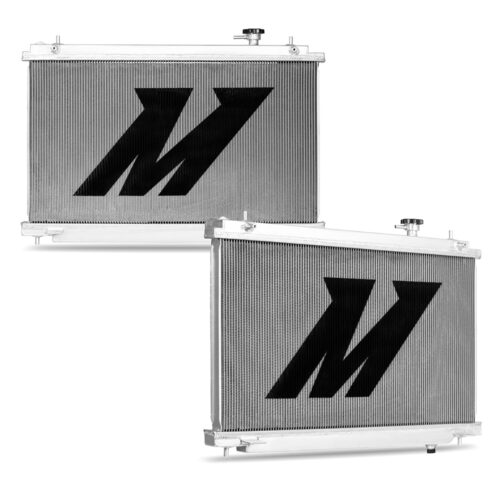
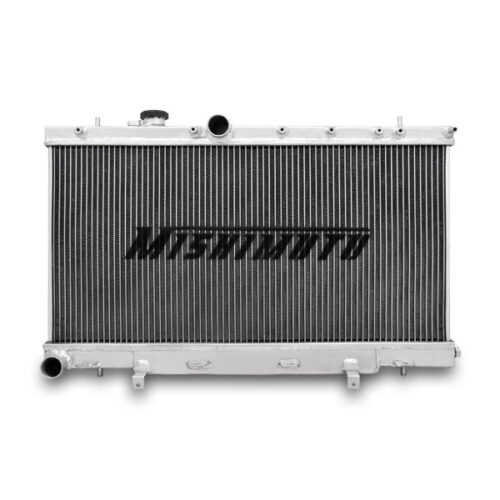
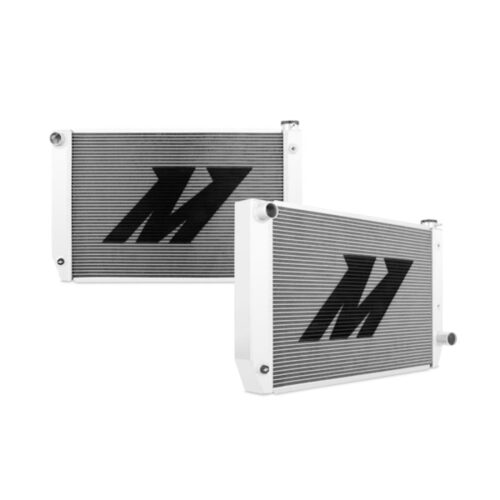
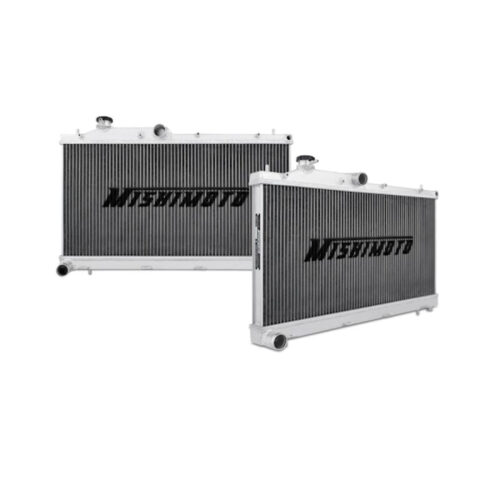
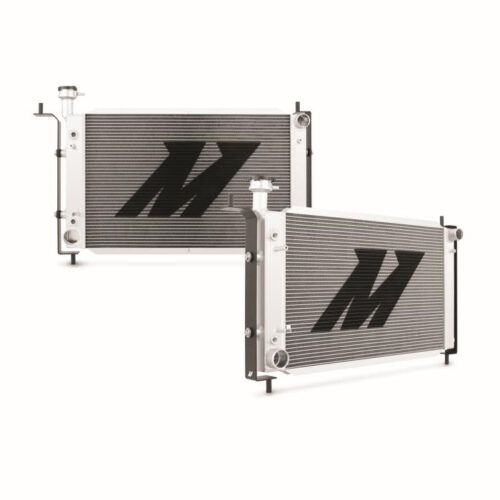
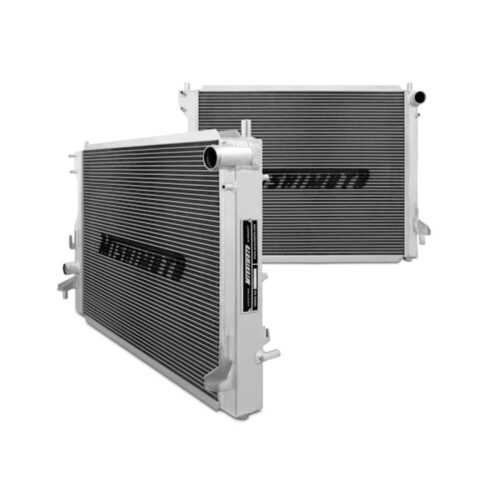
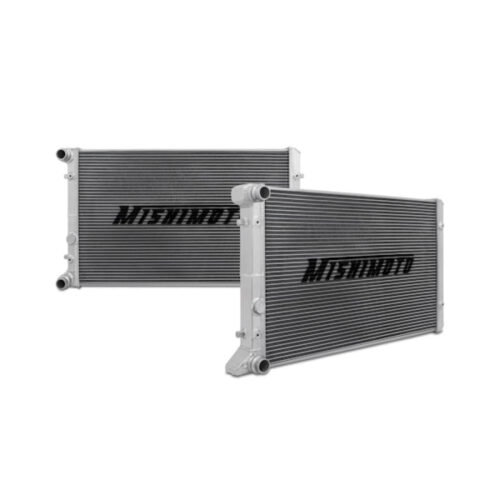
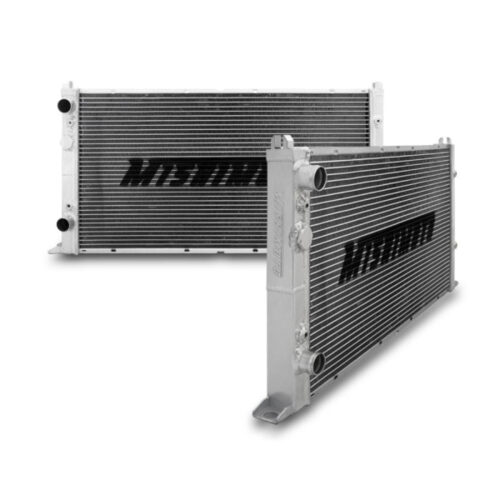


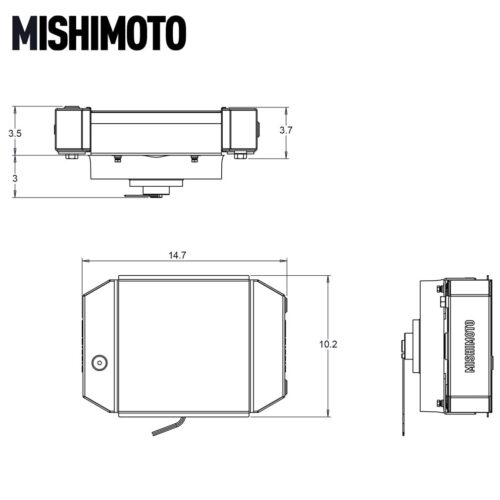
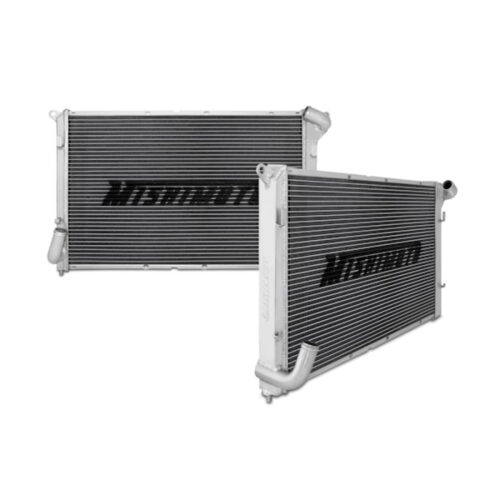
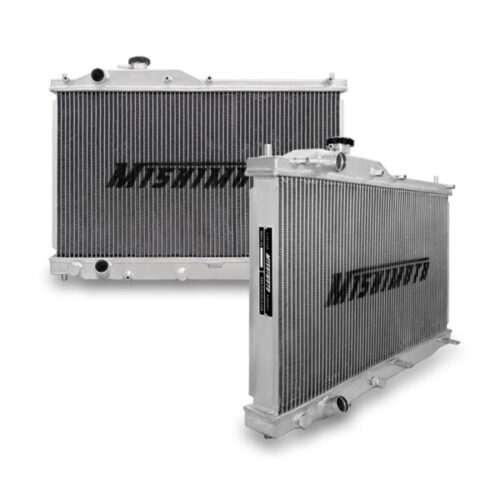


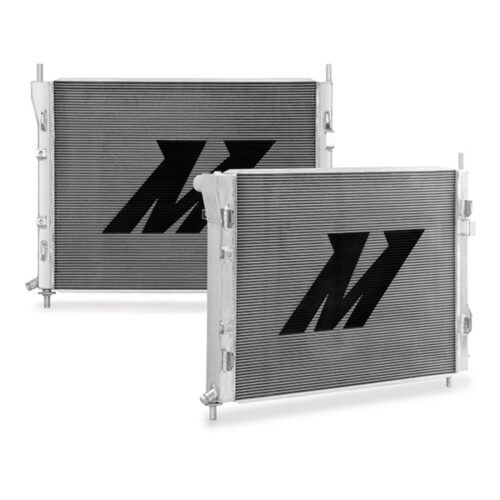
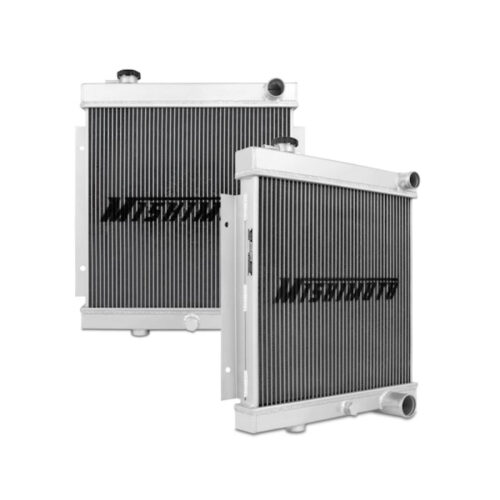
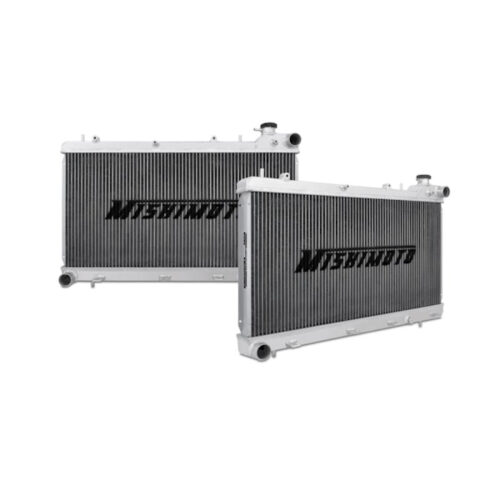
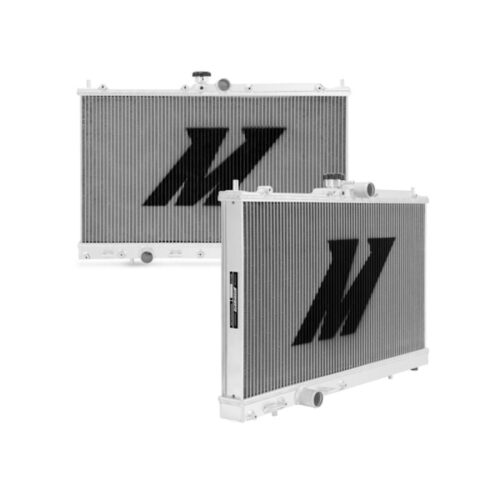


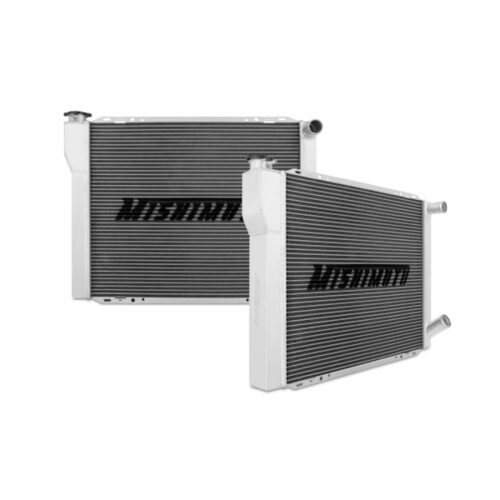
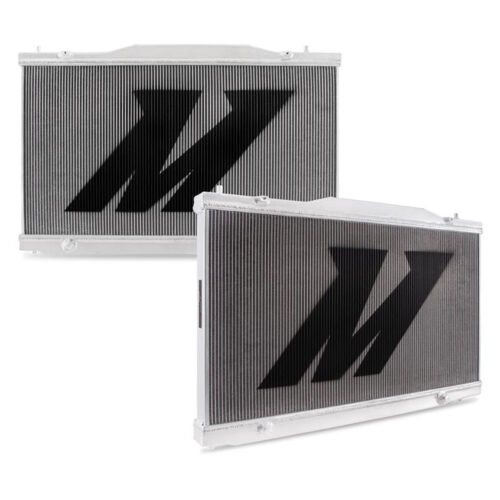
Honda Civic 17+ FK8 Type-R Main Race Radiator – MMRAD-CTR-17
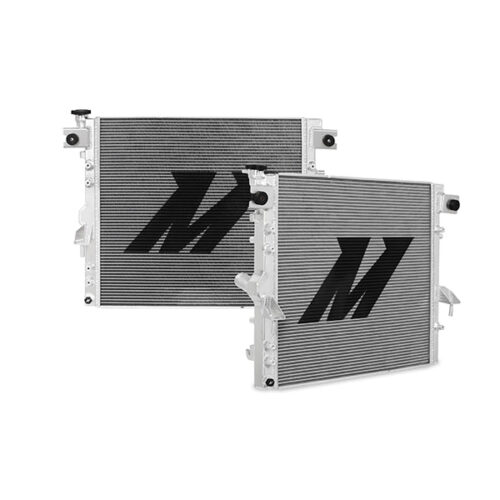
Jeep Wrangler 07-18 JK Aluminium Radiator – MMRAD-WRA-07V2
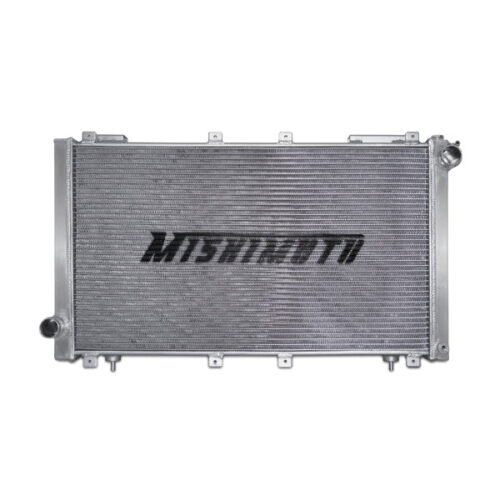
Subaru Impreza 92-00 GC8 Turbo Aluminum Radiator – MMRAD-B4-90
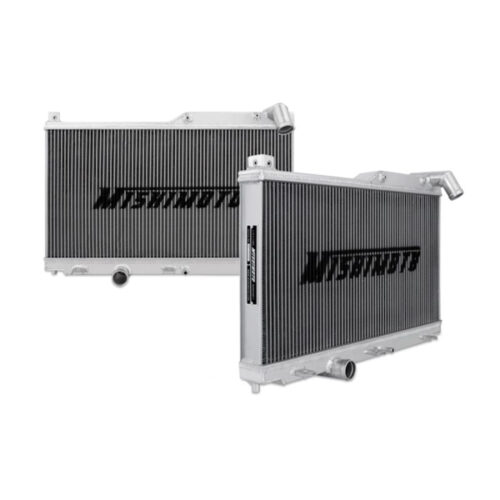
Universal Aluminium Radiator 25.51″ x 16.3″ x2.55″ – MMRAD-UNI-25
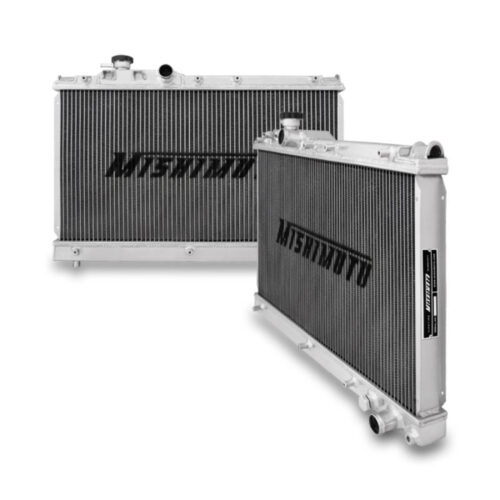
Toyota Celica ST205 GT / GT4 94-99 Alu Radiator – MMRAD-T200-94
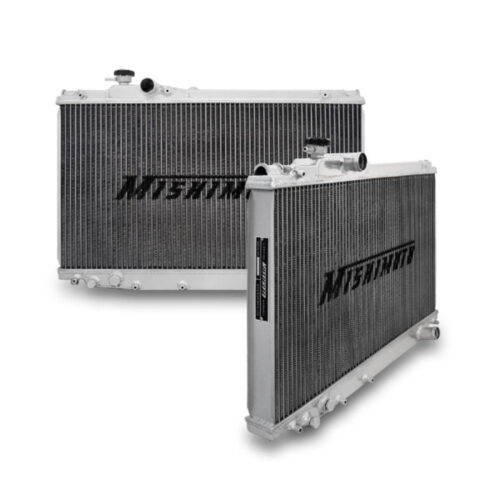
Toyota Supra 93-98 Turbo X-Line Aluminum Radiator – MMRAD-SUP-93TX
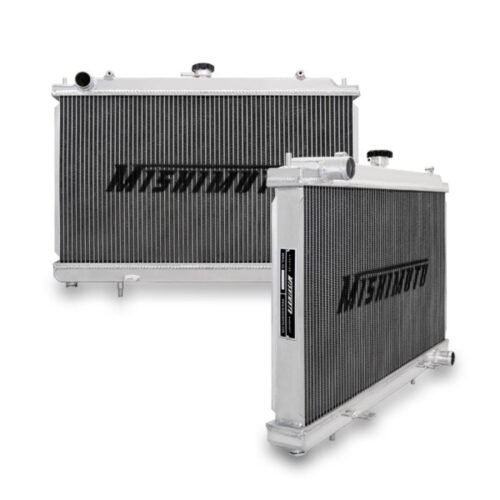
Nissan S14 95-00 SR20DET X-Line Aluminum Radiator – MMRAD-S14-95SRX
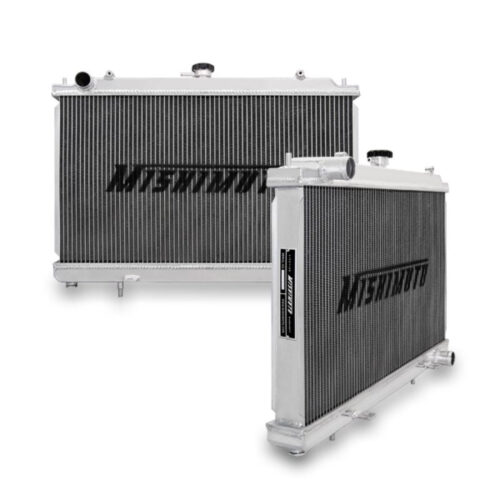
Nissan S14 95-00 SR20DET Aluminum Radiator – MMRAD-S14-95SR
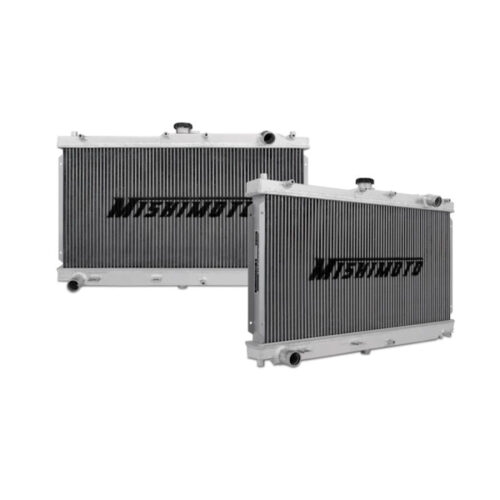
Mazda MX5 99-05 Manual Aluminum Radiator – MMRAD-MIA-99
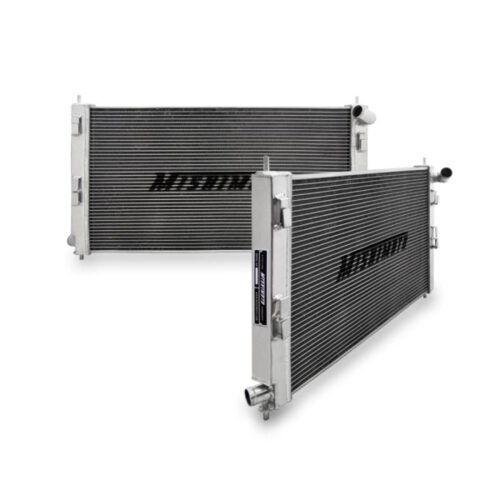
Mitsubishi Lancer 08-15 / EVO x Aluminum Radiator – MMRAD-EVO-10
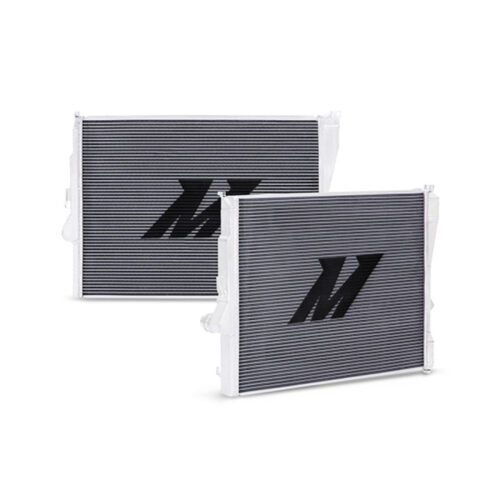
BMW 3 E46 99-06 Non-M Manual Aluminium Radiator – MMRAD-E46-323
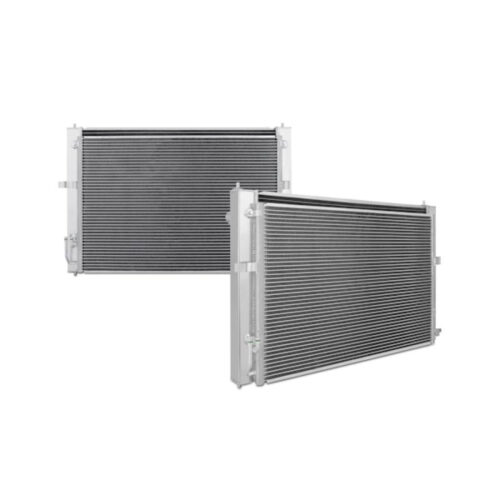
Nissan 370Z 09+ Performance Aluminum Radiator – MMRAD-370Z-09
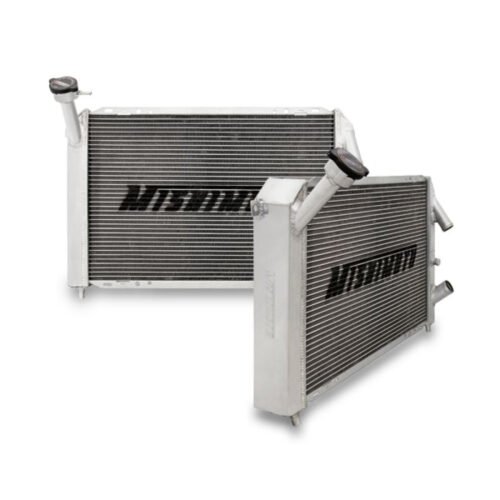
Mazda RX7 93-97 +LS Engine Swap Aluminum Radiator – MMRAD-RX-LS
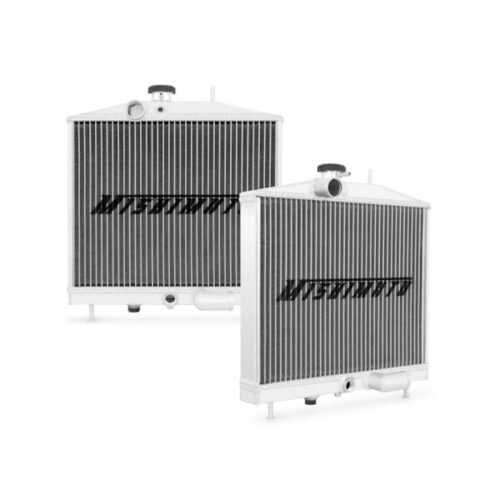
Honda Civic 92-95 K-Series Swap Aluminum Radiator – MMRAD-K20-EG
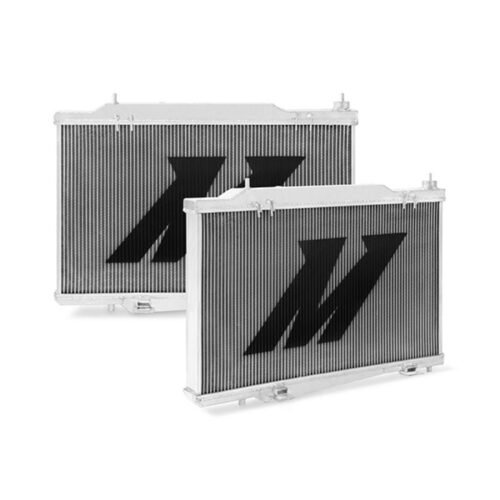
Ford Fiesta 14+ ST Radiator and Fan Shroud – MMRAD-FIST-14K
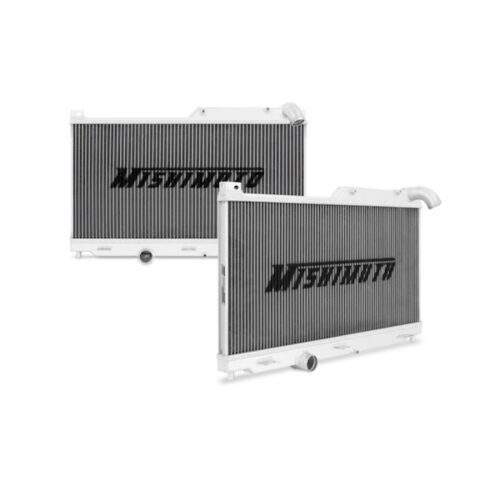
Mazda RX7 93-02 Performance Aluminium Radiator – MMRAD-FD-93
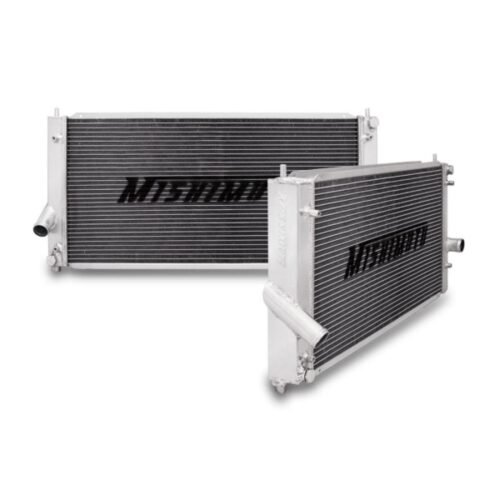
Toyota MR2 00-05 Roadster Manual Aluminum Radiator – MMRAD-SPY-00
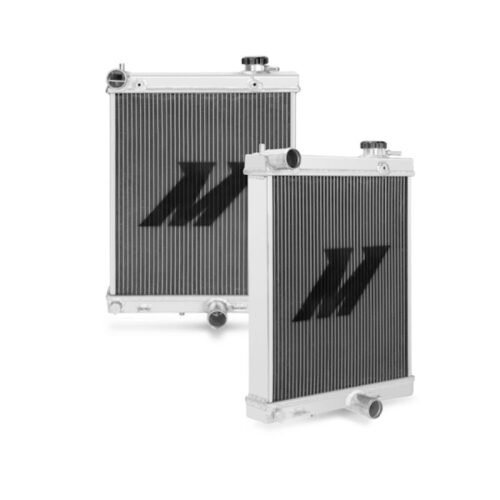
Mitsubishi EVO 7/8/9 Aluminium Half-Size Radiator – MMRAD-EVO-01H
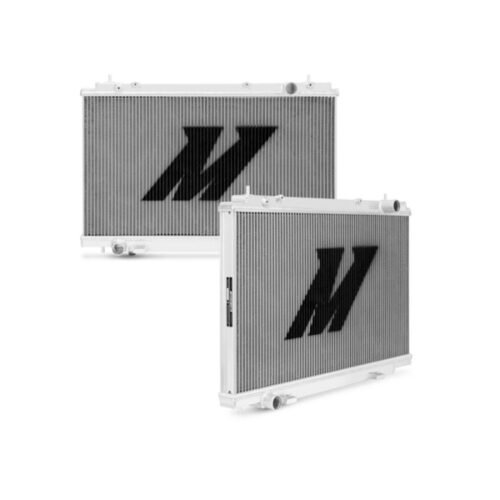
Nissan 350Z 07-09 Performance Aluminum Radiator – MMRAD-350Z-07
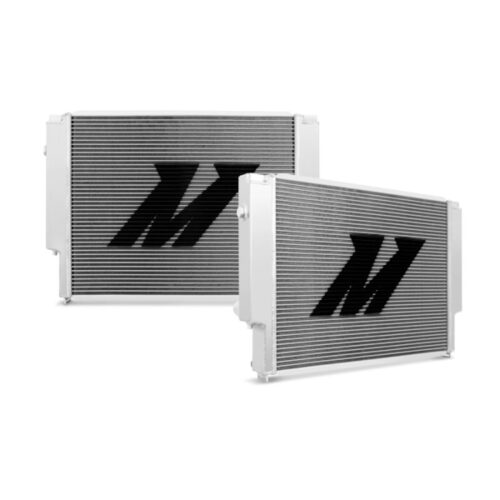
BMW 3-Series E30/E36 +M3 88-99 X-Line Alu Radiator – MMRAD-E36-92X
Radiators guide
A radiator passes the heat that the coolant has collected in the engine into the air flowing through its core. A performance radiator adds capacity over the factory unit, usually with a deeper all-aluminium core. The radiators listed include vehicle-specific aluminium units, universal race radiators and radiators for engine swaps.
Heat rejection depends on core area, the temperature difference between coolant and air, and how much air passes through the fins. A deeper core adds tubes, but each extra row meets air already warmed by the rows ahead, so the gain shrinks with depth and the fan works harder. Where there is room, a larger frontal area is usually the more effective way to add capacity.
Many factory radiators have plastic end tanks crimped onto the core, and heat cycles eventually harden the seal or crack the plastic. An all-aluminium radiator removes that weak point. In a dual-pass design the coolant crosses the core twice, which speeds it through the tubes and helps heat transfer, provided the pump can drive flow through the longer path.
Start with the version made for the car, then decide on capacity.
- Gearbox: some radiators come in manual and automatic versions. The automatic version often carries the gearbox fluid cooler in its tank.
- Capacity: a thicker or larger core adds capacity, but it needs good ducting and fan cover to pay off.
- Universal radiators: listed by size, such as a 26 × 17 × 3.5-inch dual-pass race radiator or a 31.0 × 19.0 × 3.0-inch circle-track radiator. Drag-race radiators are built around short, full-load runs.
- Engine swaps: full-size and half-size radiators for swap layouts trade capacity against space.
Flush the old coolant and loose deposits out of the engine and heater before filling, so they cannot settle in the new core’s narrow tubes. Use a coolant with inhibitors suited to aluminium and renew it on schedule, because a system of mixed metals relies on that inhibitor against galvanic corrosion.
Mount the radiator on its rubber isolators and keep hose and bracket loads off the tanks, as vibration can crack aluminium at stress points. Hot air also needs a way out: a sealed duct to the core helps only if the air behind it can escape through the bonnet, wheel arches or underfloor. Pressure-test the system after fitting and check every hose joint warm and cold.

Store Information
TrackTool Factory
Sluispolderweg 7A
1505 HJ Zaandam
The Netherlands
Chamber of Commerce (KVK): 97296902
VAT: NL867990375B01