
Top brands in Exhaust Gaskets


Popular cars in Exhaust Gaskets
- Honda Civic EKExhaust Gaskets for the Honda Civic EK: 2 products
- Honda Civic MAExhaust Gaskets for the Honda Civic MA: 2 products
- Honda Civic EGExhaust Gaskets for the Honda Civic EG: 2 products
- Honda Civic MBExhaust Gaskets for the Honda Civic MB: 2 products
- Honda CRX EHExhaust Gaskets for the Honda CRX EH: 2 products
- Honda Prelude BB (1997)Exhaust Gaskets for the Honda Prelude BB (1997): 2 products
- Honda Prelude BB (1992)Exhaust Gaskets for the Honda Prelude BB (1992): 2 products
- Honda Civic EDExhaust Gaskets for the Honda Civic ED: 1 product
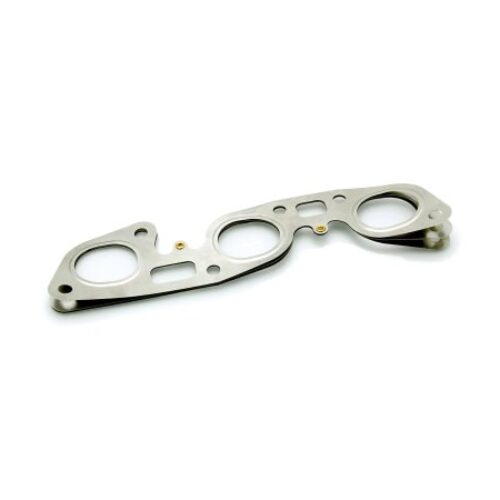
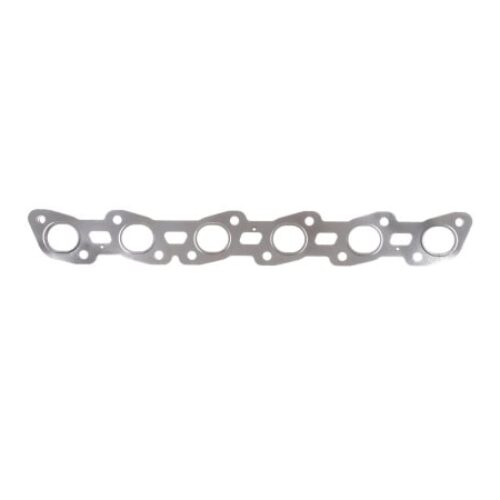


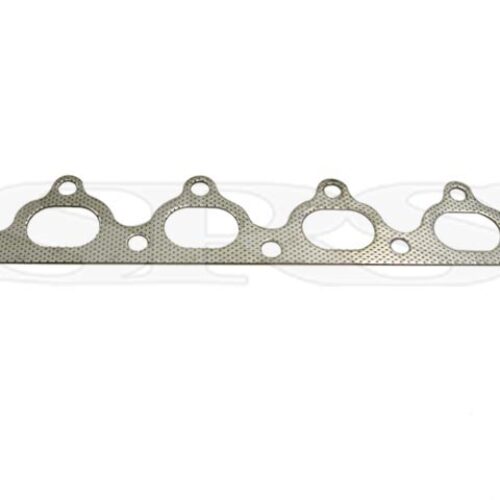


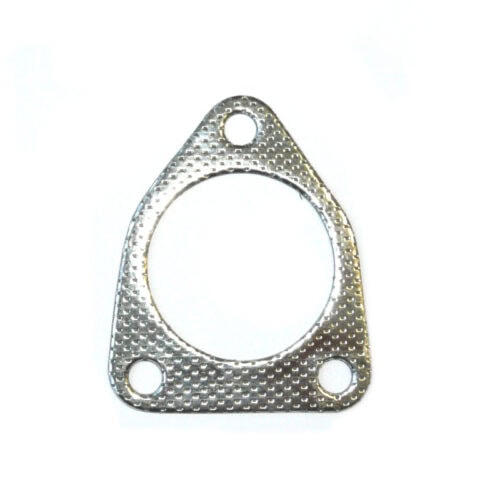

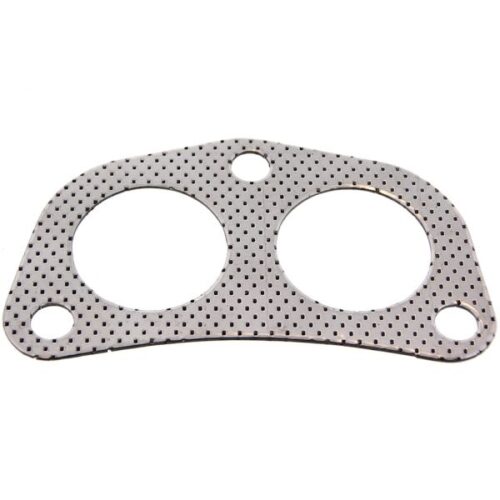
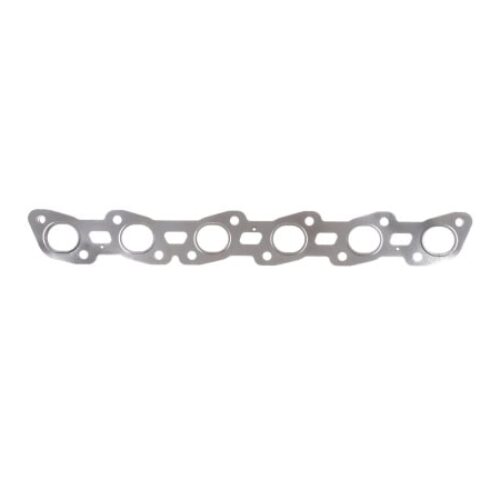
Cometic Exhaust Gasket Nissan RB25 6-Cyl. MLS 0.76mm
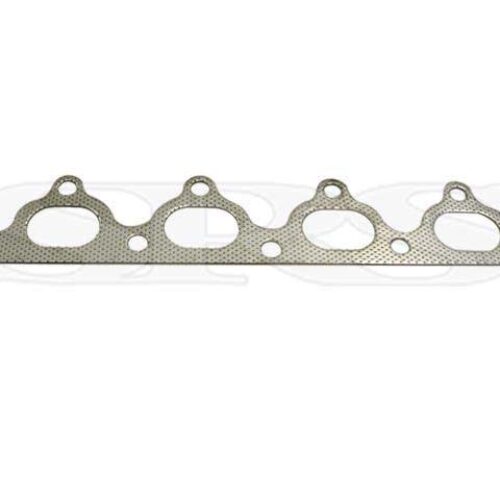
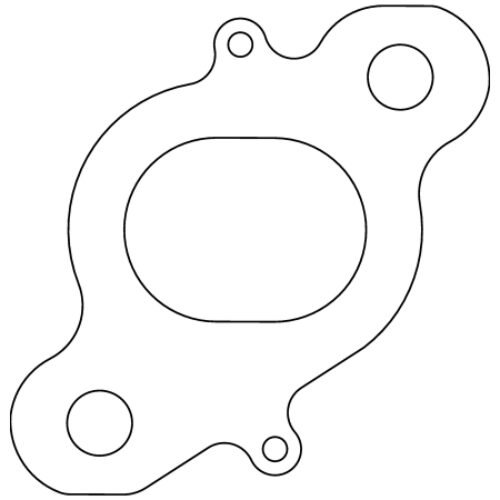
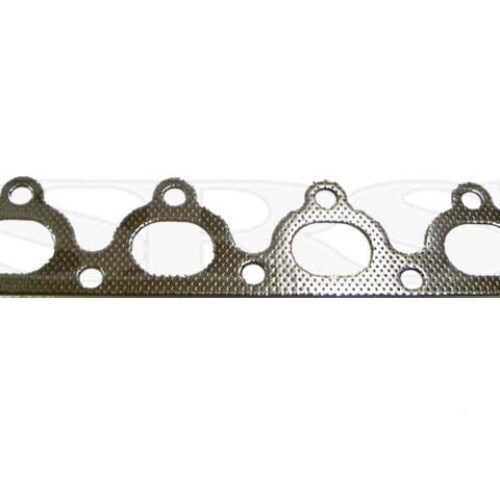
Header Gasket (Prelude 92-01 2.2 VTEC)
Exhaust Gaskets guide
An exhaust gasket seals a bolted joint, where the manifold meets the head or two flanges meet in the system. This category holds flange gaskets for universal bolted joints, header gaskets made for particular engines, ring gaskets, also called donut gaskets, for the joint between a header and the next pipe, and multi-layer steel exhaust gaskets.
Two faces never meet perfectly, and a gasket fills the small irregularities between them while the joint heats, grows and cools. Fibre and graphite gaskets compress to fill the gaps. Multi-layer steel (MLS) gaskets use embossed steel layers that act as springs, and suit engines that run hot or under boost. A ring gasket sits in a curved joint, so the pipes can meet at a slight angle and move a little.
Match the gasket to the joint:
- Flange gaskets: match the bolt pattern and the bore of the flange. The flanges themselves are listed under Exhaust Flanges.
- Header gaskets: listed by engine. Check the engine code on the engine itself rather than the car model, and note whether the header is in one piece or two.
- Ring gaskets: match the outside diameter of the pipe at the joint.
- Multi-layer steel: some are offered in more than one thickness, so check the thickness the engine or header maker calls for.
Fit a new gasket every time a joint is opened: once crushed and heat-cycled, it cannot be relied on to seal again. Clean both faces back to bare metal, check them with a straight edge, and fit the gasket dry unless its maker calls for sealant. Tighten the nuts evenly in steps and check them again after the first heat cycles. A ticking at cold start that fades as the engine warms is the usual sign of a leaking gasket.

Store Information
TrackTool Factory
Sluispolderweg 7A
1505 HJ Zaandam
The Netherlands
Chamber of Commerce (KVK): 97296902
VAT: NL867990375B01