Top brands in CAN Devices

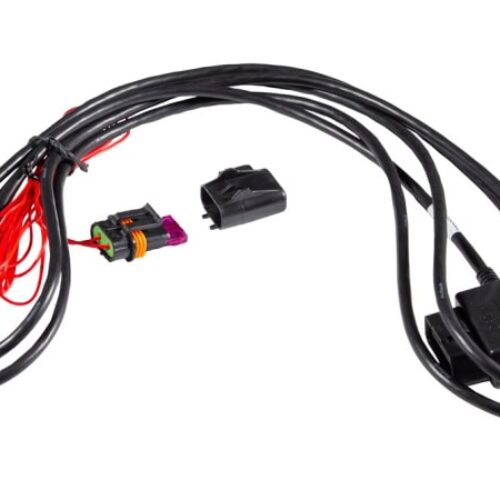
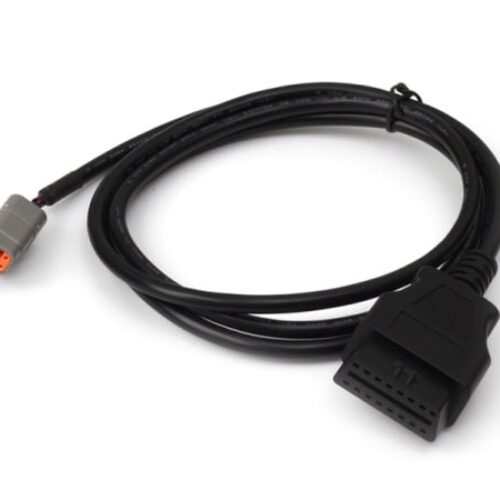


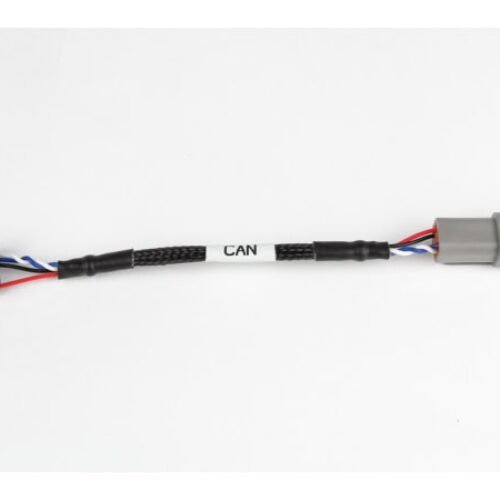
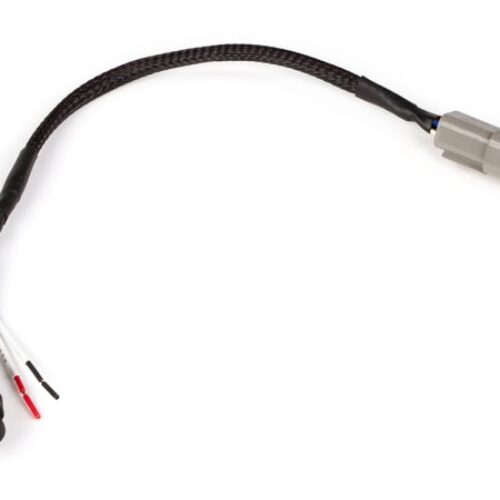
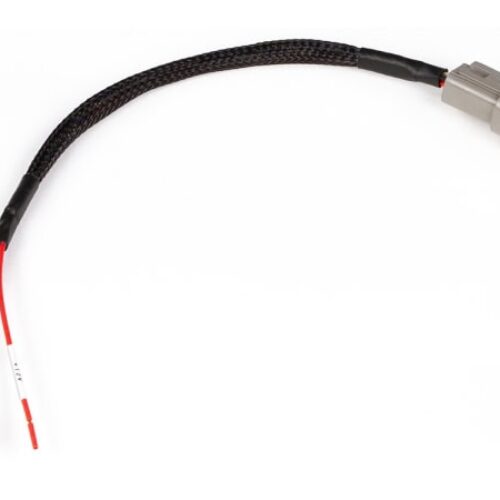
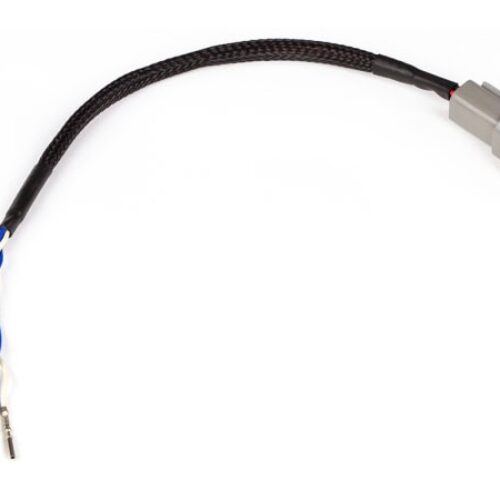
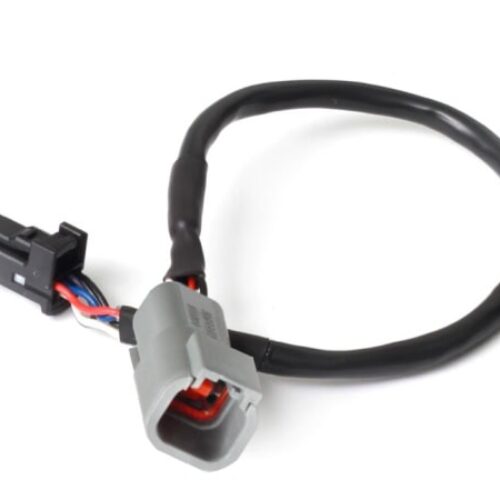
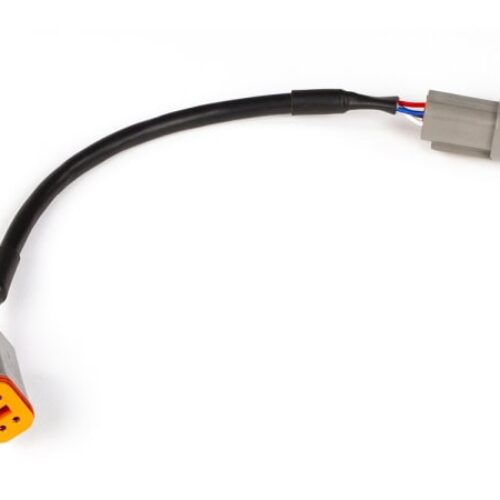
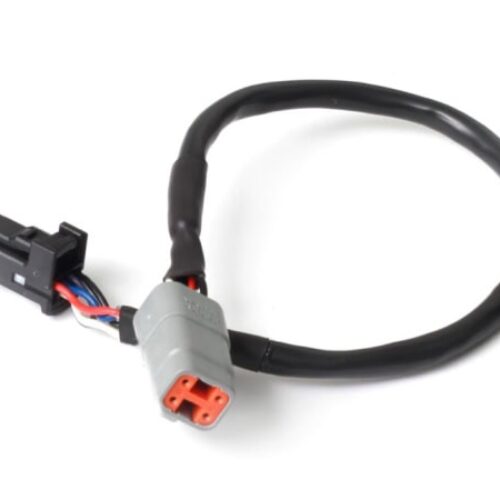
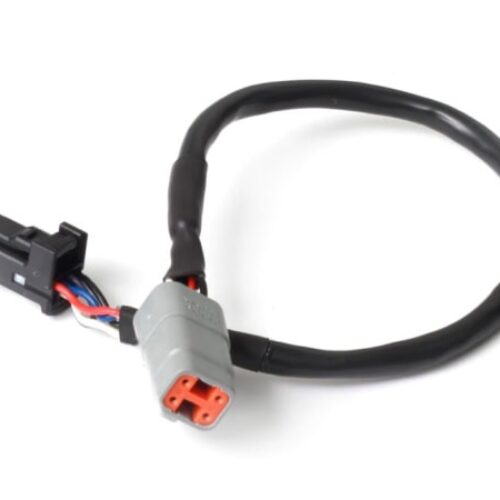
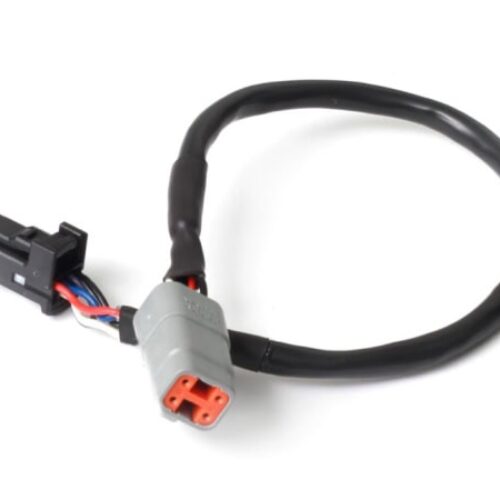
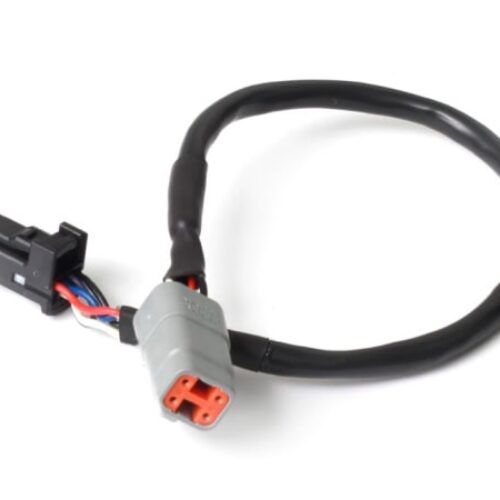
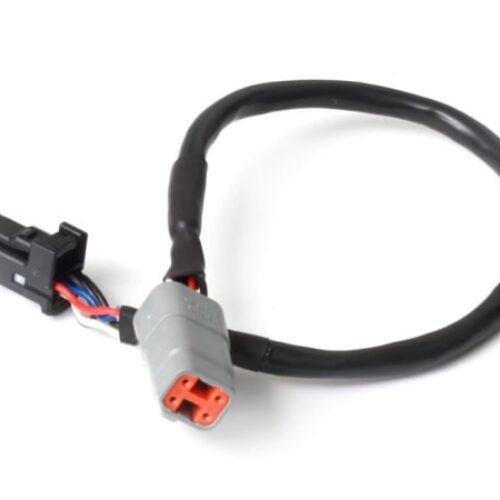
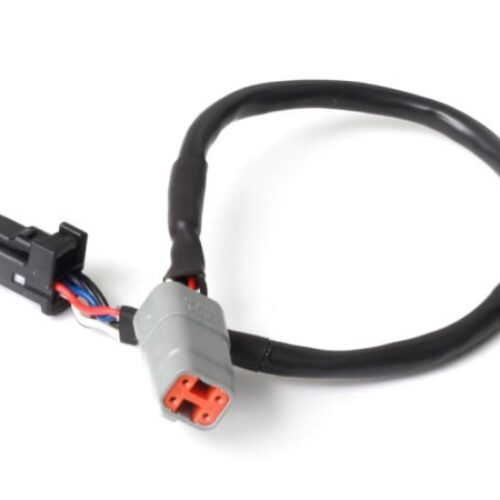
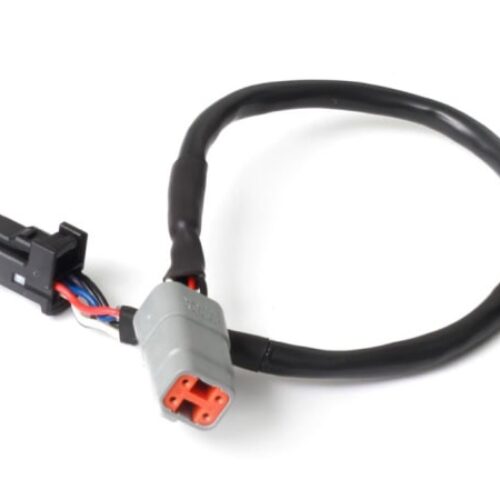
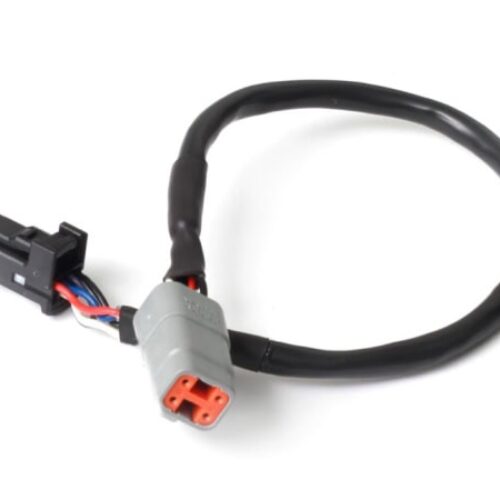
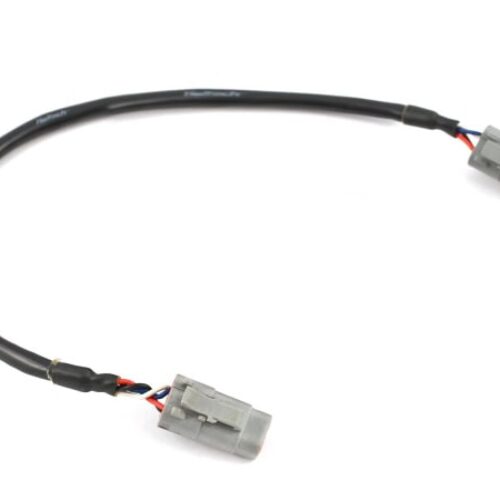
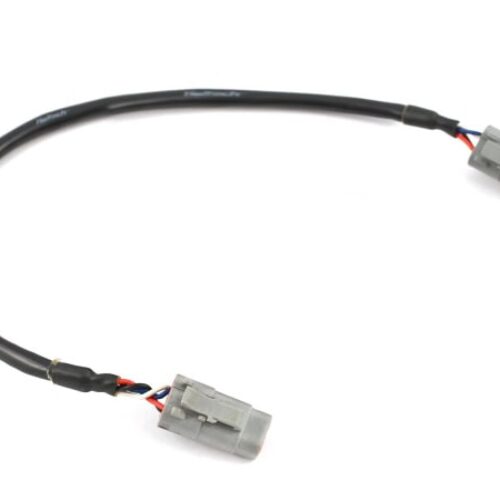
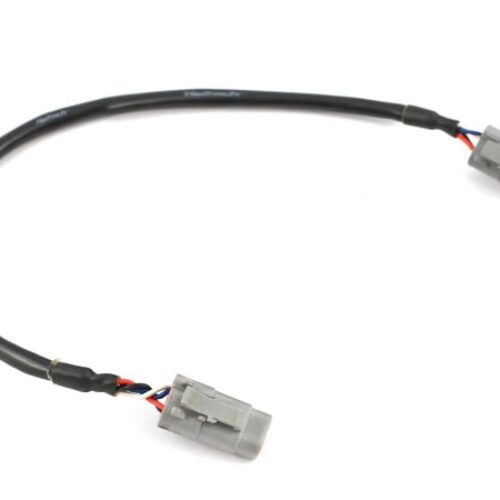
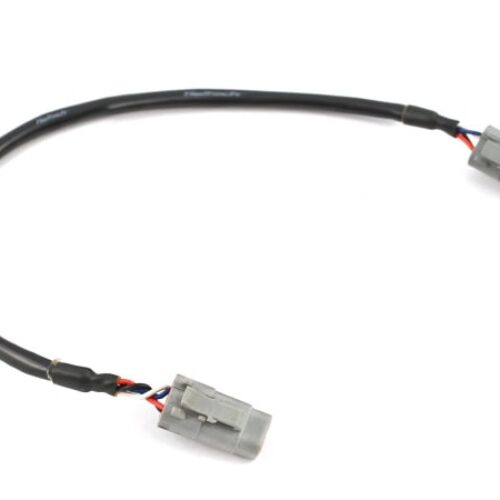
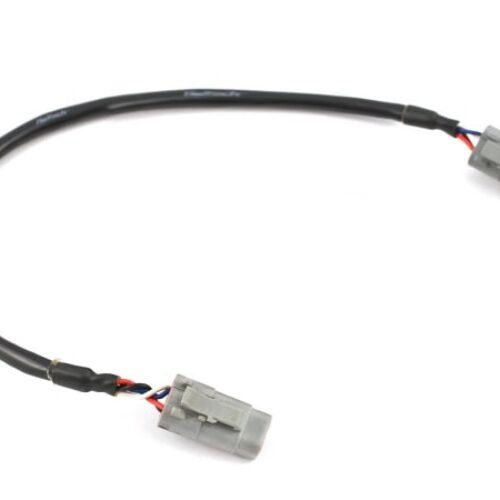
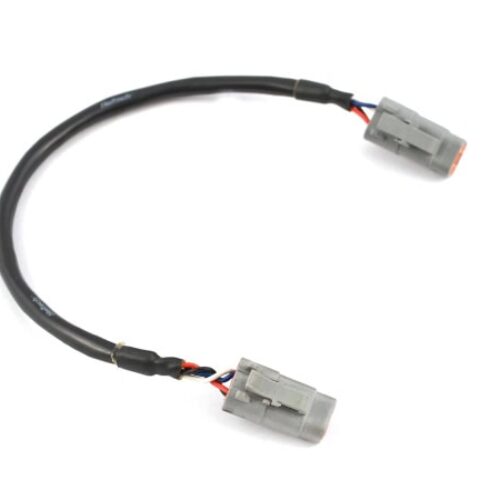
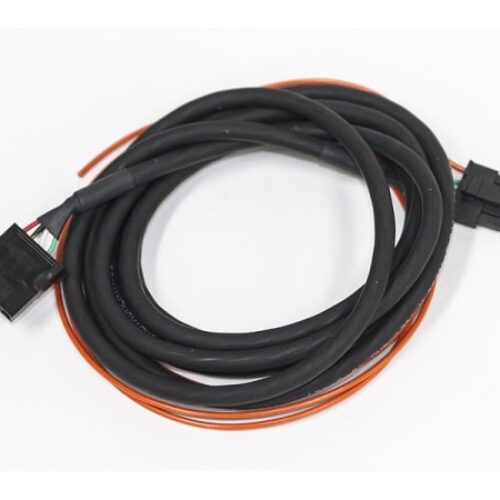
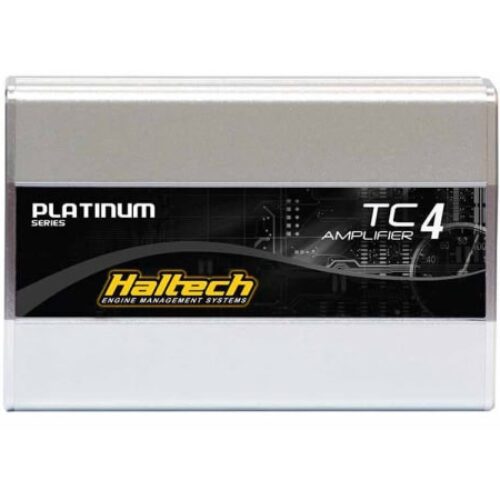
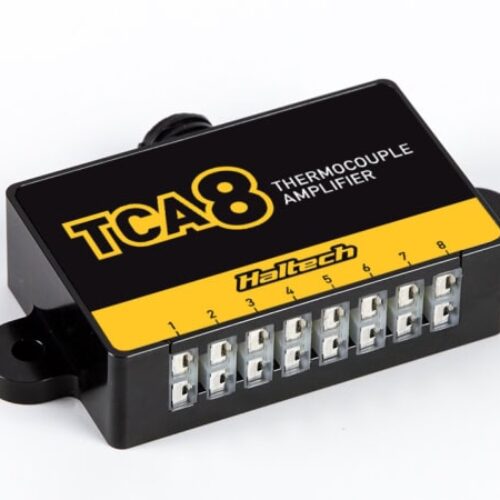
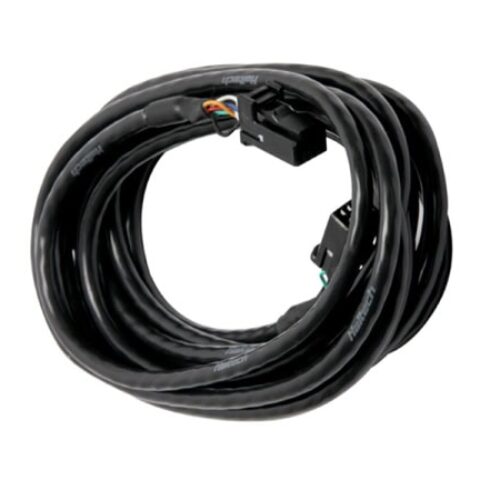
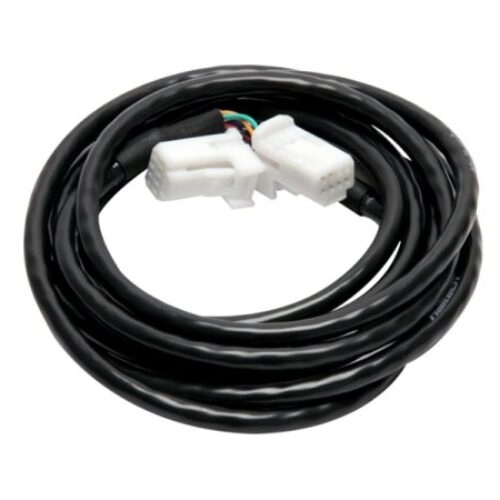
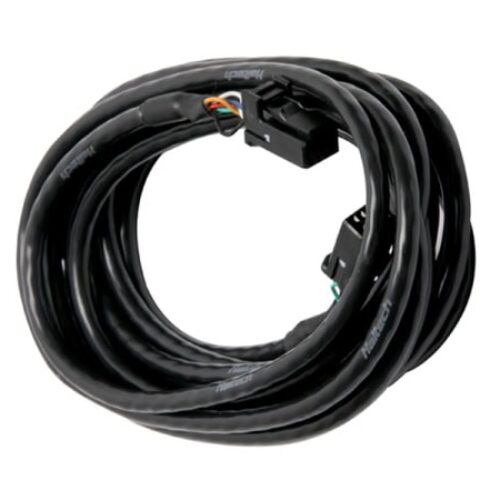
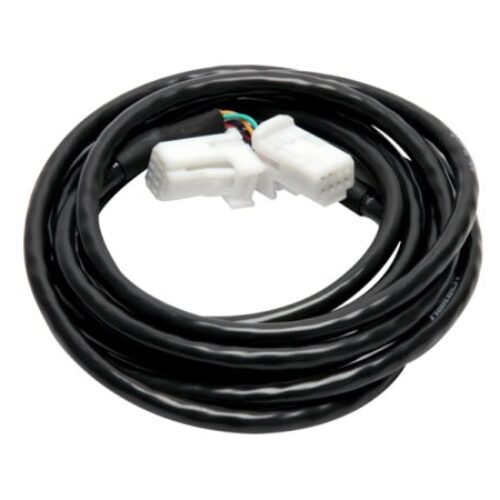
Haltech TCA 8 Eight Channel TCA
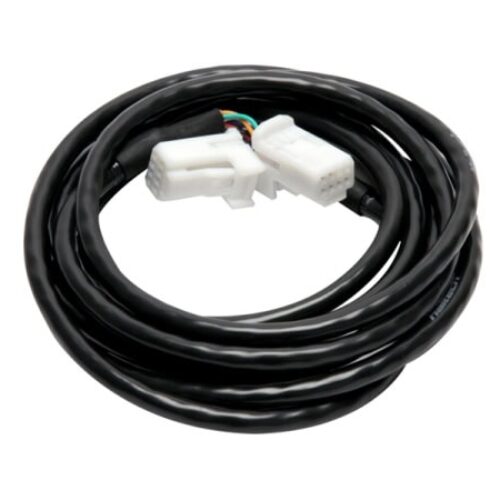
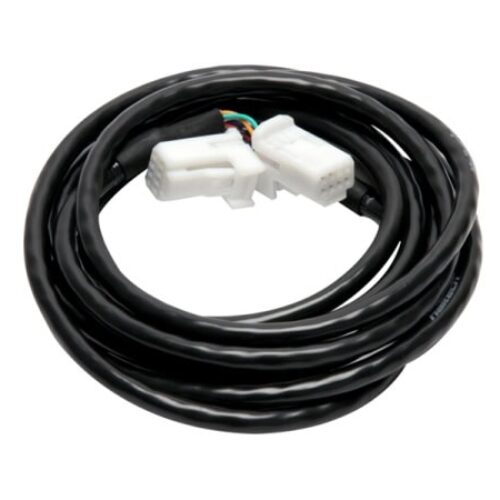
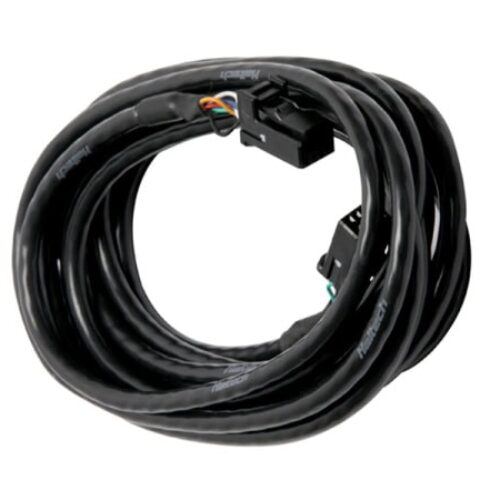
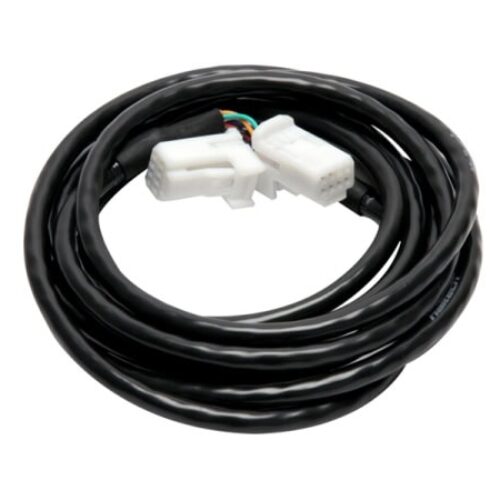
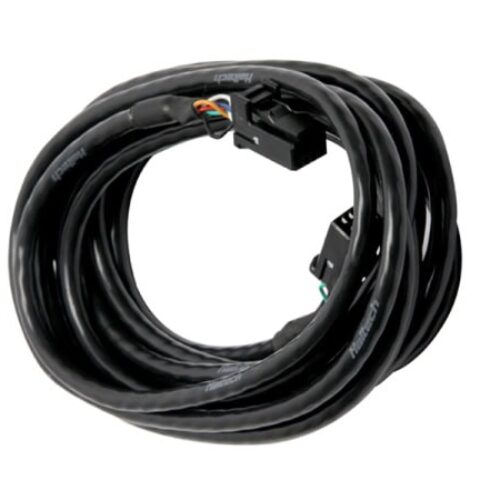
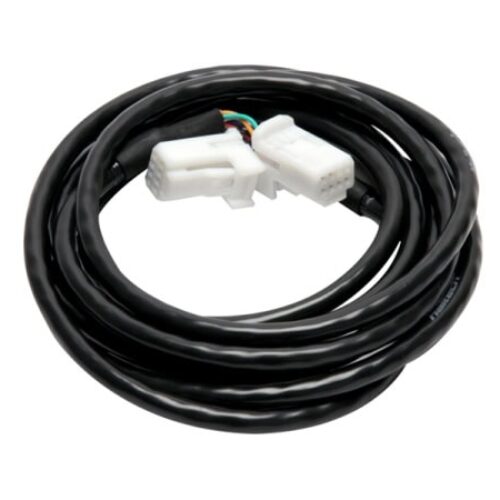
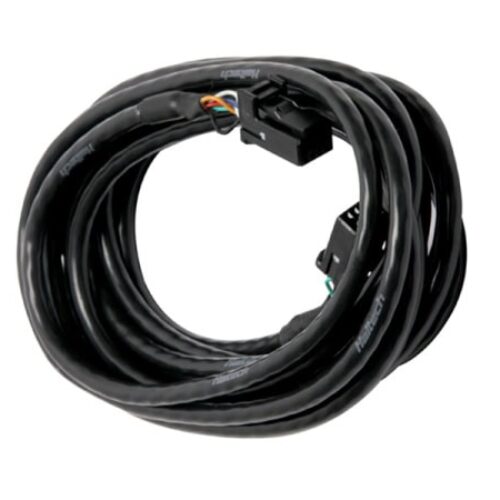
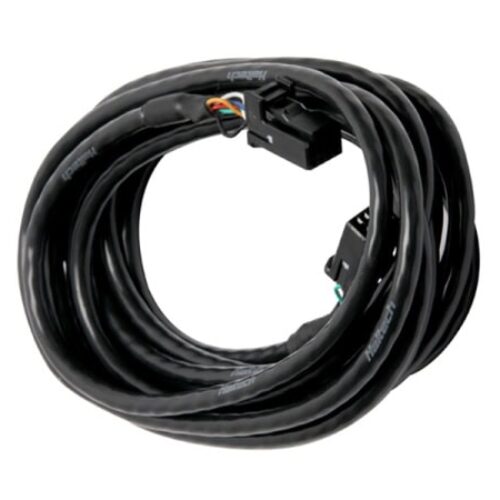
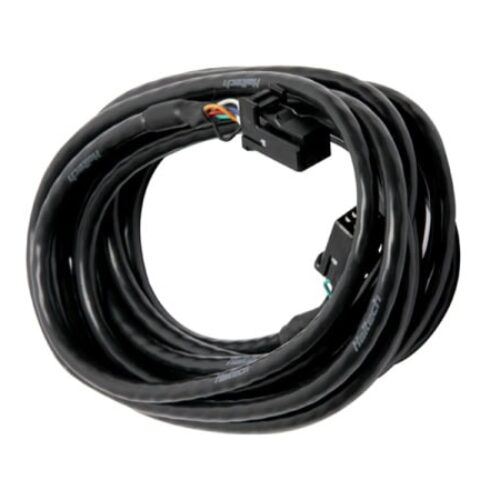
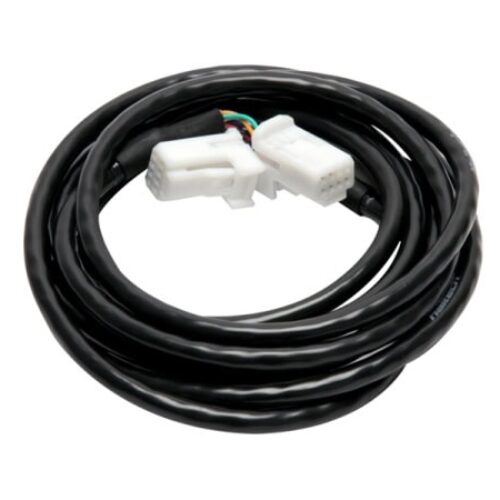
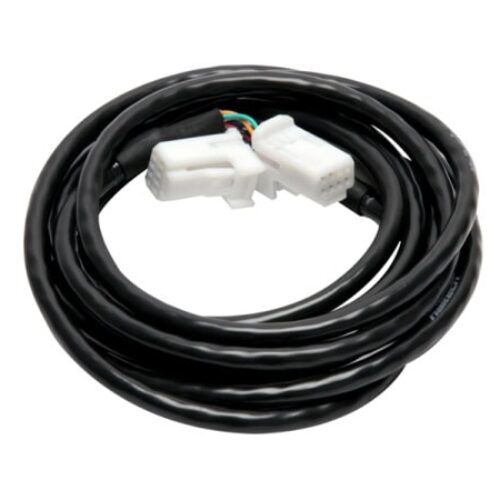
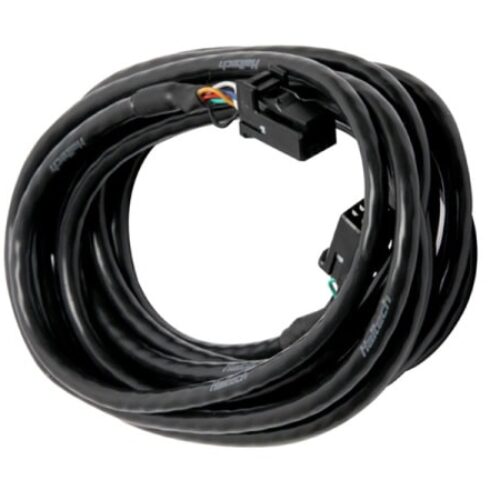
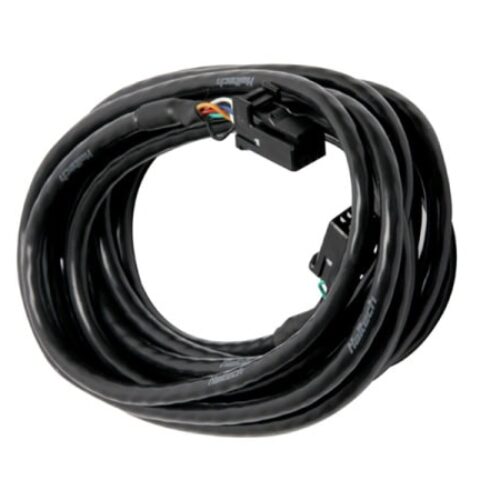
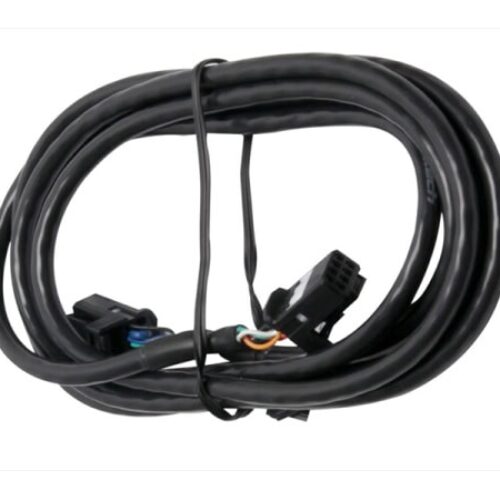
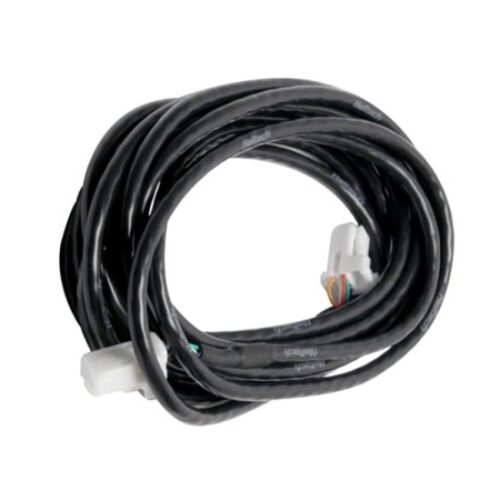
CAN Devices guide
CAN devices join the parts of an electronic system on one shared data network, so the ECU, dash, expanders and other devices exchange data over the same pair of wires. This page holds network cables, a hub, adaptor looms for other makers’ devices, cables to a car’s diagnostic socket, cables for linking CAN gauges, and thermocouple amplifiers that put exhaust temperatures onto the network.
A CAN bus is a twisted pair, CAN high and CAN low, carrying a differential signal that resists electrical noise. Every device hears every message, and an identifier in each one tells the others what it holds. The bus needs a terminating resistor at each of its two ends, or signals reflect and messages are lost.
Two identical devices on one bus would clash, which is why the amplifiers come as Box A and Box B versions, and an eight-channel version also comes programmed as two four-channel boxes. A thermocouple produces a tiny voltage set by the temperature difference between its tip and the amplifier end; the amplifier measures it, corrects for its own temperature and sends the result as data.
Match the parts by connector, length and channel count:
- Network cables: listed by the plug at each end and by length. Converter cables join one plug type to another, so check both ends.
- Hub and adaptors: a hub for branching the network, and adaptor looms for other makers’ ECUs and devices.
- Diagnostic cables: cables from the network to a car’s diagnostic socket, for reading data from a factory engine computer.
- Gauge cables: daisy-chain and extension cables for running several CAN gauges.
- Amplifiers: two-, four- and eight-channel boxes. Count the probes first, and choose A or B versions so two boxes can share the bus.
Keep the network as one line with short branches, never closed into a loop. With the power off, a resistance check between CAN high and CAN low confirms that both terminators are in place. Secure the cables so no plug carries their weight, and keep them away from coil leads. Thermocouple probes are listed under Engine Sensors, their weld-on bases and fittings under Sensor Fittings & Mounts, and CAN keypads under Electrical › Switches and Push Buttons.
Recently Viewed Products

Store Information
TrackTool Factory
Sluispolderweg 7A
1505 HJ Zaandam
The Netherlands
Chamber of Commerce (KVK): 97296902
VAT: NL867990375B01