Top brands in Flexible Pipes




Showing 1–48 of 159 resultsSorted by latest


Flexible Pipes guide
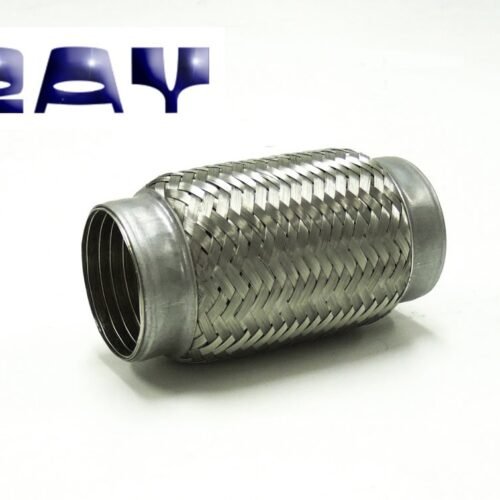
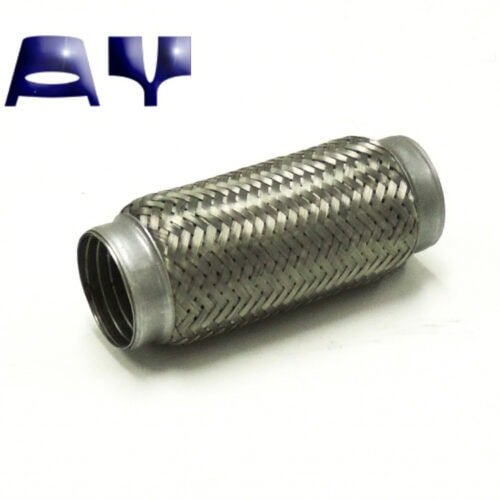
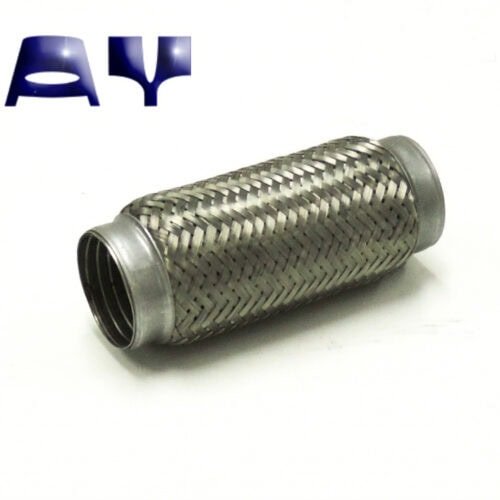
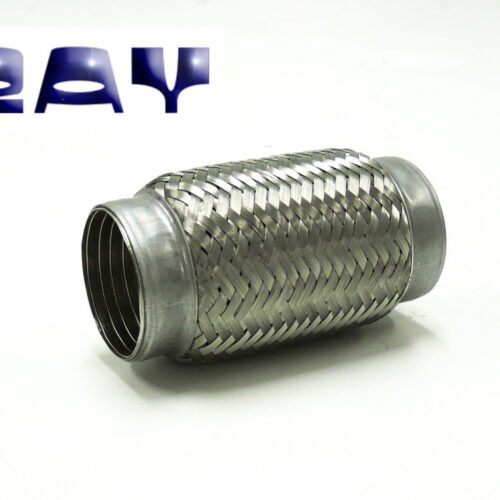
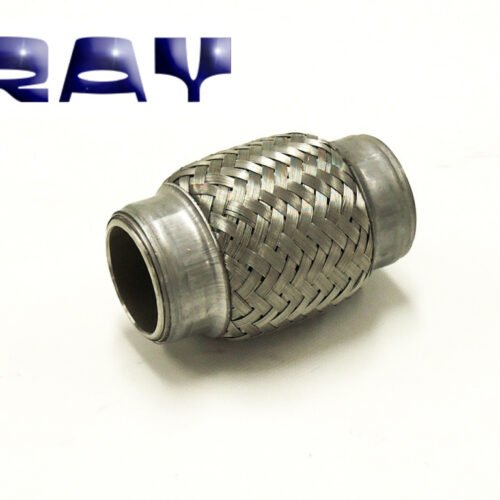
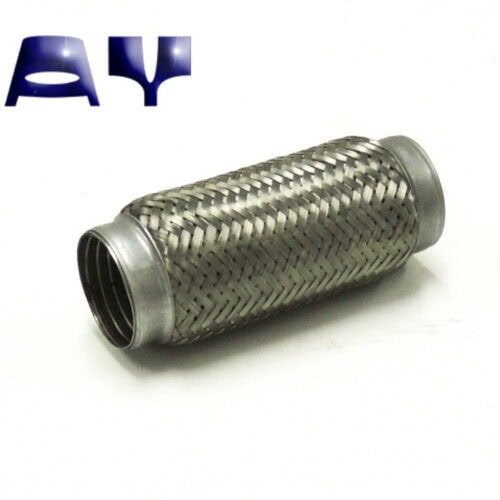
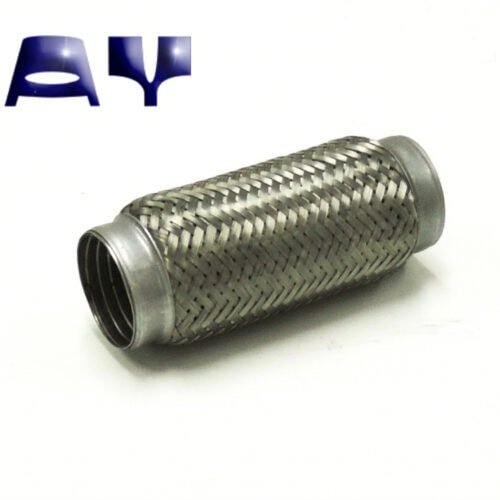
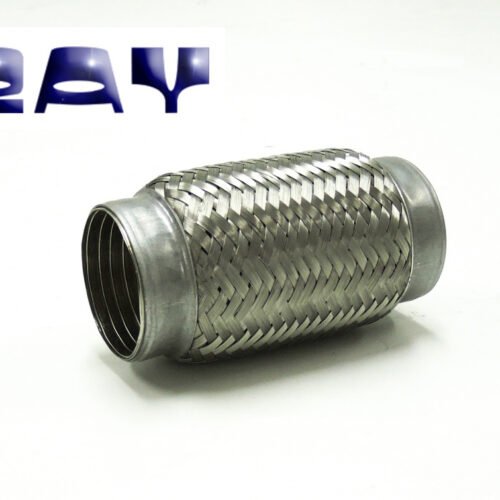
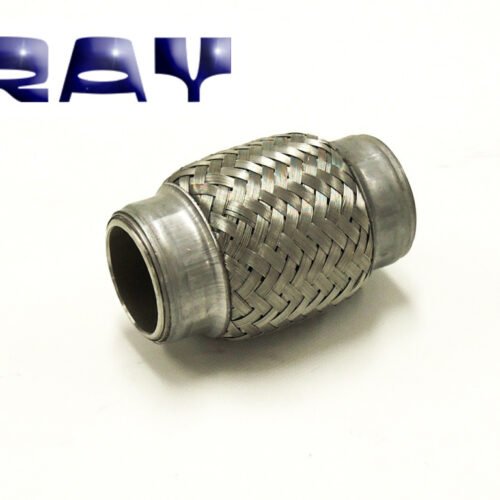
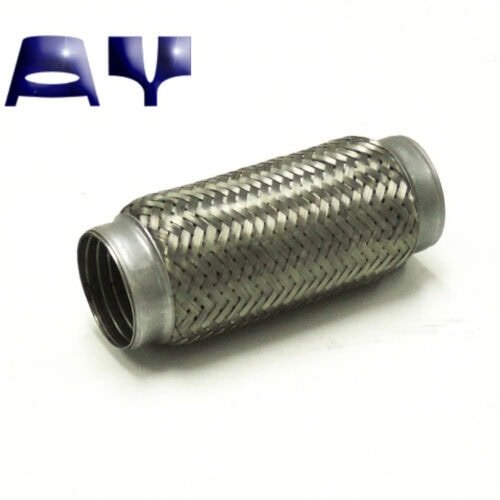
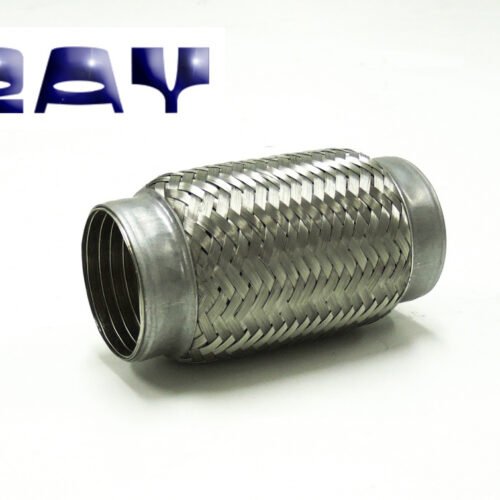
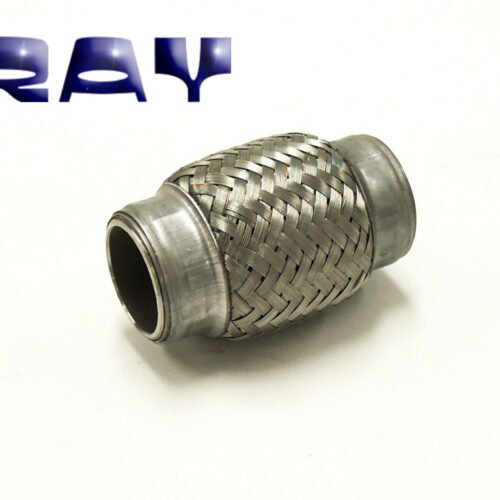
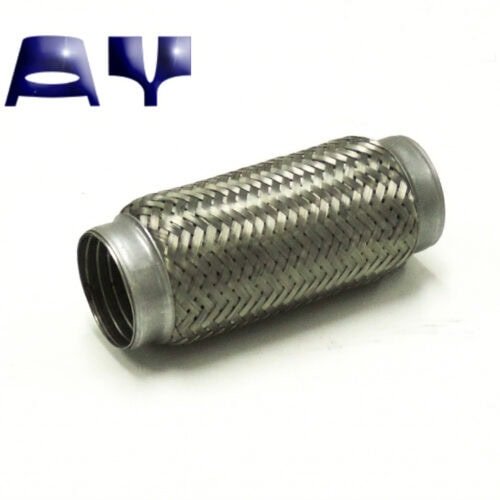
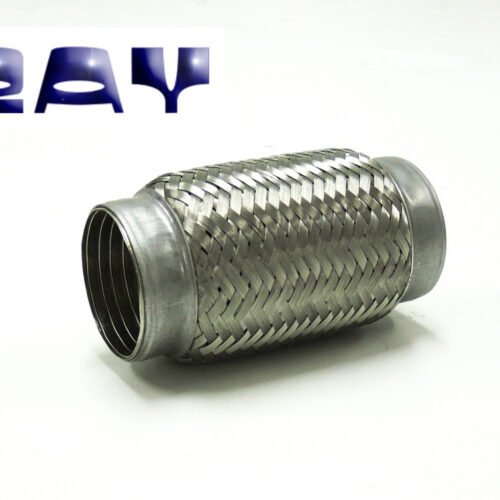
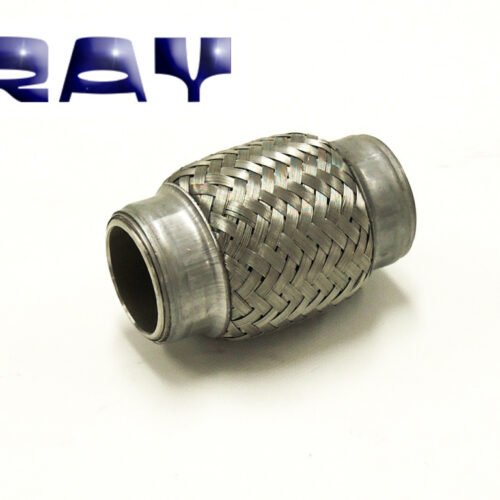
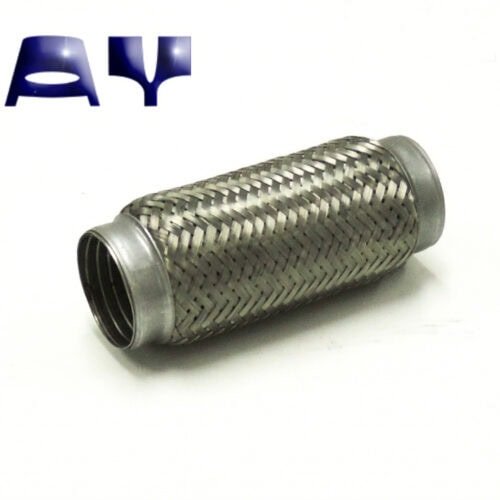
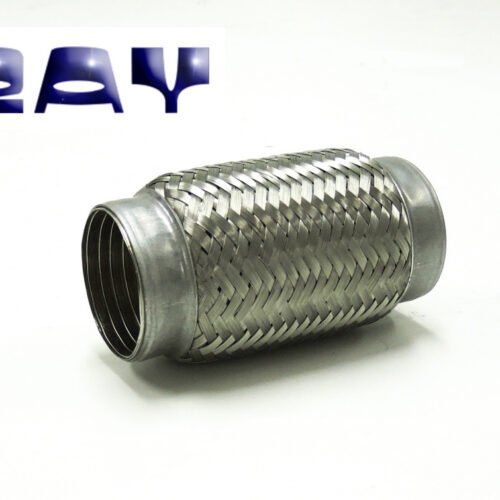
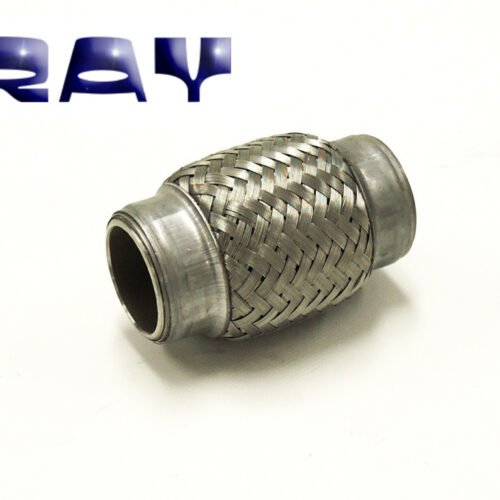
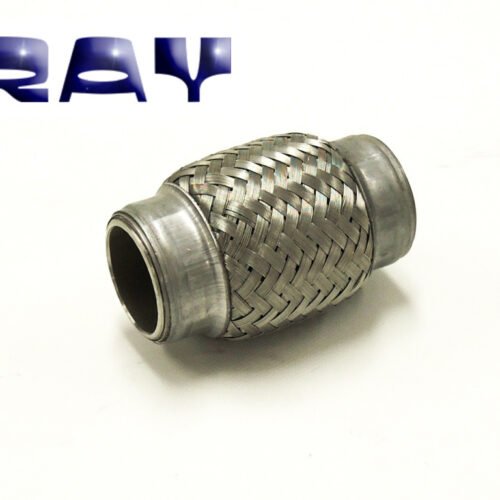
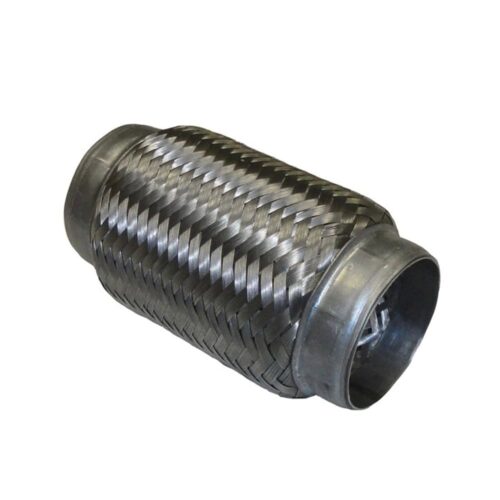
A flexible pipe is a short, bendable section that lets the engine move on its mounts without cracking the exhaust. Typically built from a corrugated stainless steel bellows with a liner and an outer braid, it also absorbs vibration and some thermal growth. Sections are listed by diameter and length for building into a system.
Under load the engine rocks on its rubber mounts, while the rest of the exhaust hangs from the body. Without a flexible joint, that movement loads the manifold, turbo flange or downpipe joint at every gear change, and welds or studs eventually crack. The bellows carries the gas and allows the movement. The liner shields it from hot, pulsing flow, and the outer braid protects it from stones.
A flexible section takes small movements in several directions. It is not made to act as a bend, or to be stretched or squashed into place, and a bellows fitted under strain fatigues quickly.
Pick a section by size and construction:
- Diameter: listed from 45 to 127 mm, including 50, 57, 60, 64, 76 and 90 mm. Titles give the diameter first and then the length, so 60-150 means a 60 mm pipe 150 mm long.
- Length: from 100 to 400 mm. A longer section spreads the same movement over more corrugations, so use the longest that fits a straight part of the run.
- Liner: titles name an interlock liner or an inner braid. An interlock liner, wound from interlocking strip, shields the bellows well from heat and gas pulses. An inner braid lines it with woven mesh instead, which keeps the section more supple.
Fit the flexible section as near the engine as the heat allows, usually in the downpipe or front pipe. Keep it straight and at its free length, with the braid shielded from weld spatter. The hangers must carry the system’s weight, so the flexible section never sags or acts as a support.
Inspect the braid and the welded ends at each service. Soot streaks, broken braid wires or a ticking noise under load mean the bellows is leaking or fatigued. A failed section cannot be repaired reliably, so replace it rather than wrapping or patching it.

Store Information
TrackTool Factory
Sluispolderweg 7A
1505 HJ Zaandam
The Netherlands
Chamber of Commerce (KVK): 97296902
VAT: NL867990375B01