

Top brands in Oil Coolers





Showing 1–48 of 166 resultsSorted by latest
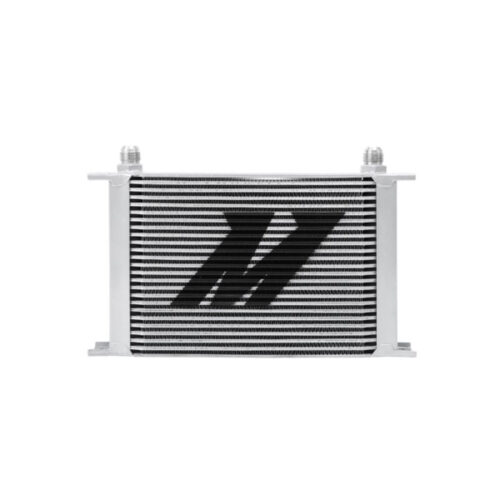

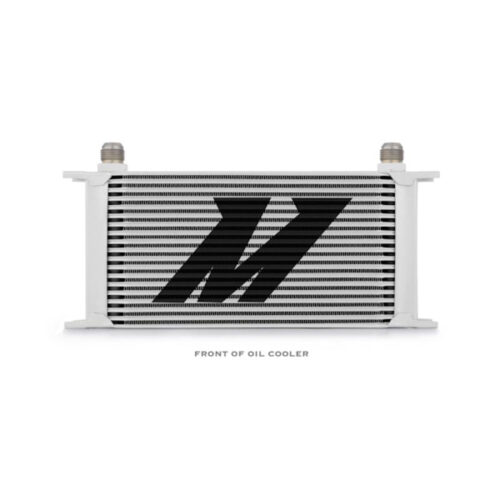
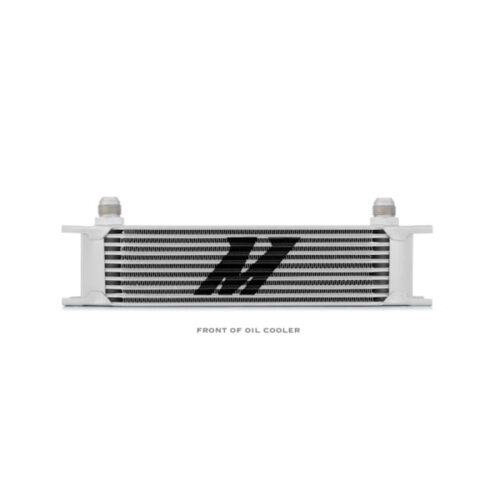


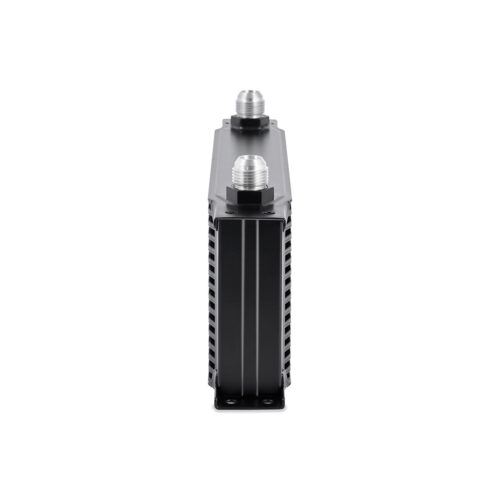
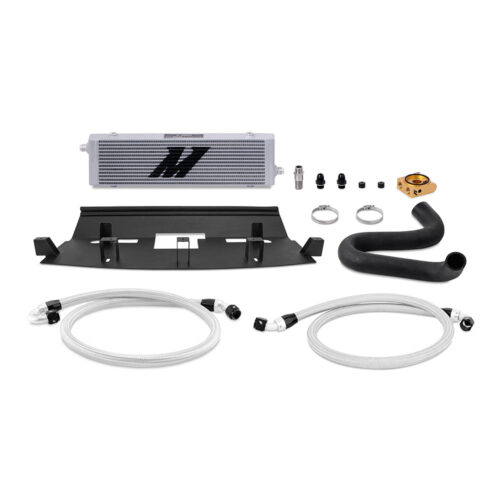

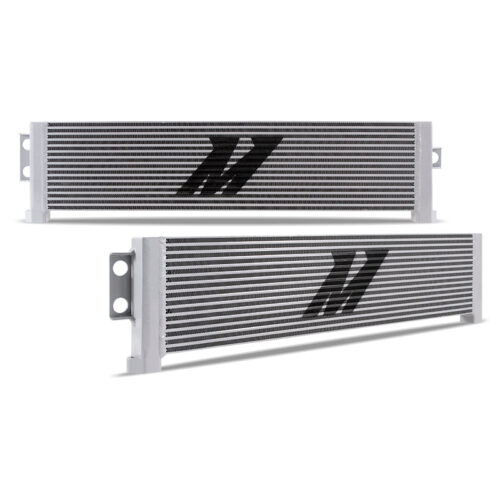

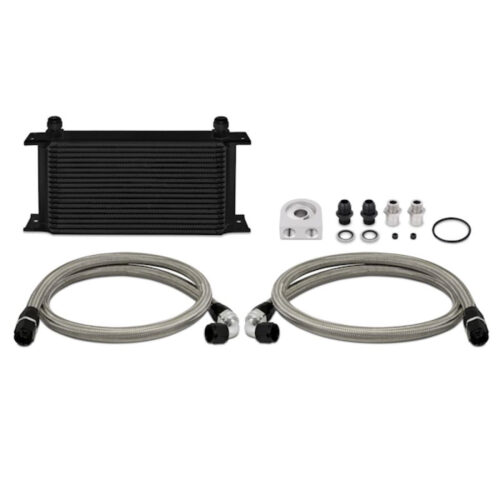
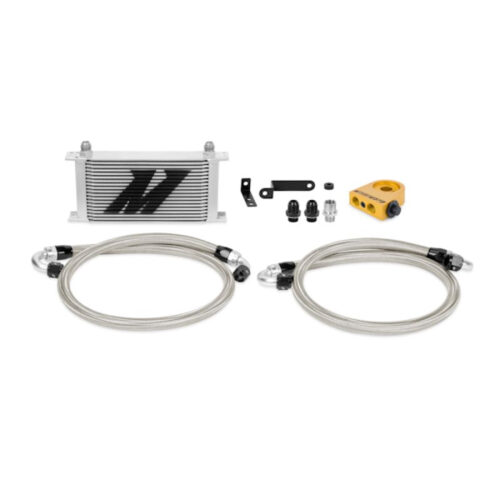
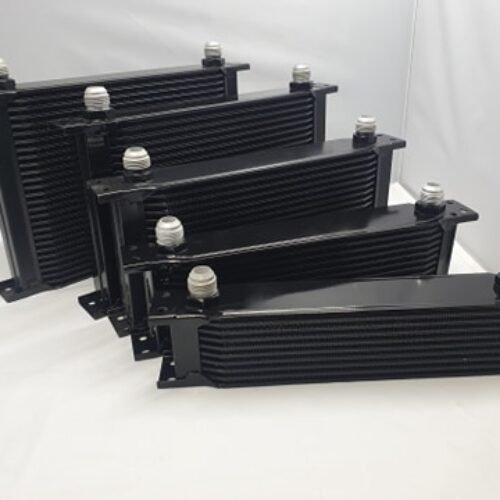
RMT Racing Universal Oil Cooler – 7 Rows, Black
RMT Racing Universal Oil Cooler – 30 Rows, Black
RMT Racing Universal Oil Cooler – 28 Rows, Black
RMT Racing Universal Oil Cooler – 25 Rows, Black
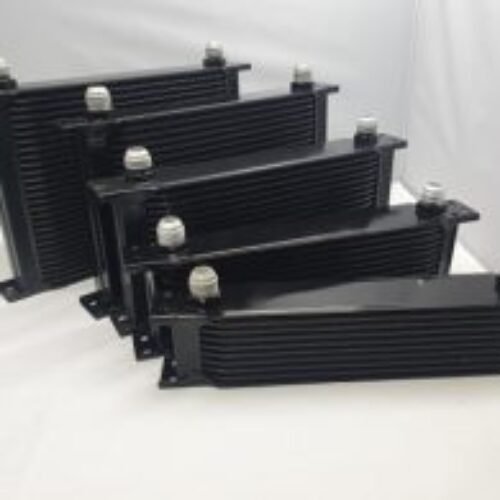
RMT Racing Universal Oil Cooler – 19 Rows, Black
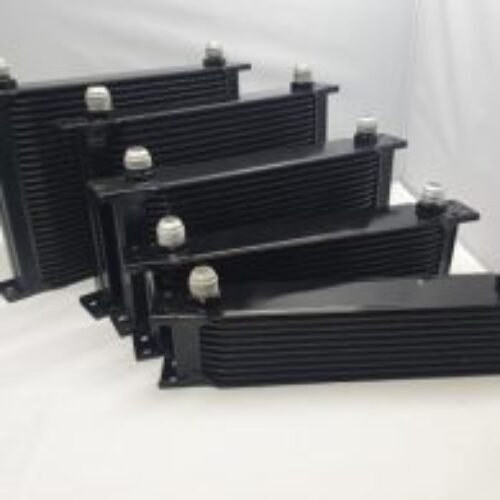
RMT Racing Universal Oil Cooler – 16 Rows, Black
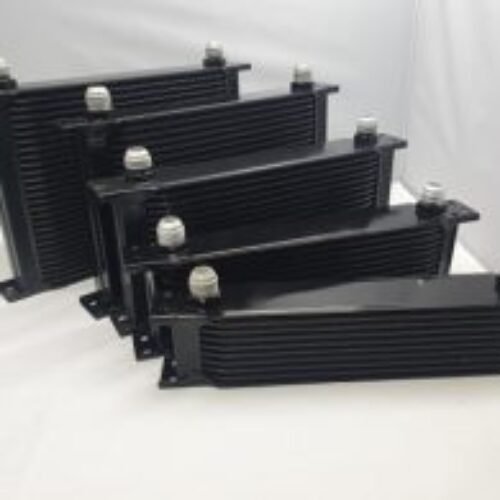
RMT Racing Universal Oil Cooler – 13 Rows, Black
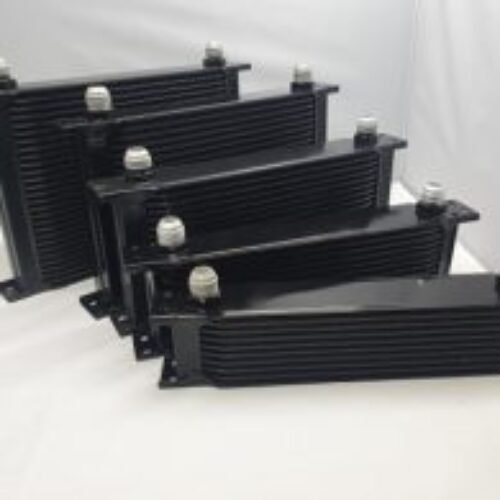
RMT Racing Universal Oil Cooler – 10 Rows, Black
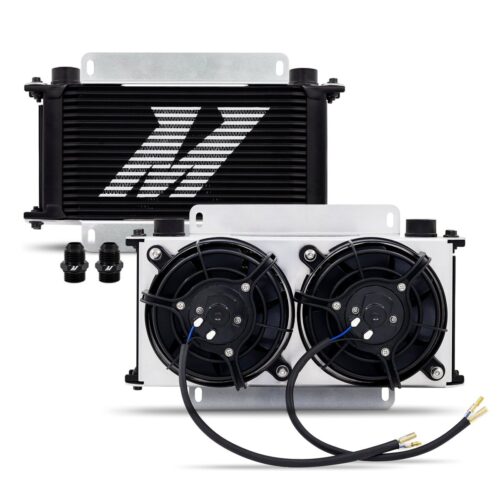
Universal Oil Cooler Kit, 19-Row Cooler + 2x 5″ Fans – MMOC-19-K
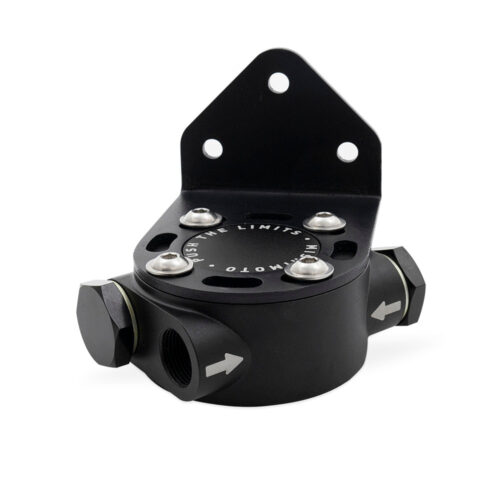
Remote Oil Filter Head 3/4-16 Thread Black – MMOC-RFH-34BK
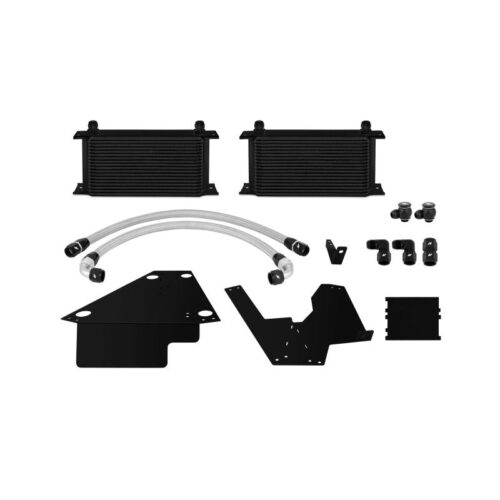
Mitsubishi EVO x Oil Cooler Kit Silver Black – MMOC-EVO-08BK

Mitsubishi EVO x Oil Cooler Kit Silver Silver MMOC-EVO-08 – MMOC-EVO-08





Oil Coolers guide
An oil cooler takes heat out of the engine oil by passing it through a finned core in the airflow. Oil thins as it heats, and under sustained load it can fall below the viscosity that bearings, piston rings and turbo were designed around. Universal coolers, vehicle-specific kits and thermostatic kits make up the range.
Oil carries heat away from pistons, bearings and the turbo. On the road the sump and any factory oil-to-coolant exchanger usually cope, but on a circuit oil temperature can climb lap after lap, and hot oil ages faster.
Core size is given in rows, each a flat passage the oil crosses. More rows add surface and parallel paths, which raises cooling and lowers the pressure drop. Cold oil does harm too: it holds the water and fuel left by blow-by, so a thermostat should bypass the core until the oil is warm.
Start from a mounting space with clean air, then pick the core.
- Rows and size: cores are listed by row count, such as 10, 19 or 34 rows, and by width, such as 210, 330 or 406 mm. With a thermostat in the circuit, spare capacity costs mainly space and weight.
- Flow layout: a dual-pass core sends the oil across twice, with both ports at one end for simpler plumbing and higher oil speed. A cross-flow core runs it across once, end to end.
- Kit or core: vehicle-specific kits are made for one car and usually bring brackets, lines and a sandwich plate; a universal core leaves layout and fittings to you.
- Thermostatic or plain: thermostatic kits and coolers let the oil warm up before the core takes over. Pair a plain cooler with a thermostat elsewhere in the circuit.
- Ports and filtration: some universal coolers use -8AN ports. An in-line pre-filter with -6AN ends protects the core from debris, and a remote filter head with a 3/4-16 thread moves the filter somewhere accessible.
Mount the core where the air reaching it has not already passed through the radiator, behind a mesh if it sits low. Use hose rated for hot oil, keep runs short with gentle bends, and clip the lines so they cannot chafe. Cooler and lines add oil volume, so top up after the first run and check every joint once it has cooled.
Straighten bent fins gently. After a bearing or turbo failure, replace the cooler rather than flushing it, because debris trapped in the passages can be released into the rebuilt engine.
Recently Viewed Products
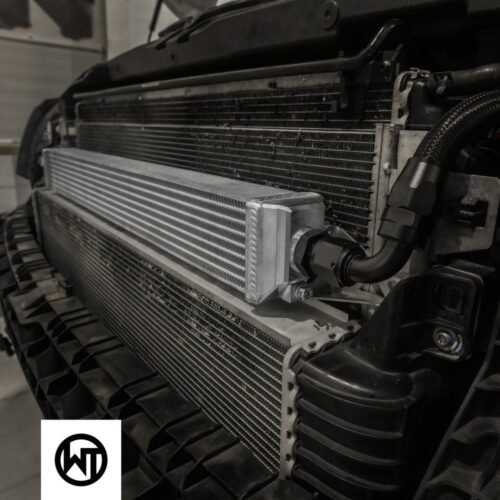
Wagner Tuning Upgrade Oil Cooler – VW T6 2.0(Bi)TDI [2015-2019]
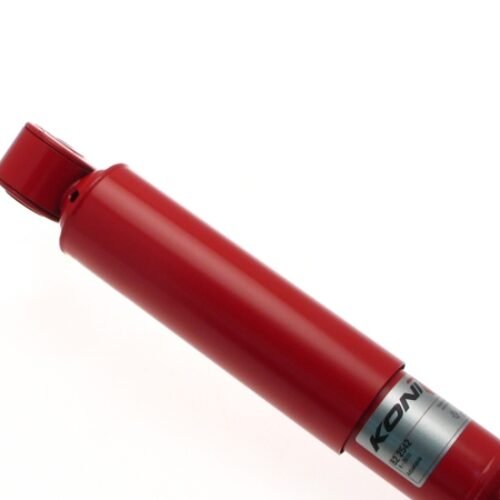
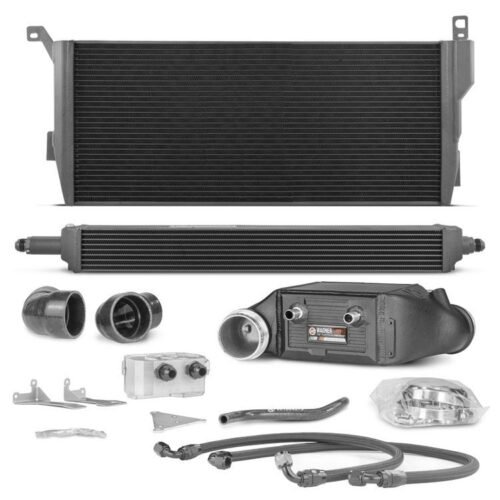
Wagner Tuning Competition Performance Package – Volkswagen Transporter T6, T6.1 2.0BiTDi 146-150kw 2015-2019


SG2FC1877 – EBC SG2FC 2-Piece Slotted Brake Discs; Front

Store Information
TrackTool Factory
Sluispolderweg 7A
1505 HJ Zaandam
The Netherlands
KvK 97296902
BTW NL867990375B01
