

Top brands in Engine & Transmission Mounts

Showing all 9 resultsSorted by latest
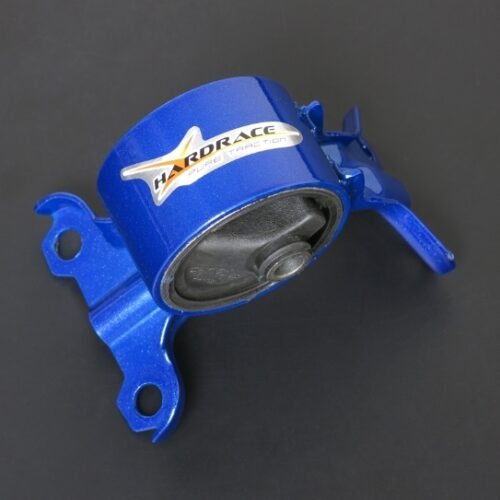
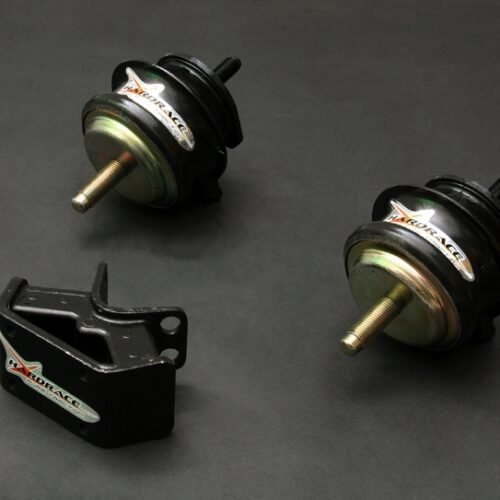


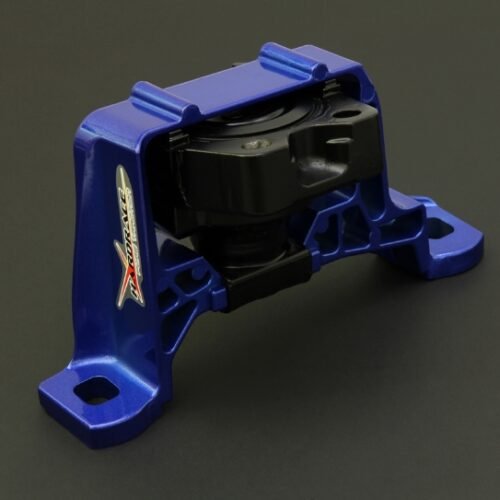
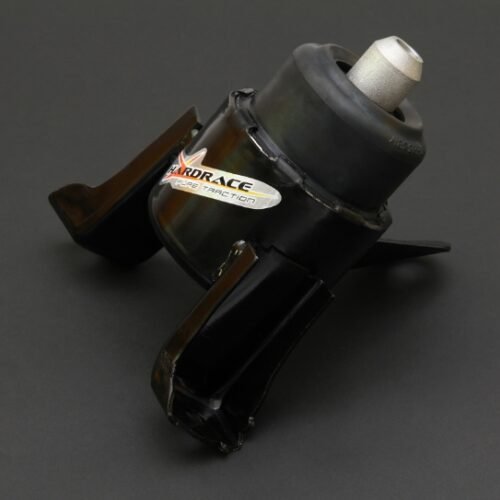


Engine & Transmission Mounts guide
Engine and transmission mounts hold the engine and gearbox in the car and keep their vibration away from the body. The mounts listed here are hardened and reinforced replacements, identified by position, such as left or right side, and by model.
Whenever torque passes through the driveline, the engine rocks against its mounts in the opposite direction. Soft or worn rubber lets it move too far: the car thumps as the throttle opens or closes, the wheels hop on launches and the gear change turns vague. A harder or reinforced mount limits that movement and keeps the drivetrain steadier.
The trade-off is vibration. A firmer mount passes more engine vibration into the cabin, mostly at idle and low revs, which shows most on long road journeys.
Points to check:
- Position: titles give the side, or the model the mount is for. A worn mount next to a new one still lets the engine move, so inspect them all.
- Use: hardened and reinforced mounts suit cars that see track days or hard launches, while a fresh standard mount may be enough on the road.
- Vehicle: match model and engine exactly, as mount brackets differ between engine versions.
Support the engine with a jack or hoist and change one mount at a time, so the engine and gearbox keep their position in the car. Leave the bolts slightly loose until all are in, then torque them to the vehicle maker’s figure with the engine settled. Check that hoses, the exhaust and the gear linkage clear the body as the engine rocks, and inspect the rubber for cracks at each service.

Store Information
TrackTool Factory
Sluispolderweg 7A
1505 HJ Zaandam
The Netherlands
KvK 97296902
BTW NL867990375B01
