Top brands in Heat Management


Showing all 3 resultsSorted by latest

Heat Management guide
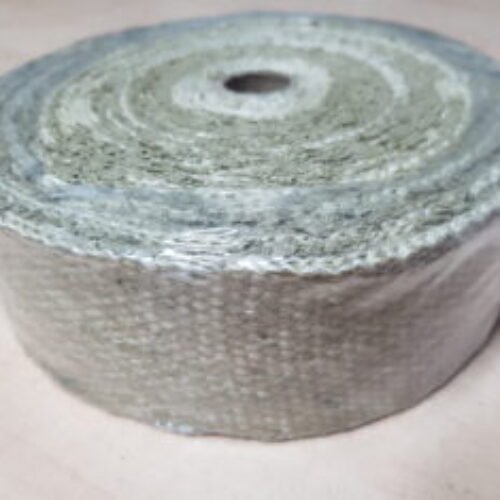
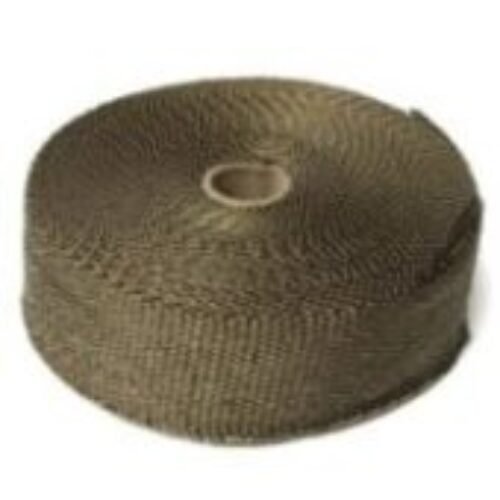
Exhaust heat wrap is a woven tape wound around the pipework to keep heat inside the exhaust rather than letting it radiate into the engine bay. The range covers a titanium and glass-fibre wrap rated to 800 °C, a standard wrap and a black heat tape, the last two in 50 mm × 15 m rolls.
Under the bonnet, the manifold and downpipe radiate heat into wiring, hoses, brake and clutch lines and the intake. Wrapping them cuts that radiant heat, which can lower under-bonnet and intake air temperatures. The pipe itself runs hotter under the wrap, though, and wrap that stays damp can speed up corrosion on mild steel.
Choose by temperature and job:
- Temperature rating: the titanium and glass-fibre weave is rated for continuous use up to 800 °C. It is also listed as resistant to water and oil.
- Size: the standard wrap and the black heat tape are 50 mm wide and 15 m long. Overlapping turns use far more wrap than the pipe length suggests, so measure first.
- Where to wrap: the manifold, header or downpipe, where radiant heat does most harm to nearby parts.
Wrap cold pipes, starting at the lower end and working upwards, so each turn overlaps the one below and sheds water like a roof tile. Pull each turn tight and secure the ends with stainless steel ties. Wear gloves and long sleeves, as glass fibres irritate the skin.
Expect smoke and a smell on the first runs as the binders burn off, so run the engine outdoors. Leave lambda sensors uncovered. Replace wrap soaked in oil or fuel at once, because it can catch fire on a hot pipe, and check the pipe underneath at each service.

Store Information
TrackTool Factory
Sluispolderweg 7A
1505 HJ Zaandam
The Netherlands
Chamber of Commerce (KVK): 97296902
VAT: NL867990375B01