Top brands in Regulators






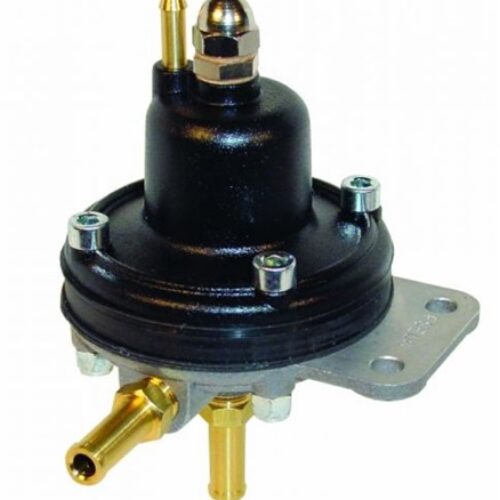
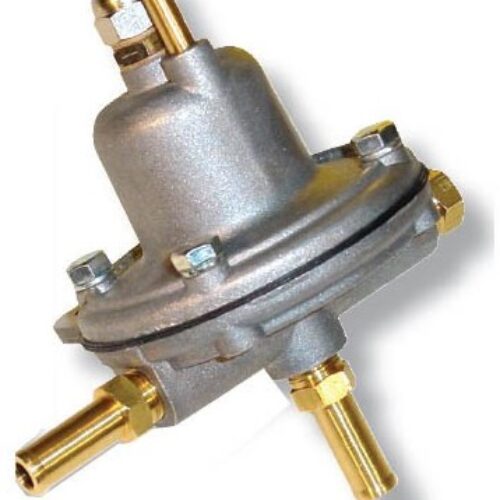


RMT Parts Universal Adjustable Fuel Pressure Regulator – Carburettor

RMT Racing Aluminium EFI Fuel Pressure Regulator Type 2 – 3x AN-6
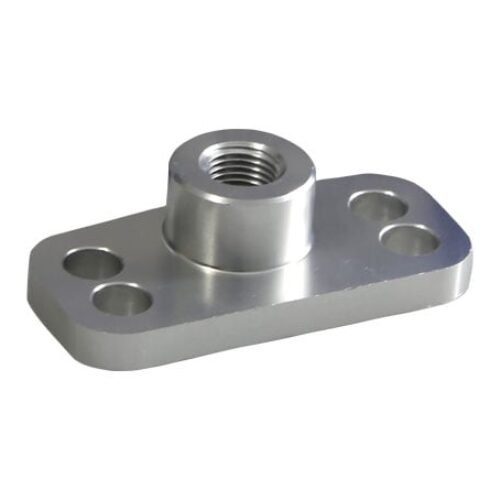

FPR 1200 V2 Replacement Dia Ass (DISCONTINUED)
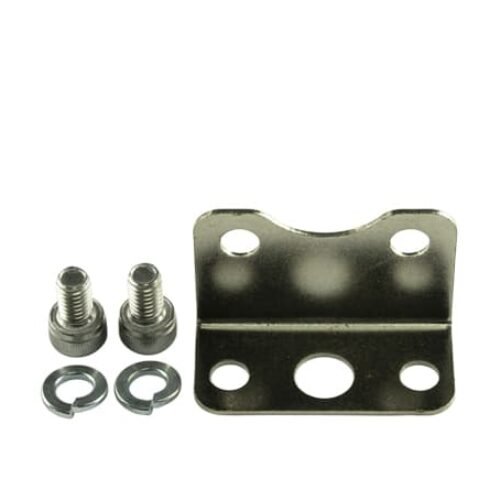

FPR10M Pro – Fuel Pressure Regulator – Black

FPR10 – Fuel Pressure Regulator – Sleeper
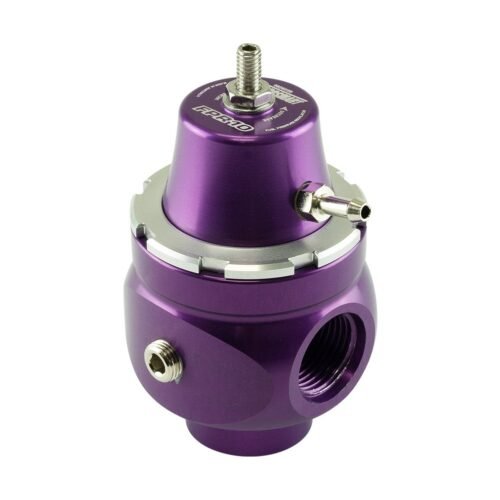
FPR10 – Fuel Pressure Regulator – Purple


FPR Billet Fuel Filter 10um AN-10 – Black

FPR Billet Fuel Filter 10um AN-6 – Black


FPR12M Pro – Fuel Pressure Regulator – Black

FPR12 Pro – Fuel Pressure Regulator – Black


FPR10 Pro-Lite Black – Fuel Pressure Regulator

FPR10 Pro – Fuel Pressure Regulator – Black

FPR10 LP – Fuel Pressure Regulator – Black

FPR8 LP – Fuel Pressure Regulator – Black

FPR6 LP – Fuel Pressure Regulator – Black


FPR8 – Fuel Pressure Regulator – Sleeper


FPR6 – Fuel Pressure Regulator – Sleeper


FPR Billet Fuel Filter Bracket for Turbosmart 1.75" OD filters – Anodized Black


Regulators guide
A fuel pressure regulator holds the pressure at the injectors or carburettor at a set value, however much fuel the pump supplies. This category holds regulators for injection and for low-pressure carburettor systems, adaptors for some factory rails, and the 10 µm filters, elements, brackets and gauge used with them.
In a return-style system the pump supplies more fuel than the engine uses, and the regulator, usually after the rail, spills the surplus back to the tank. On a 1:1 regulator the diaphragm is referenced to manifold pressure, so fuel pressure rises one bar for each bar of boost and falls under vacuum.
The pressure difference across the injectors, and so their flow per millisecond, then stays constant at every load, which keeps the ECU’s fuel table predictable. Returnless systems regulate in or near the tank, or by pump speed, and leave the ECU to correct for manifold pressure. Converting one needs a return line and a matching calibration change.
Size the regulator to the pump and lines:
- Port size: regulators are listed by AN port size, from AN6 to AN12. Some listings give separate feed and return sizes, so check both.
- Bypass capacity: at idle the regulator must pass almost the pump’s full flow back to the tank, or base pressure creeps up.
- Pressure range: injection regulators, plus low-pressure and adjustable units for carburettors, which run at a small fraction of injection pressure.
- Body and ports: AN ports, such as three AN6 on one unit, a compact 1/8 NPT body, D06, D08 and D10 versions, and units for 8 mm hose.
- Mounting: adaptors for certain factory rails, listed by car make, and kits for particular engine families.
- Setting and filtration: a 0–100 psi gauge, 10 µm billet filters in AN6, AN8 and AN10 with spare elements, and a bracket for 1.75 inch filters.
- Finish: black, blue, red, purple or silver.
Mount the regulator at or near the end of the rail, with a return sized for full pump flow that empties into the tank away from the pickup. Take the reference from the manifold after the throttle. On an adjustable unit, set base pressure at idle with the reference hose off and plugged, then reconnect it and check that pressure falls by roughly the manifold vacuum.
Route the return away from the exhaust, as warmed fuel flows back to the tank continuously. Fuel in the reference hose means a failed diaphragm. Depressurise before opening any joint, leak test with the pump running, and keep an extinguisher within reach.

Store Information
TrackTool Factory
Sluispolderweg 7A
1505 HJ Zaandam
The Netherlands
Chamber of Commerce (KVK): 97296902
VAT: NL867990375B01