Top brands in Wheel Spacers



Showing 1–48 of 2901 resultsSorted by latest
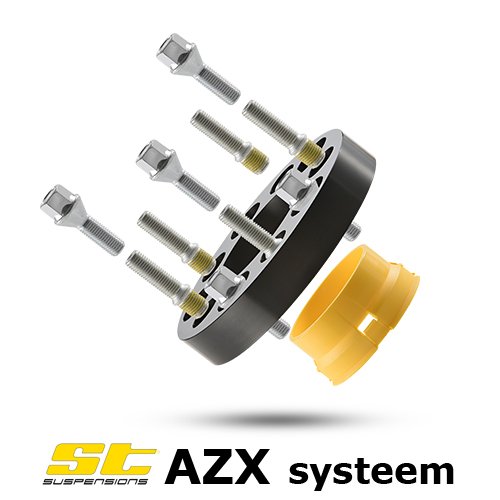
Wheel Spacers guide
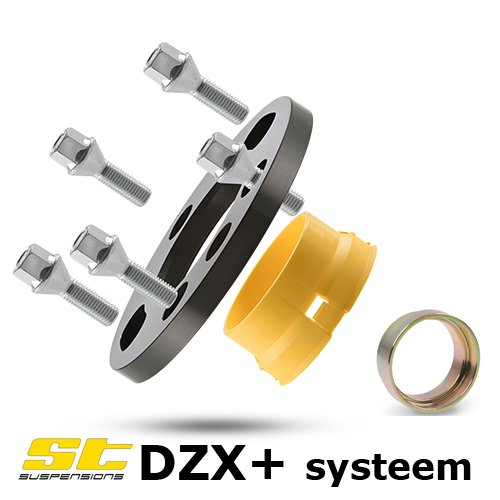
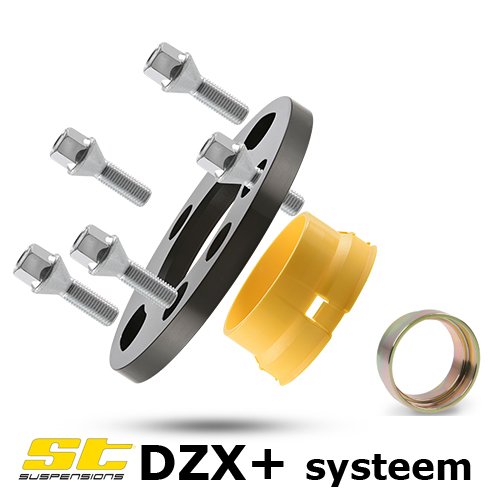
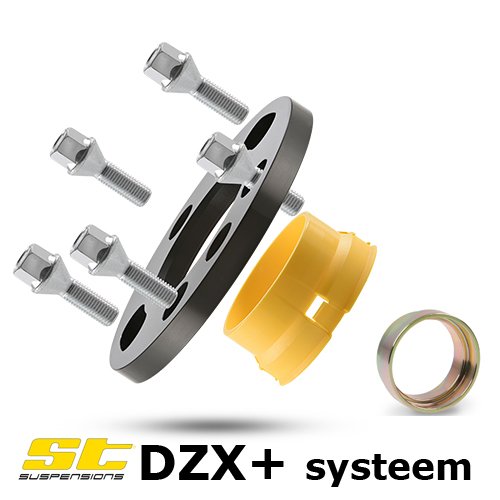
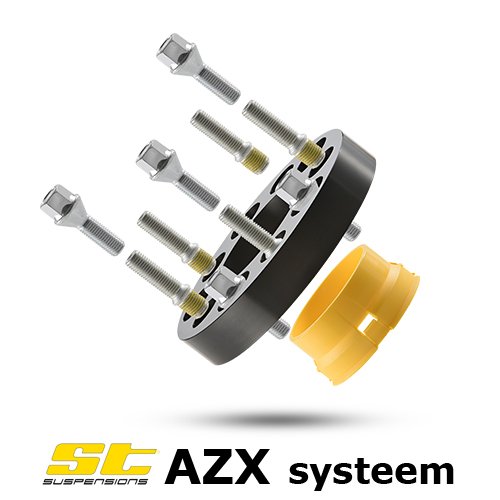
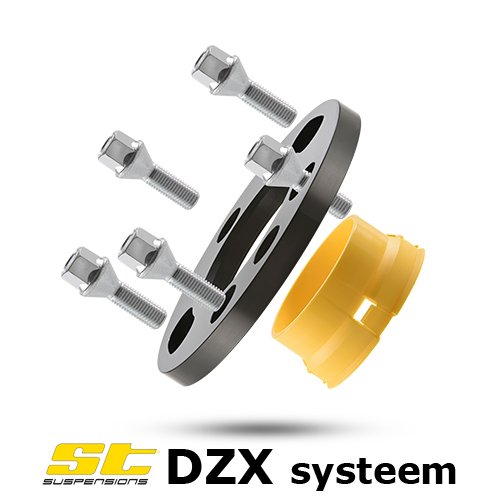
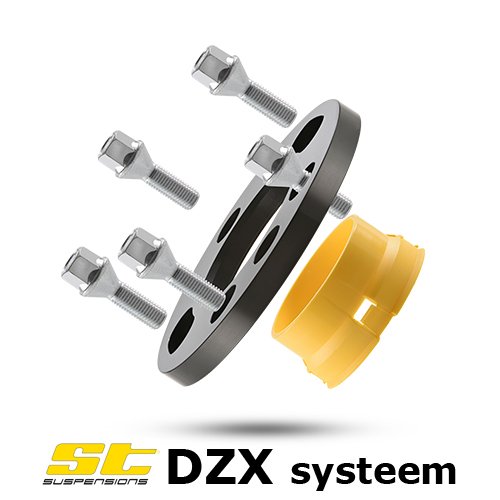
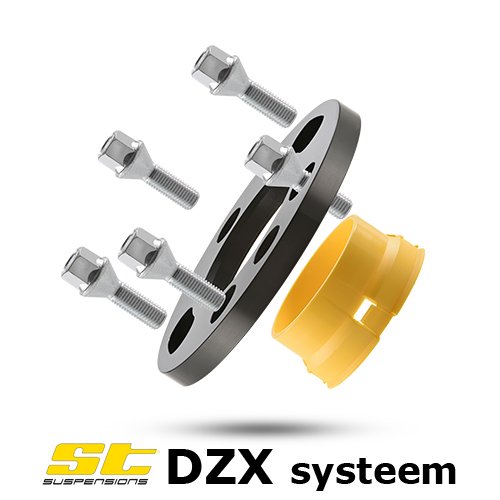
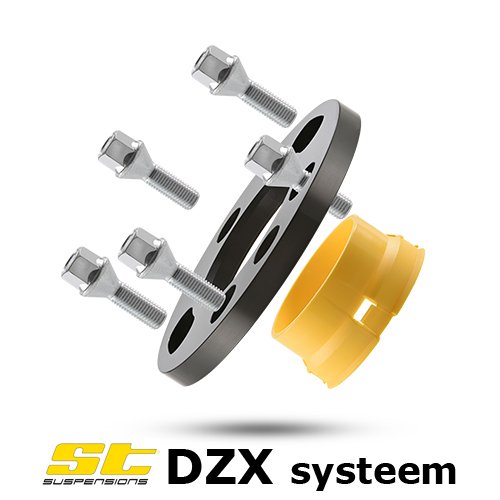
Wheel spacers move the wheel outwards from the hub, to fill the arches, to correct the offset of an aftermarket wheel, or to clear brake calipers and suspension parts. They are selected by bolt pattern, hub bore and thickness.
There are two kinds:
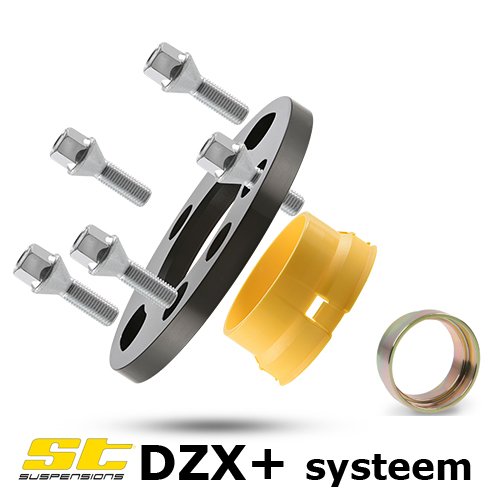
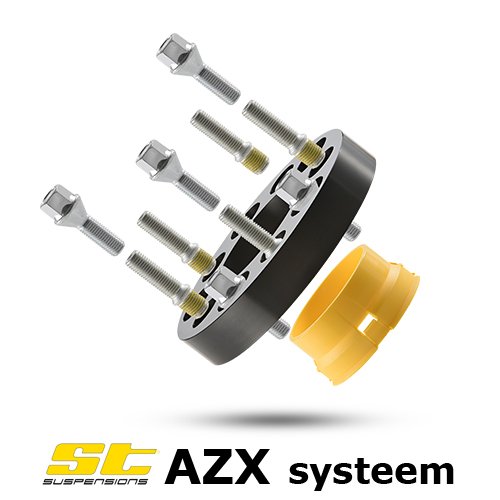
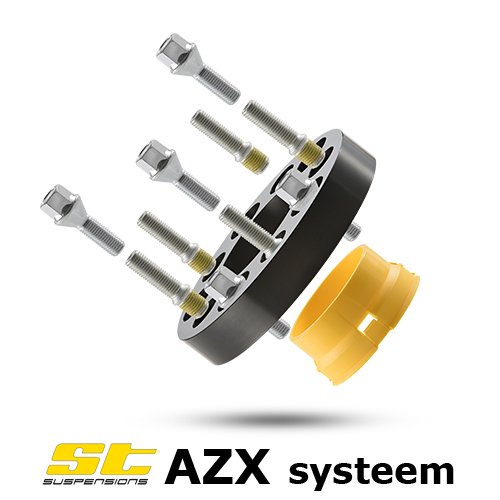
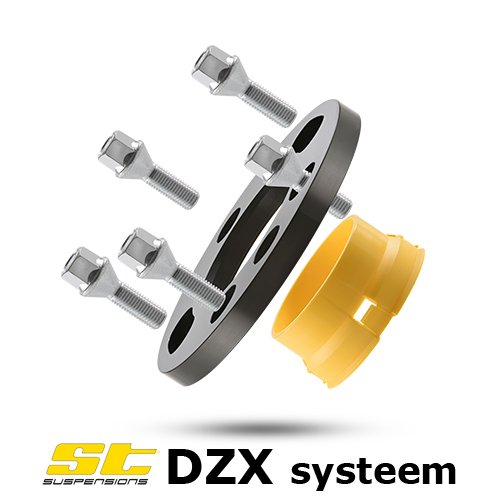
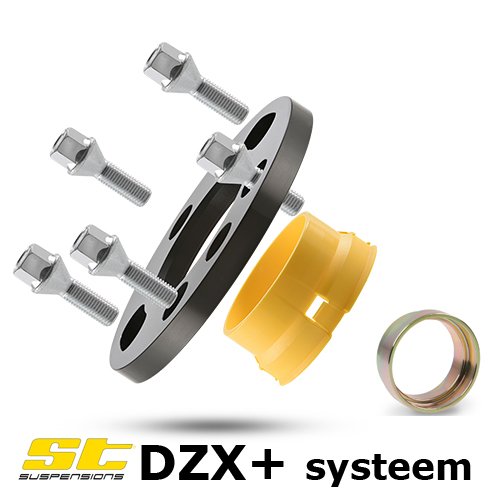
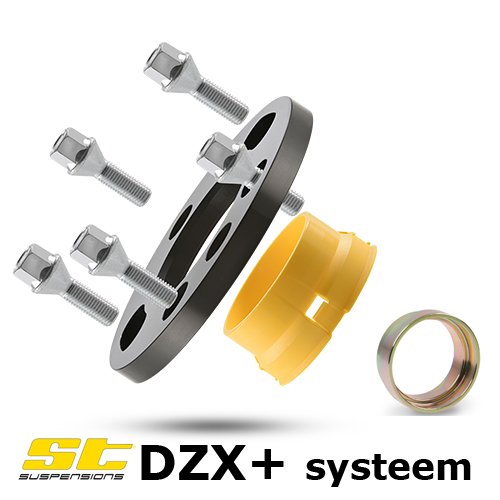
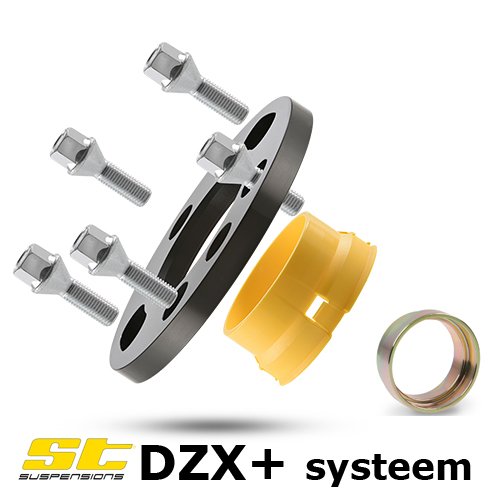
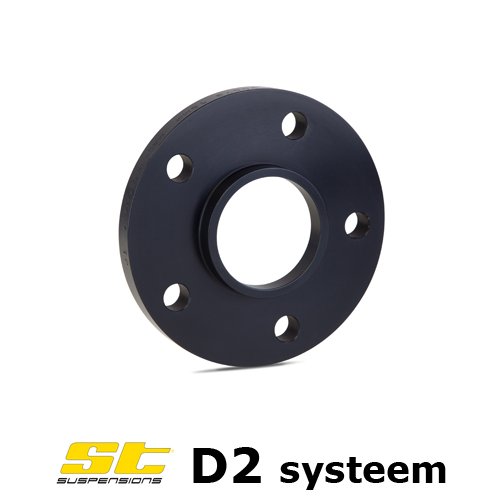
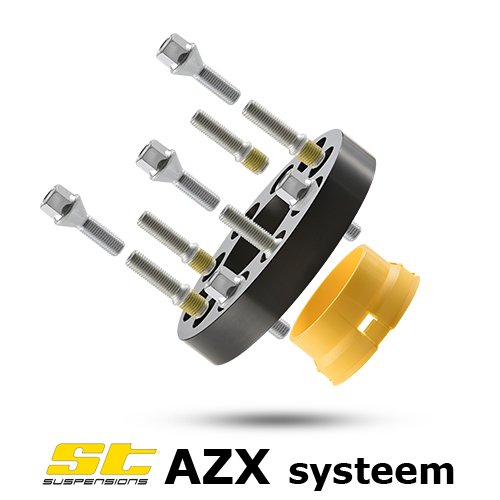
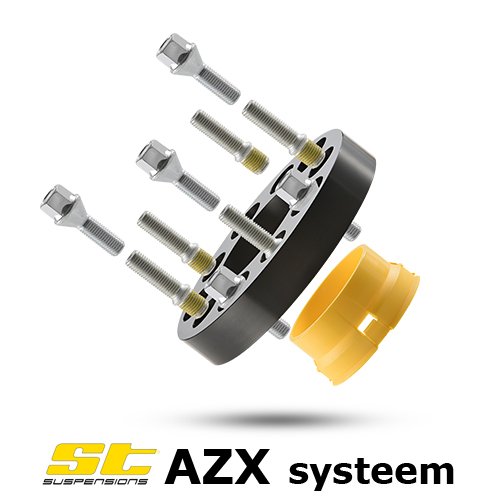
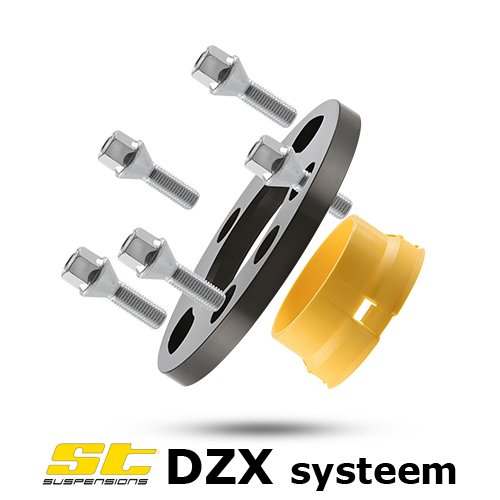
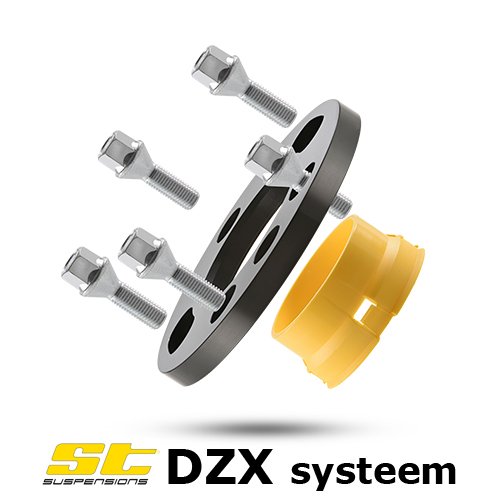
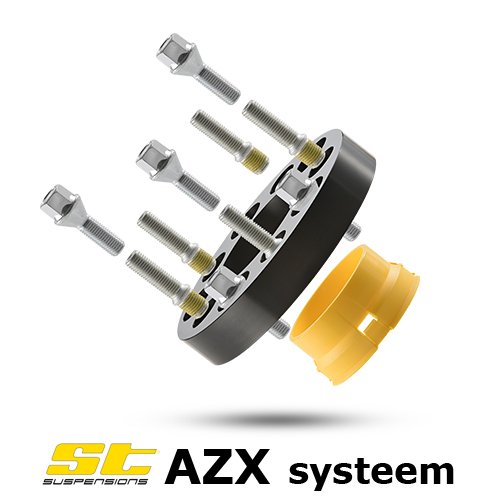
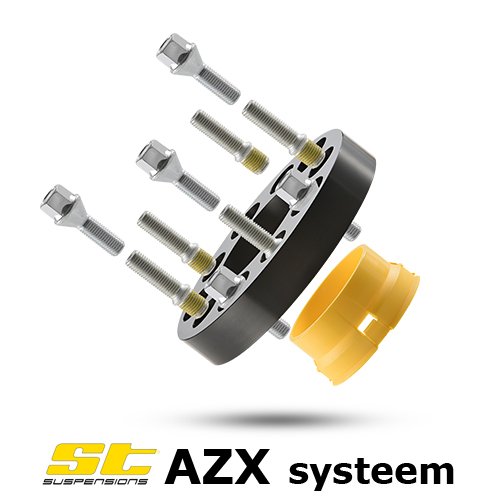
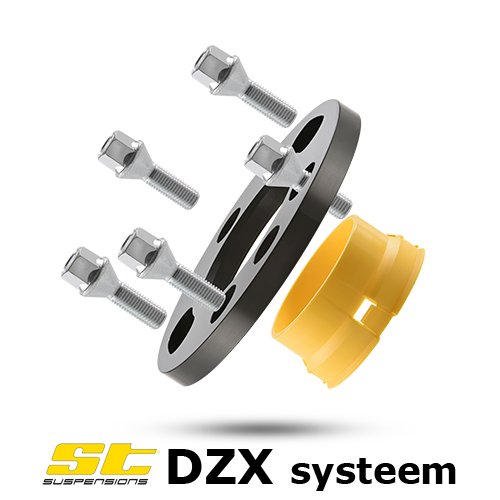
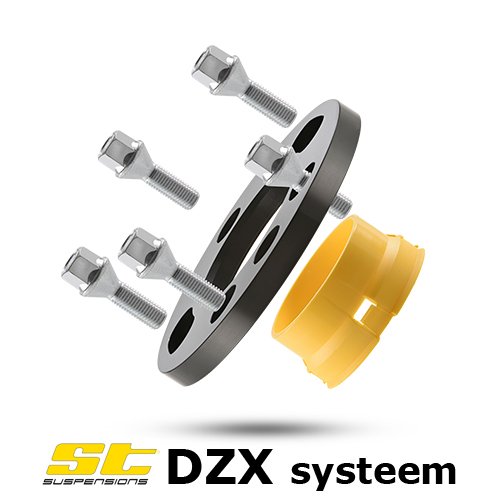
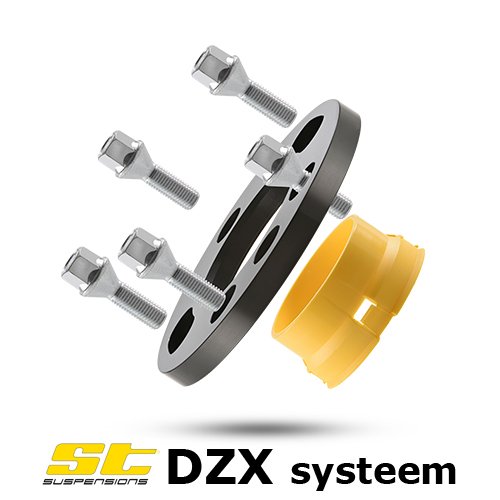
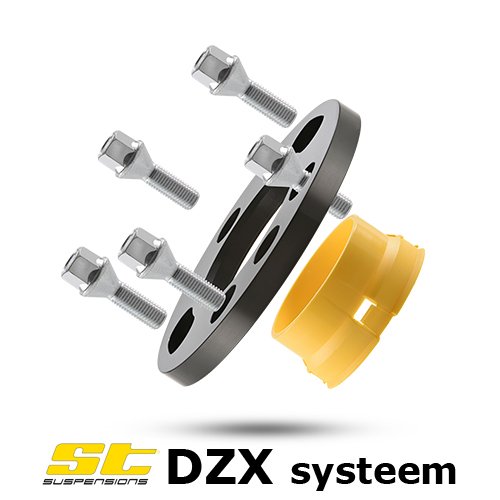
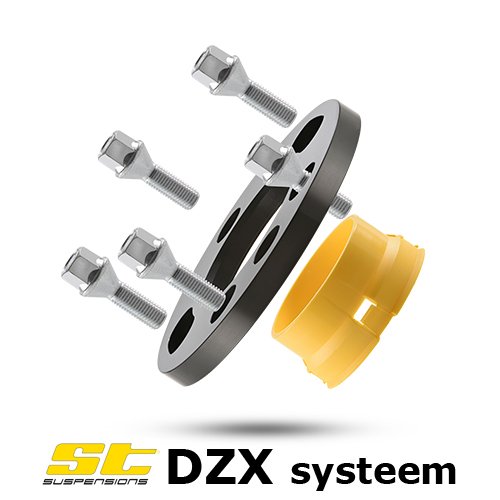
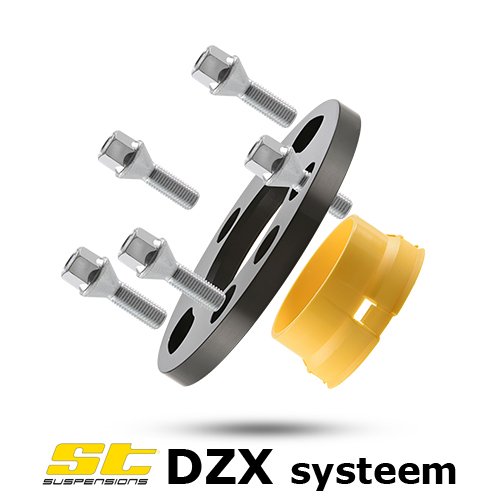
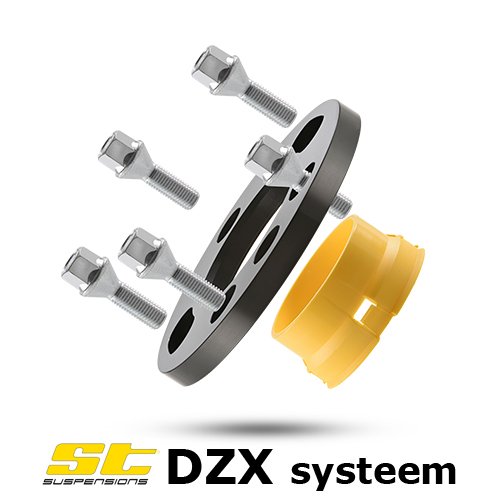
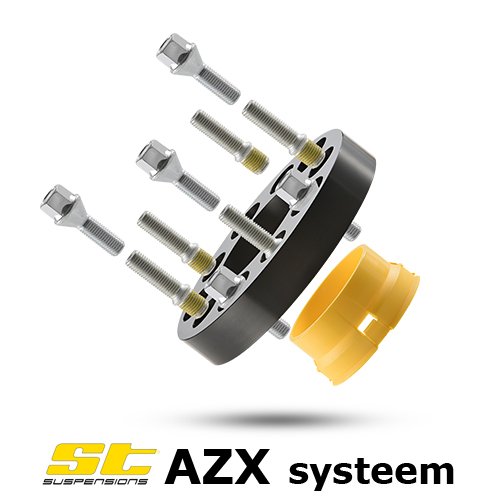
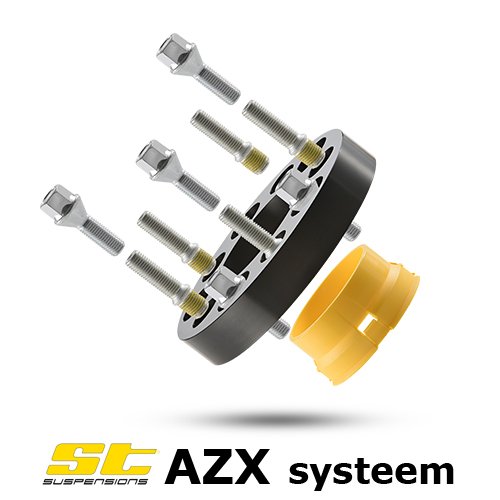
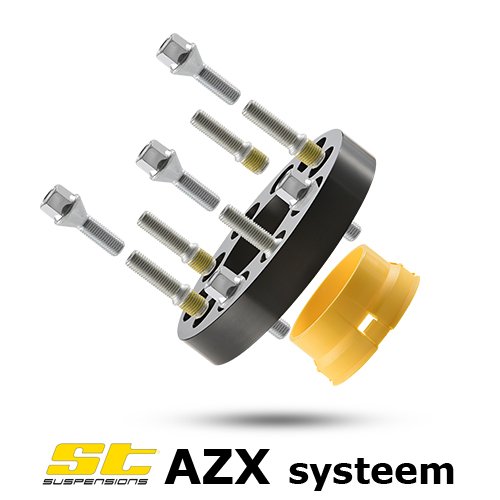
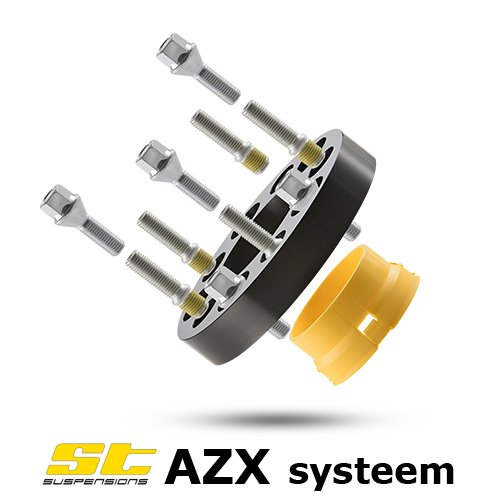
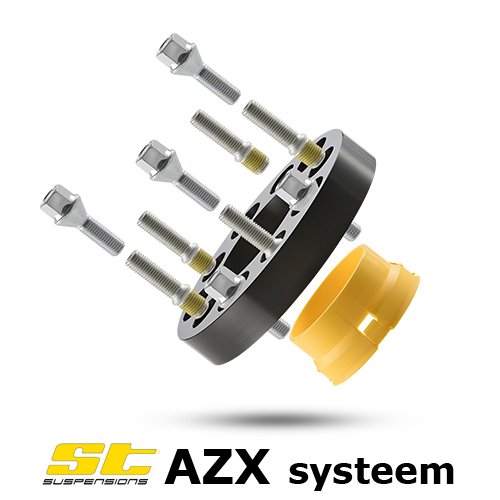
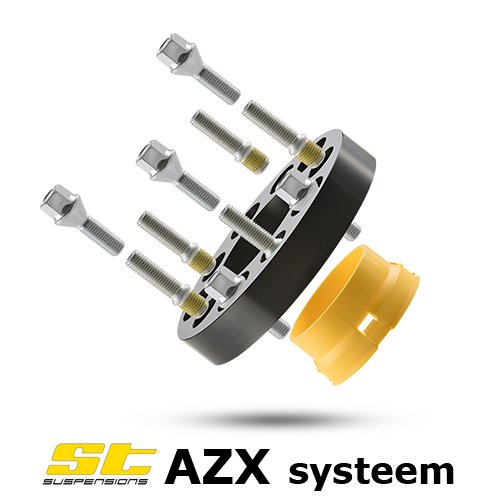
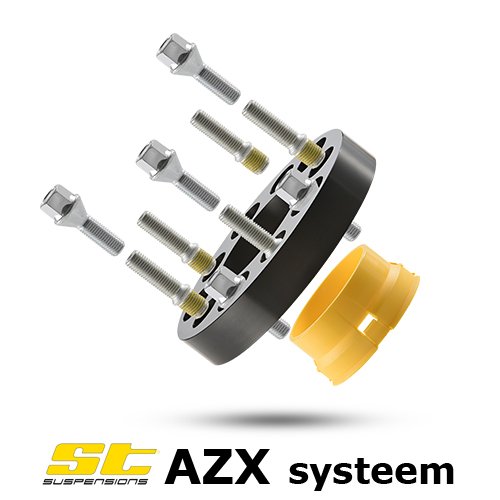
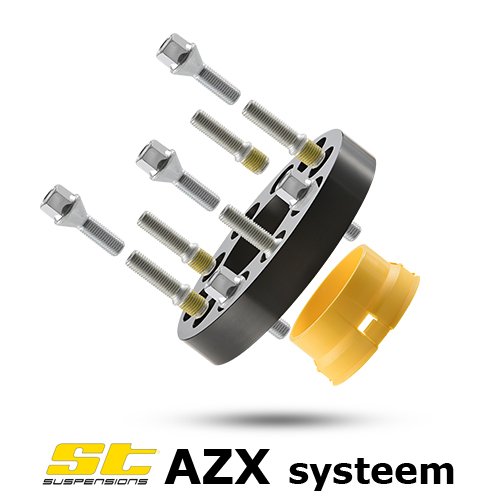
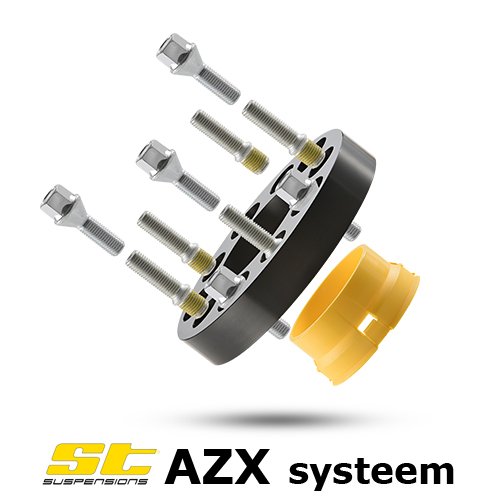
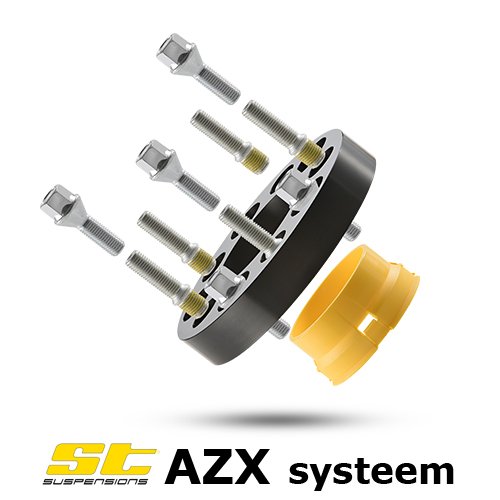
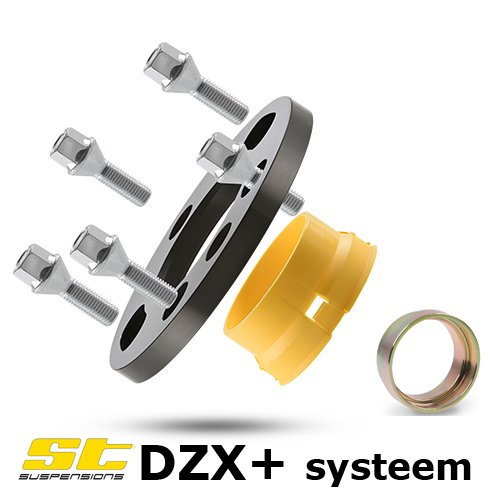
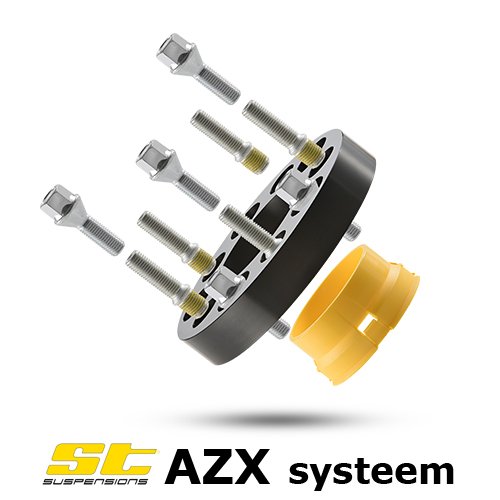
- Thin spacers sit between hub and wheel, and the wheel is held by longer bolts or studs passing through them.
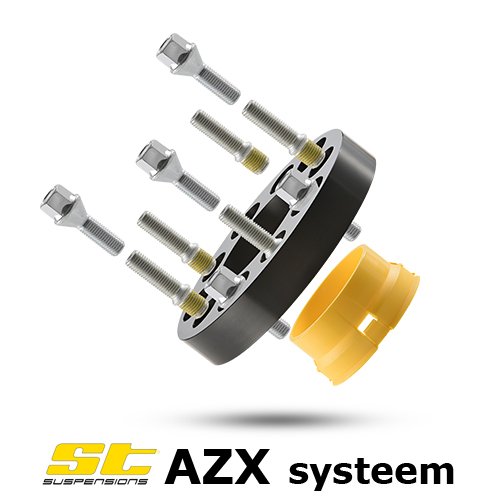
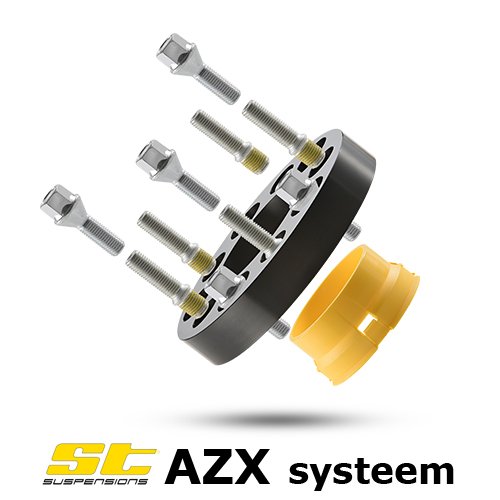
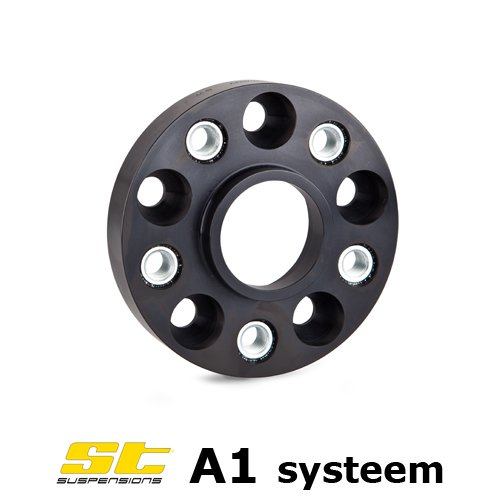
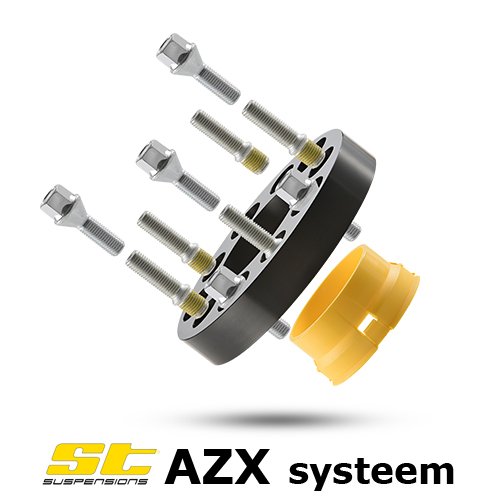
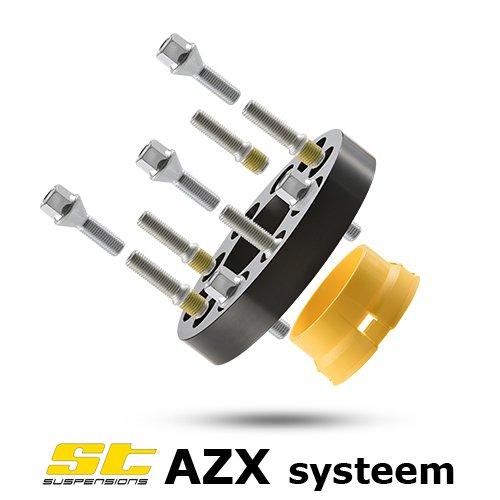
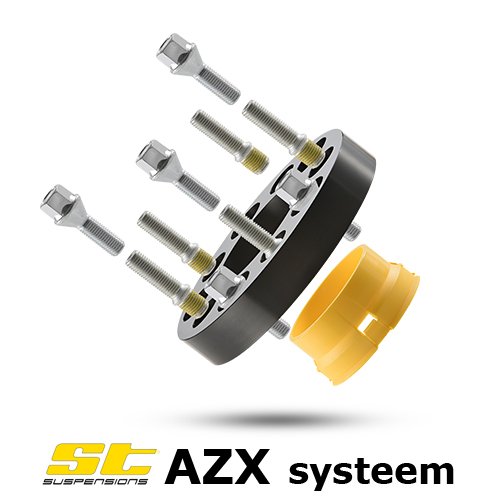
- Thicker spacers are usually bolt-on adapters. They fix to the hub with their own bolts or nuts and give the wheel a new set of threads or studs.
The listings give the thickness, bolt pattern, centre bore, the thread of the fixings and the finish (silver or black). Many also show which approval comes with them, if any: TÜV certificate, ABE or part type approval.
Match the centre bore and bolt pattern to your hub exactly, and use hub-centric spacers so the wheel is centred by the hub rather than by the bolts. Measure the space in the arch before choosing a thickness, because the tyre moves outwards and can touch the wing under load or on full lock.
With spacers that the wheel bolts pass through, the original bolts become too short. Order bolts longer by the spacer’s thickness, with the same thread and the same seat shape (conical or ball) that the wheel requires. Torque everything to the car maker’s figure and recheck after a short drive.

Store Information
TrackTool Factory
Sluispolderweg 7A
1505 HJ Zaandam
The Netherlands
Chamber of Commerce (KVK): 97296902
VAT: NL867990375B01