Top brands in Compressor Housings


Showing 1–48 of 50 resultsSorted by latest


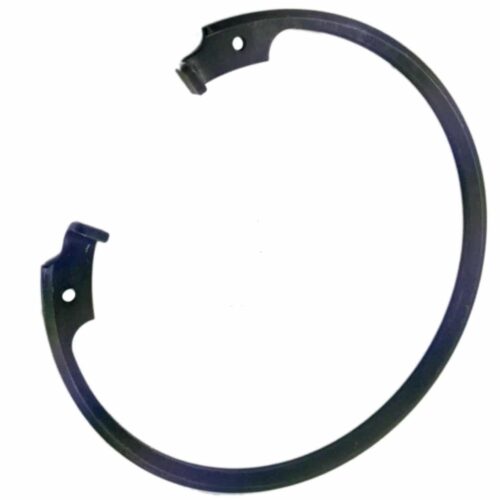

PSR T51R Mod Compressor Housings for 400 Series Turbo – S467
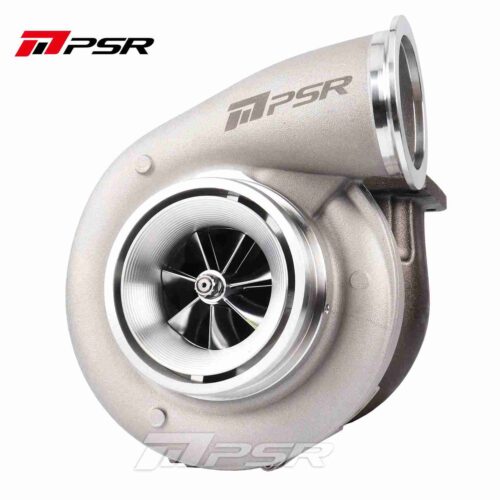
PSR T51R Mod Compressor Housings for 400 Series Turbo – S464
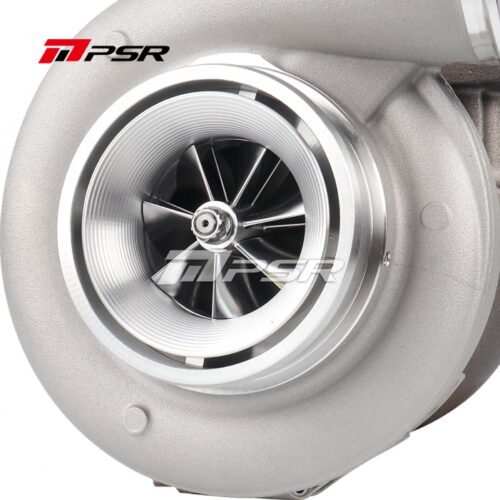
PSR T51R Mod Compressor Housings for 400 Series Turbo – S475

PSR T51R Mod Compressor Housings for 400 Series Turbo – S488
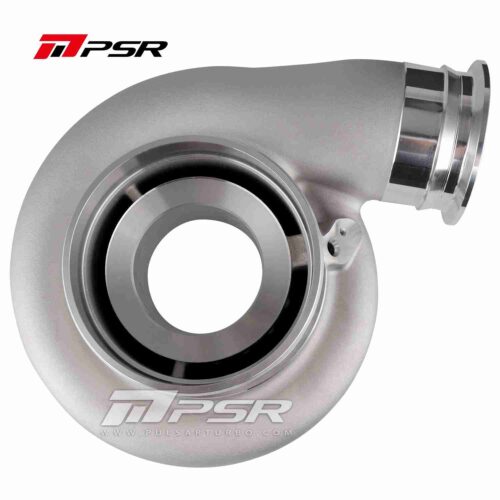
PULSAR SX-E Style Compressor Housing for 400 Series Turbos – 92*122mm
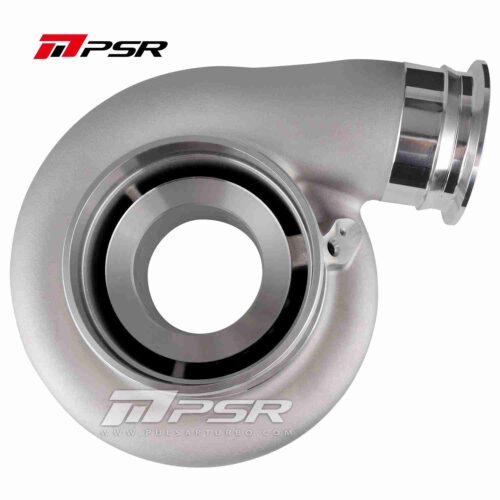
PULSAR SX-E Style Compressor Housing for 400 Series Turbos – 85*115mm

PSR T51R Mod Compressor Housings for 400 Series Turbo – S480
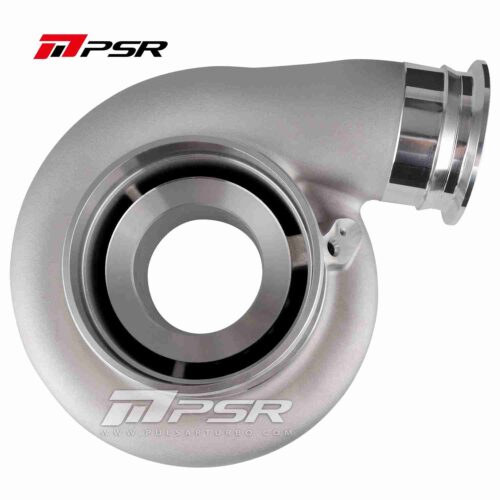
PULSAR SX-E Style Compressor Housing for 400 Series Turbos – 88*116mm
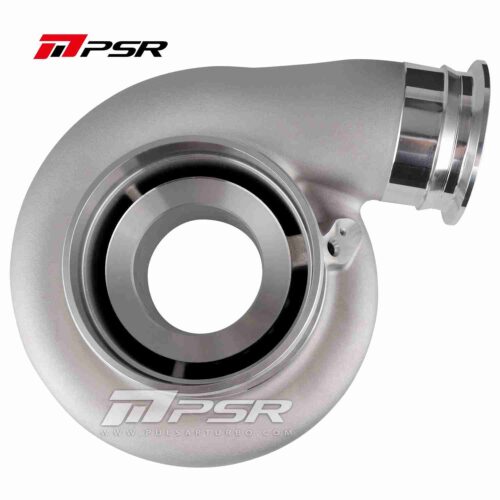
PULSAR SX-E Style Compressor Housing for 400 Series Turbos – 80*113mm
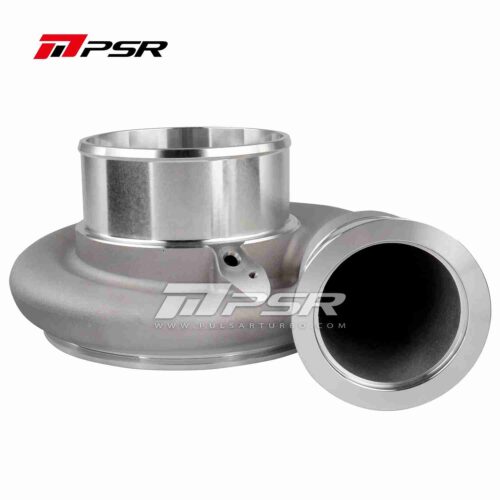
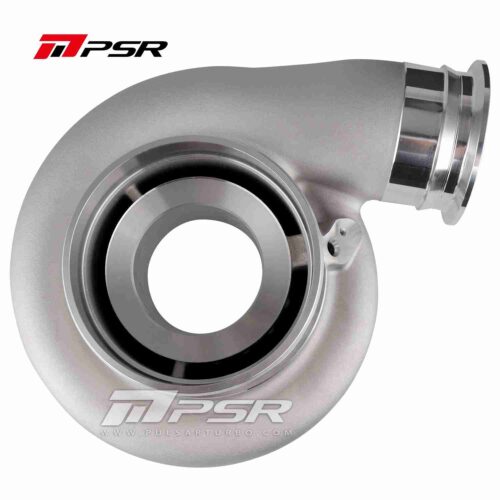
PULSAR SX-E Style Compressor Housing for 400 Series Turbos – 75*101mm


PSR T51R Mod Compressor Housings for 300 Series Turbo – PSR 372/372D SXE
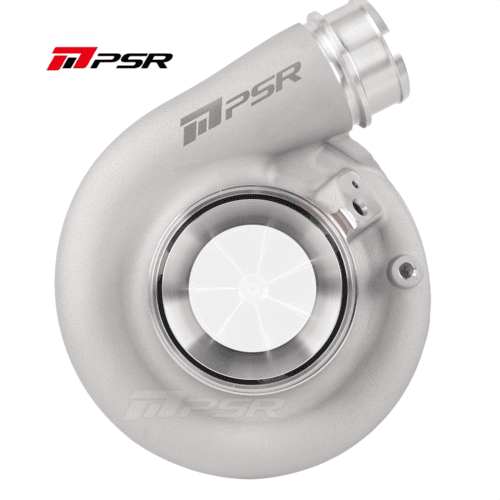
PSR T51R Mod Compressor Housings for 300 Series Turbo – PSR 369/369D SXE

PSR T51R Mod Compressor Housings for 300 Series Turbo – PSR 366/366D SXE
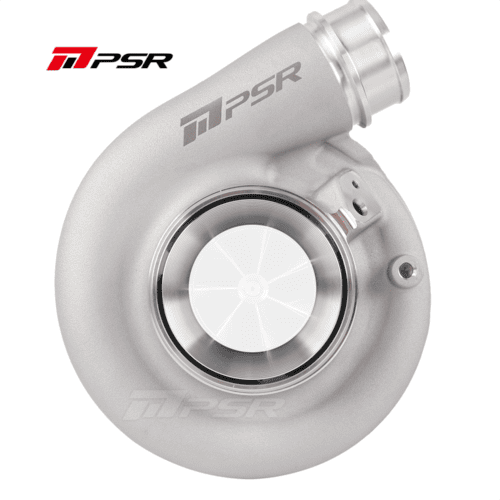
PSR T51R Mod Compressor Housings for 300 Series Turbo – PSR 363/363D SXE
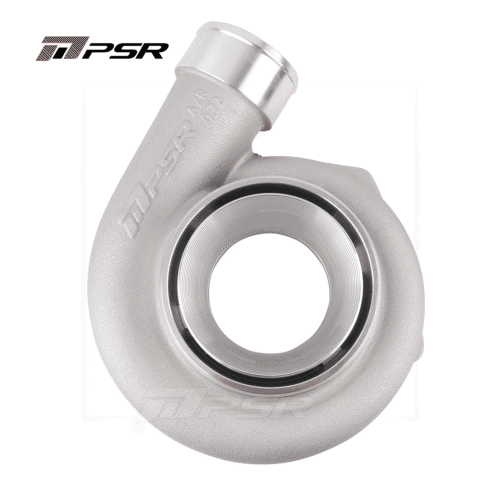
Pulsar PTE SERIES T51R MOD Compressor Cover – 62*82mm(6262E 6266E)
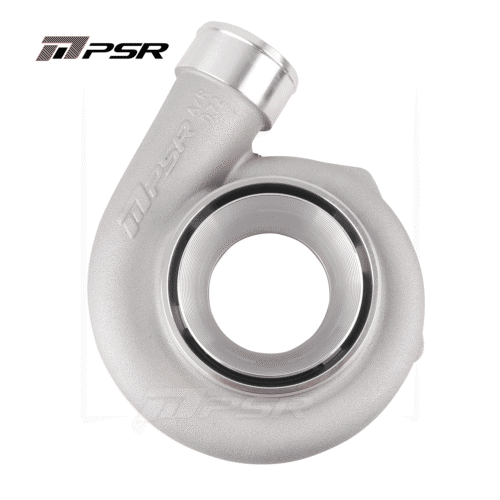
Pulsar PTE SERIES T51R MOD Compressor Cover – 60*82mm(6062E)

PSR T51R Mod Compressor Housings for PTG Series Turbo – 7170G

PSR T51R Mod Compressor Housings for PTG Series Turbo – 6270G

PSR T51R Mod Compressor Housings for PTX Series Turbo – PSR2860 Gen2
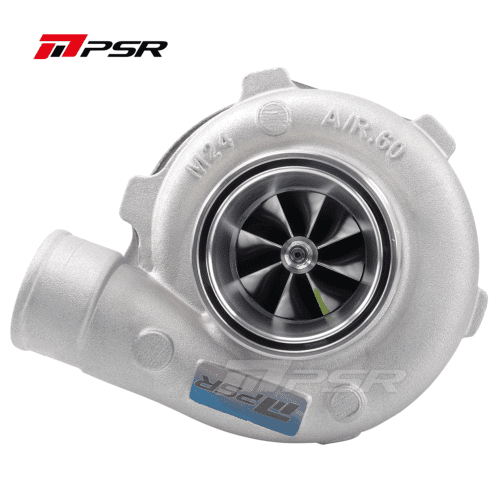
PSR3071 PSR3076 PSR3576 GEN2 Compact Compressor Housing – PSR3071 Gen2 Compact

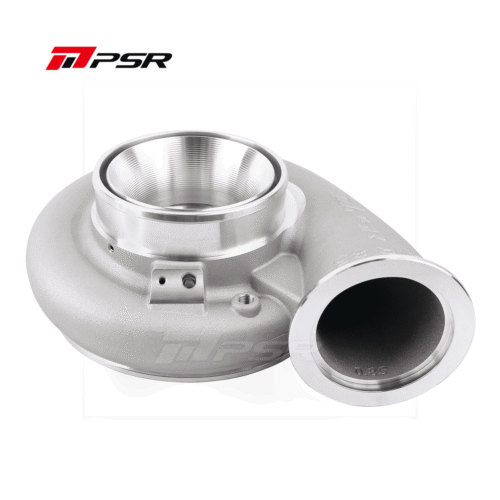
Pulsar PTE SERIES T51R MOD Compressor Cover – 80.8×110.5mm(8085E)
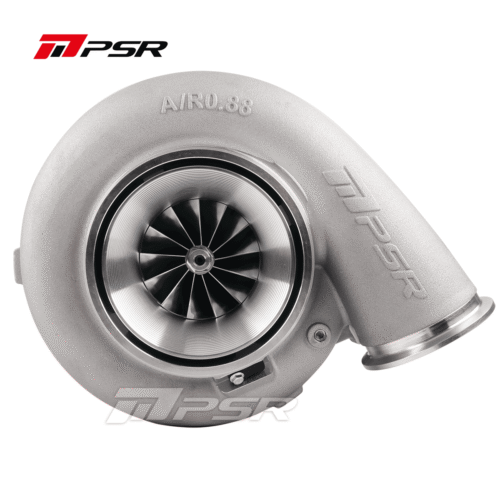
PSR T51R Mod Compressor Housings for PTG Series Turbo – PRO106

PSR T51R Mod Compressor Housings for PTG Series Turbo – PRO98

PSR T51R Mod Compressor Housings for PTG Series Turbo – PRO88
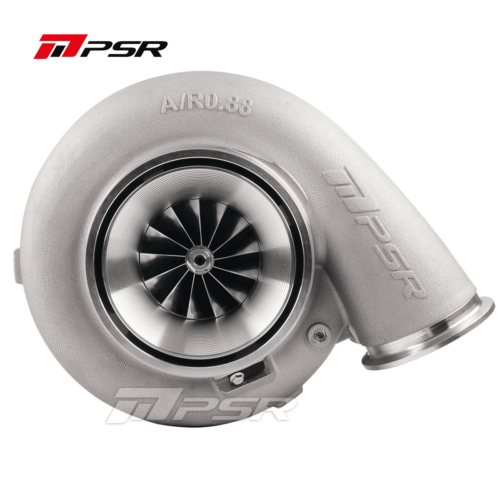
PSR T51R Mod Compressor Housings for PTG Series Turbo – 8894G 0.88A/R

PSR T51R Mod Compressor Housings for PTG Series Turbo – 6862G REVERSE

PSR T51R Mod Compressor Housings for PTG Series Turbo – 6862G
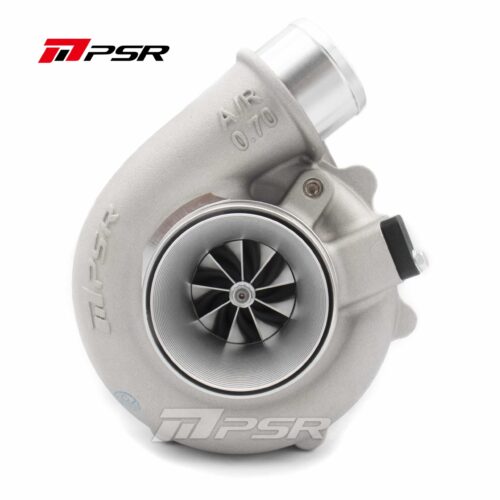
PSR T51R Mod Compressor Housings for PTG Series Turbo – 5455G 0.72A/R 4" Inlet

PSR T51R Mod Compressor Housings for PTG Series Turbo – 5855G
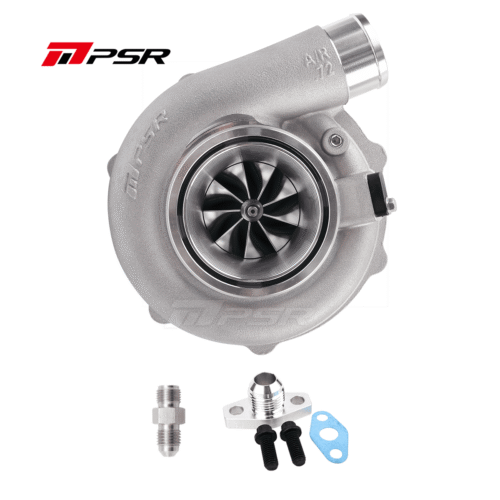
PSR T51R Mod Compressor Housings for PTG Series Turbo – 6262G 0.72A/R 2" Outlet

PSR T51R Mod Compressor Housings for PTG Series Turbo – 7782G

PSR T51R Mod Compressor Housings for PTG Series Turbo – 7375G COMPACT

PSR T51R Mod Compressor Housings for PTG Series Turbo – 7975G
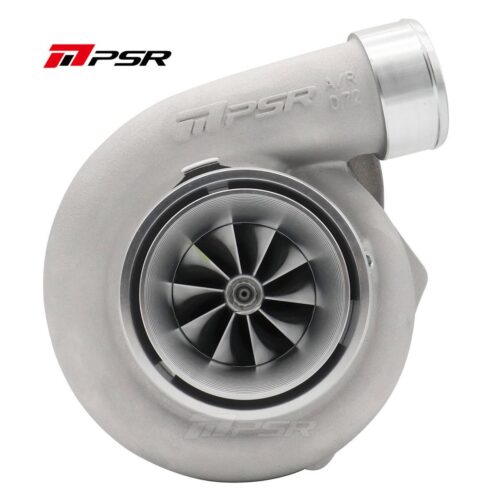
PSR T51R Mod Compressor Housings for PTX Series Turbo – PSR3582 Gen2

PSR T51R Mod Compressor Housings for PTX Series Turbo – PSR3584 Gen2

PTX Series Compact Compressor Cover 0.60A/R – PSR3071 Compact(T51R MOD)

PTX Series Compact Compressor Cover 0.60A/R – PSR3071 Compact

PSR T51R Mod Compressor Housings for PTX Series Turbo – PSR3076 Gen2 , PSR3576 Gen2
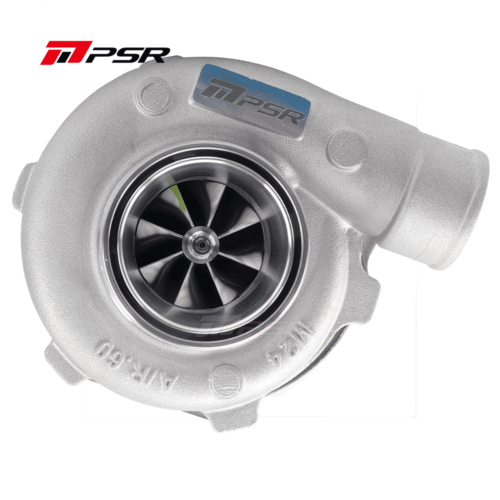
PSR T51R Mod Compressor Housings for PTX Series Turbo – PSR3071 Compact

PSR T51R Mod Compressor Housings for PTX Series Turbo – PSR2867 Gen2
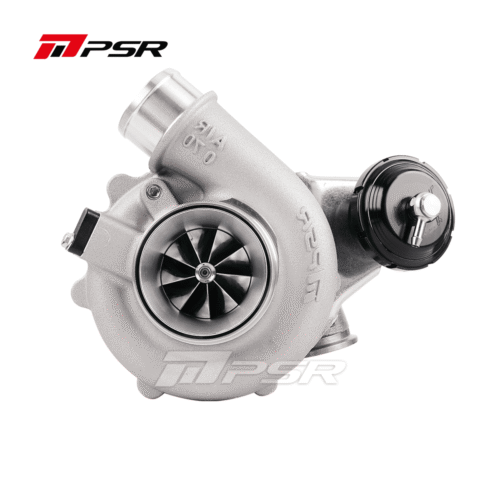
PSR T51R Mod Compressor Housings for PTG Series Turbo – 5449G REVERSE

PSR T51R Mod Compressor Housings for PTG Series Turbo – 4849G
Compressor Housings guide
On the cold side of a turbo, the compressor housing, or cover, collects the air thrown outwards by the compressor wheel. Its diffuser and volute slow that air down, turning its speed into boost pressure. The covers here are sold on their own, without wheel or centre section, for upgrades, conversions and repairs.
The cover’s inner contour is machined to the profile of one compressor wheel, leaving a small gap at the blade tips. Too large a gap lets air spill back over the blades and costs efficiency; too small and the wheel touches as the bearings move. That is why covers are listed for a specific wheel and turbo.
A compressor map plots pressure ratio against airflow. Its left edge is the surge line, where flow is too low for the pressure and the air stalls and reverses. Surge is heard as a flutter and hammers the thrust bearing. At the right edge, the choke line, the wheel runs out of flow, efficiency falls and the air leaves hotter. The wheel sets most of the map, while the cover’s A/R and inlet shape move its edges a little.
Check these points against your turbo:
- Wheel size: covers are listed by the inducer/exducer of the wheel they take, such as 48.32/60, 58.26/76.45 or 92 × 122 mm. Confirm your wheel’s sizes, because the contour must match exactly.
- Turbo family: titles name the turbo series and generation. Compact versions have a smaller outer size for tight engine bays.
- A/R: some titles give it, such as 0.60, 0.72 or 0.88. It matters less here than on the turbine side, so match the wheel first.
- Connections: check inlet and outlet sizes, such as a 4″ inlet or a 2″ outlet, against your intake and intercooler pipes.
- Rotation: reverse versions are for reverse-rotation turbos and need a matching reverse-rotation wheel.
Seal the cover to the backplate with a new O-ring, clock the outlet towards the intercooler pipe, then secure it with its snap ring or clamp. Spin the wheel by hand to make sure it turns freely without touching. Filter the inlet, because even small debris chips blades at shaft speed. Support intake and charge pipes so the cover never carries their weight or the engine’s movement.

Store Information
TrackTool Factory
Sluispolderweg 7A
1505 HJ Zaandam
The Netherlands
Chamber of Commerce (KVK): 97296902
VAT: NL867990375B01