
Top brands in Turbo Actuators


Showing all 20 resultsSorted by latest
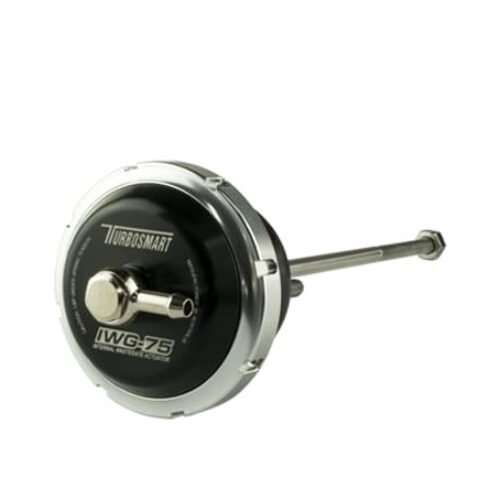
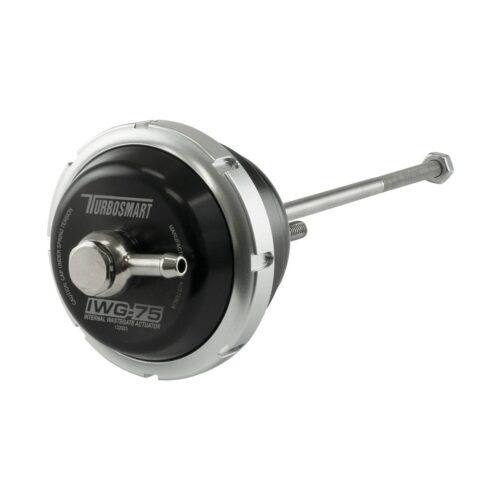
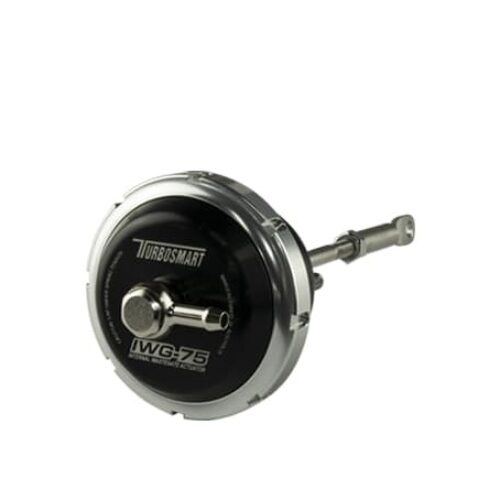
IWG75 Twin-Port Universal Actuator (UNF) 14PSI
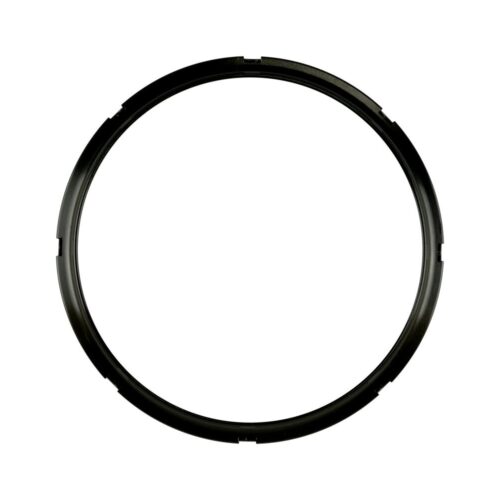


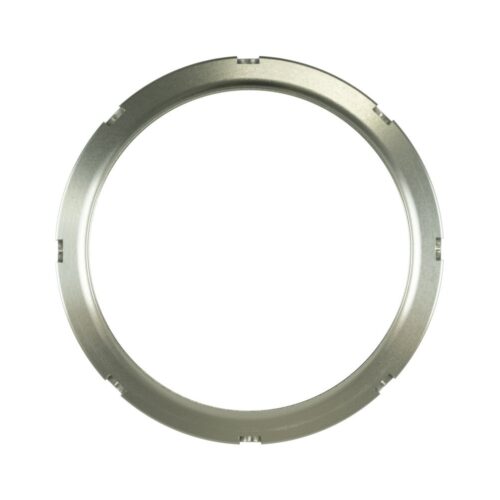
GenV WG45/50 Actuator and ProPort Collar – Clear
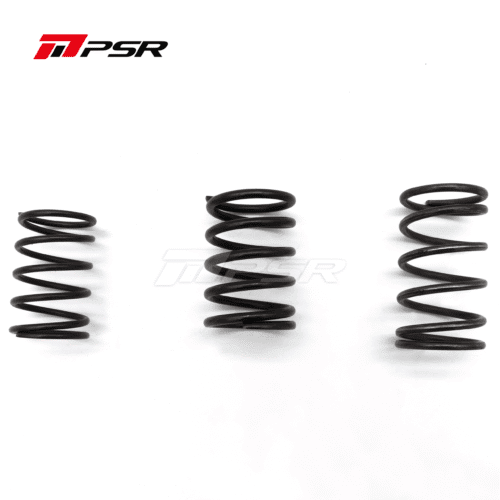
Spring for Actuator PTX28 PTX30 Series Turbos – 11psi
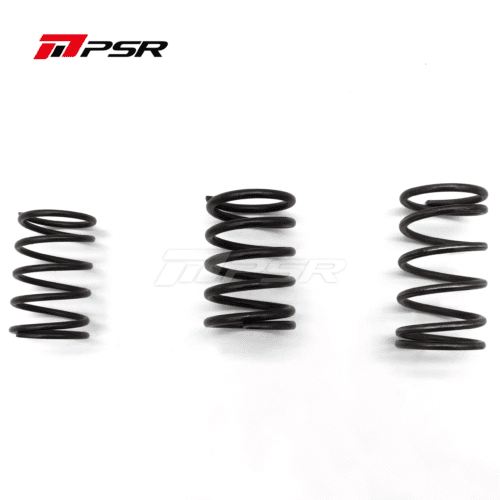
Spring for Actuator PTX28 PTX30 Series Turbos – 3.5psi
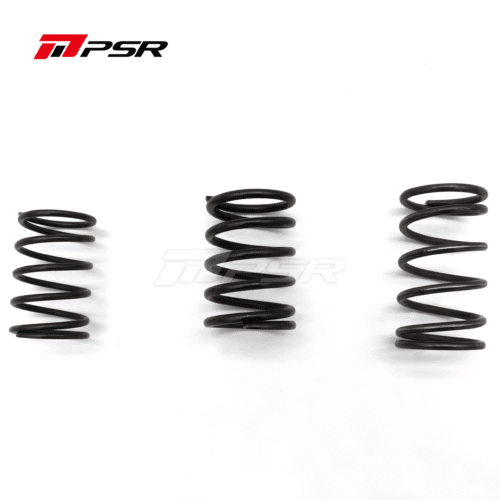
Spring for Actuator PTX28 PTX30 Series Turbos – 6.5psi
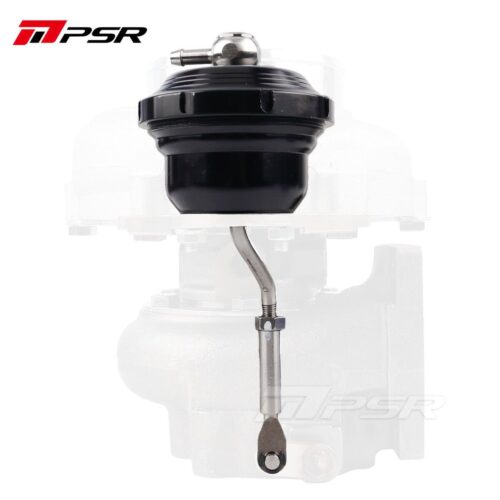
PSR Actuator for PTX28 Series 5bolt Outlet Turbine Turbos – Billet 7.4psi
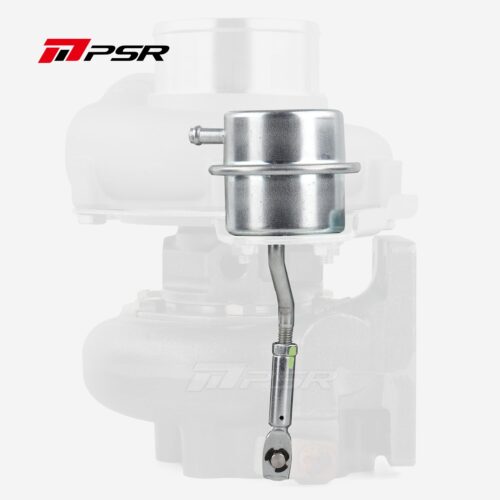
PSR Actuator for PTX28 Series 5bolt Outlet Turbine Turbos – Stamping 11.6psi
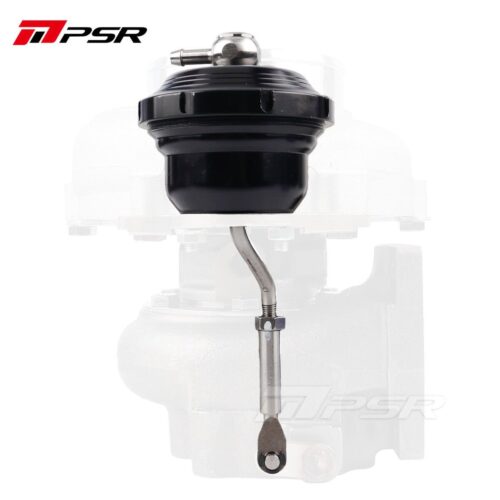
PSR Actuator for PTX28 Series 5bolt Outlet Turbine Turbos – Billet 11.6psi
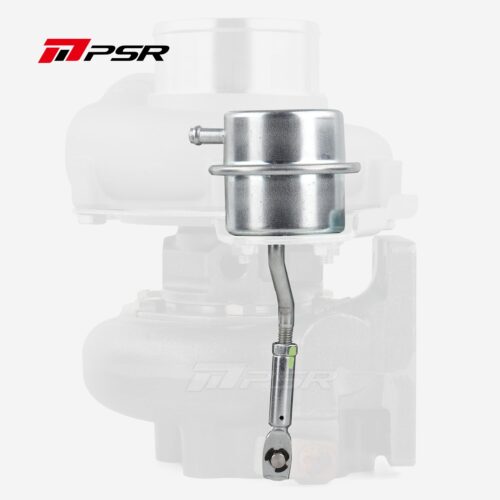
PSR Actuator for PTX28 Series 5bolt Outlet Turbine Turbos – Stamping 14psi
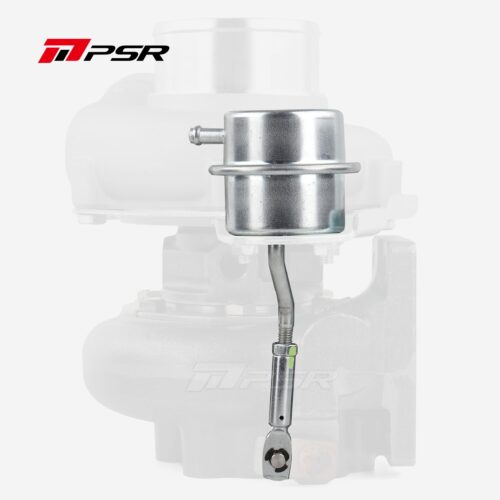
PSR Actuator for PTX28 Series 5bolt Outlet Turbine Turbos – Stamping 7.4psi
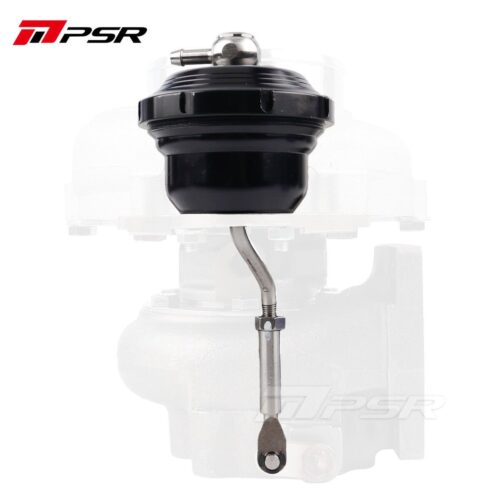
PSR Actuator for PTX28 Series 5bolt Outlet Turbine Turbos – Billet 15psi

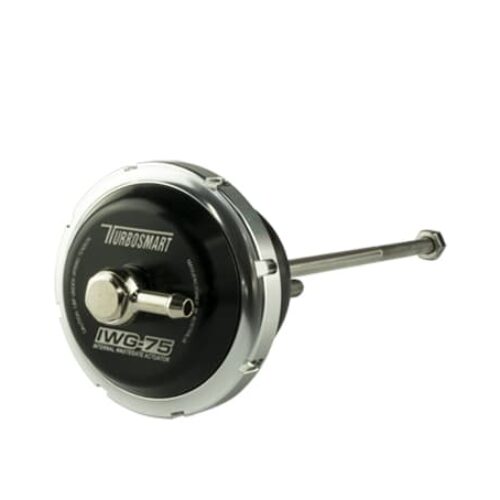
IWG75 Universal Actuator (UNF) 150mm 10PSI
Turbo Actuators guide
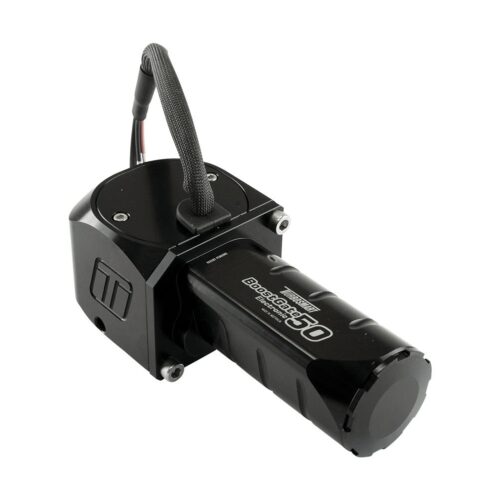
An internal wastegate actuator is the spring-loaded canister on the side of a turbo that opens the wastegate flap through a rod. Boost fed to its diaphragm overcomes the spring and moves the rod, letting exhaust bypass the turbine. This section holds complete actuators and spare springs, plus actuator collars, a collar tool and an electronic actuator.
The spring rating sets the pressure at which the flap starts to open, but it is not the whole story. Exhaust pressure acts on the flap and helps push it open, so real boost can sit below the actuator’s rating. Rod preload, set by the rod’s length, holds the flap firmly shut: more preload delays opening, but too much can stop the flap opening far enough at high flow. A weak or tired actuator lets boost taper off as engine speed rises.
Choose the type first, then the rating:
- Universal actuators: UNF-threaded 150 mm versions at 7, 10 or 14 psi, for custom installs on a bracket made to suit.
- Turbo-specific actuators: made to bolt to one turbo series, as a stamped can like most factory units or a machined billet body. Ratings are 7.4, 11.6, 14 or 15 psi, and others are listed for one car.
- Twin-port actuators: at 14 psi, with a second port on the spring side of the diaphragm, so a boost controller can apply pressure that helps hold the flap shut.
- Spare springs: 3.5, 6.5 and 11 psi springs change the opening point of turbo-specific actuators without replacing the unit.
- Wastegate actuator parts: collars for 38/40, 45/50 and 60 mm gates, and a collar tool for the 38/40 mm size.
Set preload with the flap held closed: adjust the rod so it must be moved slightly against the spring to meet the flap arm, then lock the rod end. Check that the flap and its pivot move freely, as carbon can make them stick and leave boost erratic. Keep the canister and its hose away from radiant heat, replace hose that has hardened, and confirm boost on a gauge across the rev range.
Recently Viewed Products
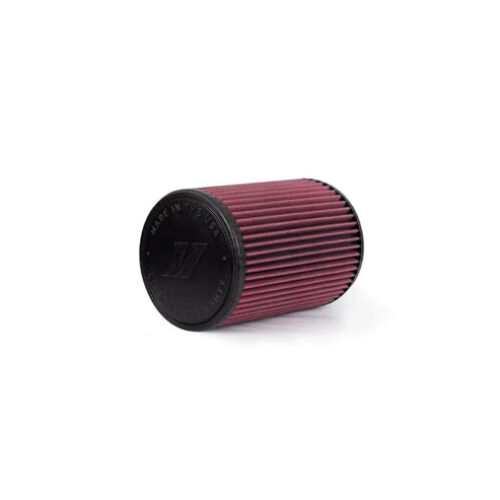
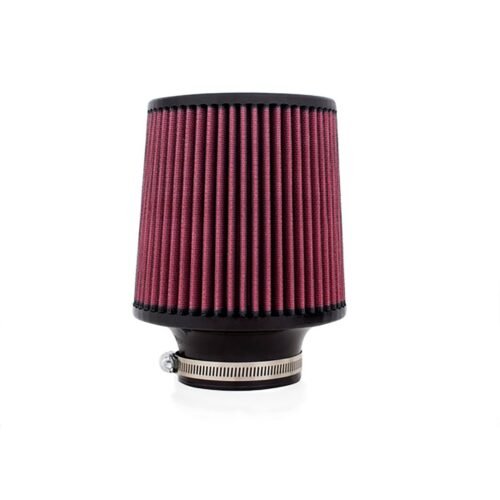
Air Filter Oil 8 Layer Cotton W/ Worm Gear Clamp – MMAF-3505

Stilo ST6 GT 8860 Turismo – Racing helmet

Store Information
TrackTool Factory
Sluispolderweg 7A
1505 HJ Zaandam
The Netherlands
KvK 97296902
BTW NL867990375B01
