
Top brands in Bends





Bends guide
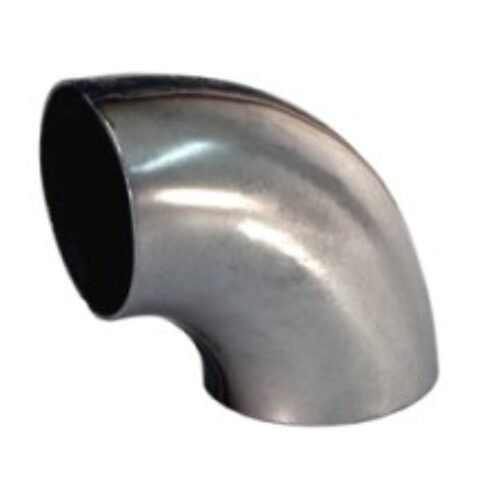
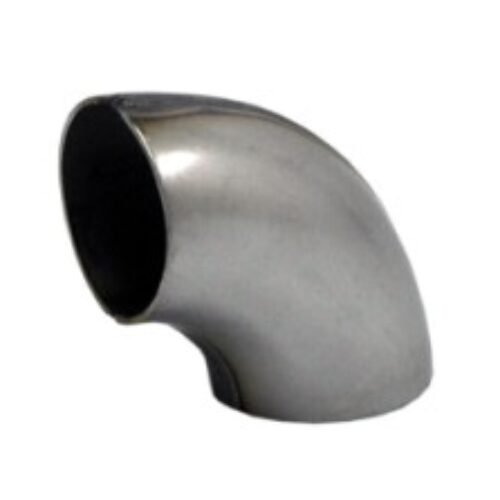
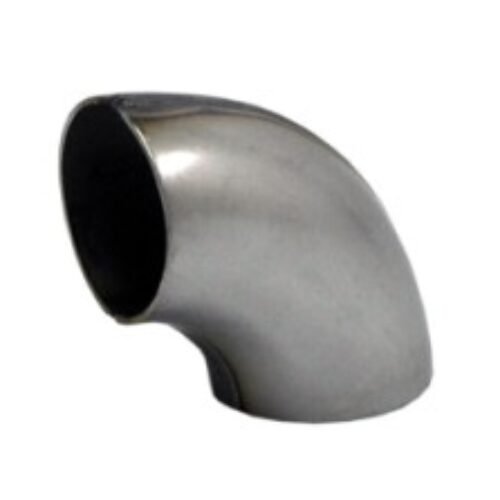
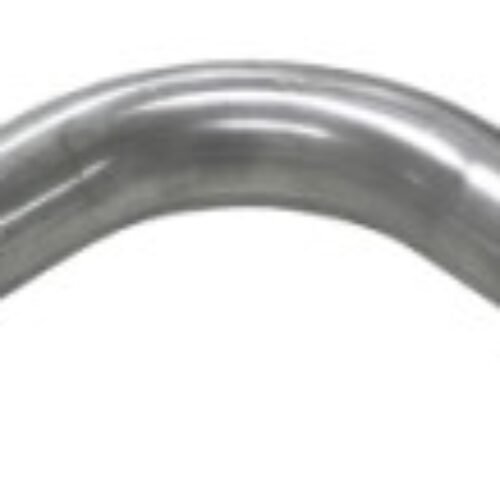
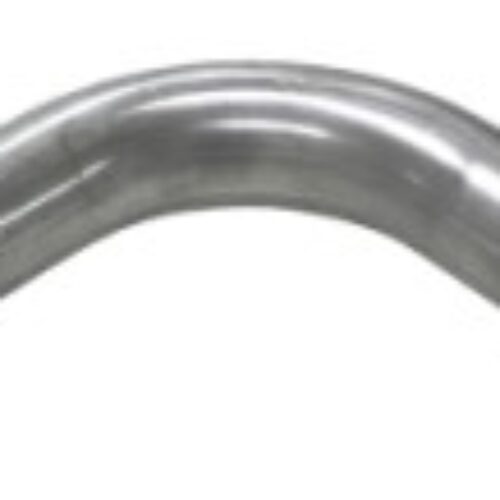
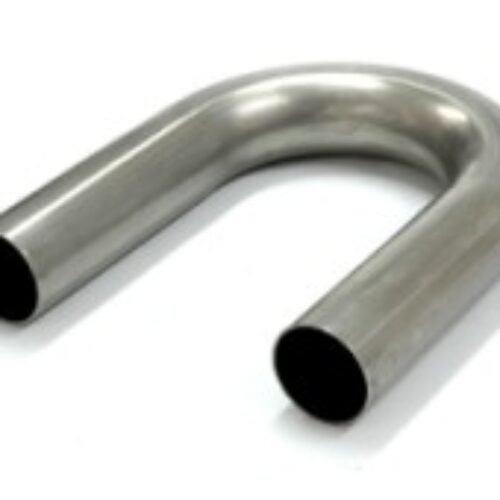
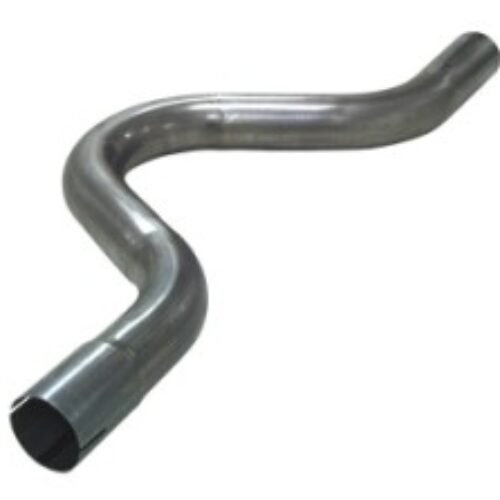
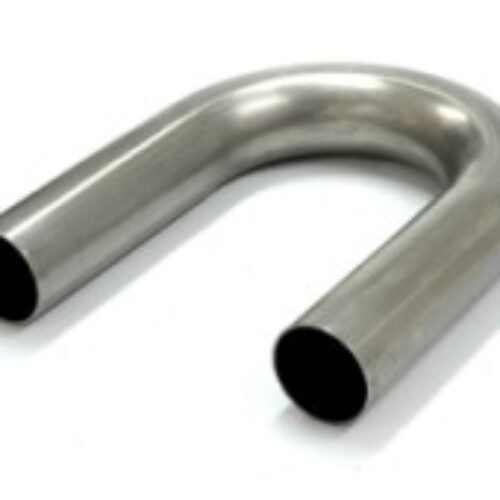
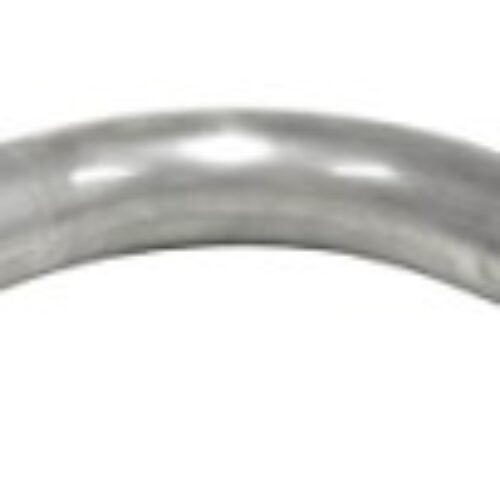
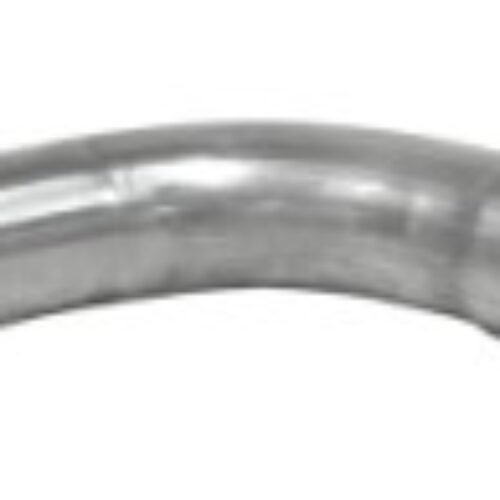
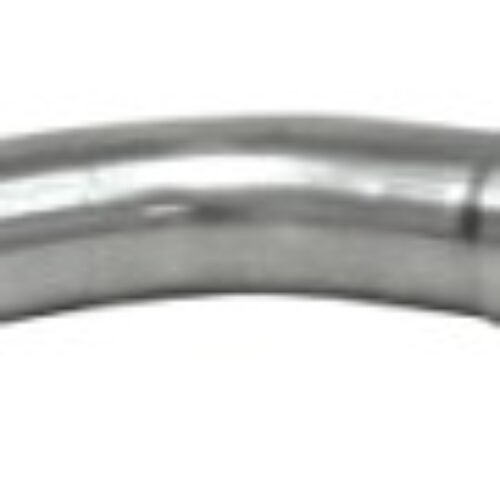
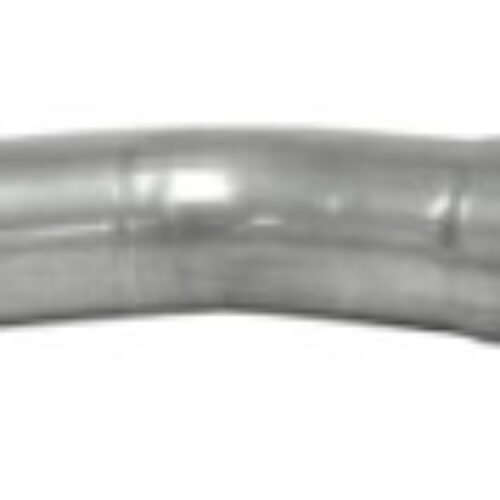
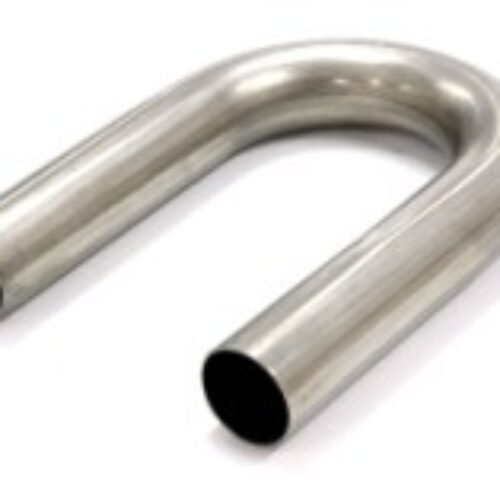
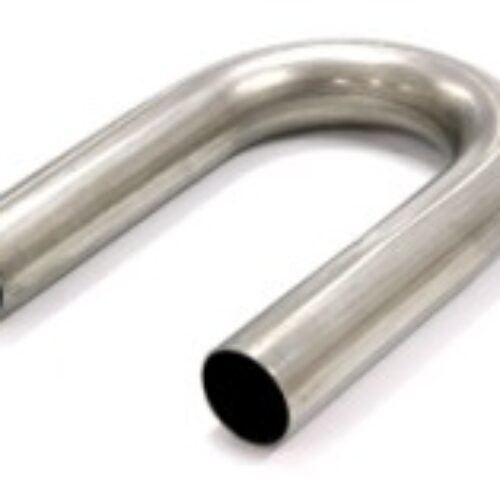
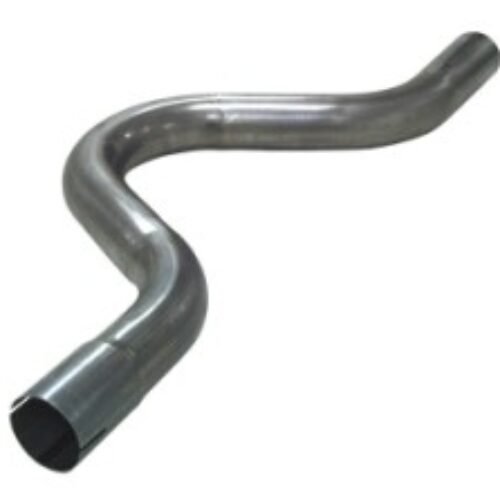
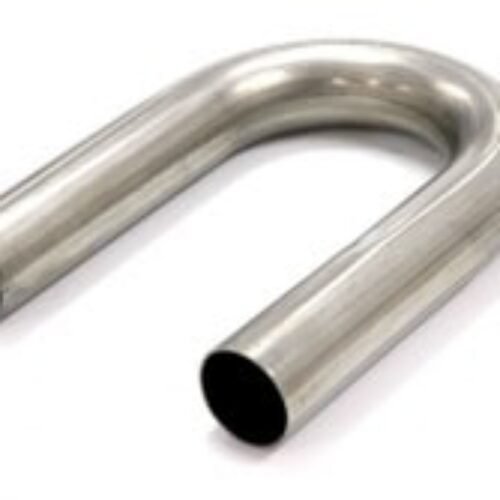
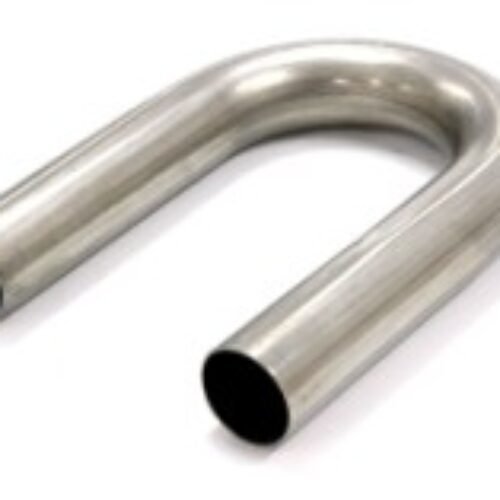
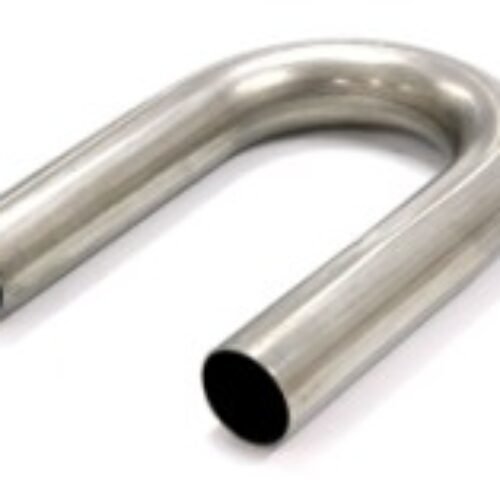
Exhaust bends take the pipework around the floor, subframe and axle when a system is built or repaired. Listed here are universal bends from 30° to 90° in stainless and mild steel, plus aluminium elbows for the intake side, in a wide spread of pipe diameters.
Every change of direction costs the gas some energy, and a tight or badly formed bend costs the most. A well-formed bend keeps the bore round and full through the turn. A crushed bend narrows and wrinkles on the inside, which adds restriction and turbulence. A gentle radius, and as few bends as the space allows, keep back pressure down.
Stainless and mild steel also behave differently in the workshop. Mild steel is easy to join with a MIG welder but needs a heat-resistant paint or coating against rust. Stainless steel needs a matching filler, and purging the inside of the pipe with gas gives a clean root without the crusty oxidation known as sugaring.
Choose bends by these details:
- Diameter: sizes run from 44.5 mm (1.75″) to 127 mm (5″), including 51, 57, 63.5, 70, 76 and 89 mm. Metric sizes such as 48, 54, 60 and 80 mm help when joining original pipework. Match the outside diameter of the pipe.
- Angle: 30°, 45°, 60° and 90° bends cover most routes, and two 45° bends make a neat offset to step a pipe sideways.
- Material: stainless steel for a long life without coating; mild steel where easy welding and repairs matter more than corrosion resistance.
- Aluminium elbows: listed at 50 cm long, from 30 to 102 mm, in 45°, 90° and 180° versions. They are for intake and charge-air pipes, because aluminium loses its strength at exhaust temperatures.
Cut each bend where you need it, square the ends and deburr the inside so that no lip faces the flow. Tack the whole run in place on the car before final welding. Then check the clearance to the floor, fuel and brake lines and driveshafts while someone rocks the engine on its mounts.
Leave the finished system free to grow as it heats up. Hangers and a flexible section should take that movement, not the welds at each bend.

Store Information
TrackTool Factory
Sluispolderweg 7A
1505 HJ Zaandam
The Netherlands
Chamber of Commerce (KVK): 97296902
VAT: NL867990375B01