Engine Cooling
Electric Cooling Fans
- 141 products
- 5 brands
- Ships from EU stock
- Electric Cooling Fans guide
Top brands in Electric Cooling Fans





Showing 1–48 of 141 resultsSorted by latest




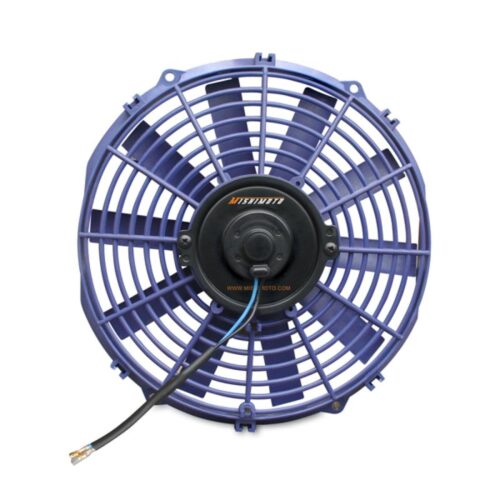
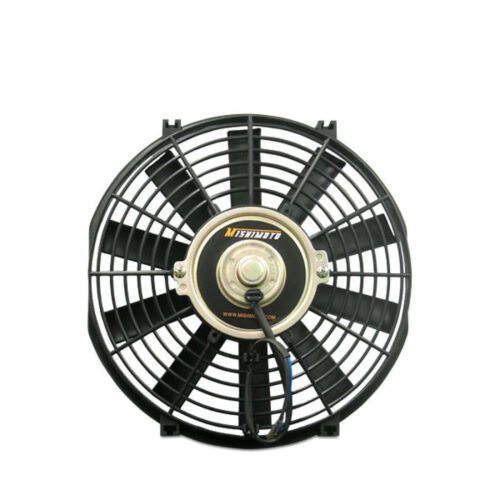
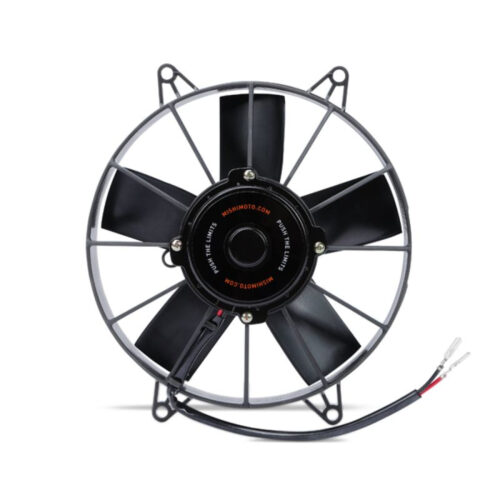
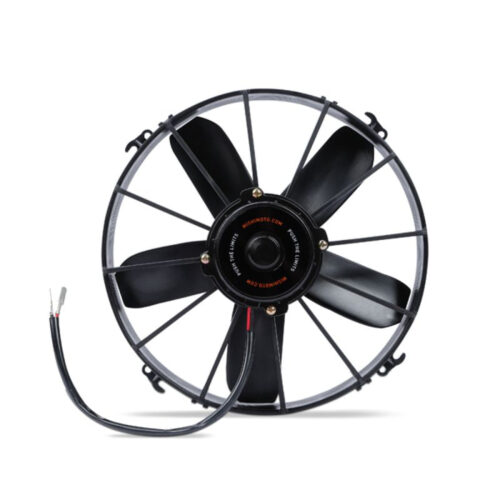

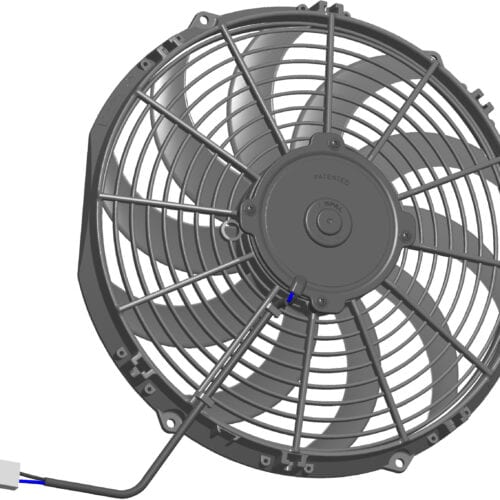
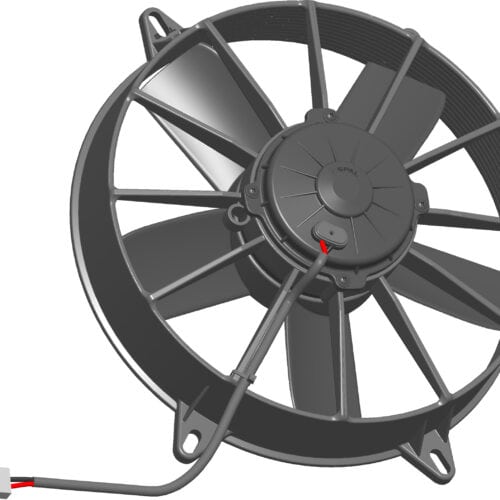
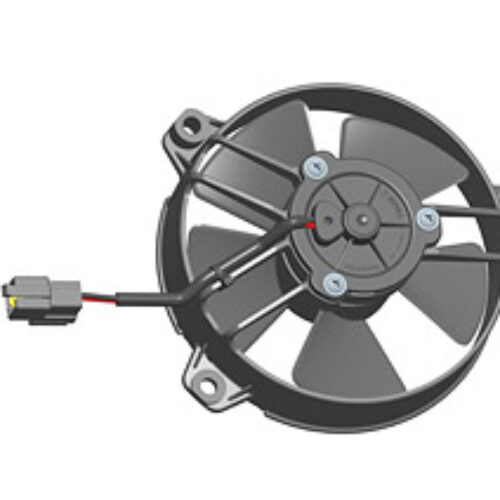
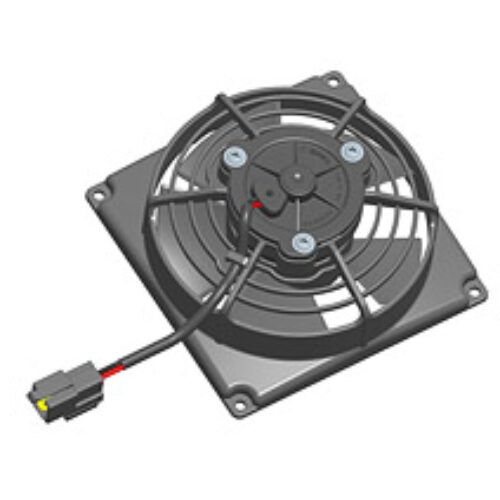
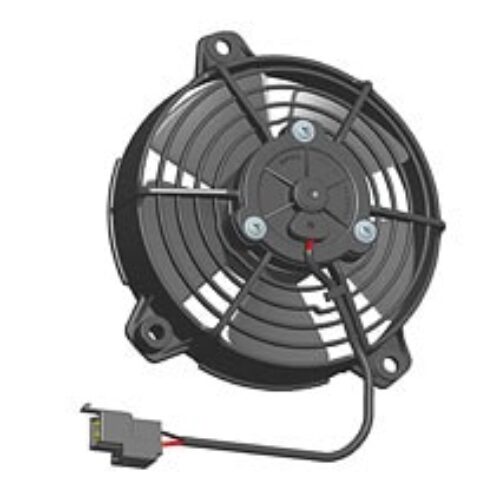
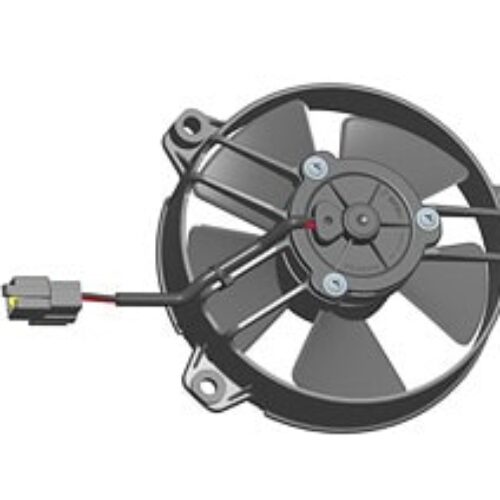
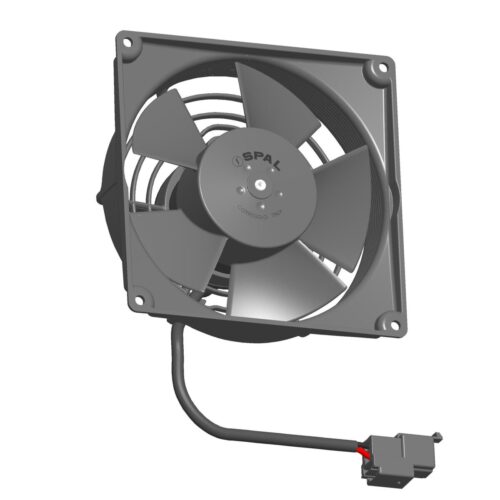
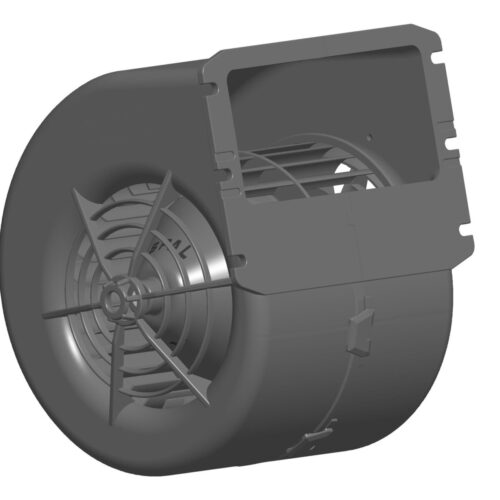
Electric Cooling Fans guide
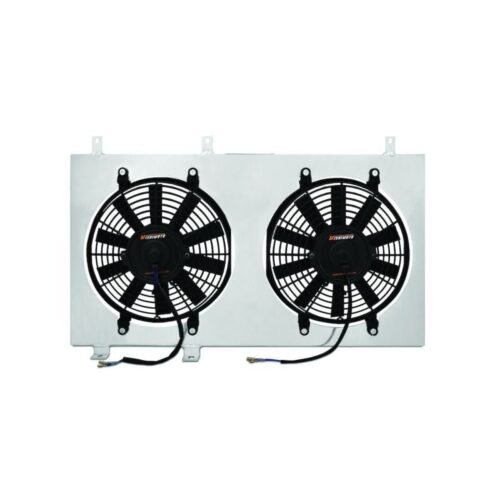
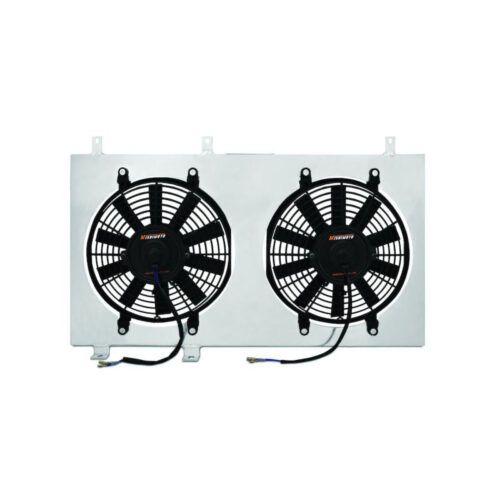
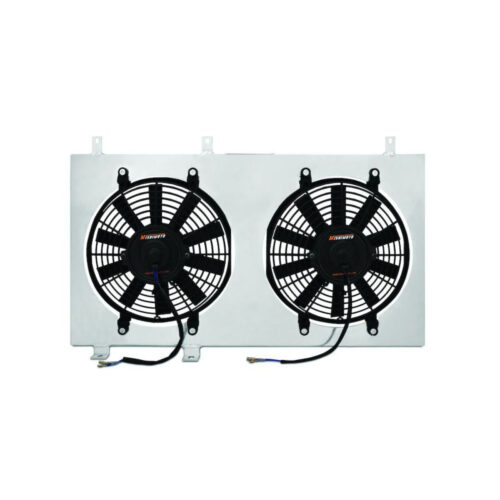
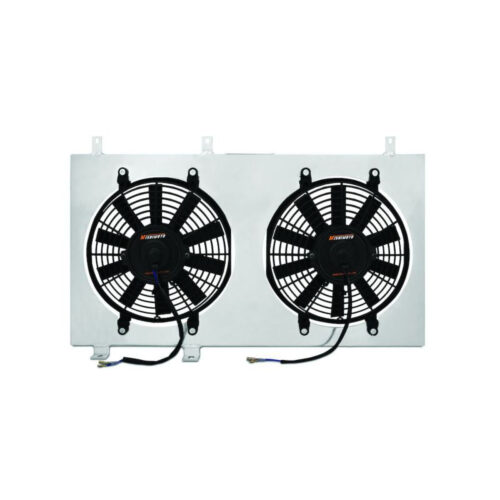
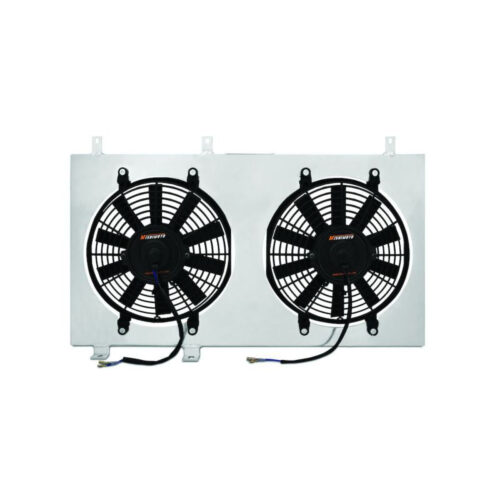
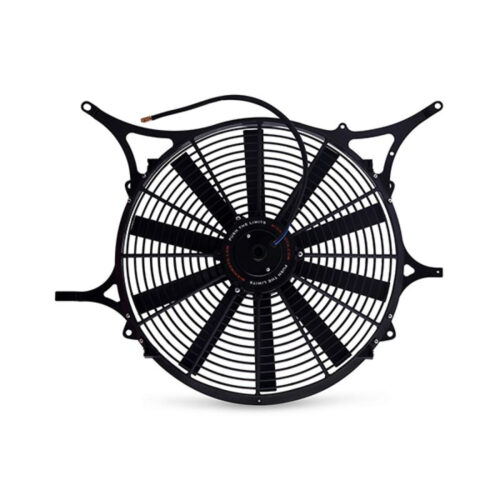
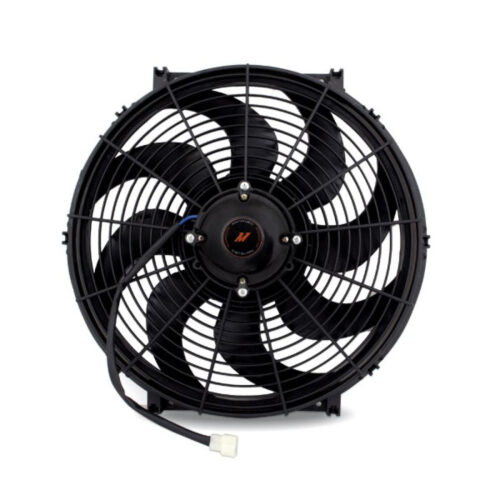
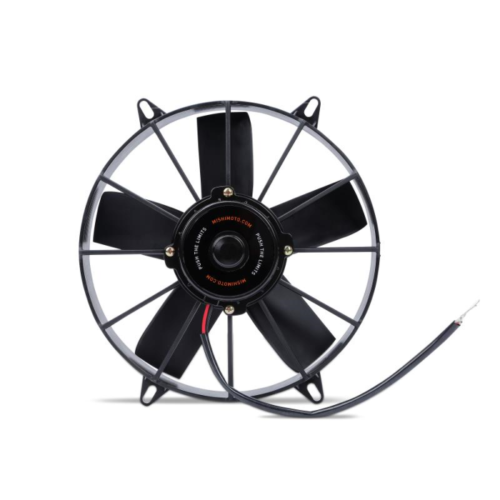
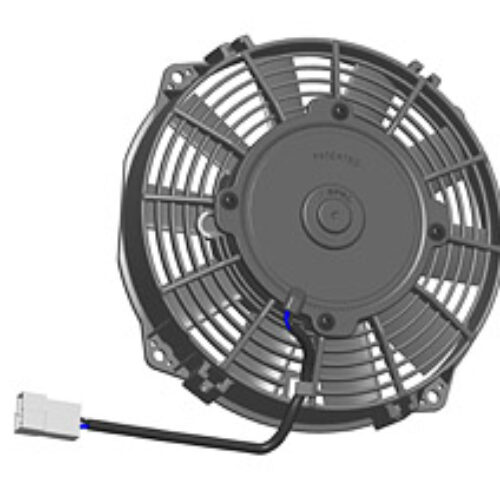
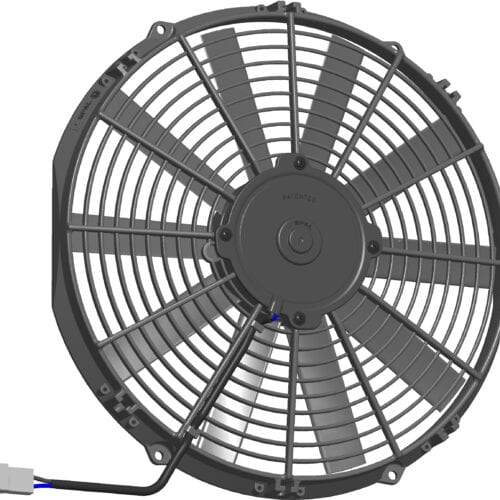
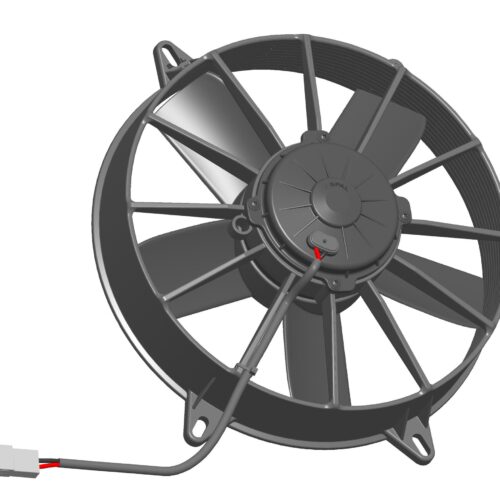
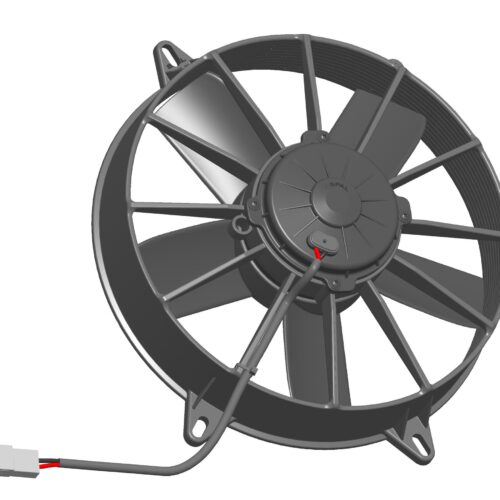
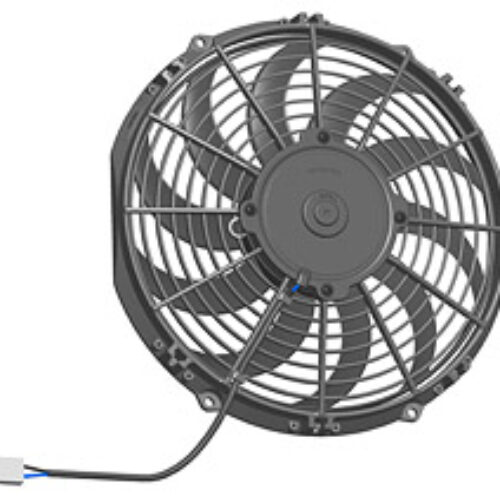
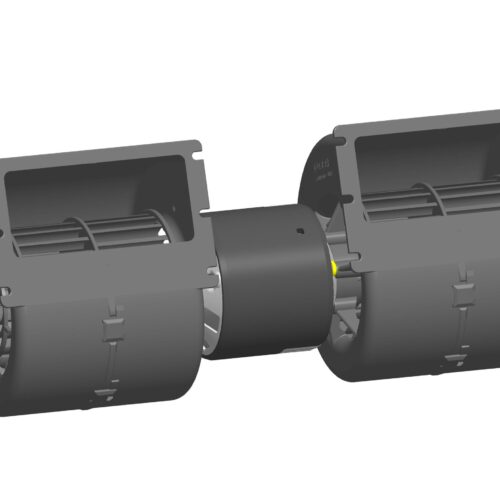
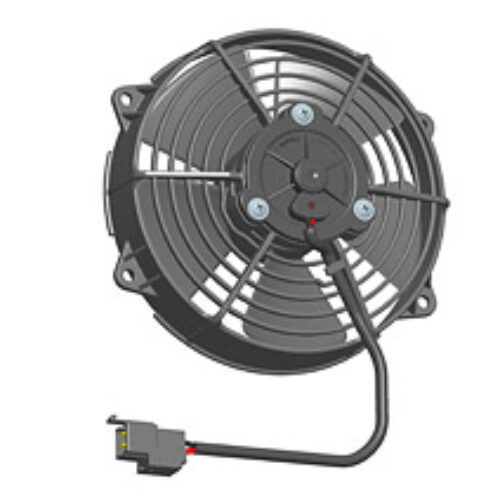
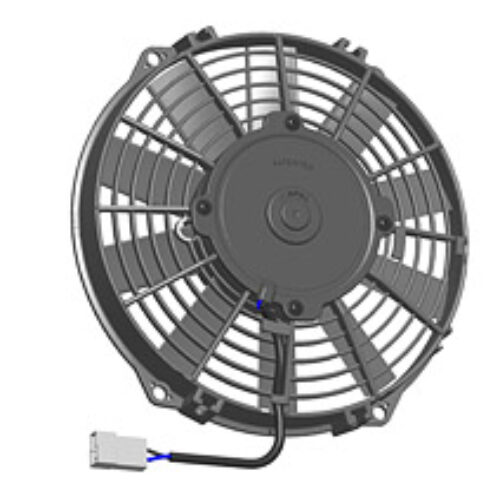
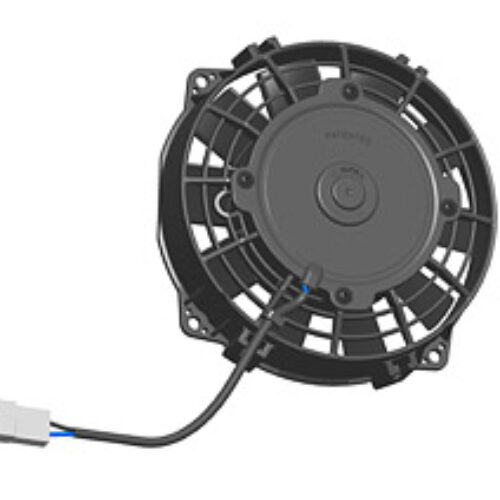
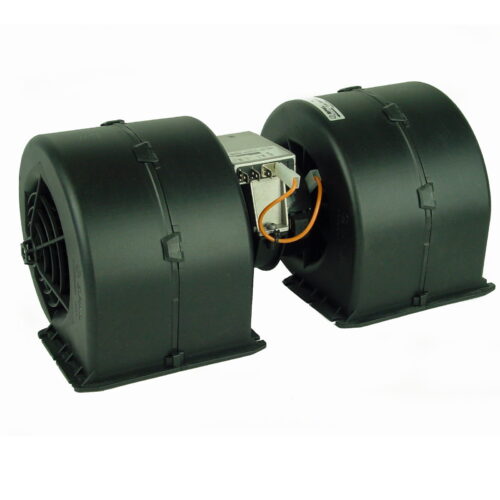
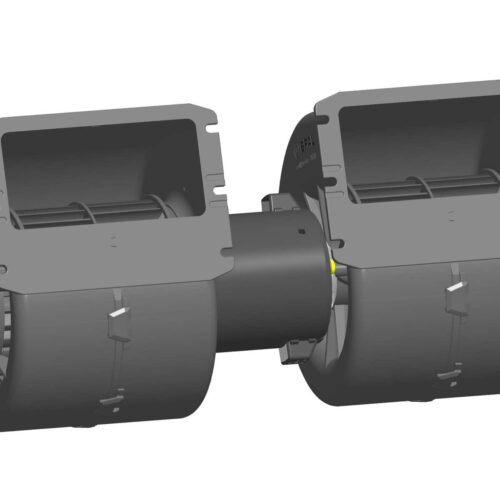
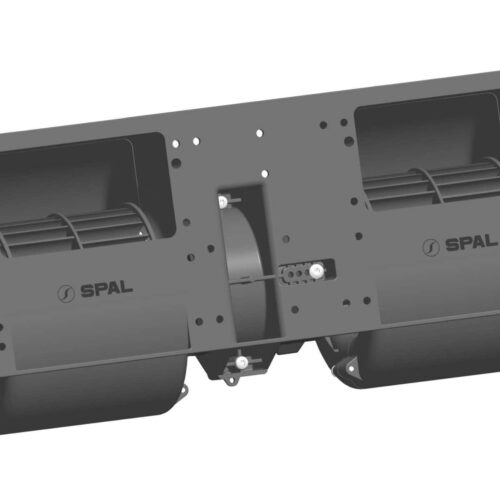
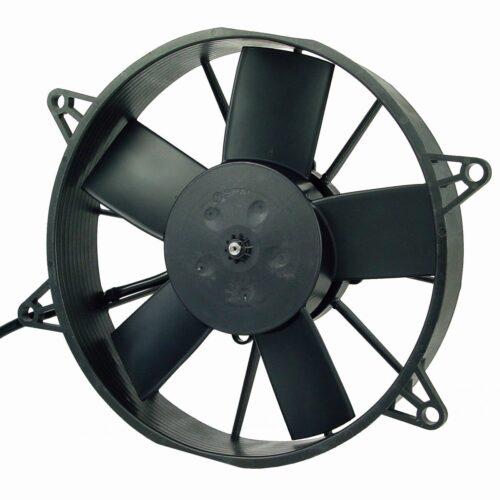
An electric cooling fan pulls or pushes air through a radiator, intercooler or oil cooler when the car is moving slowly or standing still. At speed, ram air does most of the work; in the pits and in traffic, the fan is all the core has. Universal and slimline fans, radial fans and shroud kits are listed here.
Listed airflow is normally measured in free air, so a radiator core, and a thick one most of all, cuts the real flow well below the figure. A shroud spreads the suction over the whole core rather than the circle the blades sweep, and stops air spilling back around the blade tips.
A puller sits behind the core and draws air through it, which with a shroud gives the most even flow. A pusher mounts in front when there is no room behind, but it blocks part of the core face at speed. Current is the other key figure, and a motor briefly draws several times its running current as it starts.
Measure the space first, then compare the data.
- Size: blade diameters such as 190, 280 or 385 mm, with the frame listed separately: a 305 mm fan sits in a 336 mm frame, for example. Slim units are about 52 mm deep and some motors over 140 mm, so check the gap to the engine.
- Airflow and current: airflow figures such as 1060, 2230 or 3430 m³/h, and currents such as 7.5, 12.7 or 20.5 A. At the same voltage, airflow per amp shows which fan is easier on the charging system.
- Pusher or puller: the fan type is listed, because blade pitch and rotation are made for one direction of flow.
- Voltage: 12 V and 24 V versions are listed. A 24 V fan on a 12 V system runs at roughly half speed.
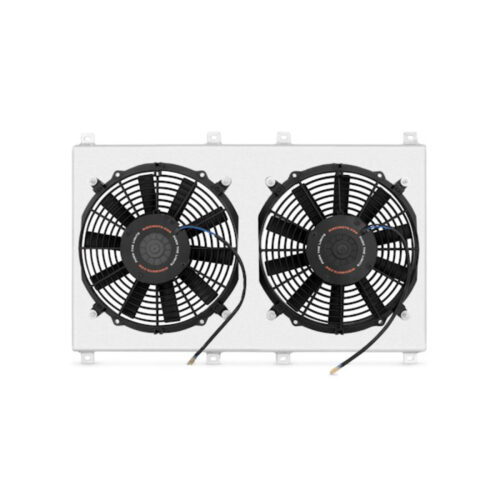
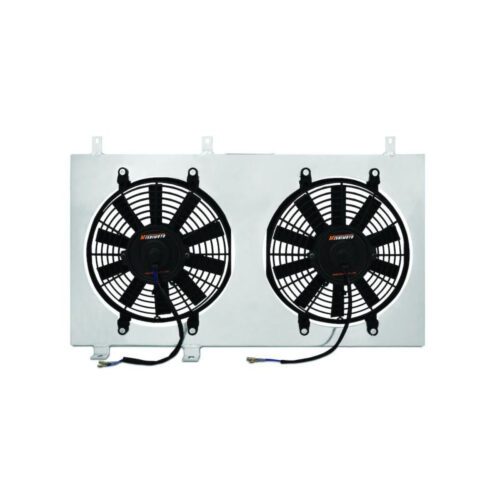
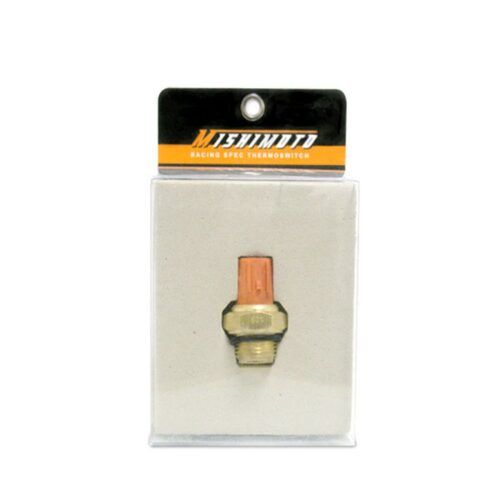
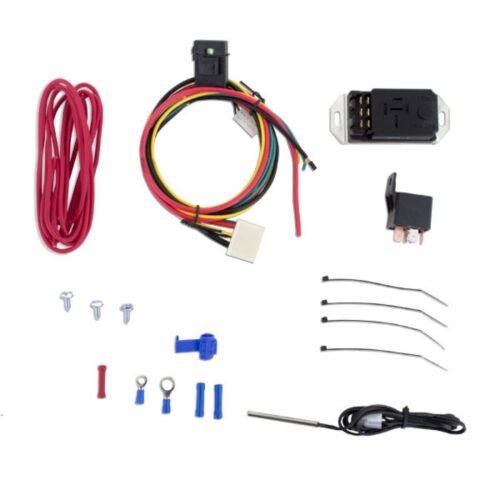
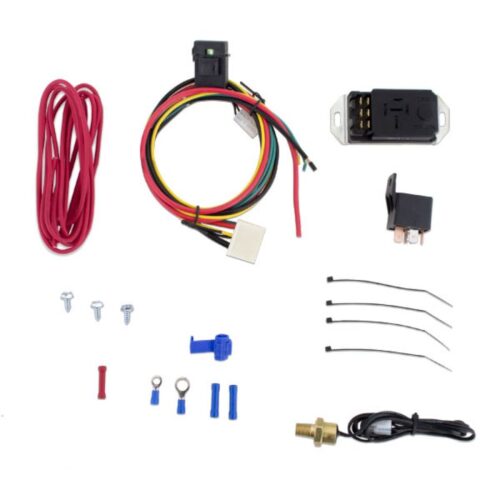
- Shrouds and control: vehicle-specific shroud kits, some in aluminium, a shroud for a 26-inch dual-pass race radiator, and an adjustable controller kit with a probe sensor.
Mount the fan on a shroud or on brackets to the radiator frame, as ties pushed through the core can wear through its tubes. With most motors, swapping the two wires reverses rotation, so check the airflow direction with the fan running. Feed it through a relay, with a fuse that protects the cable but does not blow on the running current or the start surge. Listen for bearing noise, check the blades for cracks, and keep the connector clean and sealed against corrosion.

Store Information
TrackTool Factory
Sluispolderweg 7A
1505 HJ Zaandam
The Netherlands
Chamber of Commerce (KVK): 97296902
VAT: NL867990375B01