
Top brands in Coolant Tanks


Showing all 31 resultsSorted by latest
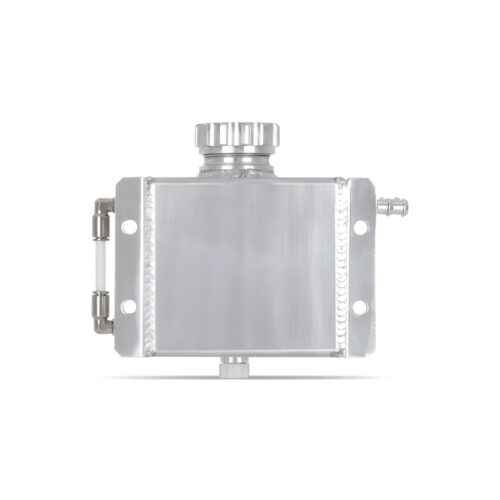

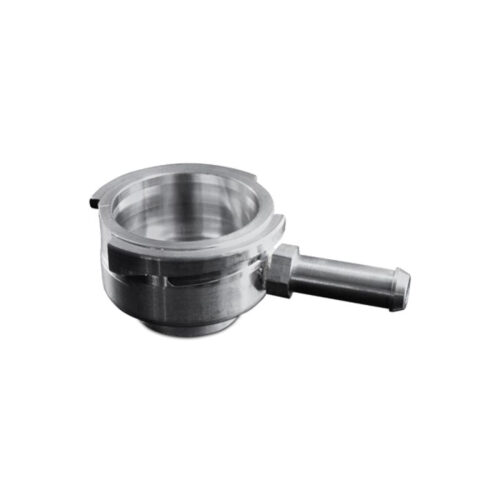
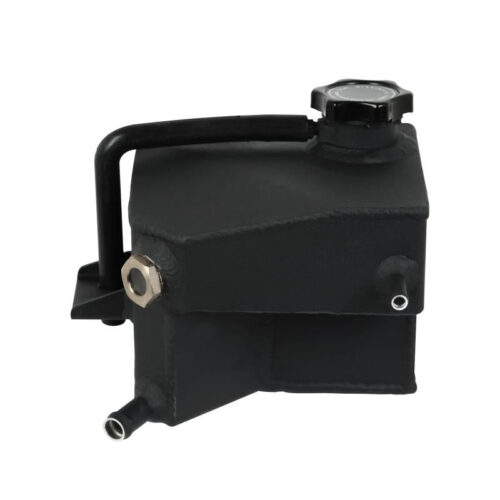
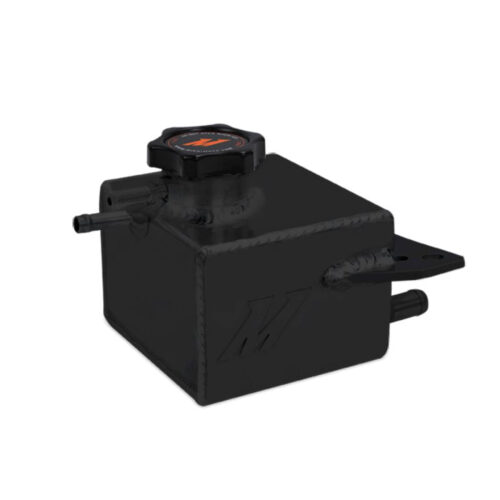

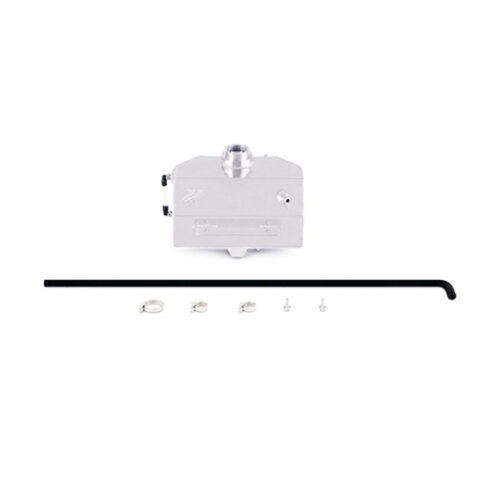
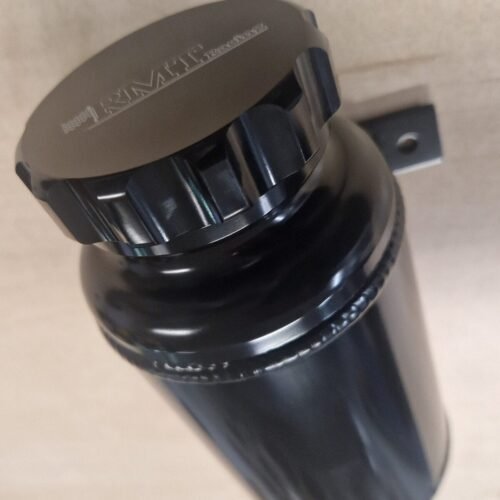
RMT Racing Aluminium Radiator Overflow Tank – 0.9 Litre
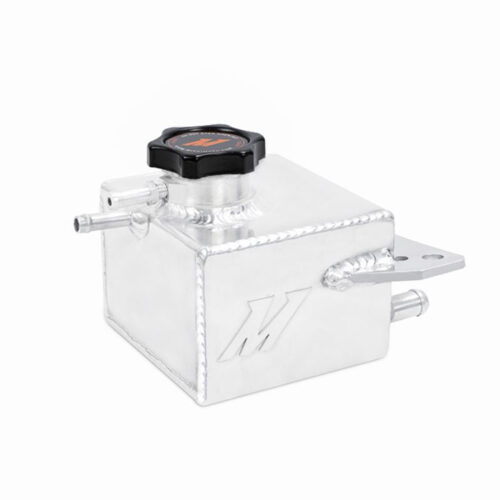
Subaru WRX 01-07 / STI 04-16 Coolant Tank Silver – MMRT-WRX-01E
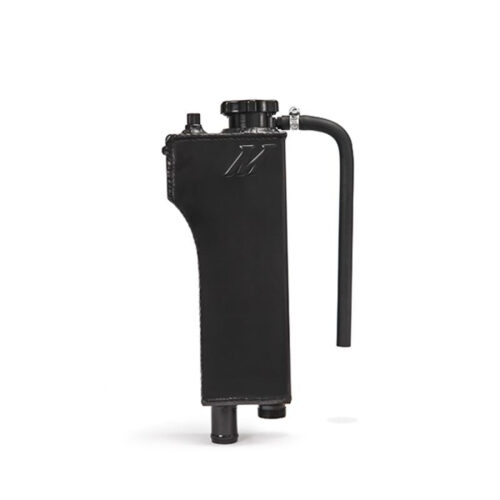
BMW E36 non-M3 Alu Coolant Expansion Tank Black – MMRT-E36-92EBK
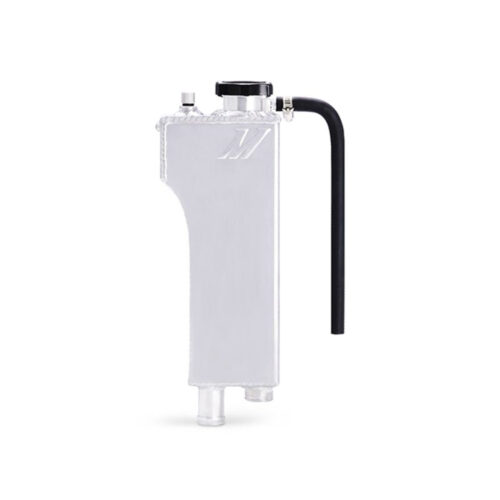
BMW E36 non-M3 Alu Coolant Expansion Tank Silver – MMRT-E36-92E
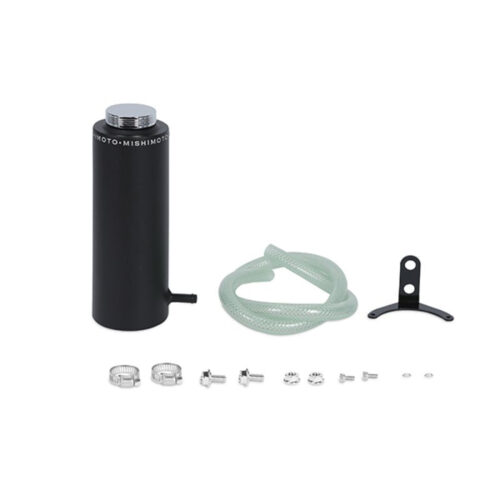
Universal Aluminum Coolant Reservoir Tank Black – MMRT-CAWBK
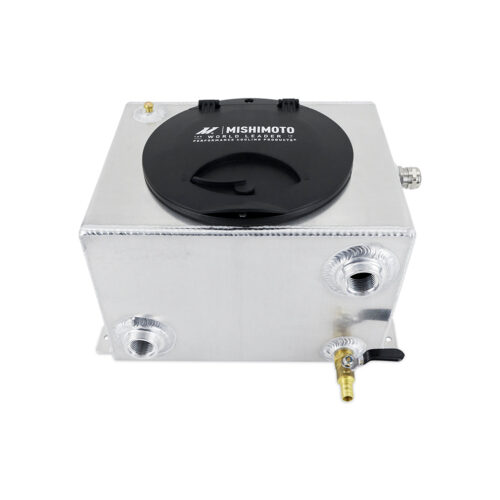
Universal Ice Box Tank Reservoir, 2.5 Gallon, Natural – MMRT-A2W-25N
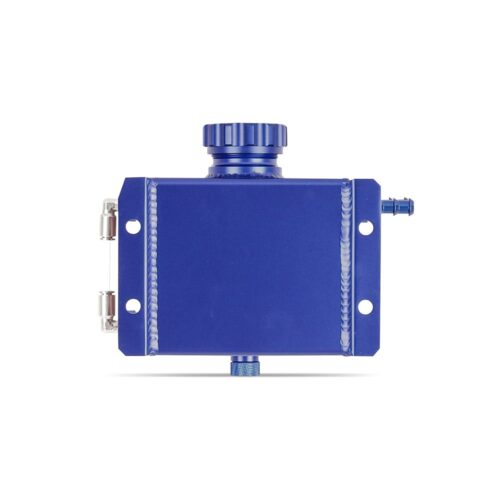
1L Coolant Overflow Tank, Blue – MMRT-1LBL

1L Coolant Overflow Tank, Black – MMRT-1LBK
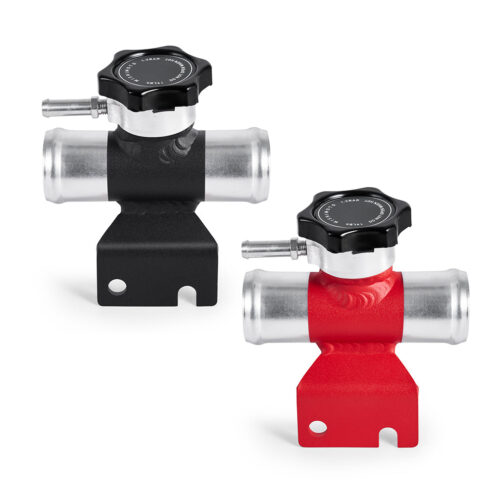
2008-2015 Mitsubishi Lancer Evo x Coolant Fill Inlet, Red – MMFN-EVO-RD
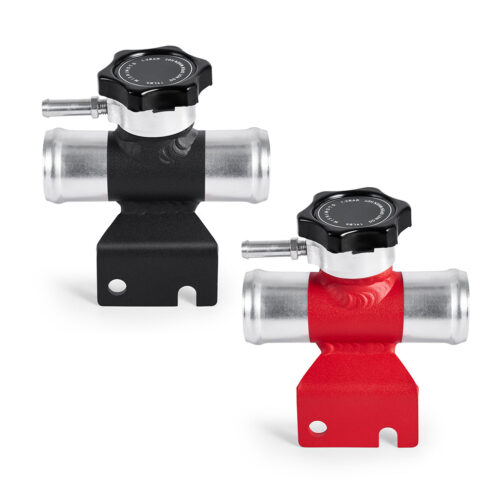
2008-2015 Mitsubishi Lancer Evo x Coolant Fill Inlet, Black – MMFN-EVO-BK
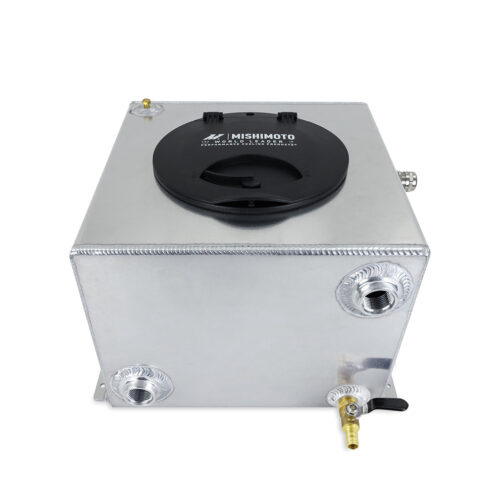
Air to Water Intercooler Ice Tank, 5.0 Gallon – MMRT-A2W-50N
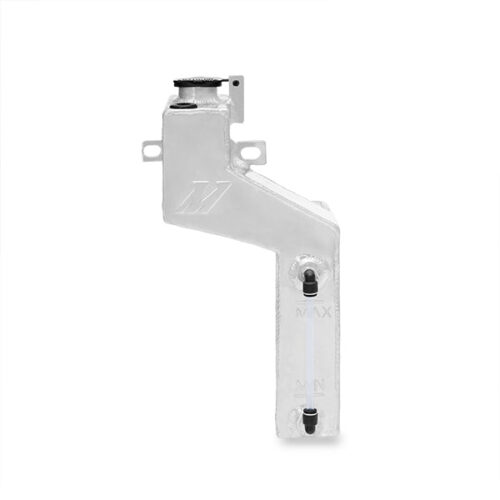
Subaru/Scion/Toyota BRZ 13+ Expansion Tank Polished – MMRT-BRZ-13P

Subaru/Scion/Toyota BRZ/FR-S/86 13+ Expansion Tank Blk – MMRT-BRZ-13BK
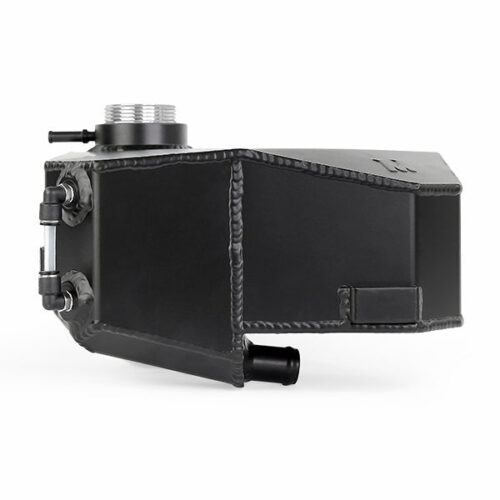
Ford Focus RS 16+/ST 12+ Expansion Tank Black – MMRT-RS-16EBK
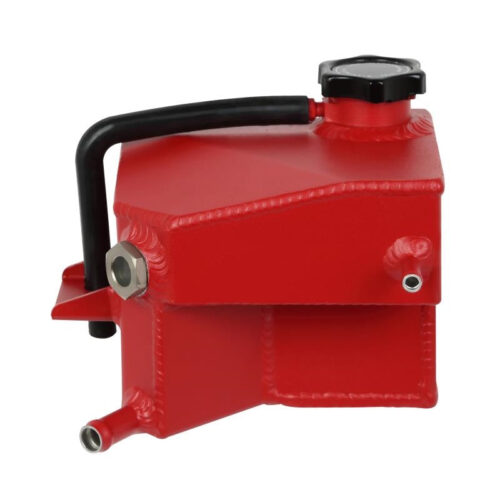
Honda Civic 17+ FK8 TypeR Alu Expansion Tank Red – MMRT-CTR-17EMWRD

Subaru WRX 08-14 Alu Coolant Expansion Tank Silver – MMRT-WRX-08E

Subaru WRX/STI 08-14 Coolant Overflow Tank Black – MMRT-STI-08BK

Subaru WRX/STI 08-14 Coolant Overflow Tank Silver – MMRT-STI-08
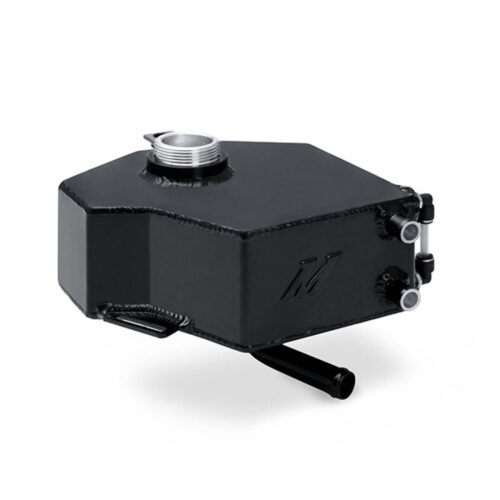
Ford Fiesta ST 14+ Expansion Tank Black – MMRT-FIST-14EBK
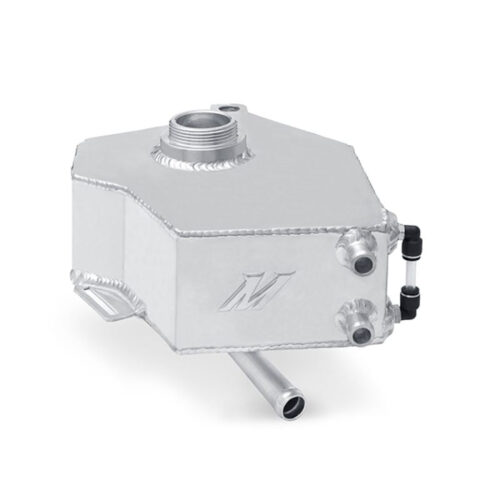
Ford Fiesta ST 14+ Expansion Tank Polished – MMRT-FIST-14E
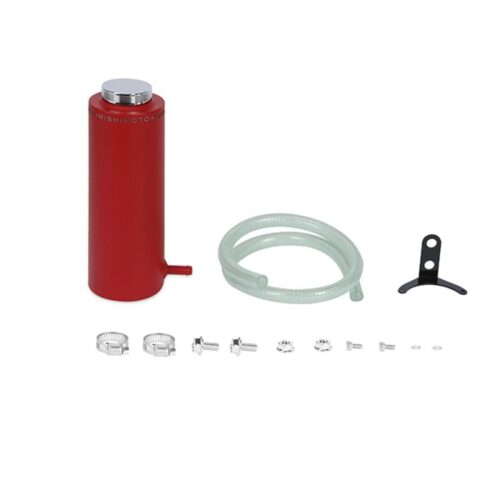
Universal Aluminum Coolant Reservoir Tank Red – MMRT-CAWRD


Coolant Tanks guide
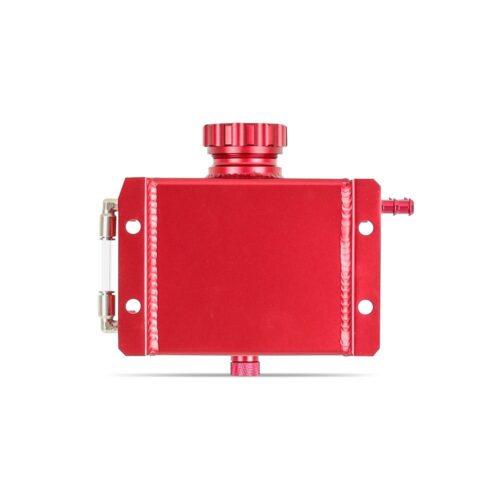
Coolant tanks hold the extra coolant that a cooling system needs as it heats and cools, and give trapped air a place to separate out. You will find aluminium expansion tanks for specific cars, universal reservoirs and overflow bottles, filler necks, and ice tanks for water-to-air intercooler systems.
There are two kinds, and they are not interchangeable. An overflow, or recovery, bottle is unpressurised: coolant pushed past the radiator cap as it expands collects there and is drawn back as the engine cools. An expansion tank, also called a header or surge tank, is part of the pressurised circuit and usually carries the pressure cap itself.
The tank’s air space absorbs the coolant’s expansion, and because coolant moves slowly through it, entrained air separates and stays at the top. That matters, since bubbles insulate hot spots in the head, encourage pump cavitation and make temperature readings jump.
Identify the system type first, then the tank.
- Vehicle-specific tanks: aluminium expansion and overflow tanks that use the factory mounting points and hose connections, in silver, black, polished or red.
- Universal bottles: aluminium overflow bottles of 1 litre in red, black or blue, a polished 1-quart version and a 0.9-litre tank, plus universal aluminium reservoirs.
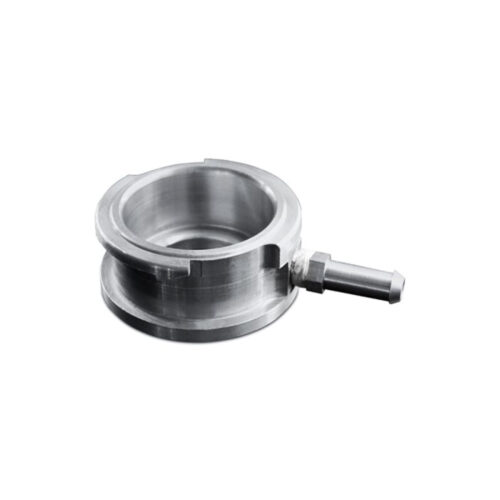
- Filler necks: machined aluminium necks in 32 and 42 mm add a filling point and cap seat to a custom tank or radiator. Match the cap to the neck size.
- Ice tanks: 2.5- and 5.0-gallon tanks for water-to-air intercoolers hold iced water as a heat sink for short, full-load runs, where tank capacity sets how long the cooling lasts.
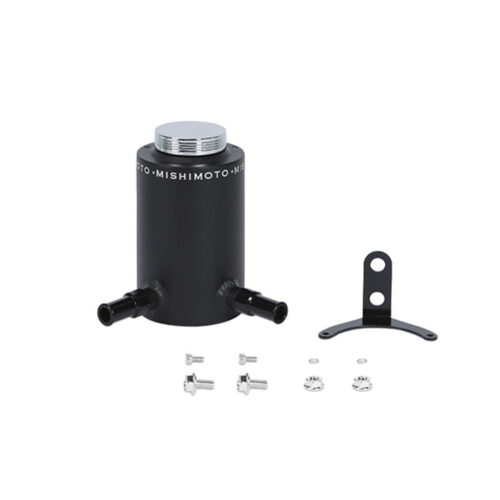
- Power steering: an aluminium power steering reservoir is listed here as well.
Mount an expansion tank above the highest coolant passage in the engine, so air collects in the tank rather than in the head. On a pressurised tank, the small vent lines from the radiator top and the engine’s high points enter at the top, and the larger outlet feeds the pump inlet. Fill only to the cold mark, because the air space is part of how the tank works.
Never open a pressurised tank while it is hot. Check welds, brackets and hose spigots for cracks at each service, as vibration finds any weak point in a rigid aluminium tank.

Store Information
TrackTool Factory
Sluispolderweg 7A
1505 HJ Zaandam
The Netherlands
KvK 97296902
BTW NL867990375B01
