Top brands in Wheel Accessories



Wheel Accessories guide
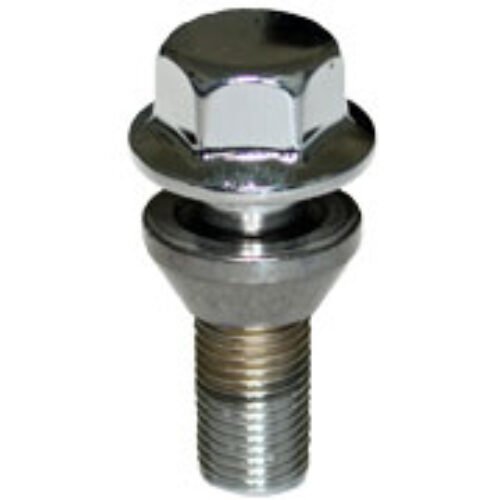
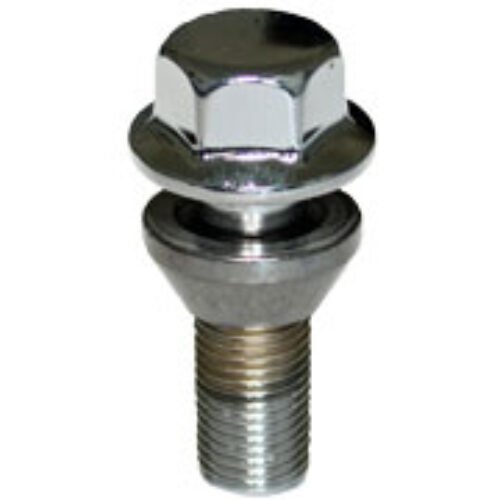
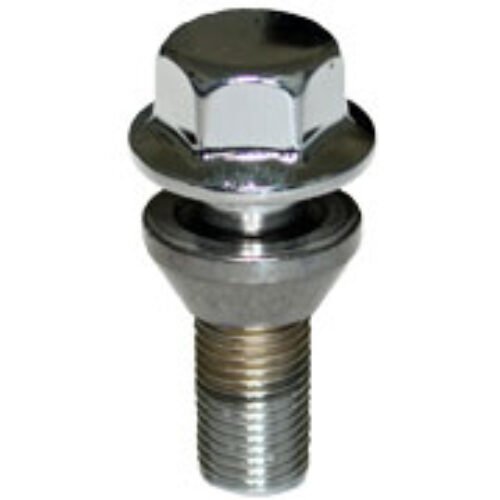
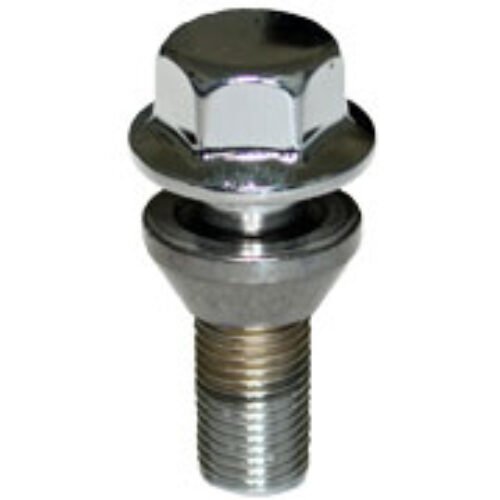
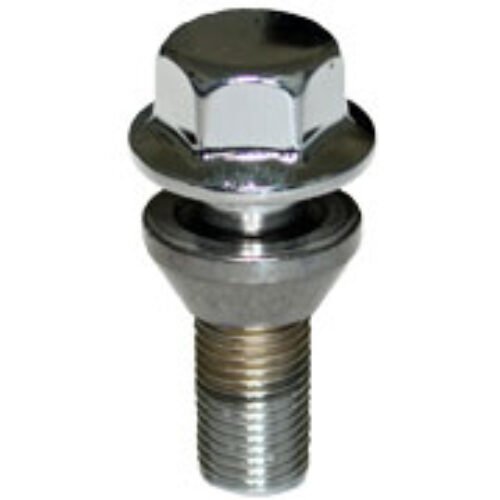
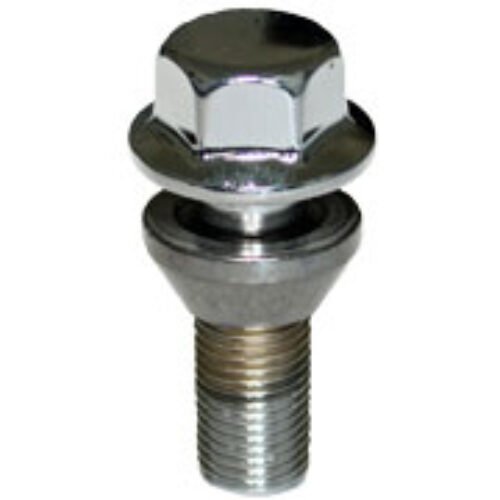
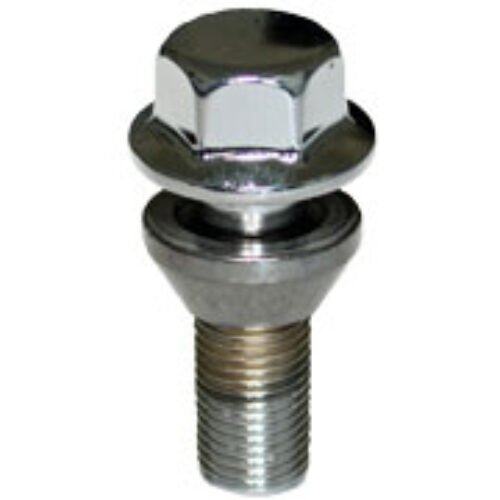
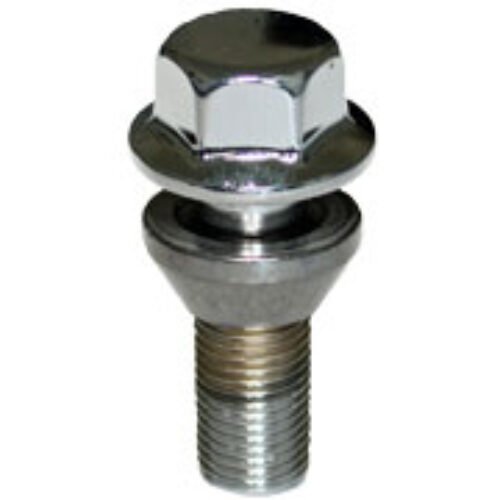
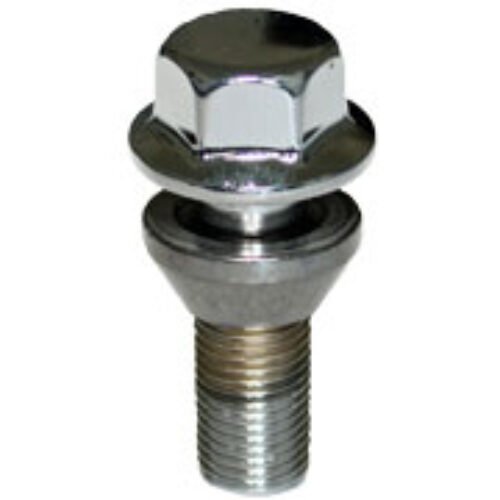
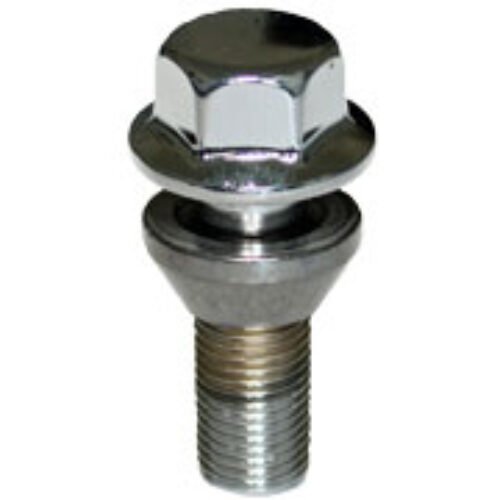
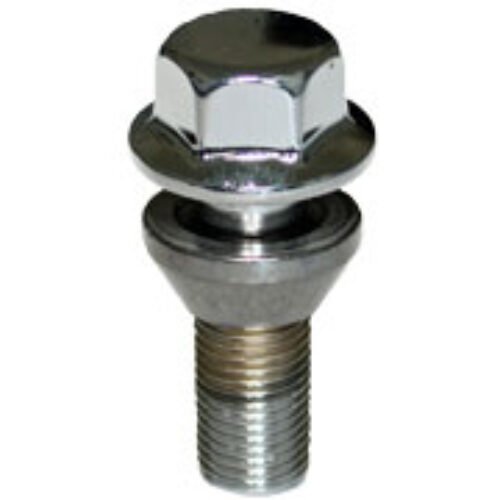
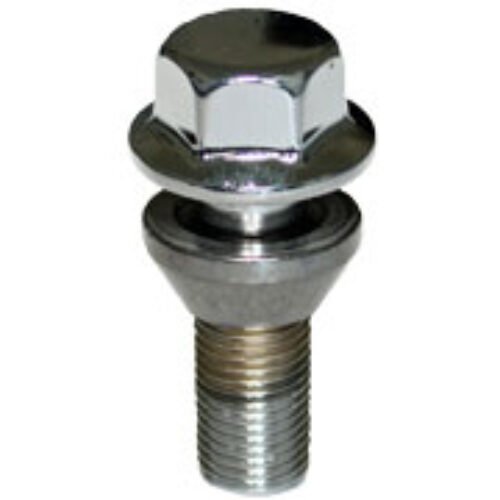
Wheel accessories cover the fasteners that hold a wheel to its hub, and the small parts around them. Much of the category is wheel bolts, locking bolts and locking nuts, listed by thread, seat shape, length and spanner size, with wheel spacers alongside.
A wheel is held by clamping force, not by the shear strength of its bolts. Tightened to the right torque, each bolt stretches slightly and presses the wheel against the hub, and friction at that face carries braking and cornering loads. A wrong seat, a short bolt or the wrong torque lowers that clamp load, and the wheel can work loose.
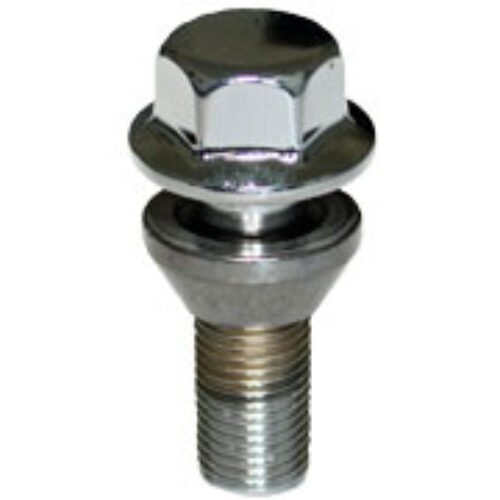
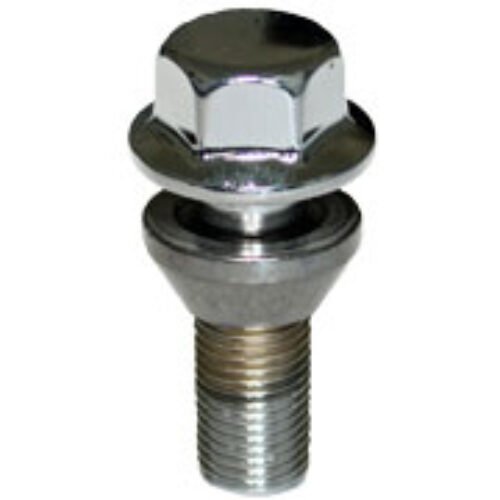
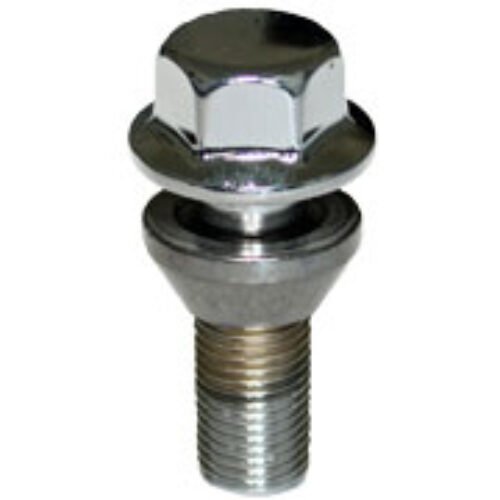
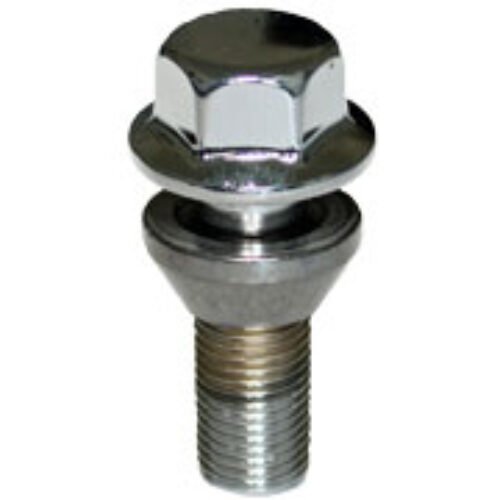
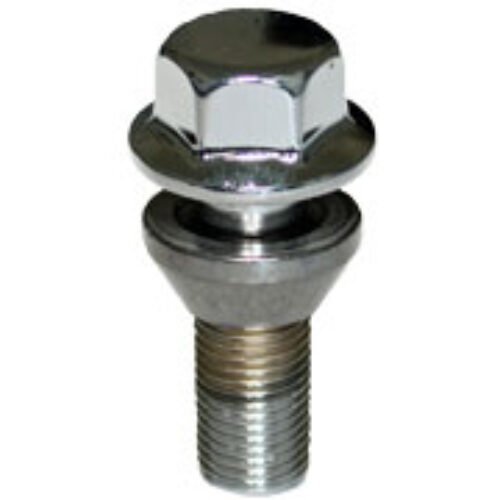
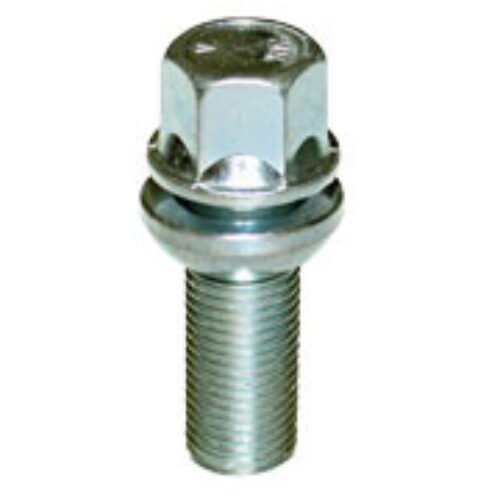
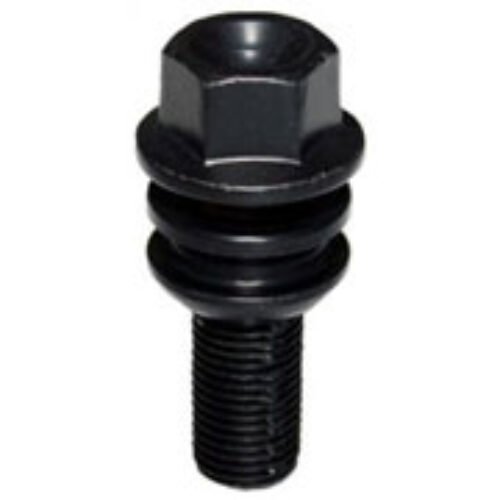
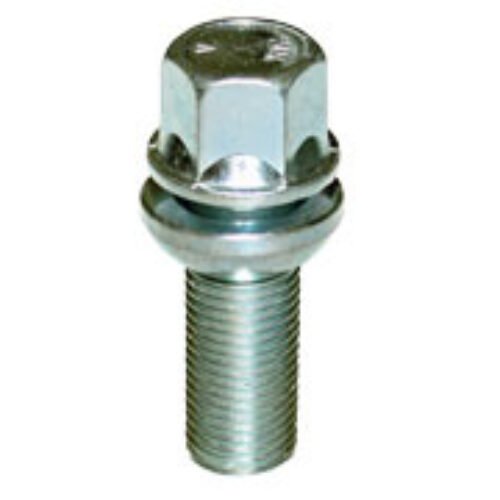
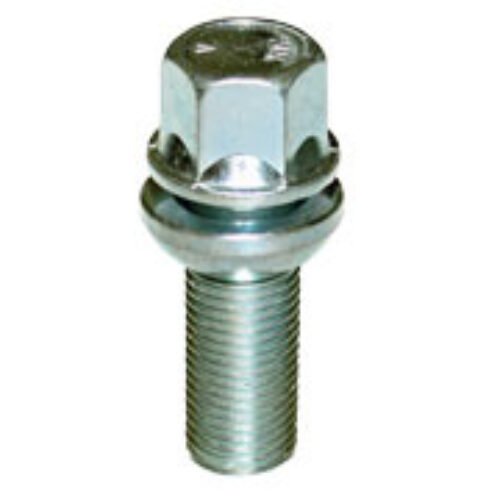
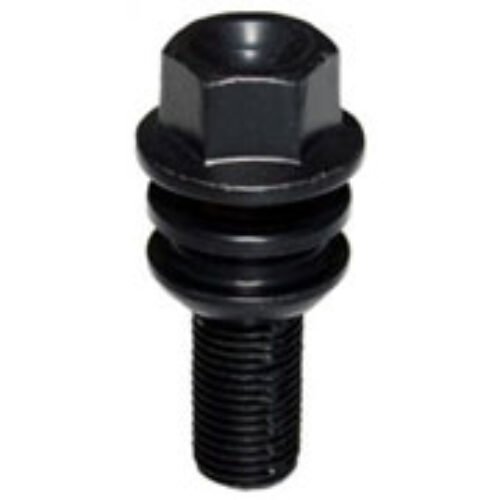
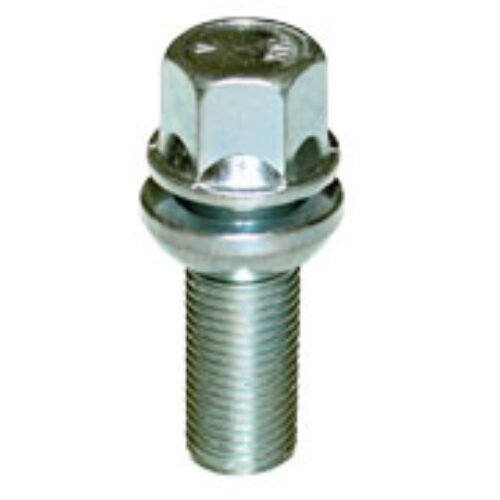
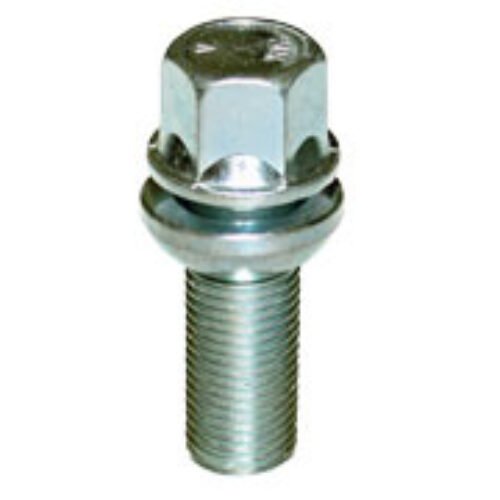
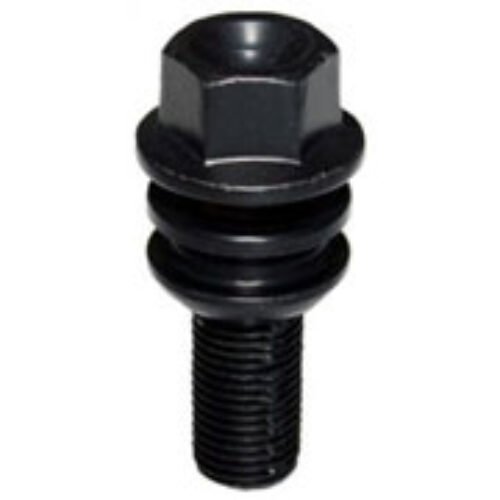
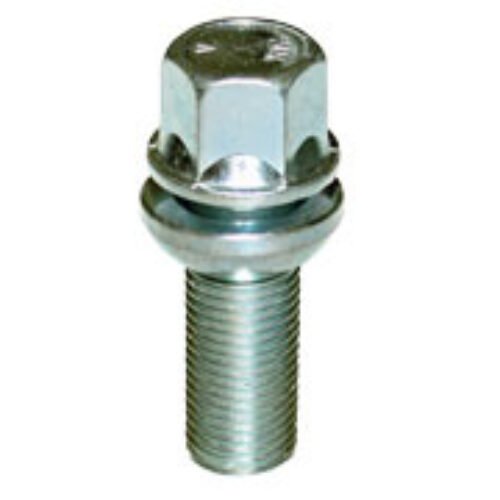
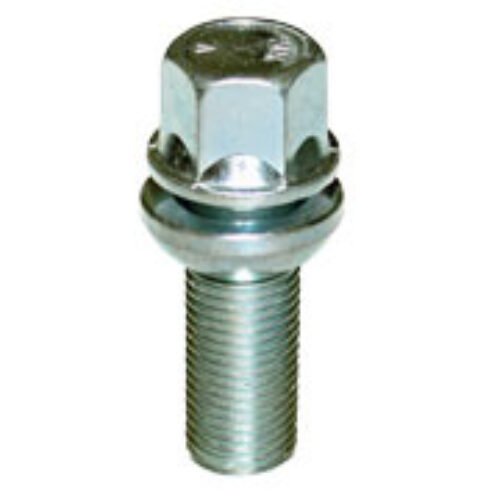
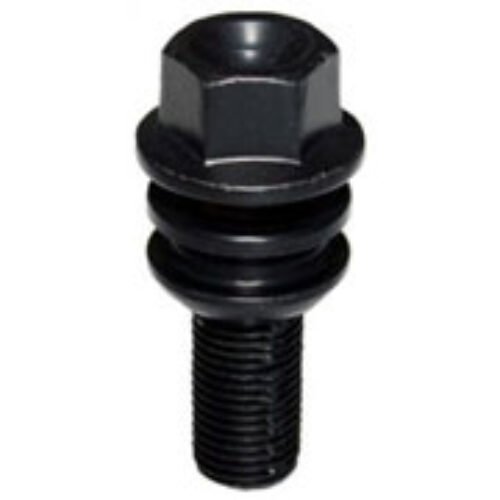
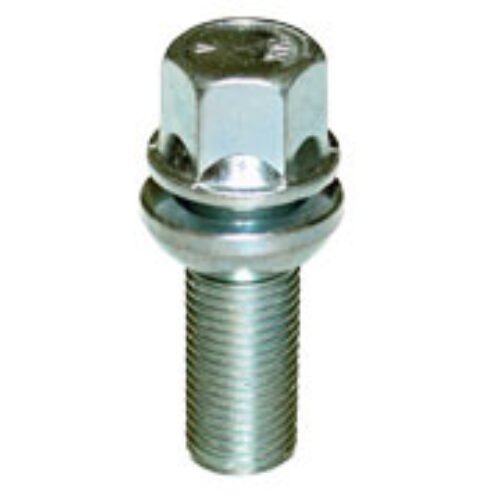
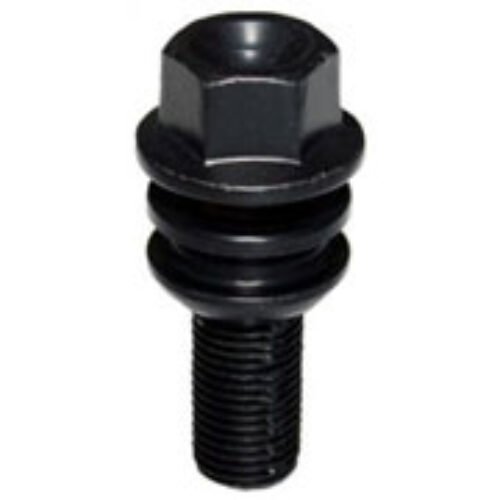
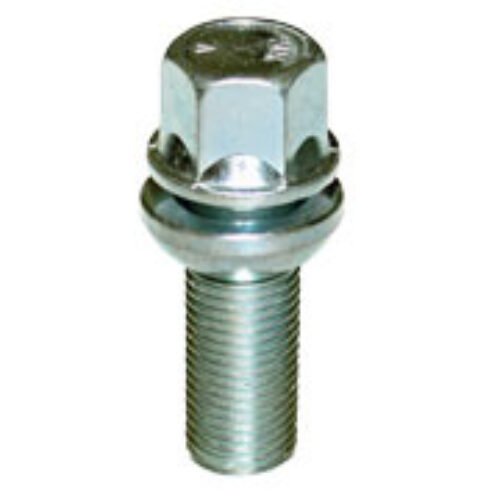
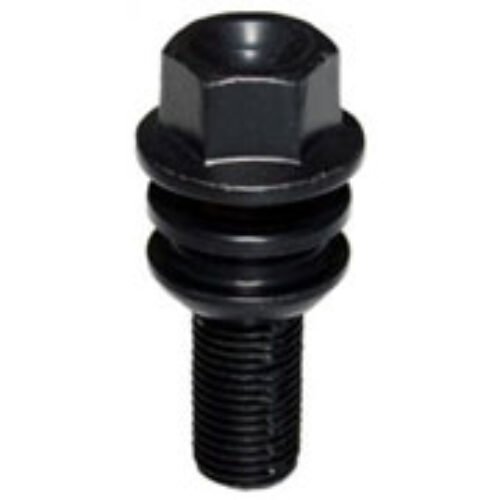
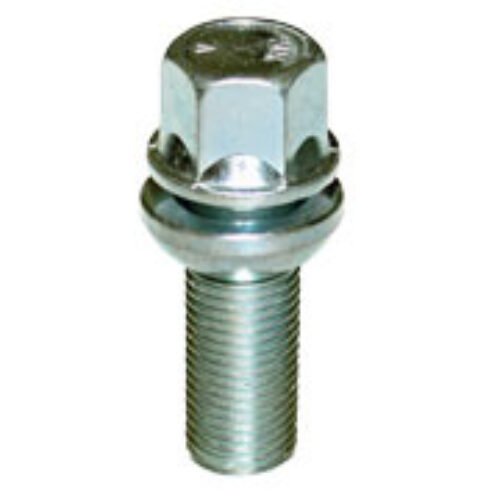
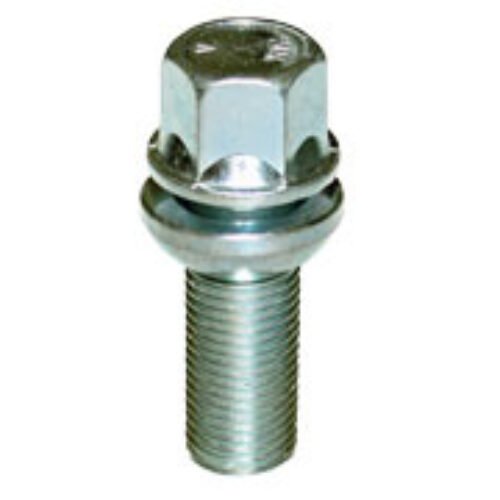
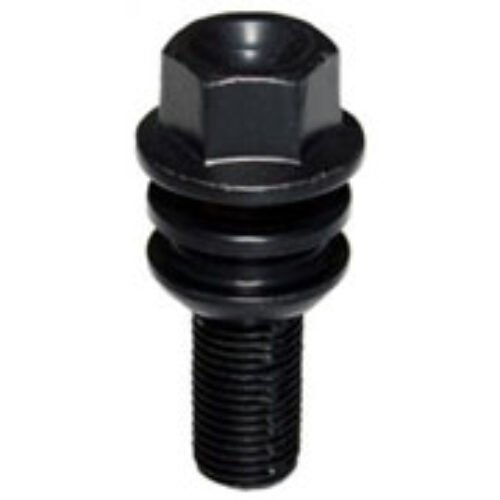
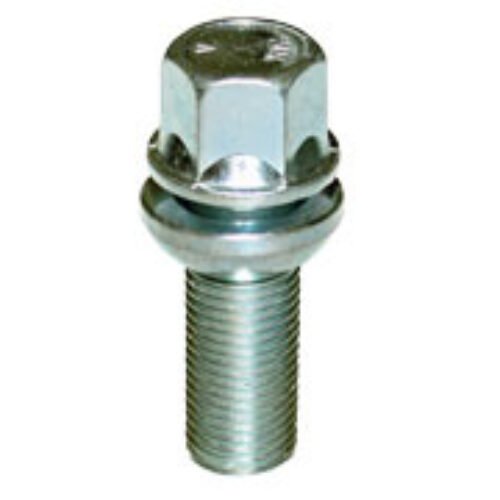
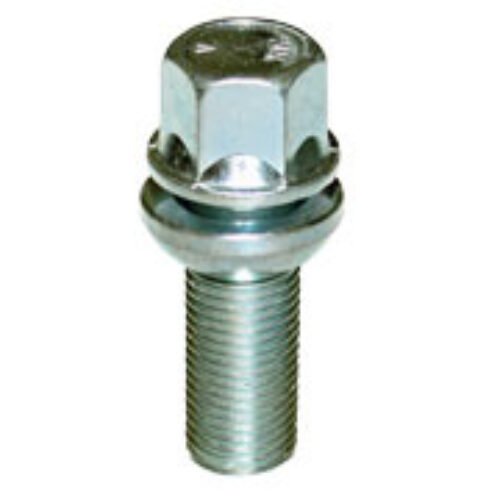
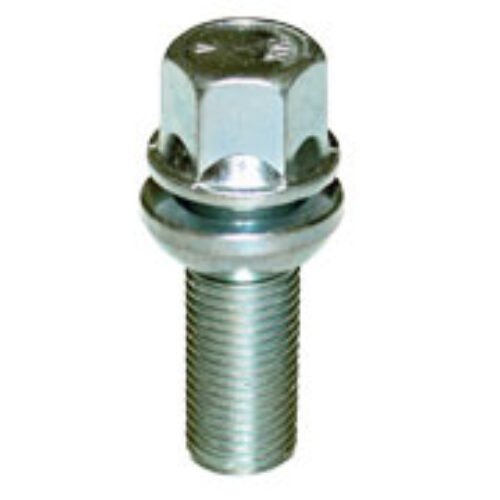
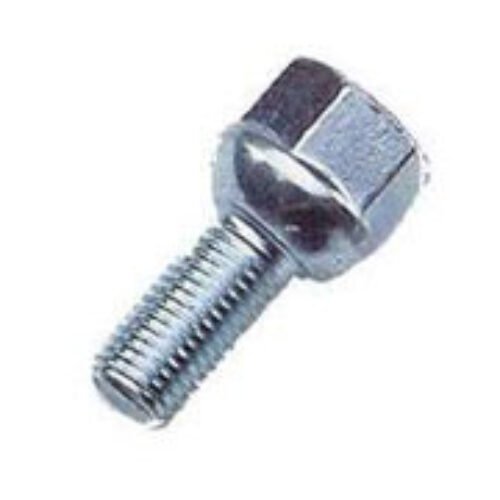
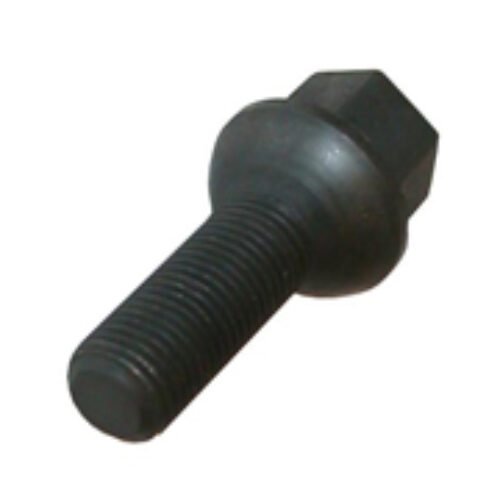
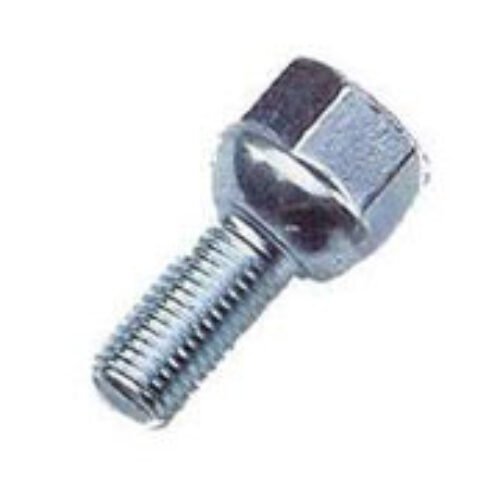
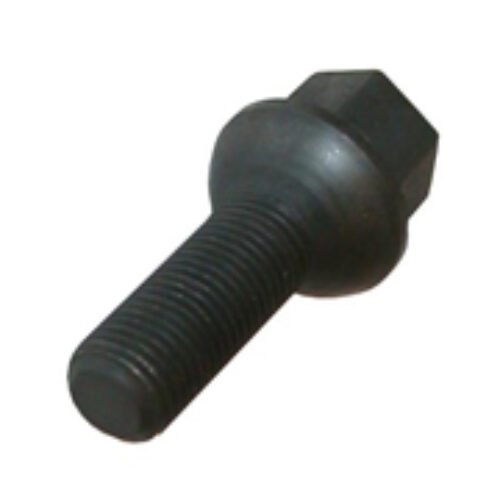
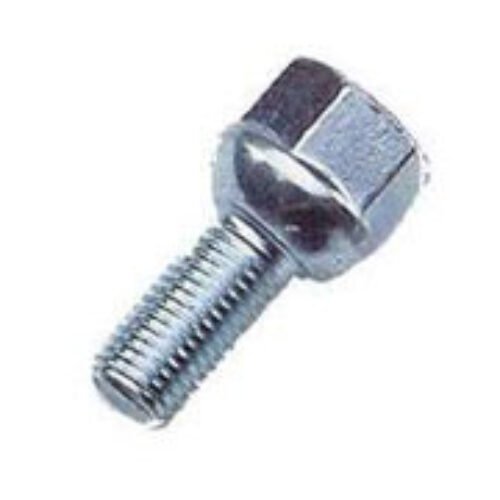
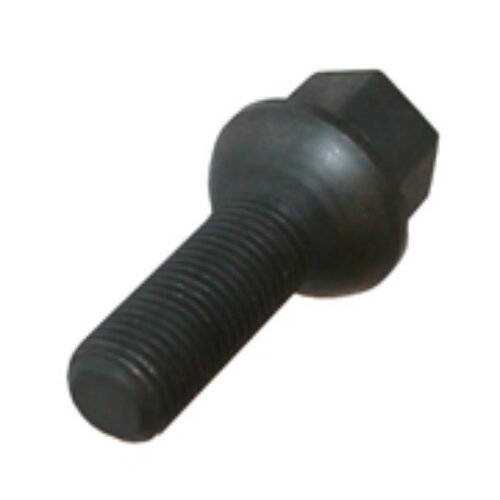
Seat shape catches many people out. A 60° conical seat and a ball seat of 12, 13 or 14 mm radius look alike at a glance. Each type, flat seats included, clamps properly only in a wheel with the same seat. The wrong pairing touches on a thin ring, which beds in and loses preload.
Match each fastener to the wheel and the hub:
- Thread: sizes include M12x1.25, M12x1.5, M12x1.75, M14x1.25, M14x1.5 and M15x1.25. Diameter and pitch must match the hub exactly.
- Seat: conical 60°, ball R12, R13 or R14, flat, or loose seat, where the seat is a separate ring that turns on the bolt. Take the seat from the wheel, not from the car.
- Length: titles give lengths such as 24, 39, 50 or 63 mm. A thicker wheel centre or a spacer needs a longer bolt, but the tip must not touch anything behind the hub.
- Spanner size: SW17, SW19, SW21 or SW22. Check that the socket fits the wheel’s bolt holes, especially with slim spokes.
- Locks: locking bolts and nuts open with a coded key, and open-ended lock nuts let longer studs pass through.
- Spacers: listed by bolt pattern, bore, thickness and thread, such as 5×120 with a 72.6 mm bore and 15 mm thickness. A slip-on spacer needs bolts longer by its own thickness.
Clean the threads and the hub face before fitting, and fit bolts dry unless the vehicle maker says otherwise, as lubricant raises the clamp load at a given torque. Tighten in a diagonal sequence with a torque wrench to the specified figure, then check the torque again after a short distance. Replace any bolt with damaged threads or a marked seat, and keep the lock key in the car.

Store Information
TrackTool Factory
Sluispolderweg 7A
1505 HJ Zaandam
The Netherlands
Chamber of Commerce (KVK): 97296902
VAT: NL867990375B01