Fuel System
Fuel Pumps & Accessories
- 43 products
- 6 brands
- Ships from EU stock
- Fuel Pumps & Accessories guide
Top brands in Fuel Pumps & Accessories






Showing all 43 resultsSorted by latest
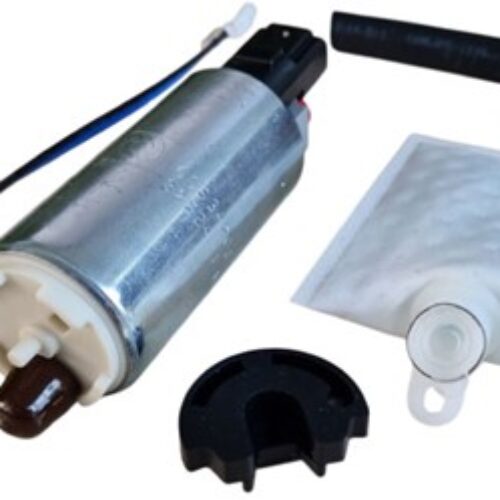
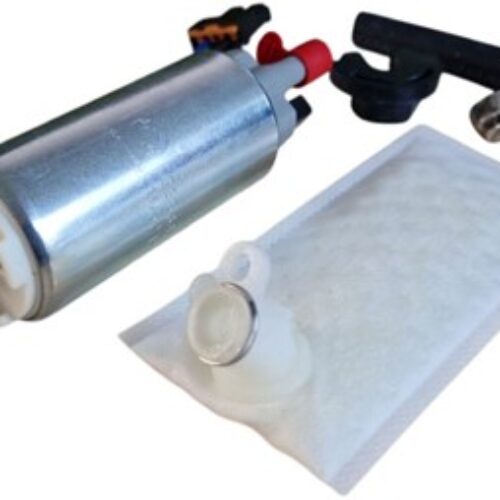
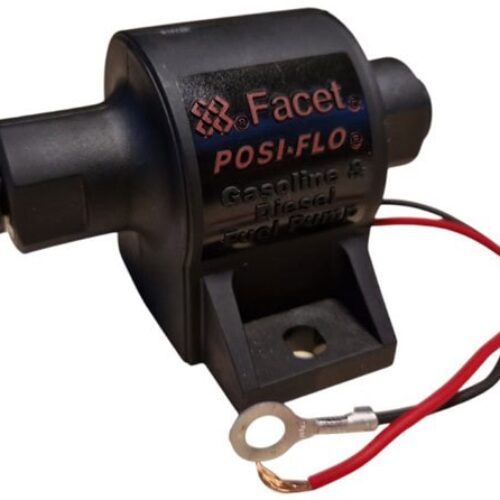
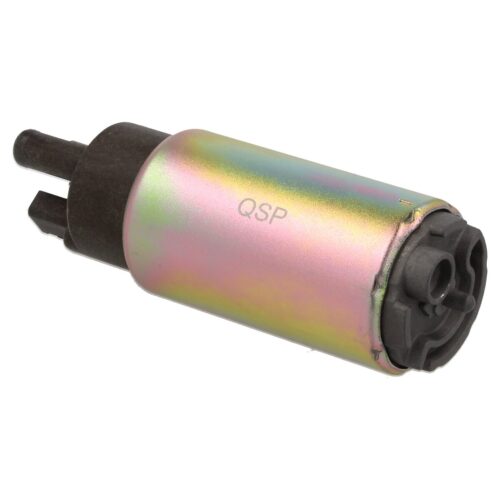






RMT Racing 044 Fuel Injection Pump – 6 BAR, 120 L/h
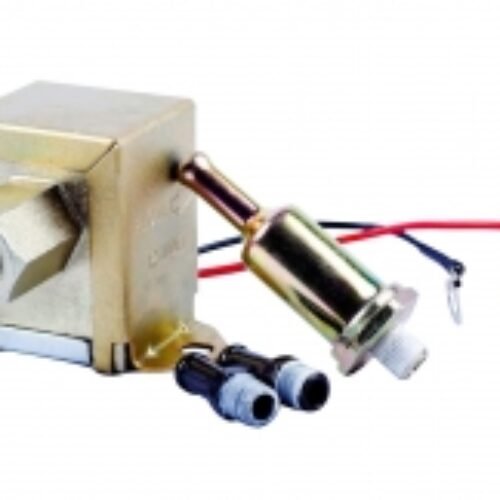
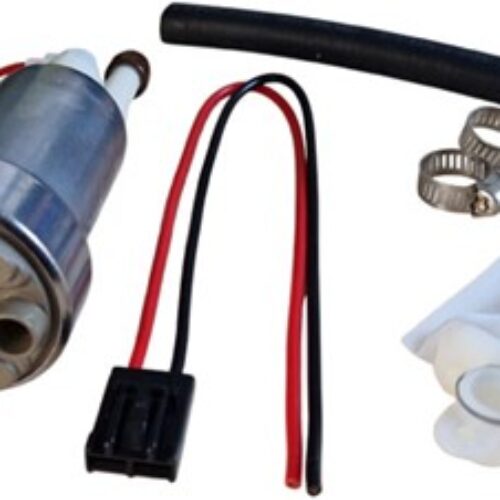
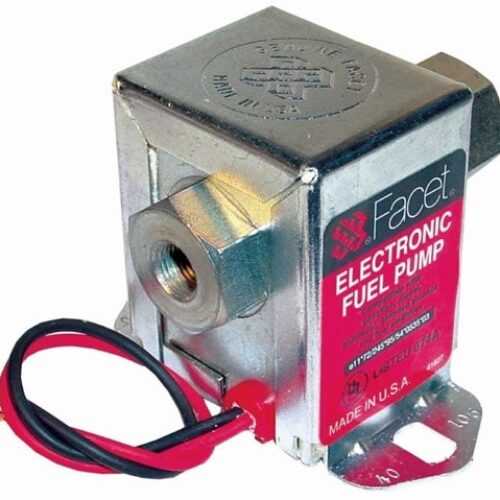
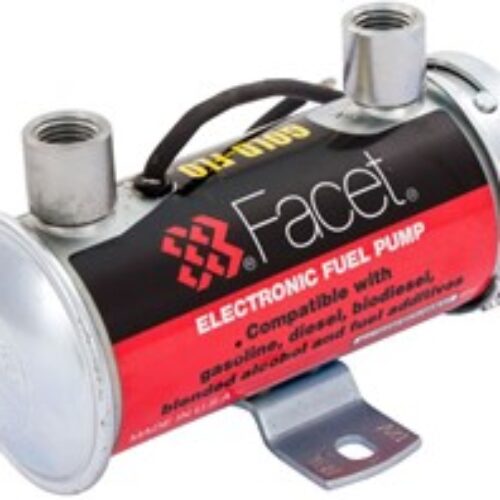
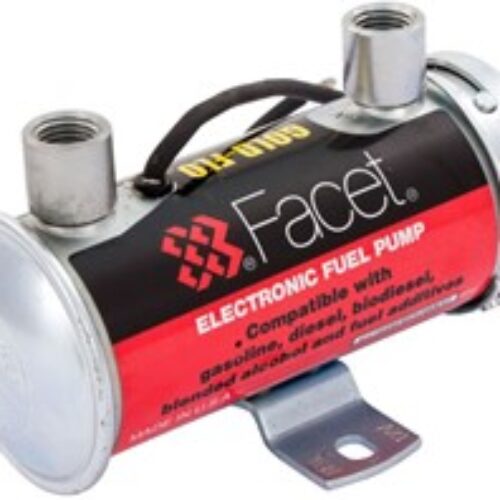
RMT Racing Carburetor Fuel Pump – 5-9 PSI, 24 Gallons/Hour

RMT Racing Competition Fuel Injection Pump FL044 – 6 BAR 120 L/h


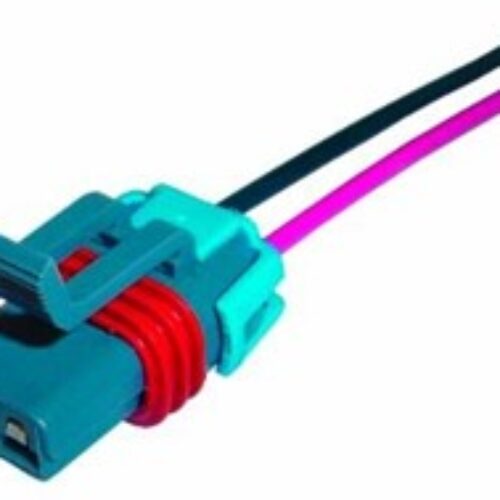
Push-on Fuel Fitting (01-05 Honda Civic Si & 02-06 Acura RSX)

Hybrid Racing- Fuel Pressure Damper Adapter Fitting (Universal)


Fuel Pumps & Accessories guide
The fuel pump draws fuel from the tank and pushes it to the engine at the pressure the injection system or carburettor needs. This category holds in-tank and external electric pumps, low-pressure carburettor pumps, pump supports, filters, connectors and fittings, plus pushrods for camshaft-driven mechanical pumps.
A pump’s flow falls as the pressure it works against rises, and follows the voltage at its terminals. With a 1:1 regulator on a boosted engine, it works against base pressure plus boost, so read the flow there. Thin factory wiring loses voltage under load, which is why a relay on short, heavy cable matters.
Electric pumps push far better than they pull, and the fuel cools and lubricates them. An in-tank pump sits submerged at the pickup, where it runs cool and quiet. An external pump belongs low, below the tank outlet, with a short, free inlet, because a starved or hot inlet lets fuel boil and the pump cavitates.
Choose by flow at working pressure:
- Injection pumps: pumps listed at 6 bar and 120 L/h, and a competition in-tank kit at 450 L/h. Alcohol fuels need noticeably more volume for the same power.
- Carburettor pumps: low-pressure units such as a 5–9 psi, 100 L/h pump, 12 V pumps including a solid-state one, and a 6 V pump for older cars. One is also listed for diesel, biodiesel and alcohol blends, and for filling catch tanks.
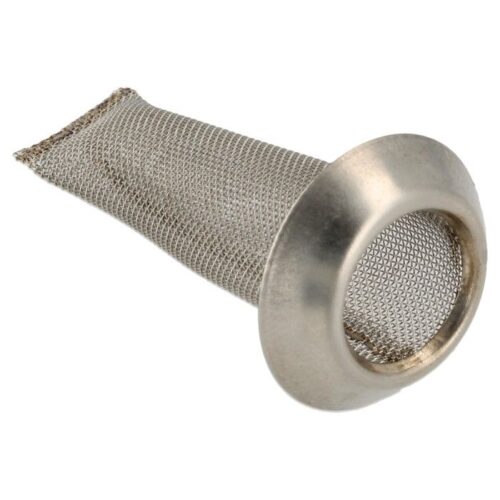
- Filters: inline flare filters from D06 to D16, in-tank filters with adapters, and 30 micron elements. Fit a coarse filter before the pump and a fine one after it.
- Mounting and connections: single and double supports, some rubber-isolated, 8 mm hose connections, a 1/8 NPT to 8 mm carburettor pump fitting and a connector for one in-tank pump.
- Other parts: a 12 V electric oil pump, and pushrods for camshaft-driven pumps, listed by engine family; one kit excludes roller camshafts. Listed materials include bronze gears, a stainless shaft and an FKM seal.
Mount an external pump away from exhaust heat and road debris, with an inlet line at least as large as its inlet port. Wire it through a fused relay with a sound earth, and through an inertia switch or the master switch so it stops in an accident. Prime the system and check every joint before the first start.
On track, a pump that draws air in long corners loses rail pressure at once, and running dry wears it. A surge pot kept full by a lift pump keeps the main pump’s inlet covered.

Store Information
TrackTool Factory
Sluispolderweg 7A
1505 HJ Zaandam
The Netherlands
Chamber of Commerce (KVK): 97296902
VAT: NL867990375B01