

Top brands in Transmission Coolers

Showing all 13 resultsSorted by latest


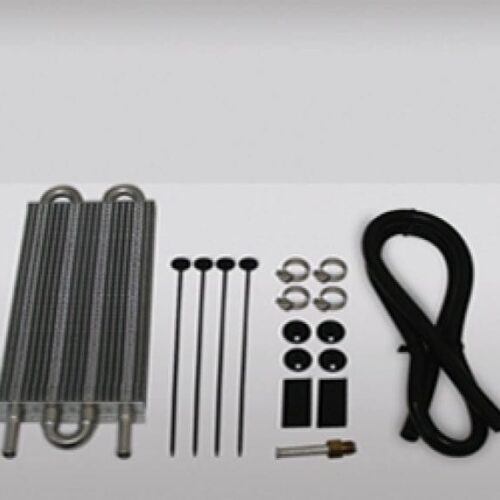
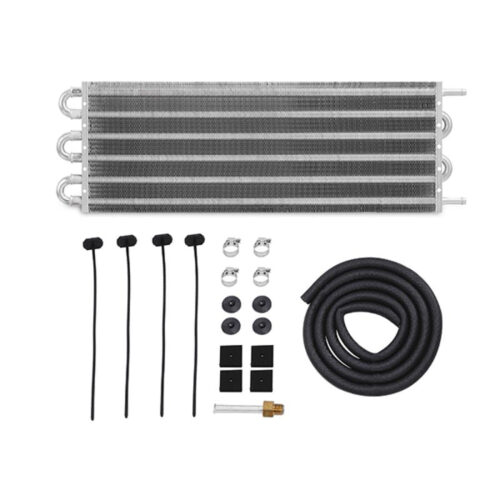
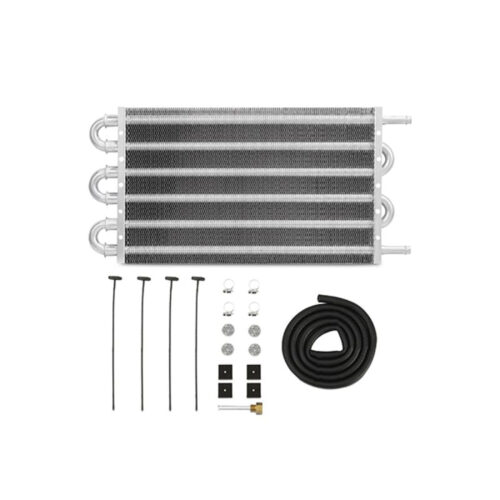
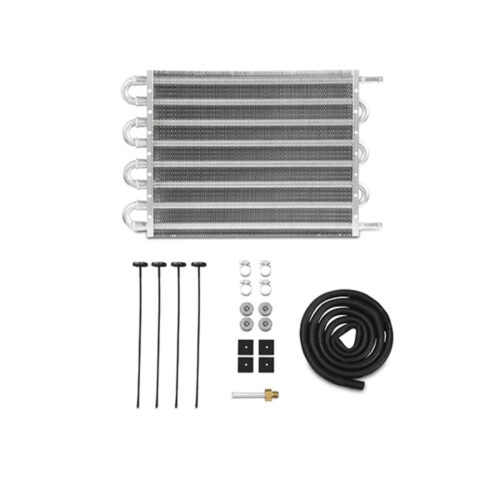

BMW F80 M3/M4 15-20 Transmission Cooler – MMTC-F80-15
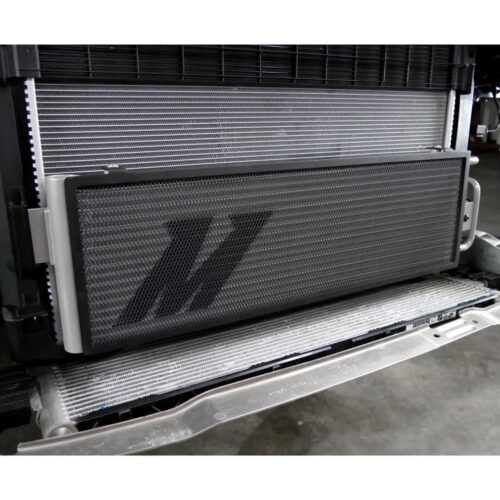
Performance Transmission Cooler BMW G8X M3/M4 21+ – MMTC-G80-21

13-Row Stacked Plate Transmission Cooler Silver – MMTC-SP-13SL

Universal Stacked Plate Trans Cooler 13 Row Black – MMTC-SP-13BK
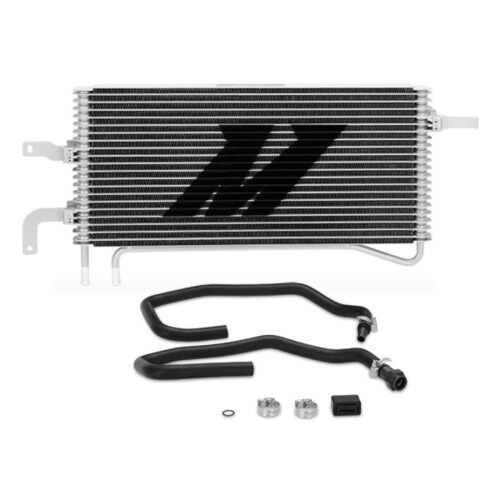
Ford Mustang 15+ GT/V6/EcoBoost Transm. Cooler – MMTC-MUS-15SL
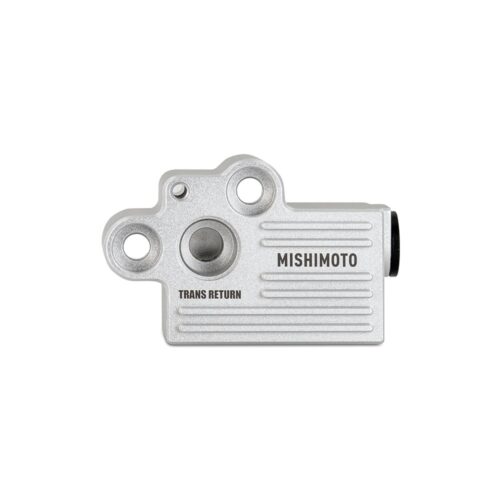
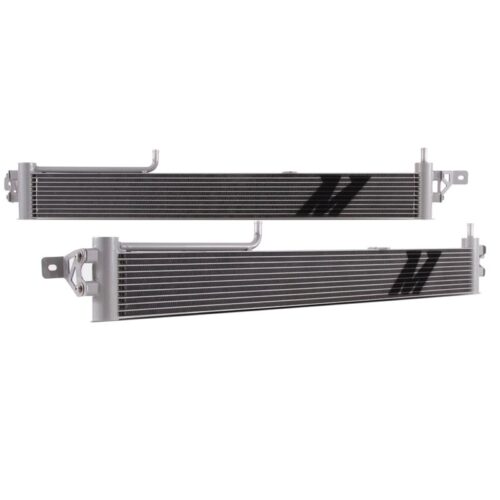

Transmission Coolers guide
A transmission cooler keeps gearbox fluid within its working range when the car works hard, whether on track, towing or in heavy traffic. Hot fluid oxidises, loses its friction properties and shortens the life of clutches and seals. The range includes universal and vehicle-specific coolers, a cooler with its own electric fan and a thermal bypass valve upgrade.
In an automatic gearbox most of the heat comes from the torque converter, which slips whenever it is not locked, and from clutch packs during shifts. Dual-clutch gearboxes heat their clutches on launches and in slow traffic. Manual gearboxes and differentials warm up through gear friction under sustained load, and most need an added pump to circulate oil through a cooler.
Many factory systems pass the fluid through a cooler in the radiator tank, which also warms it quickly from cold. An auxiliary air-to-oil cooler is usually plumbed in series after it, on the line returning to the gearbox. The gearbox pump sets the flow, so a cooler with a high pressure drop can starve the circuits it feeds, often including lubrication.
Choose the core by space, airflow and fluid.
- Slim universal coolers: faces of 305 × 190, 305 × 205, 380 × 190 and 510 × 190 mm, all 19 mm thick. They suit thin gaps, such as the space ahead of the radiator.
- Stacked-plate coolers: 13-row cores in black or silver, whose many parallel passages keep the pressure drop low for their capacity.
- Cooler with fan: a heavy-duty unit with its own electric fan, for slow work with little airflow.
- Vehicle-specific coolers: made for the model named in the title, some as complete kits.
- Power steering: a universal cooler is listed for gearbox or power steering fluid, the latter heating up when the pump works against full lock on tight circuits.
Use hose and fittings rated for hot gearbox fluid and its line pressure, and clip the lines clear of the exhaust and moving parts. A cooler ahead of the radiator warms the air reaching it, so leave a gap or offset it where possible. Cooler and lines hold extra fluid, so check the level afterwards by the procedure the gearbox requires; many automatics are checked hot with the engine running.
Inspect hoses and core for leaks and damage at each service. Dark, burnt-smelling fluid shows it has been running hot and is due for a change.

Store Information
TrackTool Factory
Sluispolderweg 7A
1505 HJ Zaandam
The Netherlands
KvK 97296902
BTW NL867990375B01
