

Top brands in Intercoolers



Showing 1–48 of 394 resultsSorted by latest
![Wagner Tuning Competition Intercooler Evo 3 – BMW Z4 [E89] 35i, 35is](https://tracktoolfactory.com/wp-content/uploads/2026/09/200001158-500x500.jpg)
![Wagner Tuning Competition Intercooler Evo 2 – BMW Z4 [E89] 35i, 35is](https://tracktoolfactory.com/wp-content/uploads/2026/09/200001064-500x500.jpg)
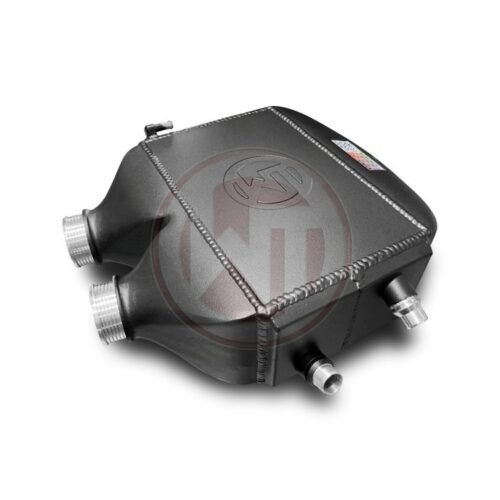
![Wagner Tuning Competition Intercooler – BMW 5 Series [G30/G31/F90] 518d, 520d, 525d, 530d, 540d ( until 07/2020)](https://tracktoolfactory.com/wp-content/uploads/2026/09/200001116-500x500.jpg)
![Wagner Tuning Intercooler – BMW 5 Series [E60/E61] 525d, 530d, 535d 2025](https://tracktoolfactory.com/wp-content/uploads/2026/09/200001060-001-500x500.jpg)
![Wagner Tuning Intercooler Evo 1 – BMW 3 Series [F3..] M340i B58.1](https://tracktoolfactory.com/wp-content/uploads/2026/09/200001204-start-500x500.jpg)
![Wagner Tuning Competition Intercooler Evo 3 – BMW 3 Series [F3..] 335i N55 engine](https://tracktoolfactory.com/wp-content/uploads/2026/09/200001183-500x500.jpg)
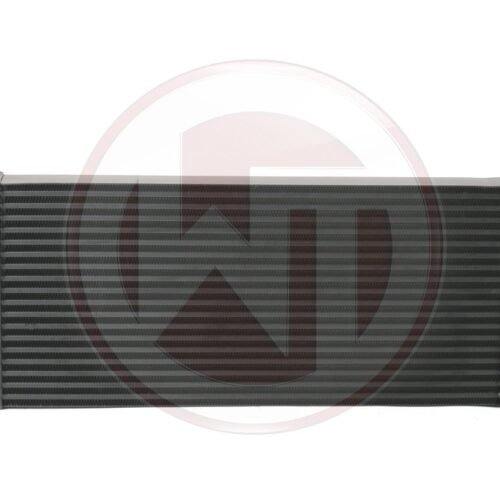
![Wagner Tuning Competition Intercooler Evo 3 – BMW 3 Series [E9..] 335d](https://tracktoolfactory.com/wp-content/uploads/2026/09/200001130-500x500.jpg)
![Wagner Tuning Competition Intercooler Evo 3 – BMW 3 Series [E9..] 335(x)i, 335is N54/N55 without ACC](https://tracktoolfactory.com/wp-content/uploads/2026/10/wagner-200001113-500x500.jpg)
![Wagner Tuning Competition Intercooler Evo 2 – BMW 3 Series [E9..] 335(x)i, 335is N54/N55](https://tracktoolfactory.com/wp-content/uploads/2026/09/WA200001044-500x500.jpg)
![Wagner Tuning Performance Intercooler – BMW 3 Series [E9..] 325d, 330d, 335d](https://tracktoolfactory.com/wp-content/uploads/2026/09/WA200001029-500x500.jpg)
![Wagner Tuning Performance Intercooler Evo 1 – BMW 3 Series [E9..] 335(x)i, 335is N54/N55](https://tracktoolfactory.com/wp-content/uploads/2026/09/WA200001023-500x500.jpg)
![Wagner Tuning Competition Intercooler Evo 1 – BMW 1 Series [F4.] M135i 225KW/306PS from 2019- with ACC (WA200001191.ACC.PIPE)](https://tracktoolfactory.com/wp-content/uploads/2026/09/200001191.ACC_.PIPE_-1-500x500.jpg)
![Wagner Tuning Competition Intercooler – Audi RS6 /RS7 [C6] RS6 4F [2005-] (WA200001146.ACC)](https://tracktoolfactory.com/wp-content/uploads/2026/09/200001146.NOACC_-1-500x500.jpg)
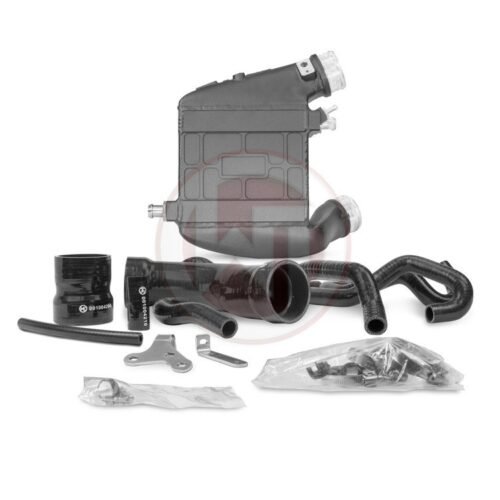
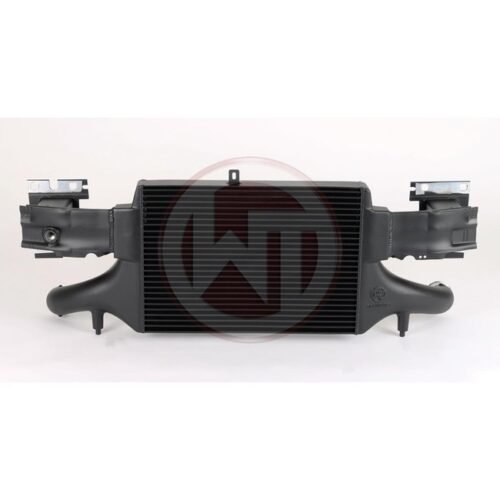
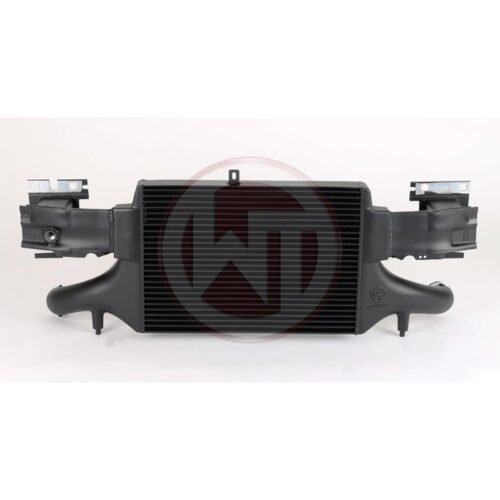
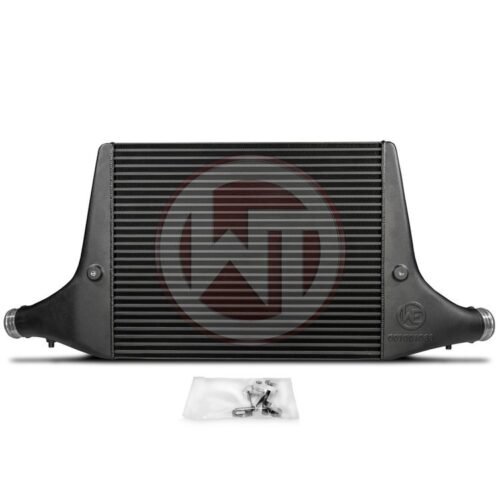
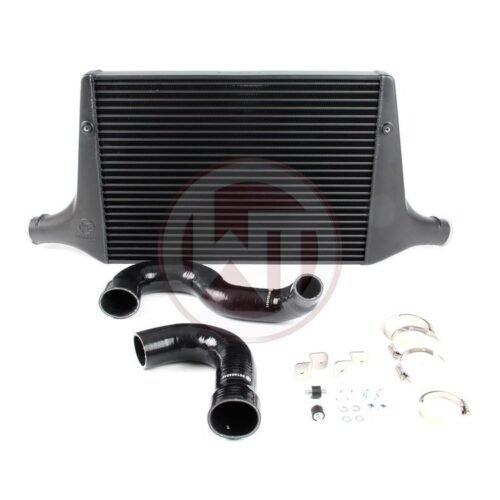
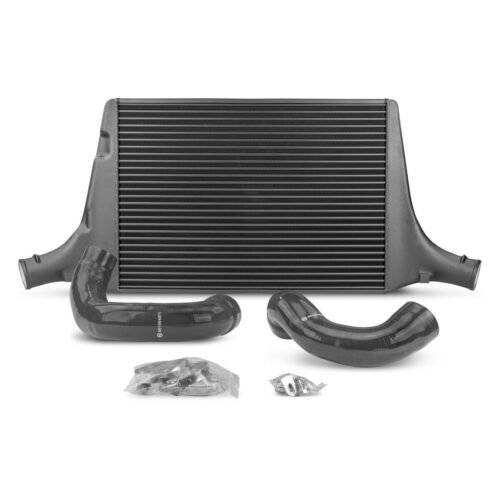
![Wagner Tuning Competition Intercooler – Audi A1 [GB] 40TFSI 147kw](https://tracktoolfactory.com/wp-content/uploads/2026/09/200001152-500x500.jpg)
![Wagner Tuning Competition Watercooler – BMW M2 [F87] Competition 3.0 S55B30 (WA400001003.FM)](https://tracktoolfactory.com/wp-content/uploads/2026/09/400001003.FM_-500x500.jpg)
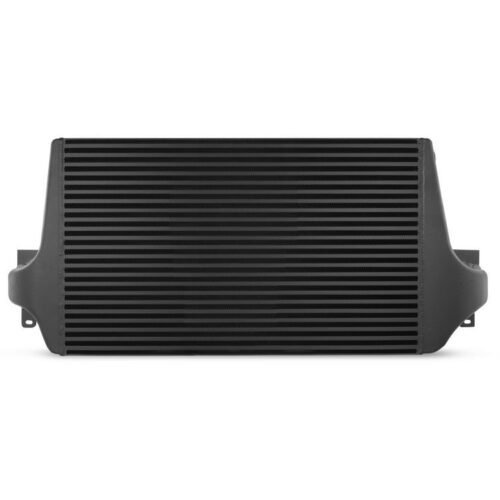
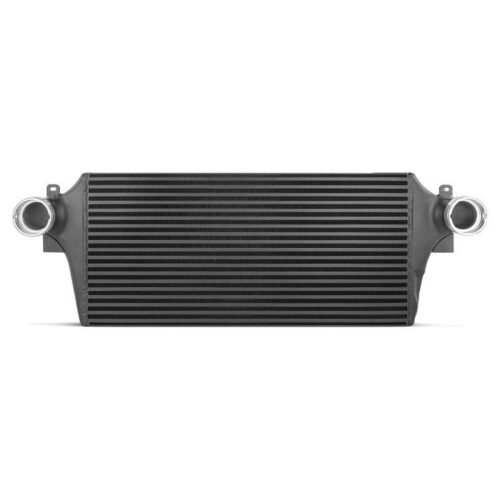
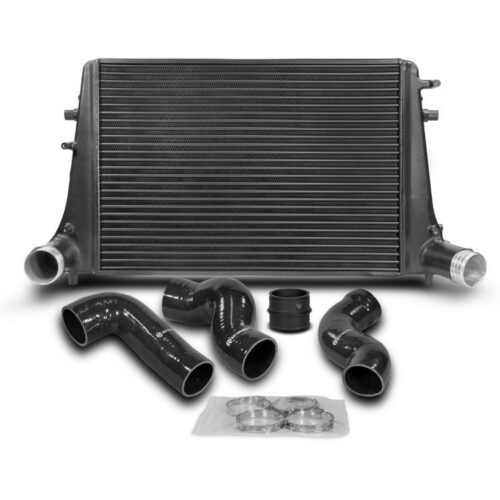
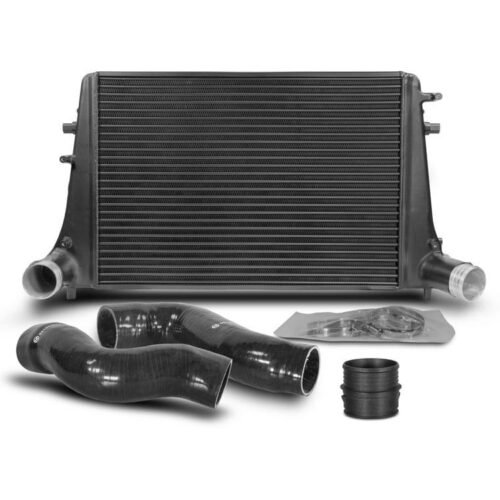
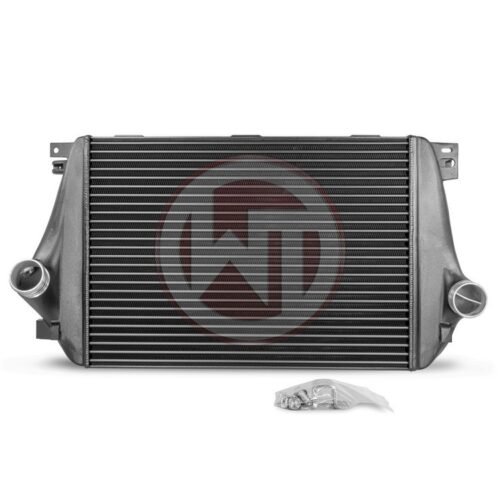
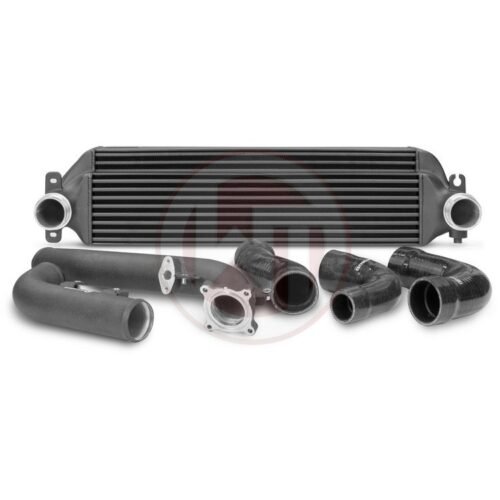
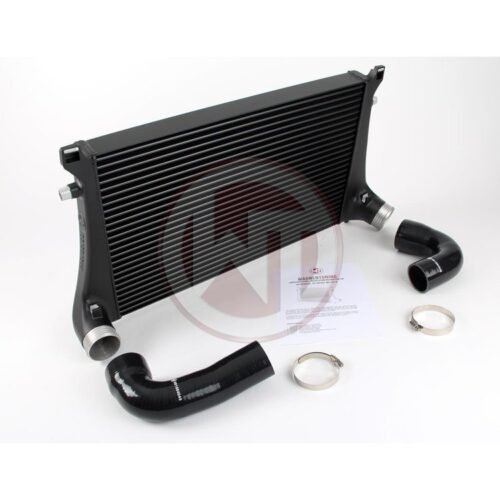
![Wagner Tuning Competition Intercooler – Seat Ibiza [6J] 1.4 TSI,Cupra 1.8TSI 1.6 TDI, 2.0TDI](https://tracktoolfactory.com/wp-content/uploads/2026/09/200001061-1-500x500.jpg)
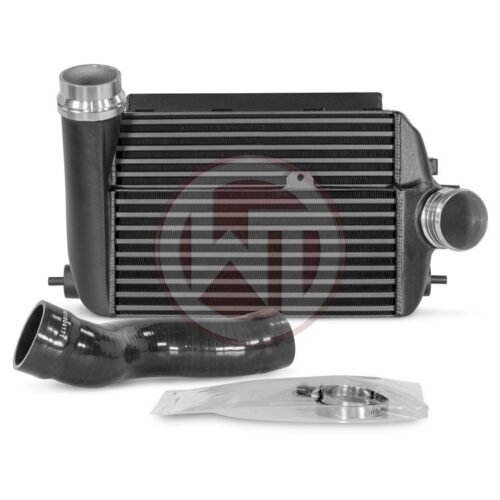
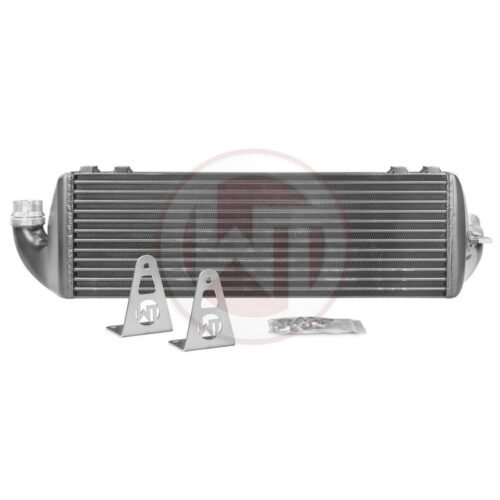
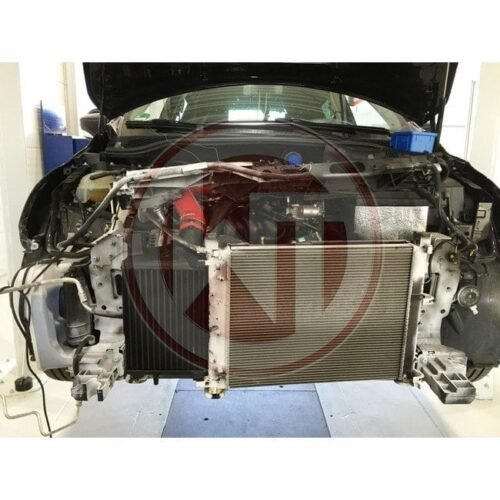
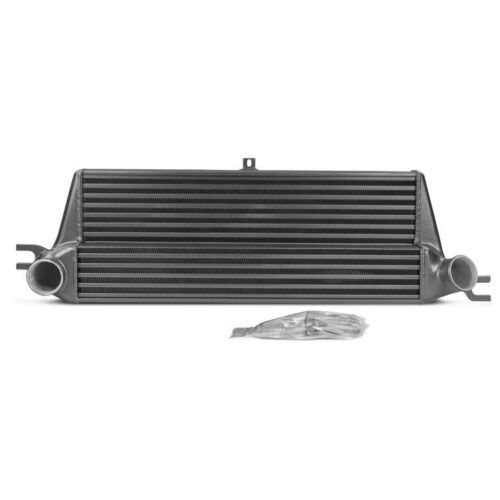
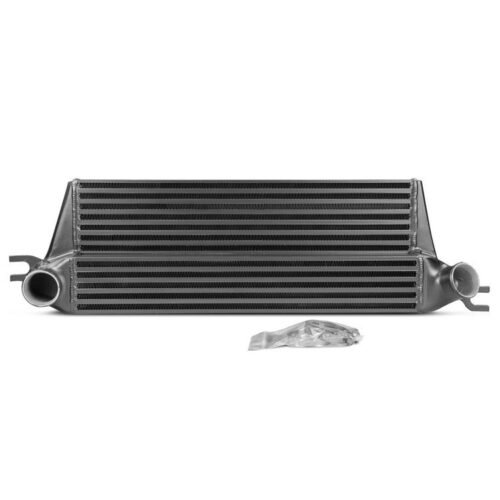
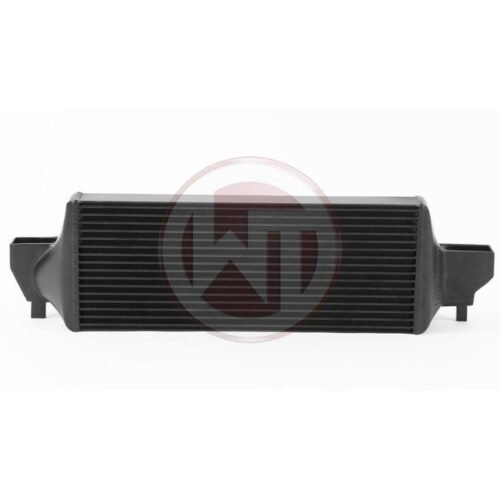
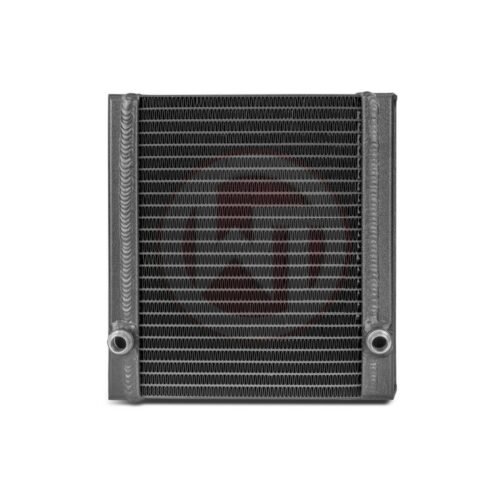
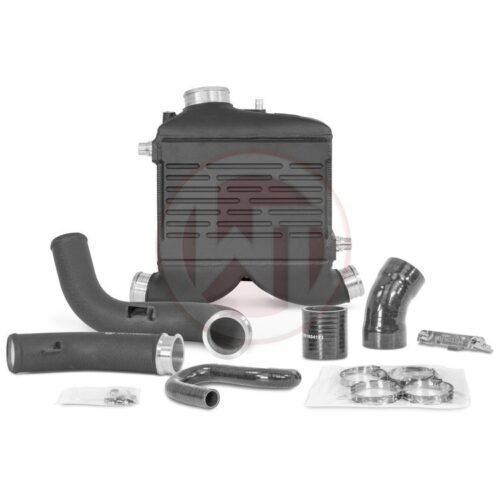
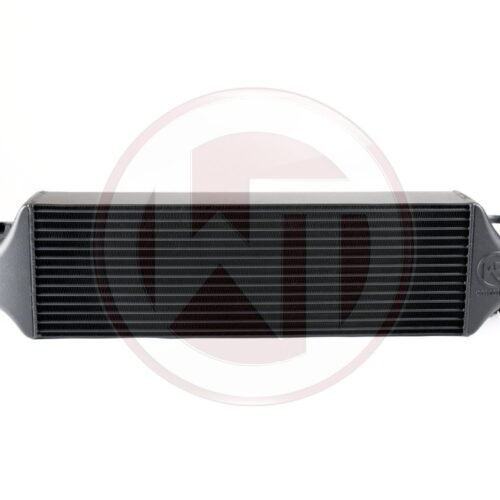
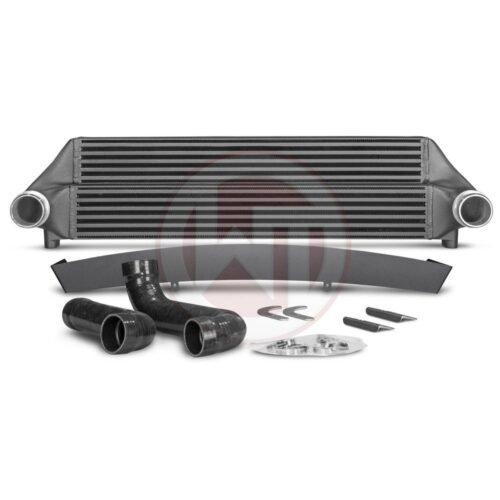
![Wagner Tuning Competition Intercooler – Ford Focus RS [MK3]](https://tracktoolfactory.com/wp-content/uploads/2026/09/200001090-500x500.jpg)
![Wagner Tuning Competition Intercooler – Ford Focus ST250 [MK3]](https://tracktoolfactory.com/wp-content/uploads/2026/09/01-500x500.jpg)
![Wagner Tuning Competition Intercooler – Ford Fiesta ST [MK8]](https://tracktoolfactory.com/wp-content/uploads/2026/09/200001149-500x500.jpg)
![Wagner Tuning Intercooler – BMW X5 [E70/F15] 30d(x), 40d(x) 180kw-225kw mot.N57 2009-2013](https://tracktoolfactory.com/wp-content/uploads/2026/09/500001020-500x500.jpg)
![Wagner Tuning Competition Intercooler – BMW X5 [E70/F15] [E70]: 3.0d, 3.0sd](https://tracktoolfactory.com/wp-content/uploads/2026/09/200001125-500x500.jpg)
![Wagner Tuning Intercooler – BMW X3 [G01] M40i 3.0 265kW mot. B58 2017-2018 (WA500001027.200CPSI)](https://tracktoolfactory.com/wp-content/uploads/2026/09/500001027-1-500x500.jpg)



Intercoolers guide
An intercooler cools the air that a turbocharger or supercharger has compressed, before it reaches the cylinders. Cooler charge air is denser and less prone to knock, so the engine can hold its boost and ignition timing. The range covers vehicle-specific and universal intercoolers, water-to-air heat exchangers and charge pipe kits.
Inside the core the charge flows through finned passages, while outside air, or coolant in a water-to-air system, carries the heat away. Two figures describe the result: how much of the compressor’s temperature rise the core removes, and how much boost it loses on the way through.
A larger core usually improves both, but adds volume for the compressor to fill and weight ahead of the axle. Depth only pays with enough airflow, because air crossing a deep core warms up and the rear rows do less work. Heat soak is the other limit: in slow traffic the core warms through and passes that heat back to the charge.
Choose by layout and size.
- Vehicle-specific or universal: a vehicle-specific unit uses the factory mounts and connections. Universal cores are listed by core size, such as 600 × 300 × 76 mm, and by connection size, such as 2.5 inch.
- Stages: for some cars the cooler comes in several stages, the higher ones meant for engines tuned well beyond standard output.
- Core depth: the 600 × 300 mm face also comes 100 mm deep, for more capacity where the airflow allows it.
- Water-to-air: a charge cooler keeps the intake path short, and its front heat exchanger and pump set the capacity. Heat exchanger kits serve this layout, including one with an integrated 12-inch brushless fan.
- Pipework: hot-side and cold-side pipe kits replace factory pipes that restrict flow or swell under boost, and universal aluminium bends, such as a 3-inch 90°, build custom runs.
Before connecting a new core, clean the old pipework: oil mist from the crankcase breather collects there, and a failed turbo can leave fragments behind. A thin oil film is normal, but standing oil points to worn turbo seals or high crankcase pressure. After fitting, pressure-test the charge system, because a leak costs boost and upsets fuelling where air is metered before the turbo.
Duct the opening to the core face so incoming air cannot spill around the edges. A front-mounted intercooler also warms the air reaching the radiator, so watch coolant temperature after an upgrade. At each service, check for bent fins, cracked end-tank welds, worn mounting rubbers and loose clamps.
Recently Viewed Products


Store Information
TrackTool Factory
Sluispolderweg 7A
1505 HJ Zaandam
The Netherlands
KvK 97296902
BTW NL867990375B01
