Top brands in Ignition Coils




Popular cars in Ignition Coils
- Honda Civic EKIgnition Coils for the Honda Civic EK: 1 product
- Honda Civic MAIgnition Coils for the Honda Civic MA: 1 product
- Honda Civic EGIgnition Coils for the Honda Civic EG: 1 product
- Honda Civic MBIgnition Coils for the Honda Civic MB: 1 product
- Honda CRX EHIgnition Coils for the Honda CRX EH: 1 product
- Honda Civic EJIgnition Coils for the Honda Civic EJ: 1 product
- Honda Accord CGIgnition Coils for the Honda Accord CG: 1 product
- Honda Prelude BB (1997)Ignition Coils for the Honda Prelude BB (1997): 1 product


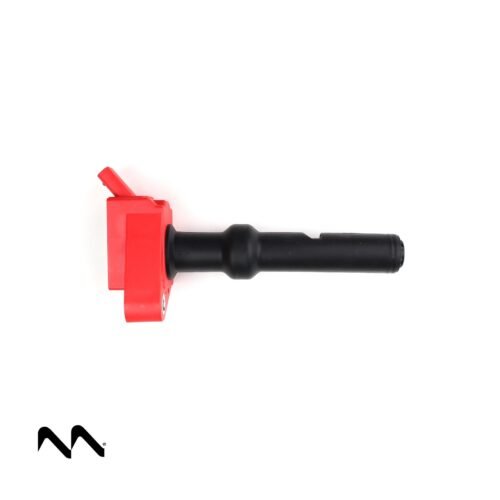
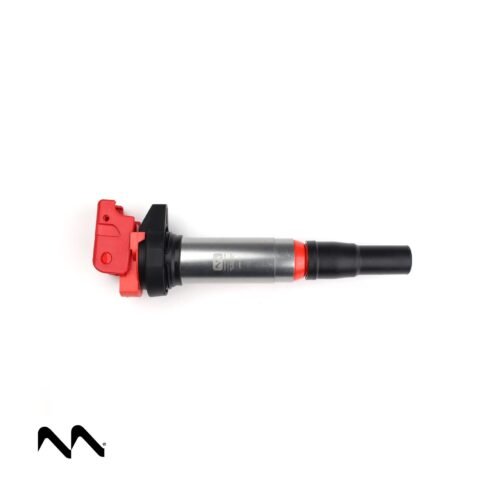


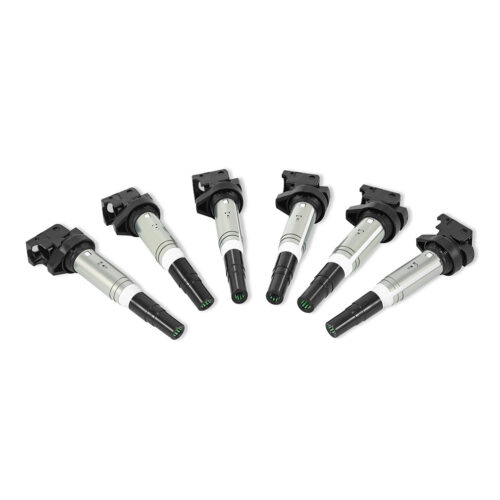
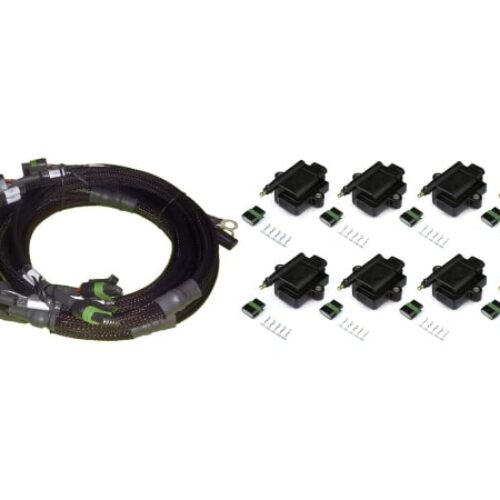
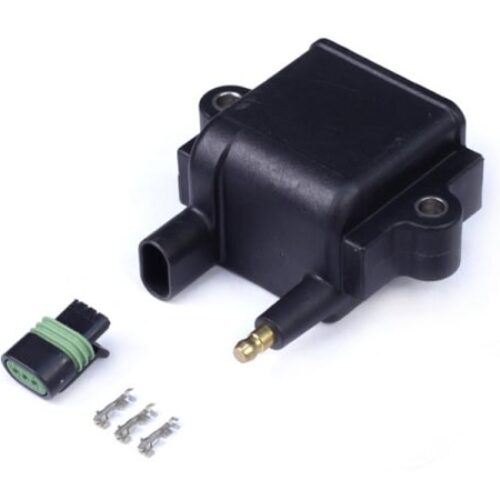


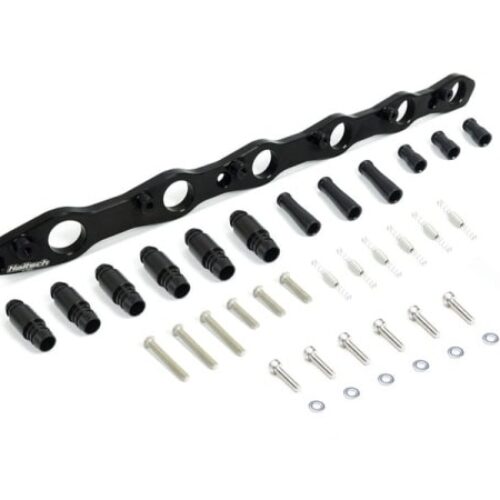
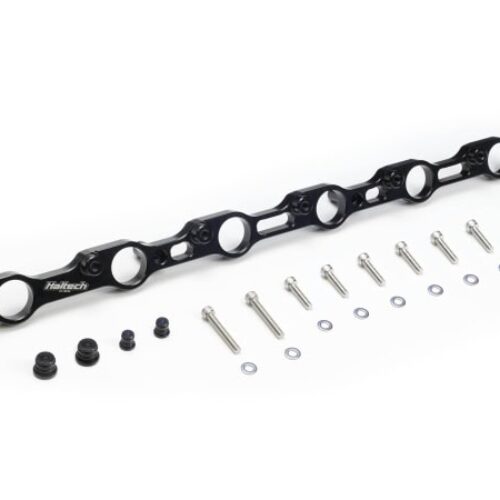


Mazda MX-5 ND Performance Ignition Coils – MTP-1030

Mercedes-AMG A45 S, CLA45 S & GLA45 S (M139) Performance Ignition Coils – MTP-1029

VAG Audi RS6 & RS7 (C7) 4.0 TFSI Performance Ignition Coils – MTP-1028

Honda Civic Type R (FK2/FK8) Performance Ignition Coils – MTP-1026

Porsche 911 (997.2/991) & Boxster/Cayman 981 Performance Ignition Coils – MTP-1025

Porsche 911 (996/997.1) & Boxster/Cayman Performance Ignition Coils – MTP-1024

BMW M5 (F10) & M6 4.4 V8 Performance Ignition Coils – MTP-1023

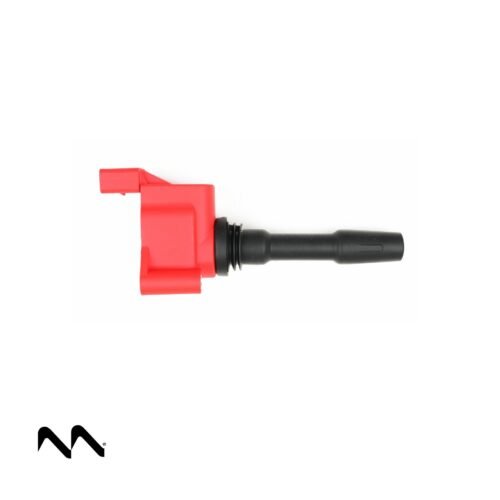

Ford Fiesta ST Mk8 Performance Ignition Coils – MTP-1013


Abarth 500, 595 & 695 Performance Ignition Coils – MTP-1018
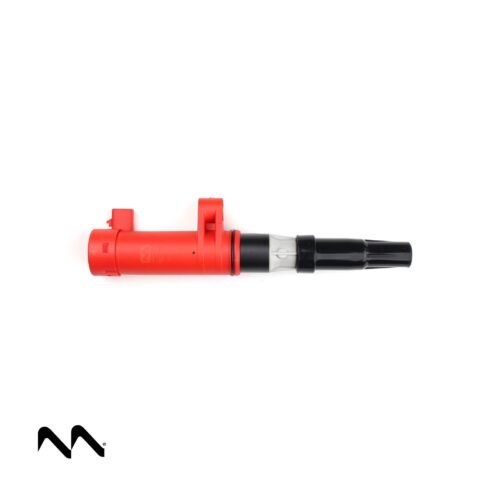
Renault Clio RS 197 & 200 Performance Ignition Coils – MTP-1017

Renault Clio RS 200 & 220 Trophy (Mk4) Performance Ignition Coils – MTP-1016
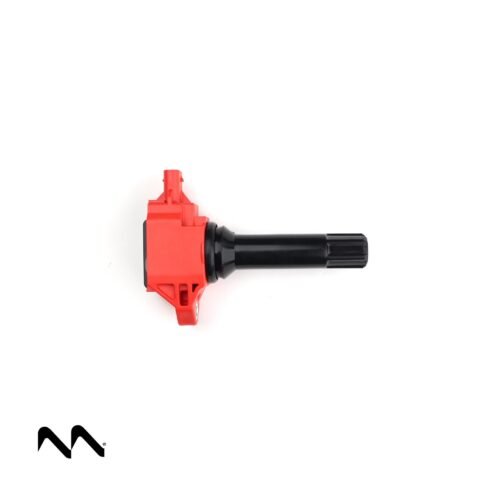

Toyota GR Yaris Performance Ignition Coils – MTP-1014

Ford Fiesta ST Mk7 (ST180/ST200) Performance Ignition Coils – MTP-1012

Ford Focus ST225 & Focus RS Mk2 Performance Ignition Coils – MTP-1009

Hyundai i30 N Performance Ignition Coils – MTP-1008

Hyundai i20 N Performance Ignition Coils – MTP-1005

Porsche 911 (991.2/992) Performance Ignition Coils – MTP-1004

R8 Coils – Red-Top Performance Ignition Coil (Sold Individually) – MTP-1002
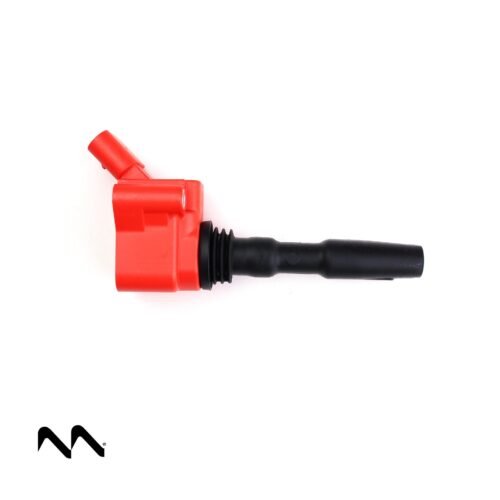
VW Up GTI Performance Ignition Coils – MTP-1001
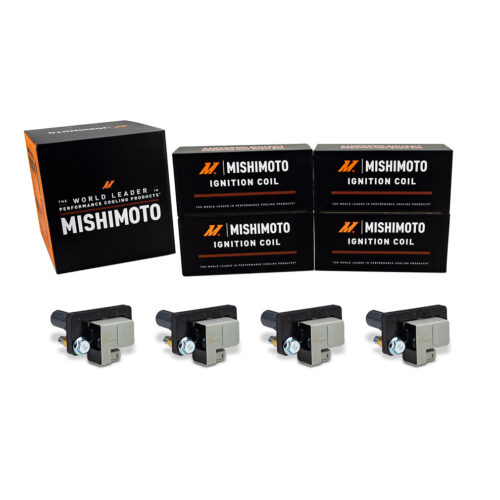
2004-2010 Subaru WRX/STI Ignition Coil, 4-Pack – MMIG-WRX-0404
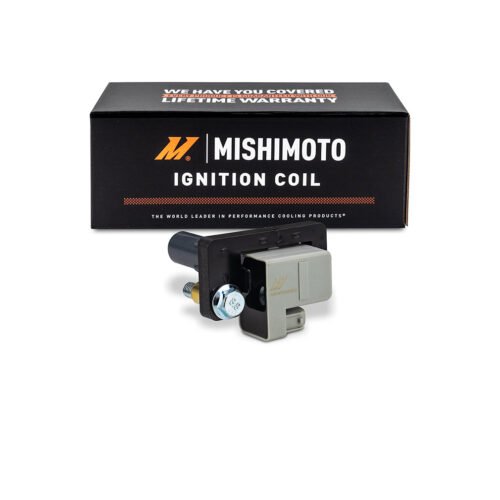
2004-2010 Subaru WRX/STI Ignition Coil – MMIG-WRX-04

2011-2021 Subaru WRX STI Ignition Coil Set – MMIG-STI-1104
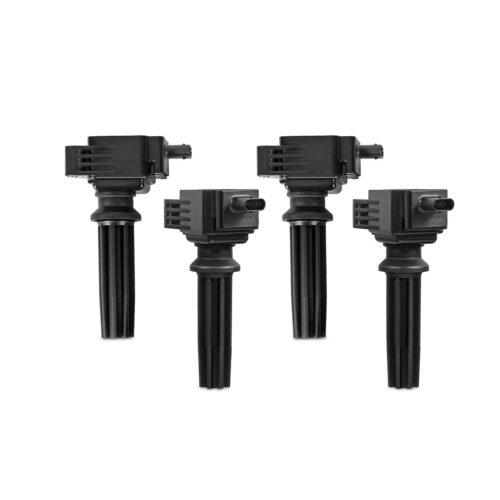
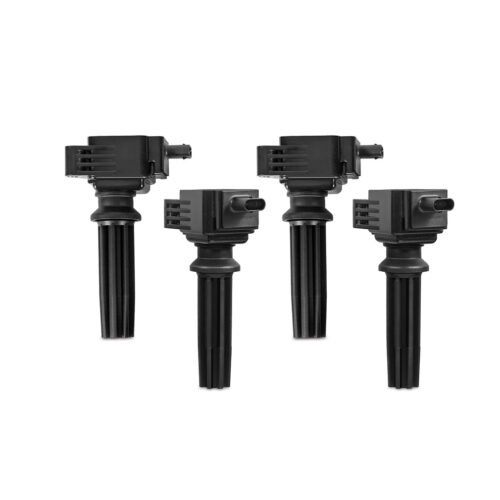

2011-2015 BMW 550i 4.4L Ignition Coil, 8-Pack – MMIG-BMW-1108
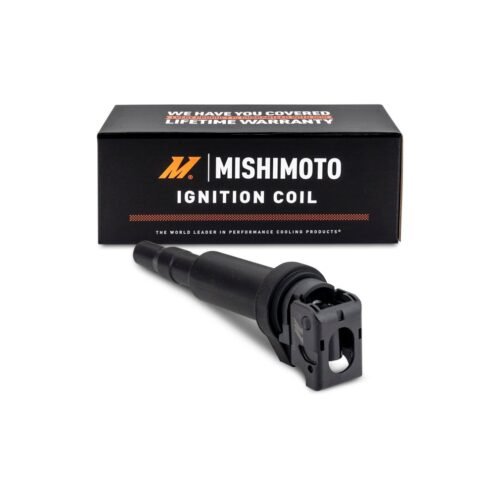
2011-2015 BMW 550i 4.4L Ignition Coil – MMIG-BMW-11
Ignition Coils guide
An ignition coil turns the battery supply into the tens of thousands of volts that make a spark jump the plug gap. Boost and high compression raise the voltage the spark needs, so a weak or ageing coil shows up first as a misfire under load. The category spans direct replacement coils, high-output coils, brackets and coil kits.
In an inductive coil, current builds up in the primary winding during the dwell time. When the driver transistor cuts it, the collapsing field induces the high voltage in the secondary. Spark energy depends on how much current has built up, so dwell must be long enough at high engine speed, while too much overheats the coil and its driver.
A capacitor discharge (CDI) system charges a capacitor and dumps it into the coil instead, giving a fast-rising spark that resists fouling but lasts only briefly. Coils with a built-in ignitor take a low-current trigger signal straight from the ECU. Coils without one need an ECU with its own drivers or a separate ignition module.
Start from the engine and the ECU’s ignition outputs.
- Direct replacements: single coils or sets for four, six or eight cylinders, listed by car and engine in the title. Coils age together, so one failure often means the others are close behind.
- High-output coils: inductive coils with a built-in ignitor, coils made for use with external modules, and a high-output CDI coil. Match the type to what the ECU or module can drive.
- Brackets and kits: brackets and kits mount a widely used late-model coil on older engines, some complete with coils, connectors and harness, and an eight-coil kit with its harness suits Ford’s eight-cylinder engines.
- Distributor ignition: a distributor cap for older engines that still use one.
Give every coil a solid earth to the engine and the ECU’s reference, since a poor earth causes misfires and interference. Route coil wiring away from crank and cam sensor wiring, as the switching pulses induce noise that can corrupt those signals. Set dwell in the ECU to the coil maker’s data, then check for misfire at full load and maximum engine speed.
Apply a thin film of dielectric grease inside the plug boots, so they seal against moisture and come off without tearing. At each plug change, look for cracked boots and the fine carbon tracks that show where the spark has been leaking. Plug and pin kits for coils are listed under Engine Management › Plugs & Pins, ignition harnesses under Engine Management › Wiring Harnesses, and igniters under Electrical › Ignition Modules.
Recently Viewed Products


Reset Switch Automatically 60A



Store Information
TrackTool Factory
Sluispolderweg 7A
1505 HJ Zaandam
The Netherlands
Chamber of Commerce (KVK): 97296902
VAT: NL867990375B01