Top brands in Bends








Bends guide
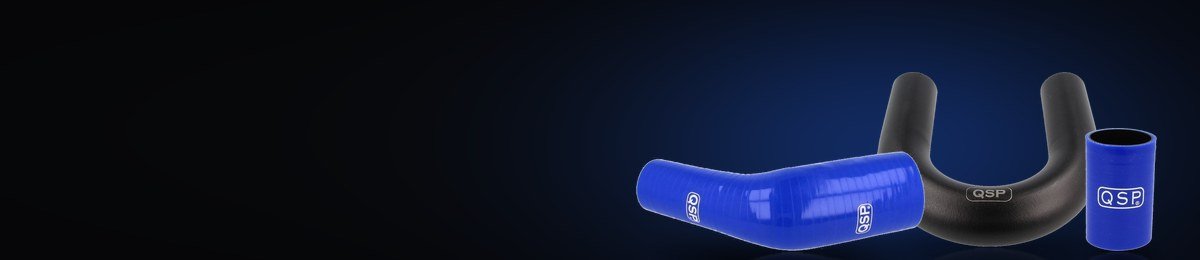
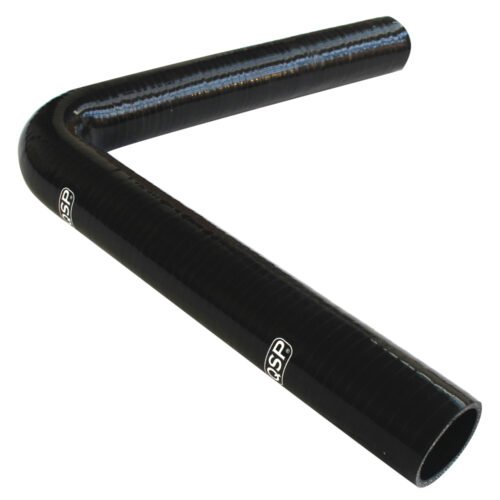
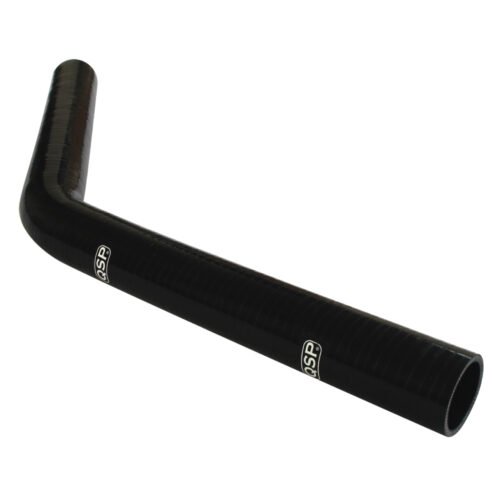
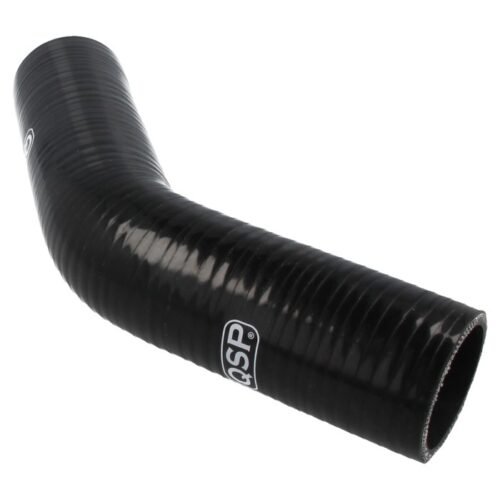
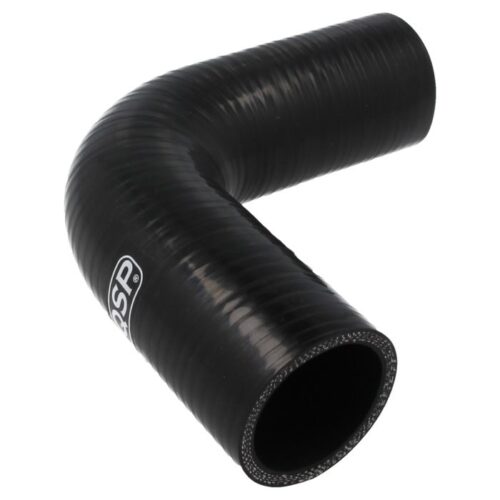
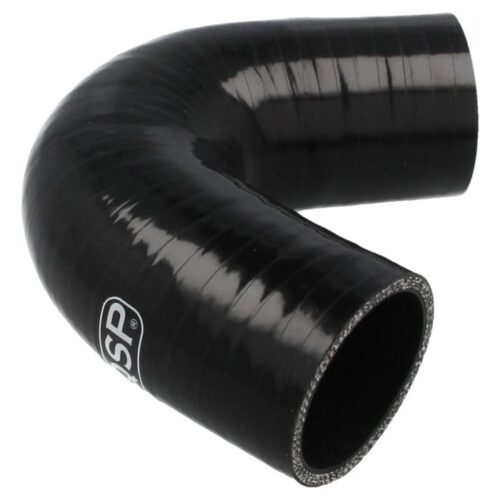
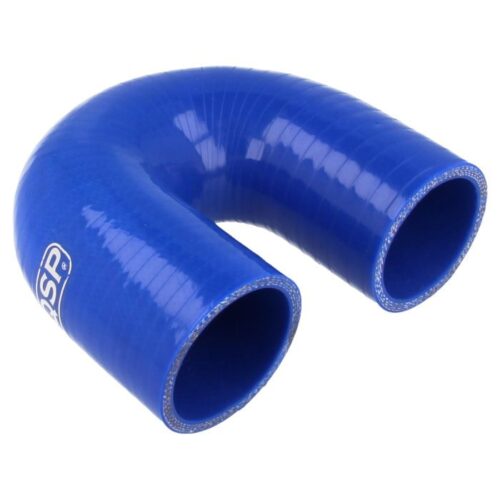
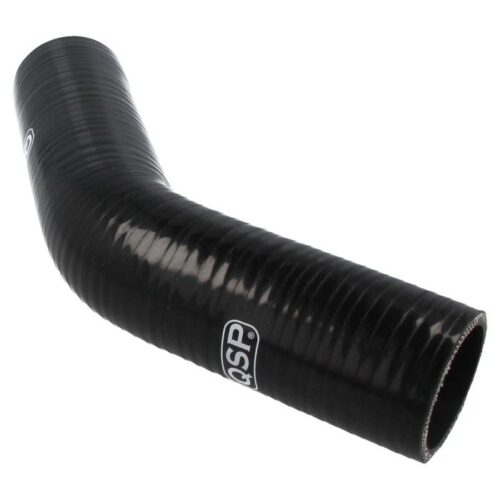
A moulded silicone bend takes a hose run through a fixed angle while keeping its full bore, where a straight hose forced into a curve would flatten or kink. The bends here range from gentle angles to U-bends, as plain and hump hose bends, alongside T-bends.
Every bend costs some pressure, because the flow is thrown to the outside of the turn and breaks away from the inner wall. A tighter radius or a larger angle costs more, so use the gentlest bend the route allows. A moulded bend at least keeps the cross-section round through the turn, which a bent straight hose cannot do.
Performance silicone hose is usually built from layers of silicone with fabric reinforcement plies between them. The plies carry the pressure and stop the bend from ballooning under boost, while the silicone keeps it flexible and resistant to engine-bay heat.
Choose by angle, bore and type. Use the filters on this page to find your size:
- Angle: from gentle angles to U-bends. Two bends joined with a short aluminium joiner can make an offset or an angle that is not listed.
- Diameter: the inside diameter, from small coolant and breather lines up to large intake sizes. Many sizes also give the inch equivalent.
- Hump bends: bends with a raised hump that takes up engine movement.
- Special versions: petrol- and oil-resistant bends, and T-bends with a small side connection.
- Colour: pick one to match the rest of the hoses.
Measure the pipe’s outside diameter and choose a bend with the same inside diameter. Trim the legs square and clean, because a ragged edge seals poorly and can tear. Push each leg far enough onto the pipe for the clamp to sit behind the bead, and set the bend’s angle before tightening.
Keep bends clear of exhaust parts and sharp edges, and support long runs so they cannot sag or rub. Standard silicone dislikes oil and fuel, so check bends near breathers for swelling and replace any that turn soft.

Store Information
TrackTool Factory
Sluispolderweg 7A
1505 HJ Zaandam
The Netherlands
Chamber of Commerce (KVK): 97296902
VAT: NL867990375B01