Top brands in Straight Hoses



Showing 1–48 of 174 resultsSorted by latest
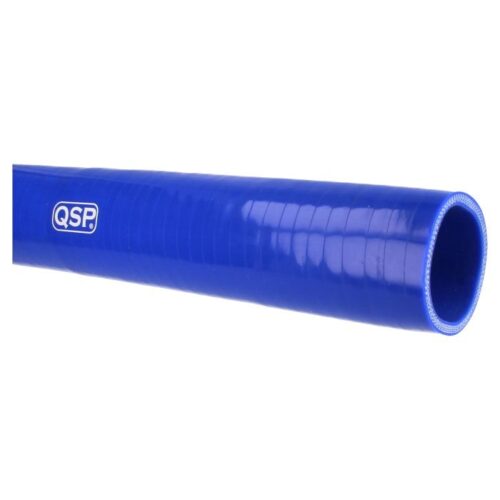


Straight Hoses guide
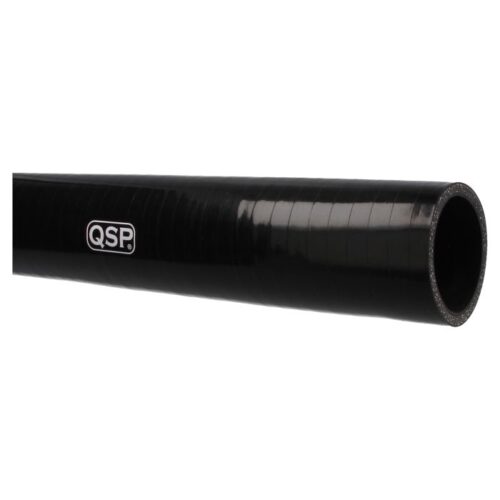
Straight silicone hose is sold by length, ready to cut for coolant, breather, vacuum and intake runs that need a plain section. Most come in 1 m lengths, from 5 mm up to 127 mm bore. Petrol- and oil-resistant versions, small hose kits with clamps, vehicle-specific intake hoses and plastic air intake parts are listed too.
Silicone stays flexible at temperatures that harden ordinary rubber hose, and it ages slowly in engine-bay heat. The trade-offs are that standard silicone swells when soaked in oil or fuel, and it cuts more easily than rubber on a sharp edge.
A straight hose follows only gentle curves. Bent tighter, it flattens on the inside of the curve and loses bore, so a moulded bend is the right part for a real change of direction.
Choose by bore, length and resistance:
- Bore: small sizes such as 5, 6.5, 8 or 13 mm suit vacuum, breather and overflow lines. Sizes such as 51, 63, 76 and 102 mm suit intake and charge pipes.
- Length: mostly 1 m, with some 50 cm lengths, such as the 57 mm petrol- and oil-resistant hose.
- Petrol and oil resistance: resistant versions, such as 8, 16 and 19 mm, suit breather and catch-tank lines. Fuel feed and return lines need hose made and rated for fuel pressure.
- Colour: black or blue silicone, with some intake hoses in red.
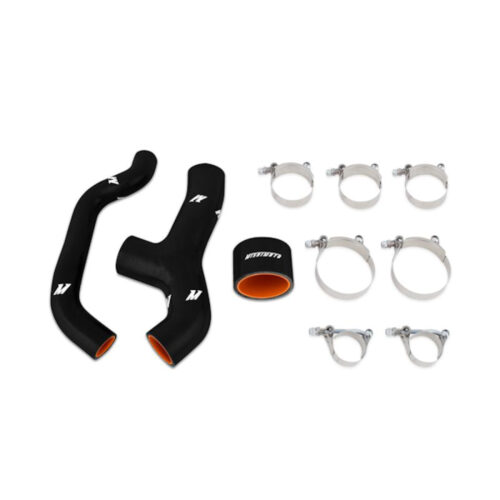
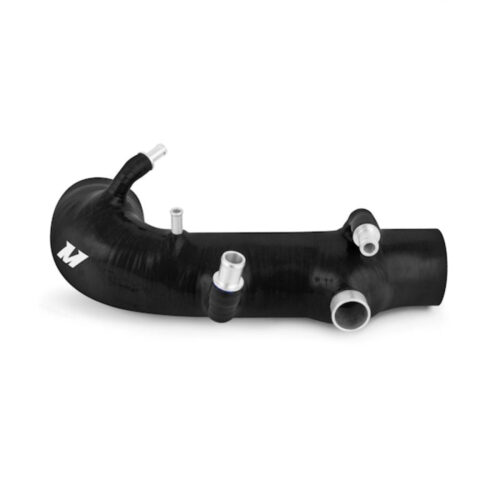
- Other items: hose kits with four clamps, vehicle-specific intake boots and induction hoses named in the title, and plastic intake parts such as a 70 mm double-connection air inlet.
Cut with a sharp knife in one pass, keeping the cut square, or slip the hose over a spare pipe and cut against it. Avoid saws, which leave a ragged edge that will not seal. Check that the bore fits the pipe snugly, since a loose hose will not seal under any clamp.
Use smooth-band clamps, route the hose away from exhaust heat and sharp brackets, and leave a little slack for engine movement. At each service, look for swelling, soft spots and cuts at the clamps.

Store Information
TrackTool Factory
Sluispolderweg 7A
1505 HJ Zaandam
The Netherlands
Chamber of Commerce (KVK): 97296902
VAT: NL867990375B01