
Top brands in Reducers


Showing 1–48 of 360 resultsSorted by latest









Reducers guide
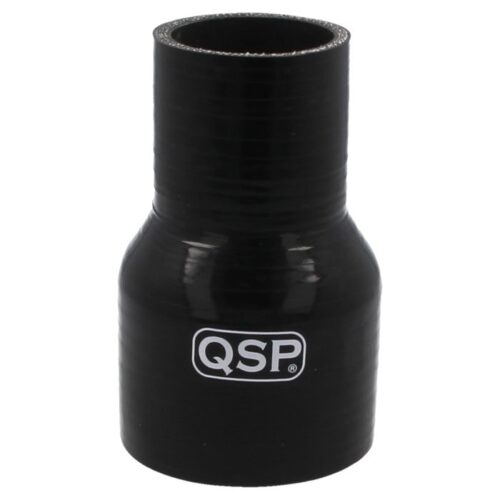
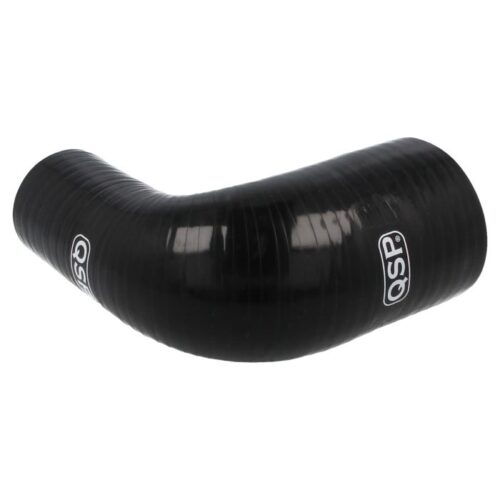
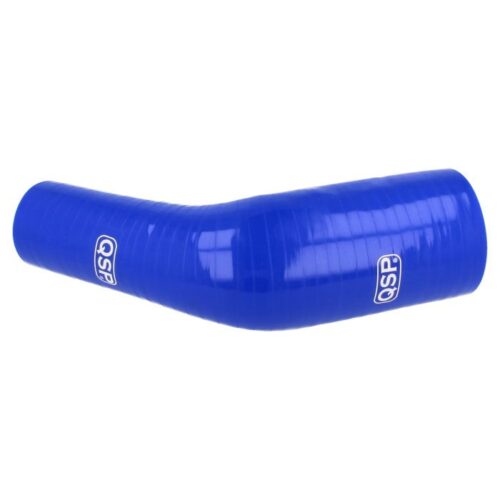
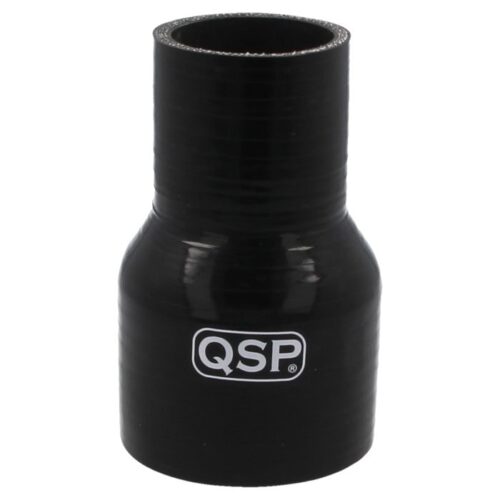
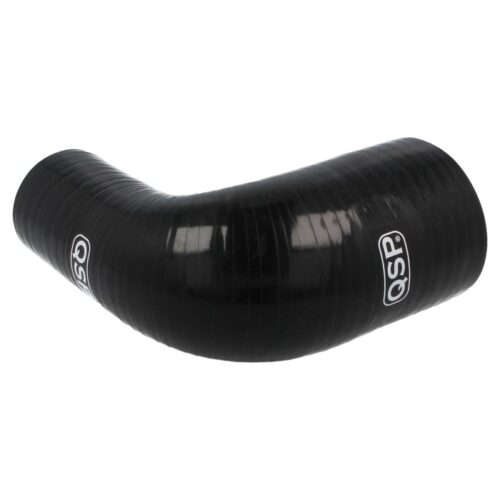
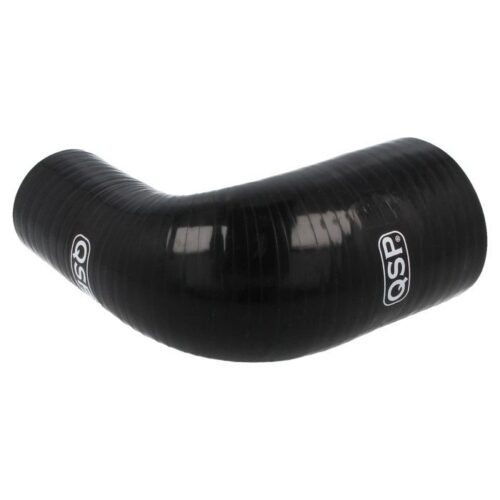
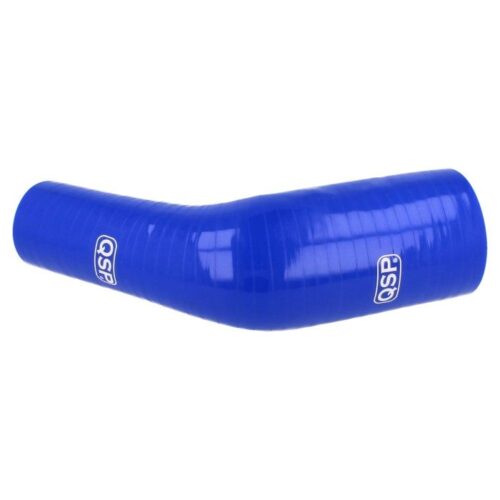
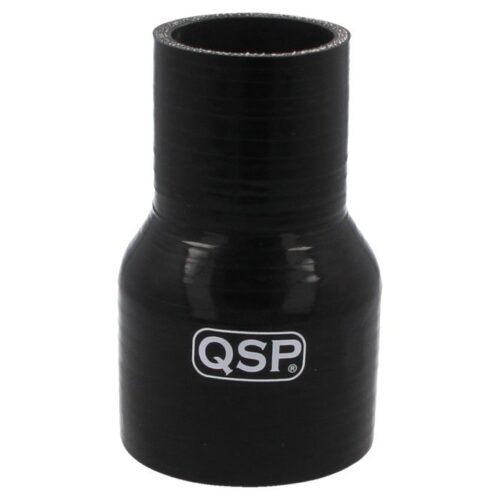
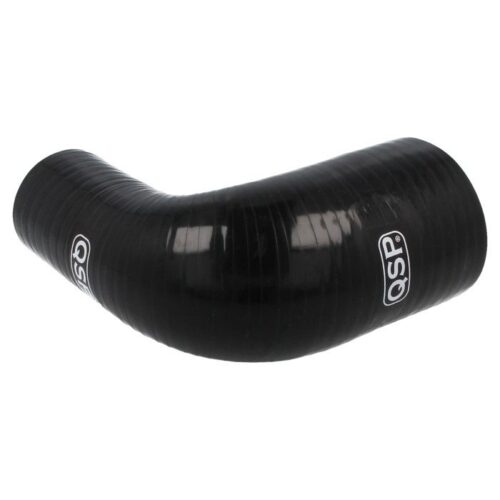
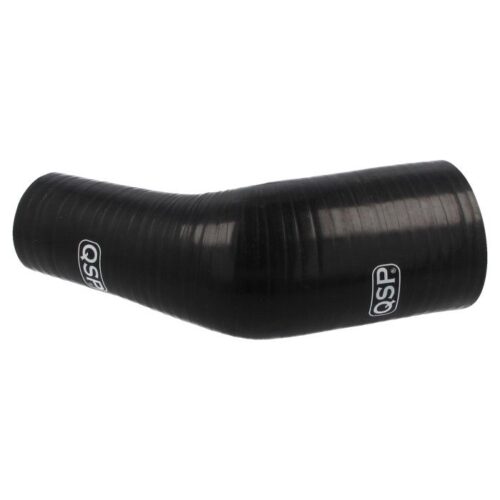
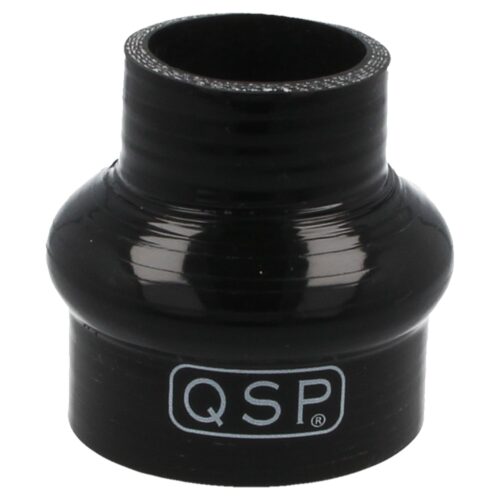
A reducer joins two pipes or outlets of different diameter in a single piece, for example where a compressor outlet meets a larger intercooler pipe. Straight silicone reducers, 45° and 90° reducer bends, hump hose reducers and straight 6061 aluminium reducers make up the section.
A sudden step in diameter makes the flow break away from the wall and swirl, and that costs pressure. A tapered reducer spreads the change over its length, so the longer the taper relative to the step, the gentler the transition. An expanding section is the harder case, because slowing air separates from the wall more readily than air being speeded up.
Each reducer is listed by its two diameters, larger first:
- Size step: from small steps such as 54–51 or 38–35 mm to large ones such as 76–53 or 48–30 mm. Coolant and breather sizes, such as 16–13 or 22–16 mm, are listed too.
- Straight or bent: a reducer bend combines the size change with a 45° or 90° turn, which saves a joint and its clamps. Both kinds come in black or blue.
- Length: reducers are listed at lengths such as 127, 89, 80 or 40 mm. A longer reducer gives a gentler taper for the same step.
- Hump reducers: such as 70–60 or 89–80 mm, with a hump that absorbs engine movement.
- Aluminium: straight 6061 reducers in silver, such as 89–70 mm, make a rigid step between two silicone hoses.
Measure both pipe ends with a calliper rather than trusting nominal sizes, as a reducer must fit snugly at each end. Each end also needs its own clamp size, so choose clamps for the outside diameter of each end once the hose is on. Seat the clamps behind the beads and check both after the first run under boost.
Never force a small end over a much larger pipe, because the stretched wall thins and loses its grip. Keep a straight run of pipe ahead of an air mass sensor, as a reducer just upstream can upset its reading.

Store Information
TrackTool Factory
Sluispolderweg 7A
1505 HJ Zaandam
The Netherlands
KvK 97296902
BTW NL867990375B01
