Top brands in Race Pedals




Race Pedals guide
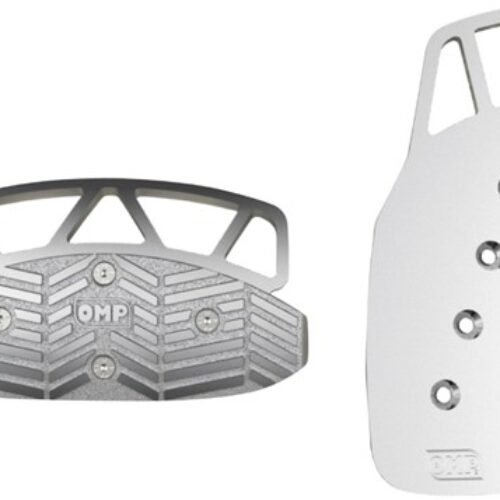
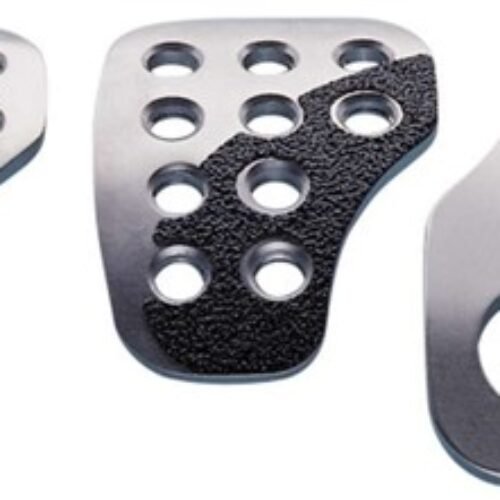
Race pedals here are aluminium pedal pads that mount on the car’s own pedals, giving a larger, grippier face for the sole of a racing shoe. They come in sets of three for cars with a clutch pedal and as a two-pedal set for cars without one, with mounting hardware supplied.
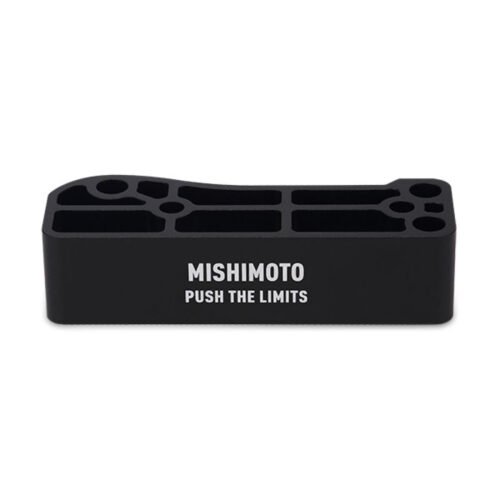
Pedal faces decide where the foot lands and how it moves between pedals. Heel-and-toe downshifting needs brake and throttle close in height and spacing, so the ball of the foot holds steady brake pressure while the side of the foot blips the throttle. A wider face makes that roll easier to time, and a textured surface keeps a thin, damp sole from slipping.
In a two-pedal car, a wide brake face also suits left-foot braking, where the left foot trims the car’s balance while the right stays on the throttle. Pads add a little thickness and width, which alters the gaps between the faces, so check the spacing once they are on.
Points to compare:
- Number of pedals: three for a manual gearbox; two for an automatic or twin-clutch car.
- Finish: sand-blasted aluminium gives a matt, textured face, while anodised aluminium has a hard oxide layer that resists wear and corrosion. All have an anti-slip surface and come in silver.
Before fitting, check how each pad meets the original pedal, as some original pedals need drilling for the supplied bolts. Keep the bolt heads flush so they cannot catch a shoe. Then check full brake travel, make sure the throttle returns freely to idle, and confirm that no pad touches its neighbour, the floor or the mat. Re-check the bolts after the first drives, because a pad that turns under the foot is dangerous.

Store Information
TrackTool Factory
Sluispolderweg 7A
1505 HJ Zaandam
The Netherlands
Chamber of Commerce (KVK): 97296902
VAT: NL867990375B01