Racing Seats categories
Top brands in Racing Seats




Popular cars in Racing Seats
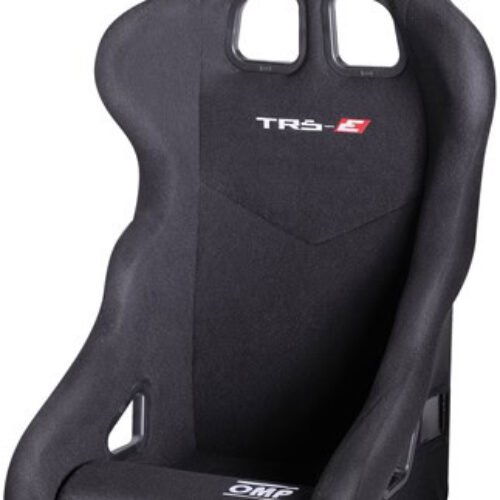
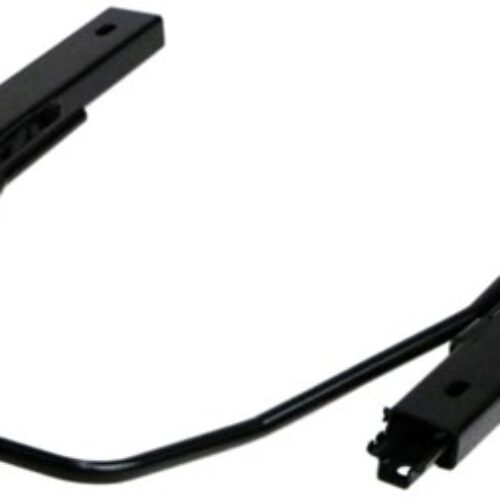


RMT Racing XL Side Mount Seat Brackets – Steel

RMT Racing Universal Weld-In Seat Mount Subframe Kit

RMT Racing Universal Bolt-In Seat Mount Frame Kit

RMT Parts Seat Frame Mounting Plate – BMW 3 Series E46

RMT Parts Seat Frame Mounting Plate – BMW 3 Series E36

RMT Parts Seat Frame Mounting Plate – BMW E82 / E87 / E90 / E92 / F30

RMT Parts Seat Frame Mounting Plate – Subaru BRZ / Toyota GT86 / Scion FR-S

RMT Parts Seat Frame Mounting Plate – VW Golf / Scirocco 2010
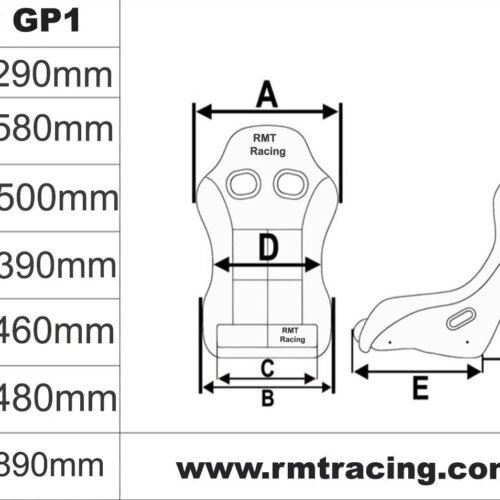
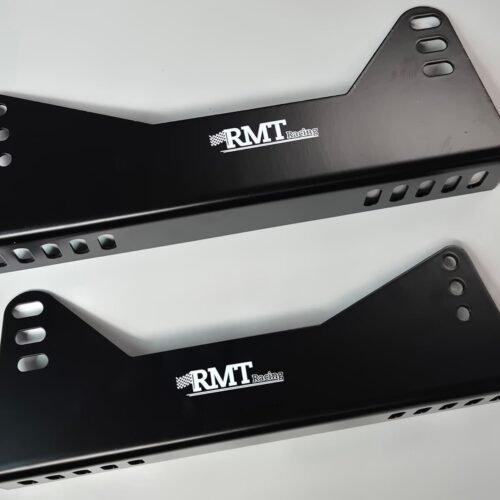
RMT Parts Aluminium 2 Seatmount Bracket Set
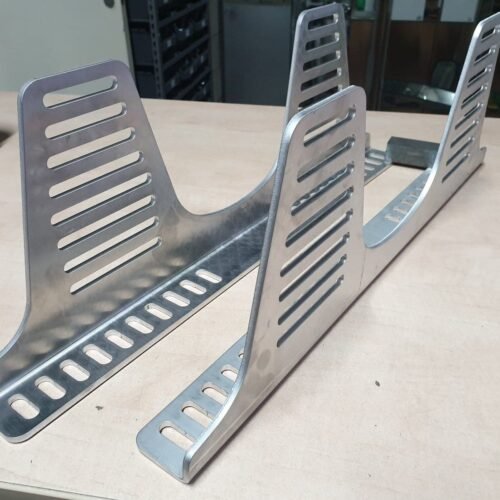
RMT Parts XL Side Seatmount Brackets
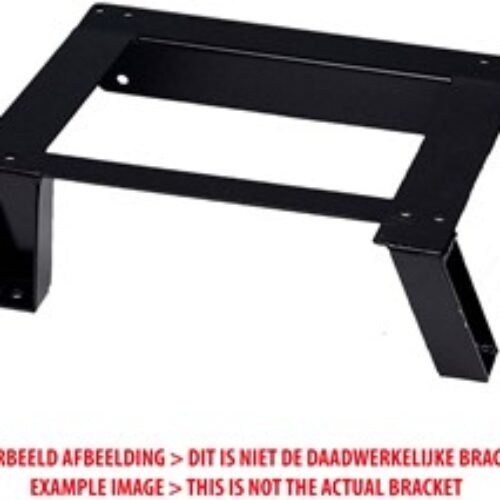
OMP Seat Bracket – Renault Megane 2 – L+R
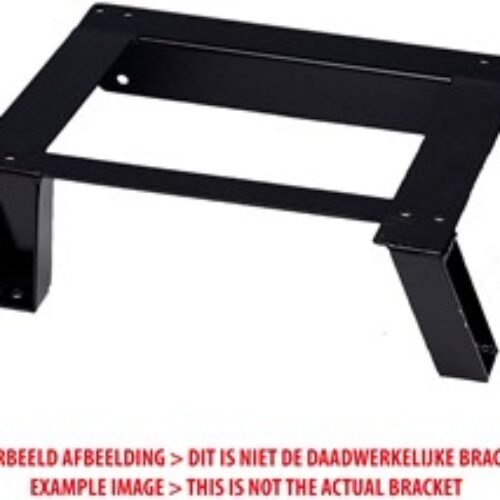
OMP Seat Bracket – Volkswagen Polo 6 (2017-) – L+R
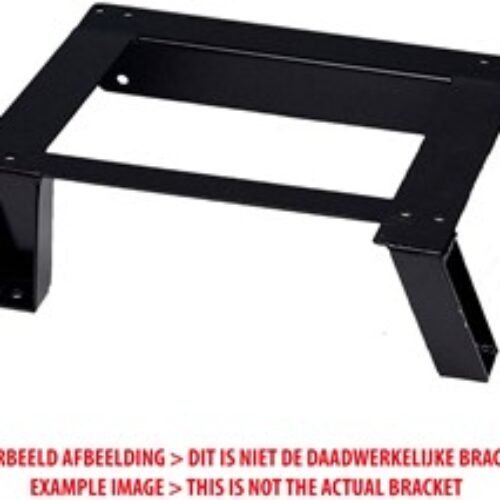
OMP Seat Bracket – Peugeot 308 GTI (2015-) – L+R
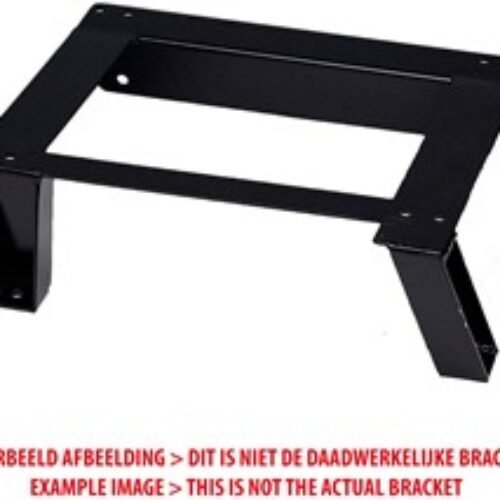
OMP Seat Bracket – Toyota Yaris GR (2000-) – L
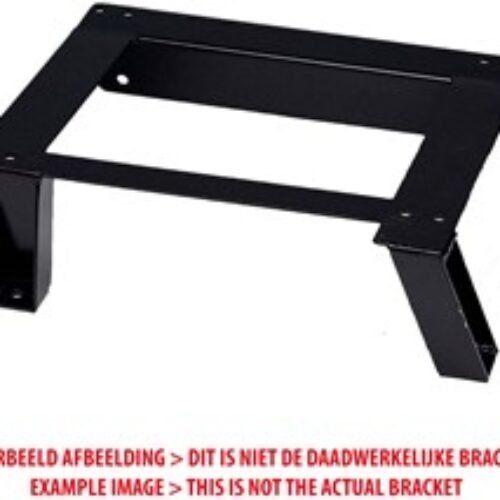
OMP Seat Bracket – Toyota Yaris GR (2000-) – R
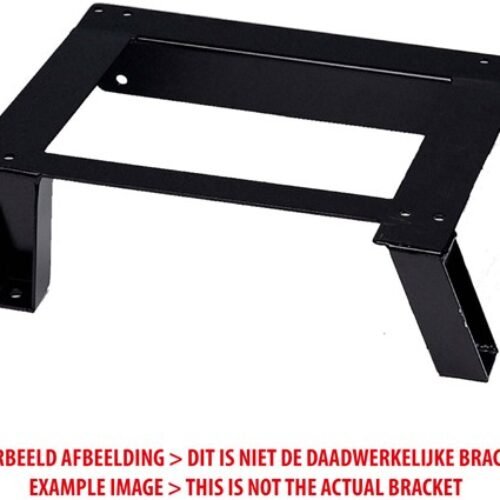
OMP Seat Bracket – Citroen Saxo (1996-) – R
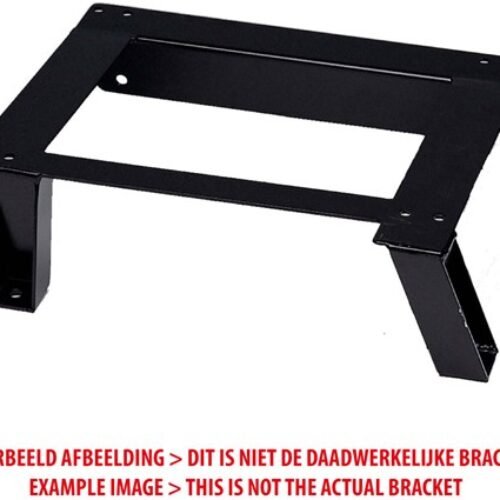
OMP Seat Bracket – Honda Integra (2002-) – R
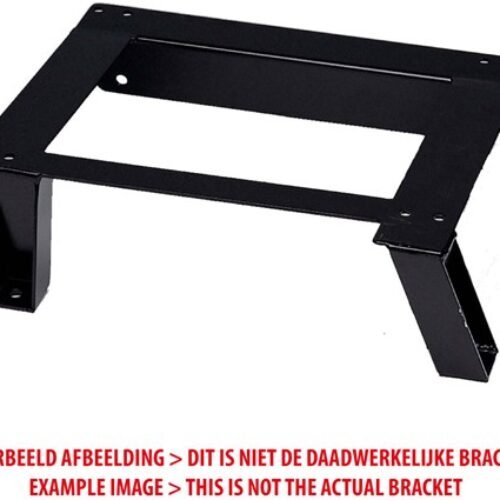
OMP Seat Bracket – Nissan Z350 (2003-) – L
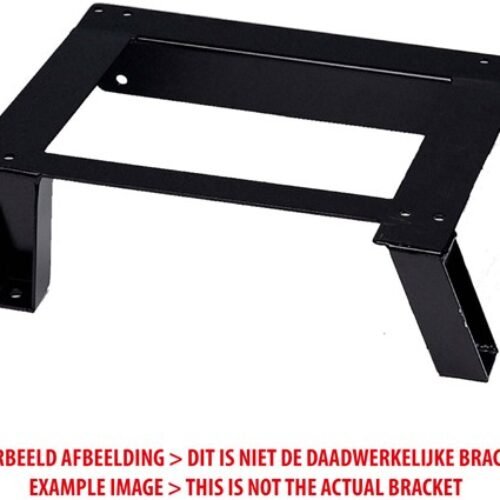
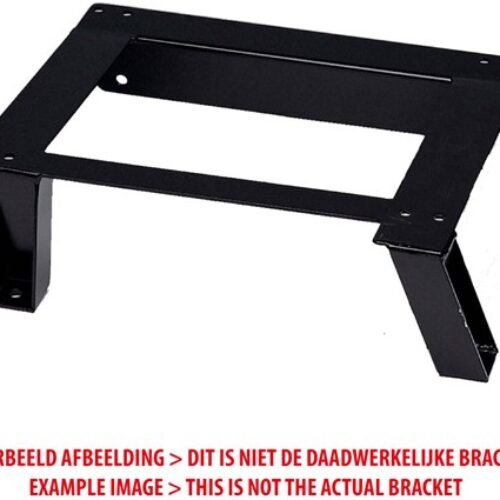
OMP Seat Bracket – Ford Escort Cosworth – L
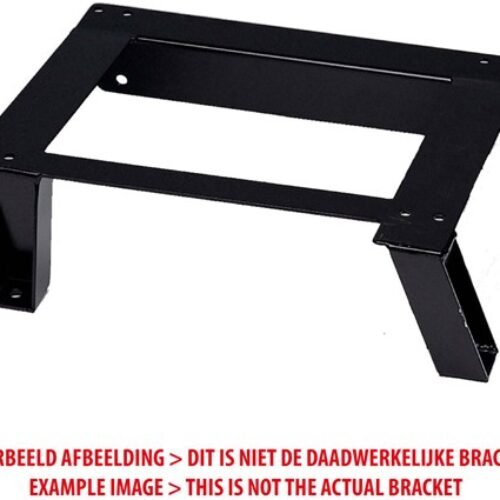
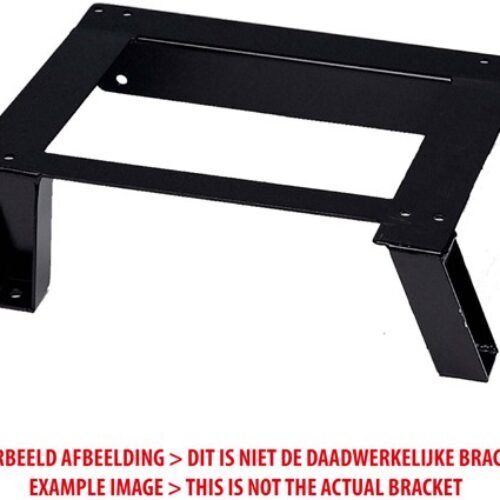
OMP Seat Bracket – Nissan Z350 (2003-) – R
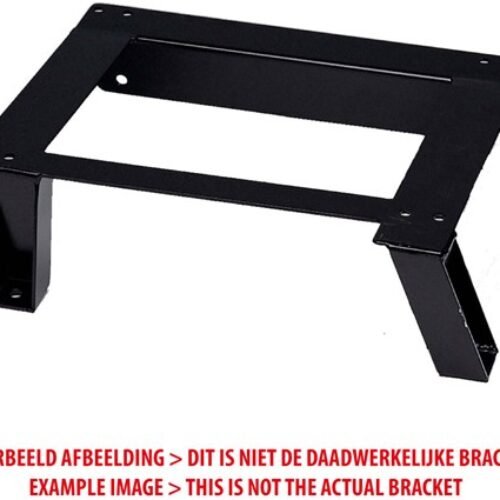
OMP Seat Bracket – Fiat Cinquecento – L+R
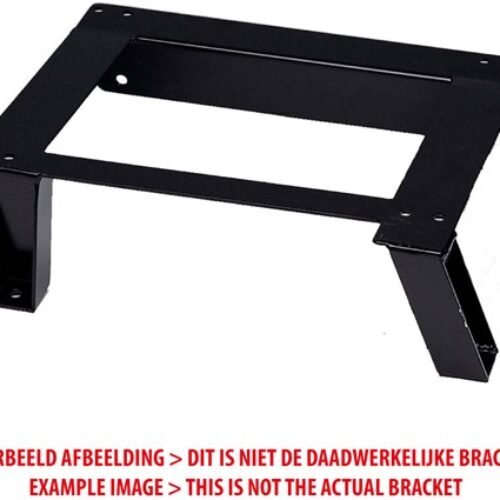
OMP Seat Bracket – Peugeot 107 (2005-) – R
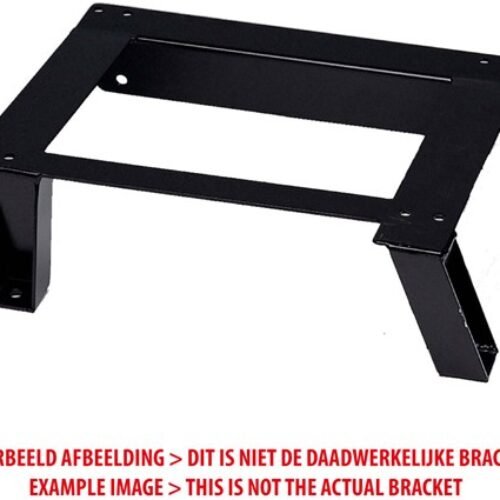
OMP Seat Bracket – Peugeot 207 (2006-) – R
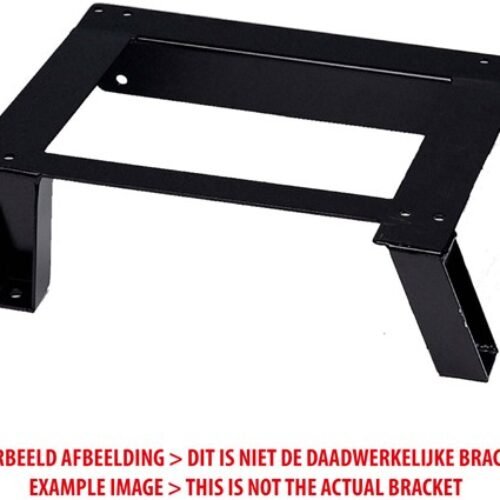
OMP Seat Bracket – Ford Escort Cosworth – R
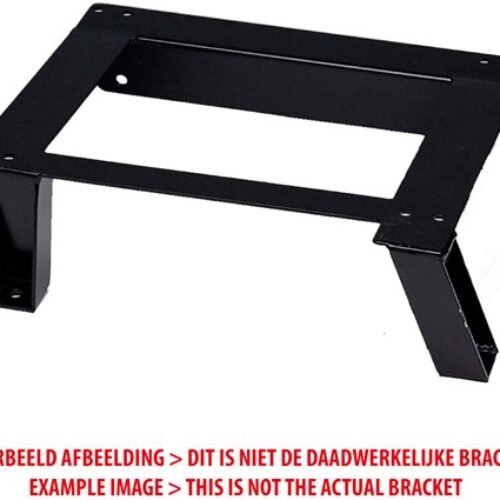
OMP Seat Bracket – Peugeot 107 (2005-) – L
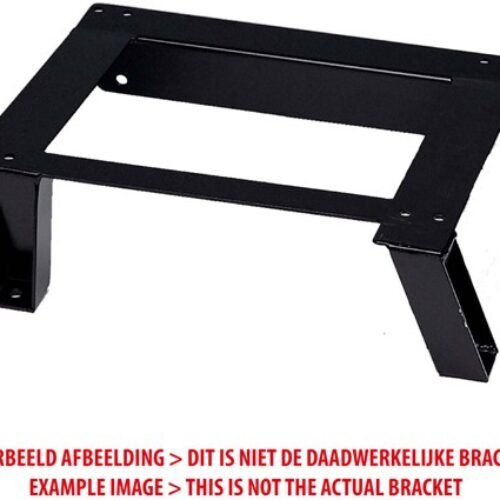
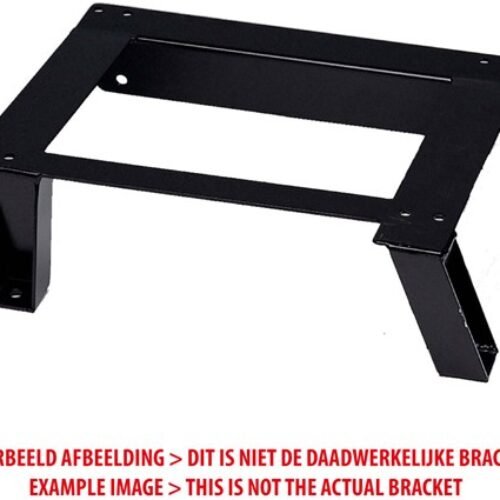
OMP Seat Bracket – Fiat Cinquecento (2007-) – R
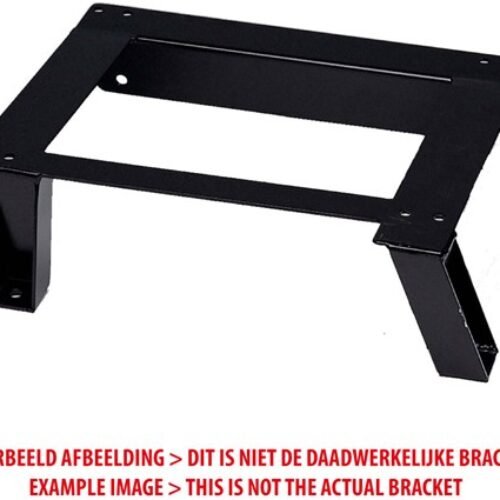
OMP Seat Bracket – Citroen Saxo (1996-) – L
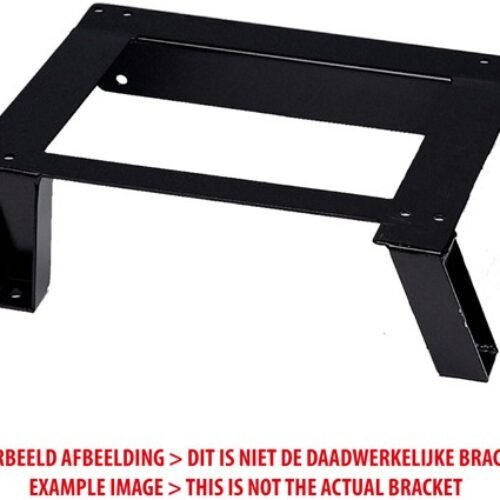
OMP Seat Bracket – Suzuki Samurai Santana – R
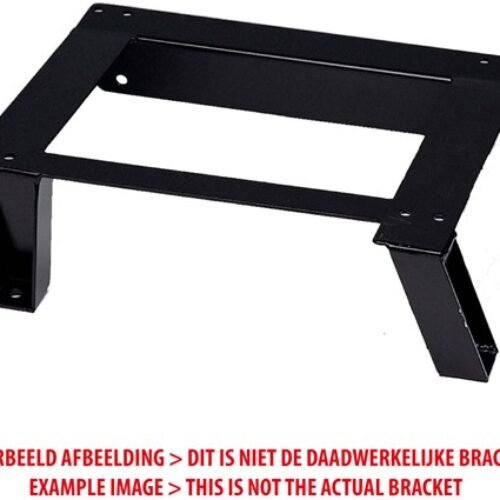
OMP Seat Bracket – Mitsubishi Pajero (2000-) – R

US-Racing Seat Frame Right (Universal)

US-Racing Seat Frame Left (Universal)

Steel adapter for PP ABE/PP Carbon ABE

Pole Position N.G. – Velour red
Racing Seats guide
A racing seat holds the driver firmly in place, so the hands and feet can work the controls while the body is braced against braking, cornering and impact loads. This section covers bucket seats and the seat mounts, brackets, frames and plates that tie them to the car.
The seat is one link in a chain that runs from the occupant through the shell, the mounts and the bolts into the floor or cage. In a crash the chain is only as strong as its weakest part, so a homologated seat on flimsy brackets loses much of its value. The harness runs through slots in the shell, and their position sets the belt geometry, so plan seat and harness together.
The two subsections split the job:
- Bucket Seats: fixed-back shells, built on tubular steel frames or in fibreglass and trimmed in velour or artificial leather. Check each seat for an FIA 8855-1999 label where rules require a homologated seat, or for German ABE approval for road use.
- Seat Mounts: brackets listed by car for the left side, the right side or both. Mounting plates use the original fixing points, while universal side brackets and frames suit custom installations.
When choosing, look at:
- Validity: in events run to FIA rules, an 8855-1999 seat may be used for five years from the manufacture date on its label. The maker can extend this by two years with an extra label. Check your series’ current regulations, as national rules can differ.
- Mounting method: shells take side mounts on their flanks, bottom mounting through the base, or either; the listing says which.
- Belt openings: a shell with five belt openings takes the shoulder, lap and crotch straps through the seat rather than around it.
- Brackets and frames: side brackets in laser-cut 4 mm steel come in pairs, and a weld-in subframe in 40 mm cold-drawn seamless tube suits a dedicated competition car.
- Material: brackets and frames come in steel, which is easy to weld and repair, or in lighter aluminium.
Fit the seat as low as the harness geometry allows, which lowers the centre of gravity and gives the helmet more room under the roof or cage. Use high-tensile bolts with large washers or backing plates. Replace both seat and mounts after a heavy impact, even without visible damage.

Store Information
TrackTool Factory
Sluispolderweg 7A
1505 HJ Zaandam
The Netherlands
Chamber of Commerce (KVK): 97296902
VAT: NL867990375B01