Engine Internals · ARP
Intake Manifold Bolts
- 93 products
- Ships from EU stock
- Intake Manifold Bolts guide
Top brands in Intake Manifold Bolts


ARP Pontiac 350-400 Hex Intake Manifold Bolt Kit

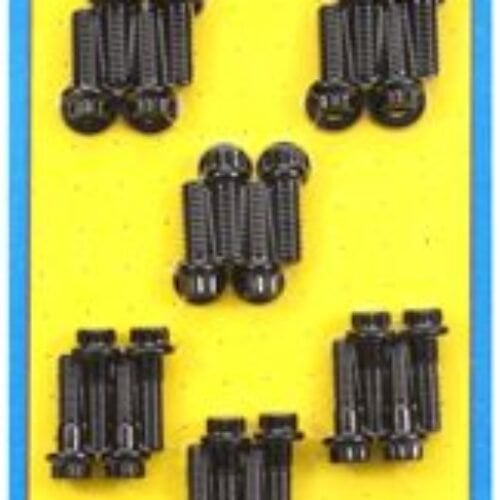
ARP SBC Tuned Port Intake Manifold Bolt Kit – 12pt IMBK

ARP Mopar 273-440 Wedge Hex Intake Manifold Bolt Kit
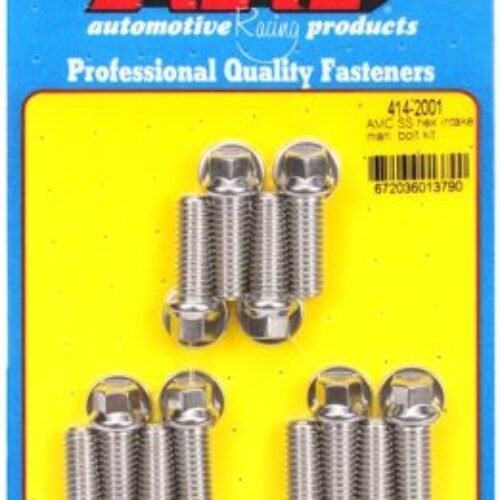

ARP Mopar 273-440 Wedge Hex Intake Manifold Bolt Kit
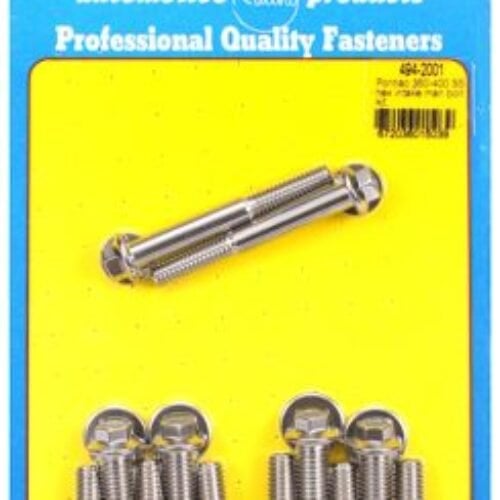
ARP Pontiac 350-400 SS Hex Intake Manifold Bolt Kit

ARP Mopar 273-440 Wedge 12pt Intake Manifold Bolt Kit
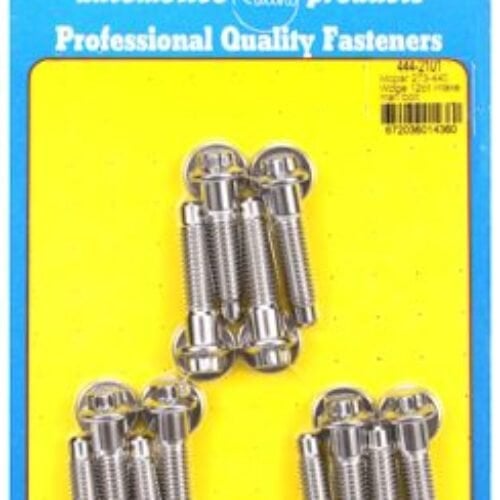
ARP Mopar 273-440 Wedge 12pt Intake Manifold Bolt Kit

ARP Pontiac 350-400 SS 12pt Intake Manifold Bolt Kit
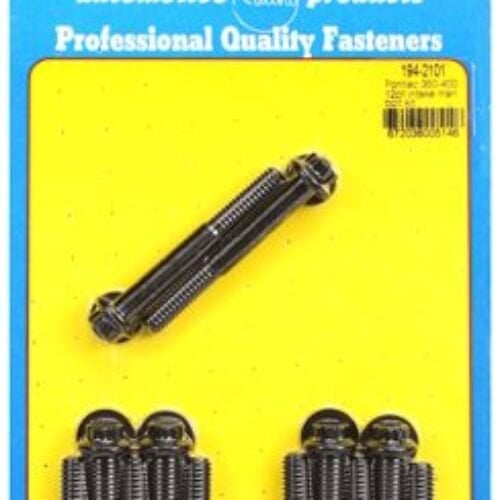
ARP Pontiac 350-400 12pt Intake Manifold Bolt Kit


SB Tuned Port Complete Hex Intake Manifold Kit

SB Tuned Port Complete SS 12pt Intake Manifold Bolt Kit

SB Tuned Port Complete SS Hex Intake Manifold Bolt Kit
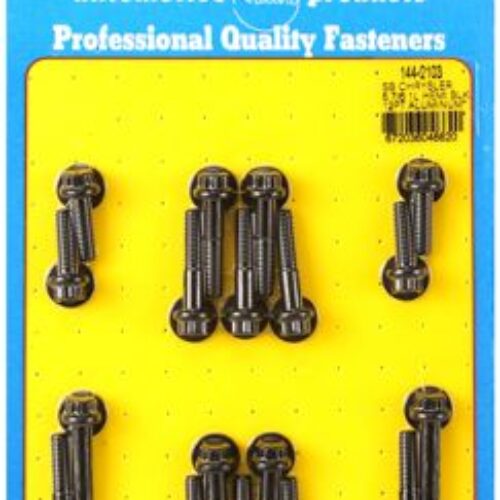

ARP Chevy LS 45mm UHL 12pt Edelbrock Intake Manifold Bolt Kit

ARP Chrysler Small Block 5.7/6.1L Hemi 12pt Intake Manifold Bolt Kit

ARP Chevy LS 55mm UHL 12pt GM Performance Intake Manifold Bolt Kit


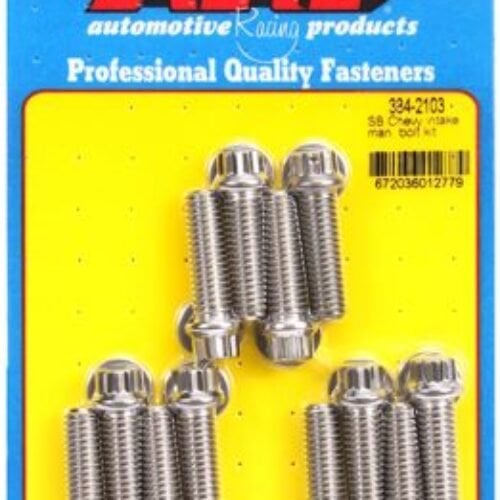


ARP Chevy LS1 LS2 Hex Intake Valley Cover Bolt Kit
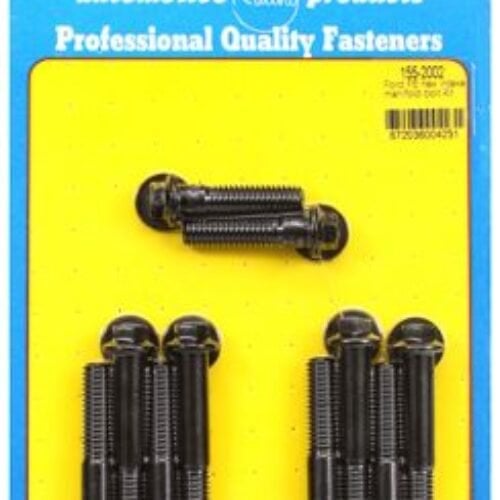
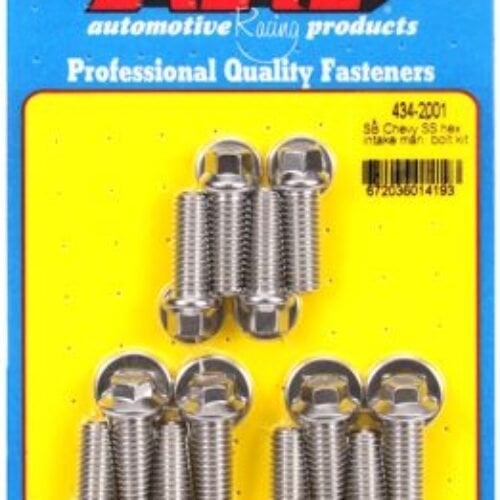
ARP SB Chevy SS Hex Intake Manifold Bolt Kit

ARP BB Ford SS Hex Intake Manifold Bolt Kit
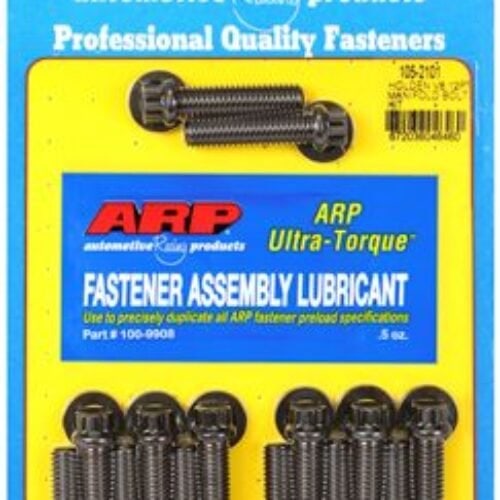

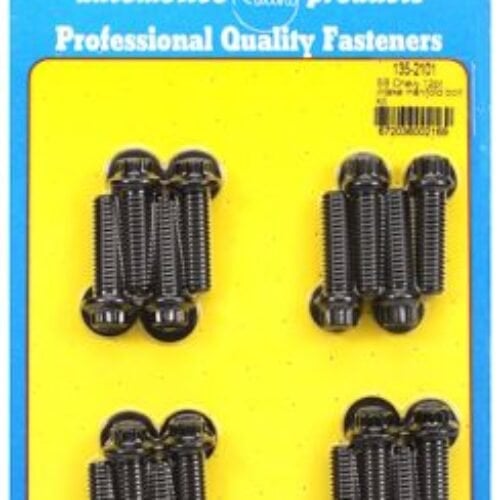
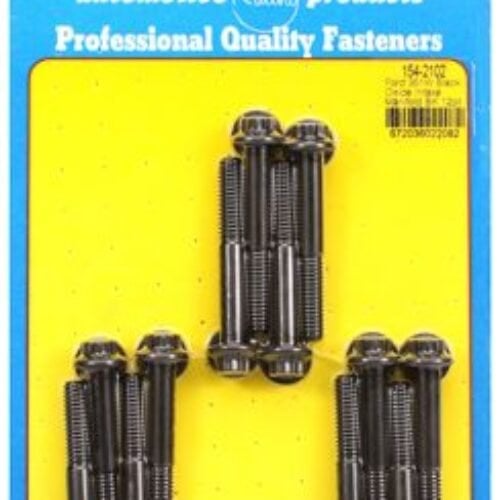
ARP Ford 351W 12pt Intake Manifold Bolt Kit
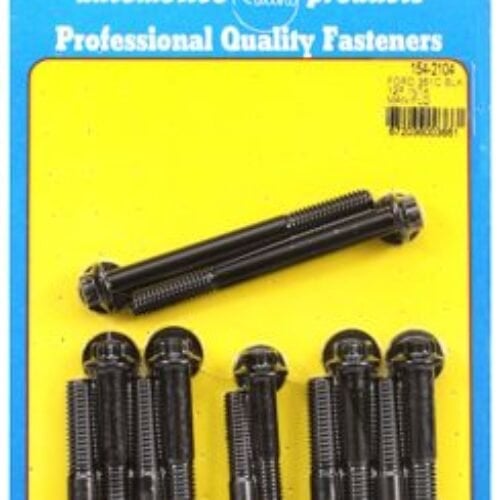
ARP Ford 351C 12pt Intake Manifold Bolt Kit
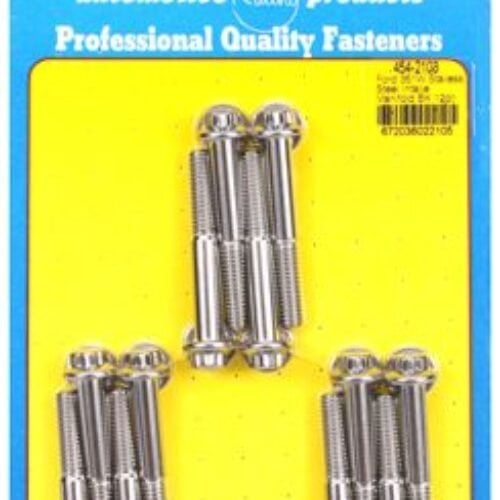
ARP Ford 351W SS 12pt Intake Manifold Bolt Kit


ARP Ford 351C SS 12pt Intake Manifold Bolt Kit

ARP Chevy V6 Stainless Steel 12 Point Manifold Bolt Kit

ARP SB Chevy Vortec SS 12pt Intake Manifold Bolt Kit

ARP SB Ford SS 12pt Intake Manifold Bolt Kit

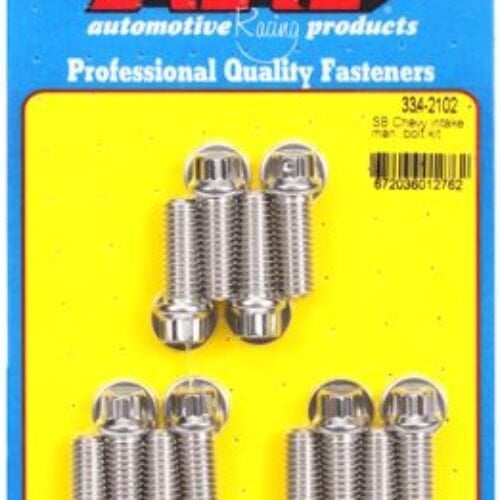


ARP SB Ford 351W SS Hex Intake Manifold Bolt Kit


ARP SB Ford 351 SVO Intake Manifold Bolt Kit


ARP Buick V-6 3.8L Intake Manifold Hex Bolt Kit
Intake Manifold Bolts guide
Intake manifold bolts clamp the manifold to the cylinder heads and seal the joint, which on many V engines carries coolant as well as air. The ARP kits in this category come in hex or 12-point form, in stainless steel or 8740 chrome moly, and are listed by engine, sometimes by manifold too.
The joint carries little mechanical load, but it must hold manifold vacuum, boost where fitted, and coolant at the same time. An aluminium manifold also expands differently from the heads, so the gasket is worked on every heat cycle. Uneven clamping lets air in to lean the mixture, or lets coolant into the ports or the oil.
On a V engine the bolts pull the manifold down and inwards into both heads at an angle, so an even, gradual tightening sequence matters. A matched kit gives consistent clamping from bolt to bolt, with threads and heads that survive repeated removal.
Use the title and listing to choose:
- Engine and manifold: kits are listed by engine, and some for a particular aftermarket manifold whose flanges differ from the original. Use the kit made for your manifold.
- Bolt length: some kits are listed by under-head length, such as 45 mm or 55 mm, to suit the manifold’s flange thickness.
- Complete kits: some cover a multi-piece manifold in one kit, and valley cover bolt kits are listed as well.
- Head: hex or 12-point, most taking a 3/8 in socket and some an 8 mm or 10 mm one.
- Material: stainless steel for corrosion resistance and looks, or 8740 chrome moly.
Check each bolt’s length against its hole before fitting: one that bottoms out feels tight but clamps nothing, and one that is too short engages too little thread. Where a bolt enters a coolant or oil passage, seal its threads. Lubricate as the kit specifies, and tighten in the engine maker’s sequence, from the centre outwards, in stages.
Re-check the bolts after the first heat cycle, as new gaskets settle. A smoke test is a quick way to find any vacuum leak that remains.

Store Information
TrackTool Factory
Sluispolderweg 7A
1505 HJ Zaandam
The Netherlands
Chamber of Commerce (KVK): 97296902
VAT: NL867990375B01