Engine Internals · ARP
Water Pump & Fan Hardware
- 136 products
- 2 brands
- Ships from EU stock
- Water Pump & Fan Hardware guide
Top brands in Water Pump & Fan Hardware


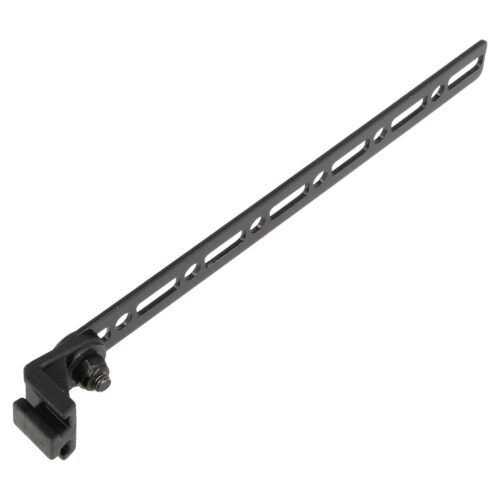


ARP Pontiac 12pt Thermostat Housing Bolt Kit

ARP 5/16-24 X 1.450 Starter Nose SS 12pt Water Pump Pulley Stud Kit


ARP LS1 LS2 SS 12pt Thermostat Housing Bolt Kit

ARP LS1 LS2 SS 12pt Thermostat Housing Bolt Kit
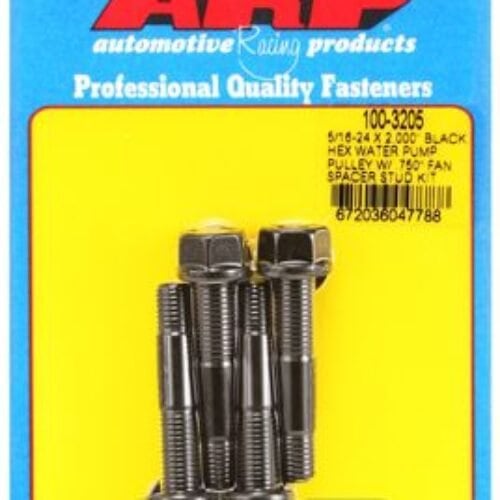


ARP 5/16-24 X 1.450 Starter Nose SS Hex Water Pump Pulley Stud Kit

ARP 5/16-24 X 1.500 SS Hex Water Pump Pulley W/ .250in Fan Spacer Stud Kit

ARP 5/16-24 X 3.250 SS Hex Water Pump Pulley W/ 2.000in Fan Spacer Stud Kit

ARP 5/16-24 X 3.500 SS Hex Water Pump Pulley W/ 2.250in Fan Spacer Stud Kit


ARP Pontiac 12pt Timing Cover And Water Pump Bolt Kit
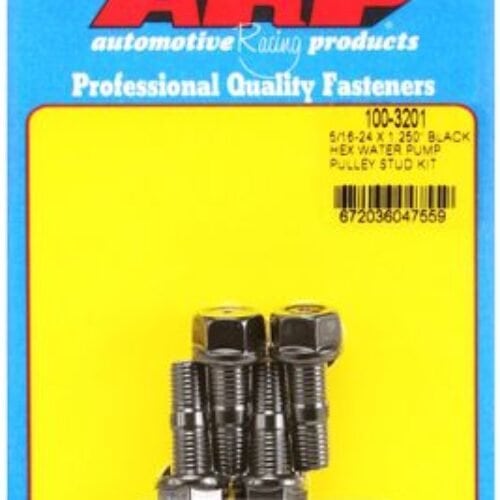
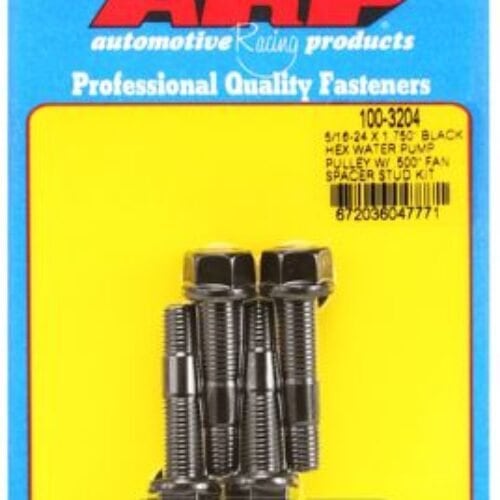
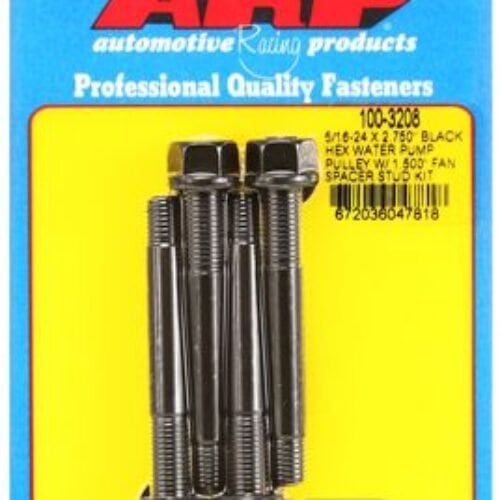
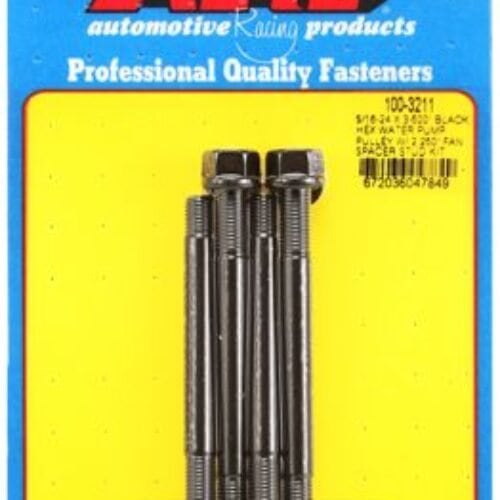
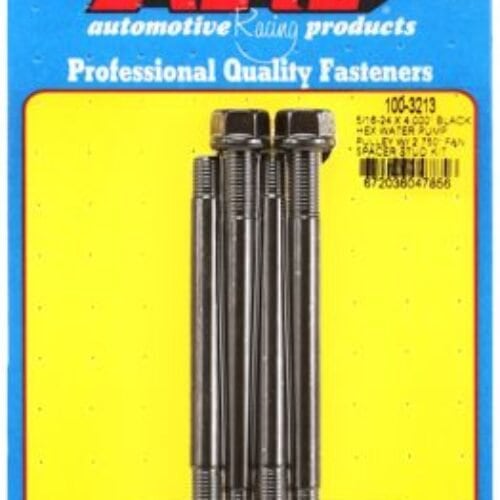
ARP 5/16-24 X 1.250 Black Hex Water Pump Pulley Stud Kit

ARP 5/16-24 X 1.450 Starter Nose Black Hex Water Pump Pulley Stud Kit







ARP 5/16-24 X 1.250 SS Hex Water Pump Pulley Stud Kit
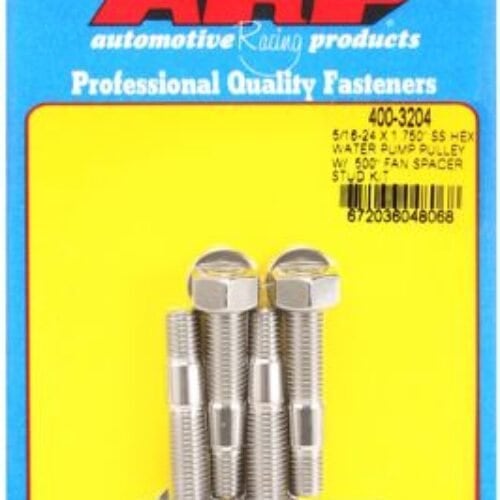
ARP 5/16-24 X 1.750 SS Hex Water Pump Pulley W/ .500in Fan Spacer Stud Kit
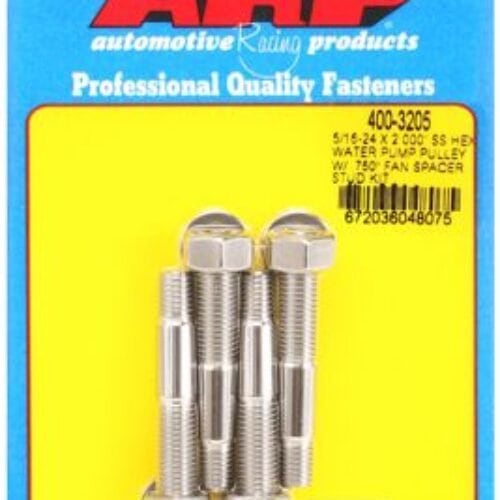
ARP 5/16-24 X 2.000 SS Hex Water Pump Pulley W/ .750in Fan Spacer Stud Kit

ARP 5/16-24 X 2.250 SS Hex Water Pump Pulley W/ 1.000in Fan Spacer Stud Kit

ARP 5/16-24 X 2.500 SS Hex Water Pump Pulley W/ 1.250in Fan Spacer Stud Kit
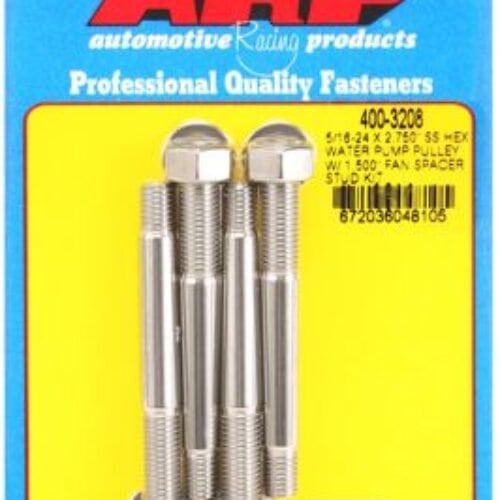
ARP 5/16-24 X 2.750 SS Hex Water Pump Pulley W/ 1.500in Fan Spacer Stud Kit
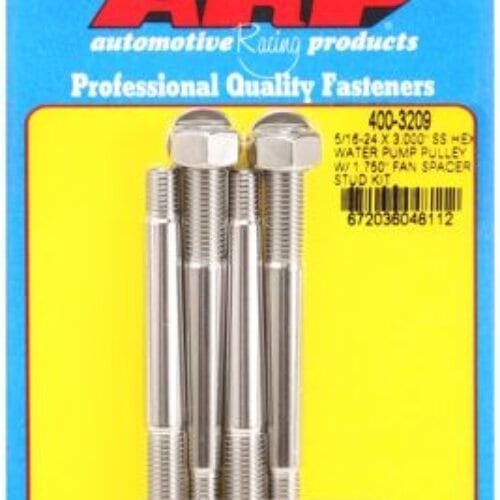
ARP 5/16-24 X 3.000 SS Hex Water Pump Pulley W/ 1.750in Fan Spacer Stud Kit
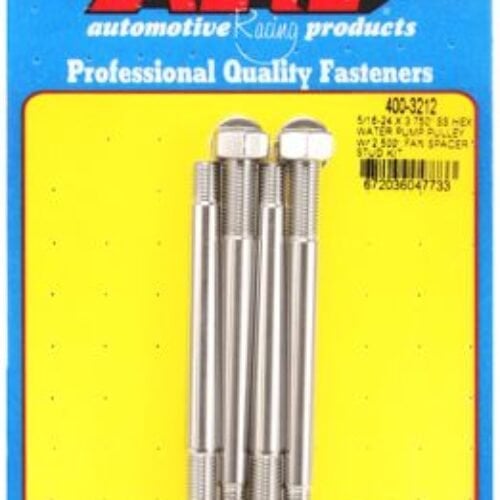
ARP 5/16-24 X 3.750 SS Hex Water Pump Pulley W/ 2.500in Fan Spacer Stud Kit

ARP 5/16-24 X 4.000 SS Hex Water Pump Pulley W/ 2.750in Fan Spacer Stud Kit
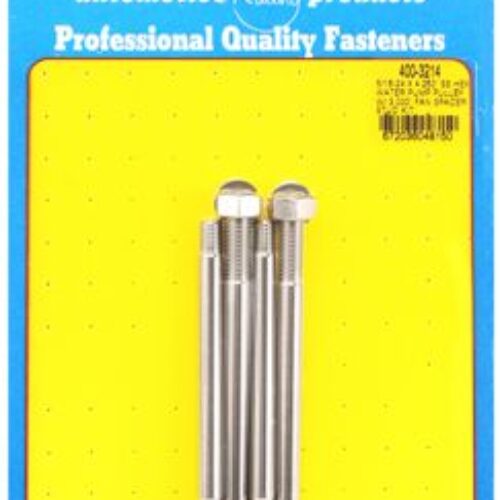
ARP 5/16-24 X 4.250 SS Hex Water Pump Pulley W/ 3.000in Fan Spacer Stud Kit
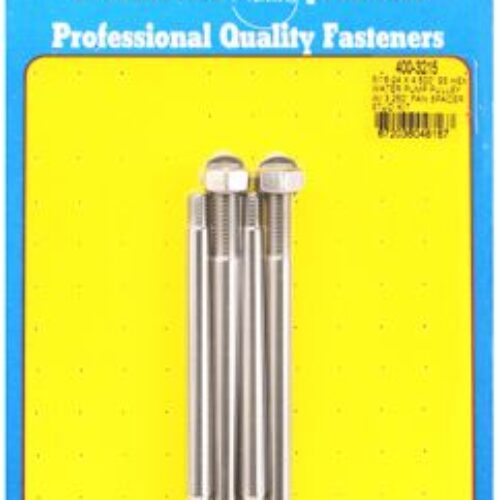
ARP 5/16-24 X 4.500 SS Hex Water Pump Pulley W/ 3.250in Fan Spacer Stud Kit
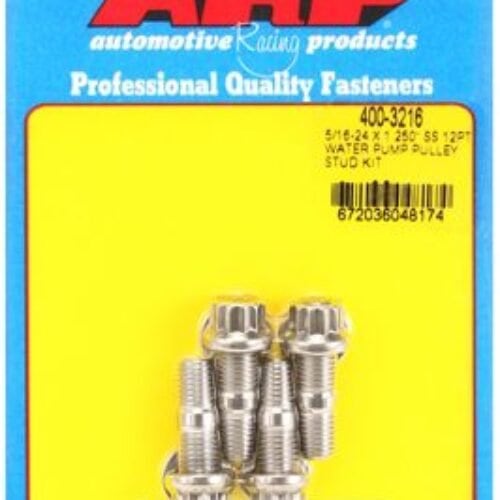
ARP 5/16-24 X 1.250 SS 12pt Water Pump Pulley Stud Kit

ARP Pontiac Hex Timing Cover And Water Pump Bolt Kit


ARP Pontiac SS Hex Thermostat Housing Bolt Kit
Water Pump & Fan Hardware guide
Water pump and fan hardware fastens the pump, timing cover, thermostat housing and rear engine cover, and the pulley and belt-driven fan on the pump hub. ARP kits replace the factory fasteners as complete sets, hex or 12-point, in black oxide or polished stainless steel.
These joints rarely fail for lack of strength. Their problems are sealing and corrosion: most clamp a gasket around coolant or oil, often into aluminium, and some bolt holes open into the water jacket. The pulley and fan also hang on their studs, which carry the belt load and the weight and vibration of the fan.
Studs make that stack easier to build. The pulley, spacer and fan slide over them and stay aligned while the nuts go on. The thread in the pump hub is also spared each time the fan comes off.
The titles hold the details to check:
- Pulley studs: 5/16-24 thread, with most stud lengths paired with a fan spacer. For example, a 2.250 in stud suits a 1.000 in spacer, and a 4.500 in stud a 3.250 in spacer.
- Bolt kits: listed by engine for the water pump, timing cover, thermostat housing or rear cover, sometimes two of these together. Some name the pump style, such as a short pump.
- Finish: black-oxide 8740 chrome moly or polished stainless steel. Stainless resists corrosion and keeps its looks, while black oxide relies on a film of oil to keep rust away.
- Wrenching: 12-point or hex, in socket sizes such as 3/8 in, 1/2 in, 8 mm or 10 mm. Studs take a 1/8 in hex key for fitting.
Clear old sealant and corrosion from the threads first. Where a bolt hole opens into the water jacket, coat the threads with a sealant suited to coolant so that nothing weeps past them. Use anti-seize or the specified lubricant on stainless threads in aluminium, and tighten to the engine maker’s figures, which are usually low.
Bring pump and cover bolts up to torque gradually in a cross pattern, so the gasket compresses evenly. With a mechanical fan, check the blade clearance to the radiator and shroud, and the belt alignment, before the first start. Re-check the fan nuts after the first heat cycles, and look for cracks at the blade roots at each service.

Store Information
TrackTool Factory
Sluispolderweg 7A
1505 HJ Zaandam
The Netherlands
Chamber of Commerce (KVK): 97296902
VAT: NL867990375B01