Top brands in Nuts

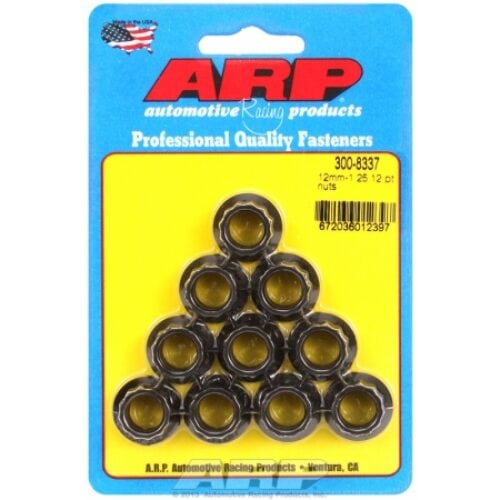
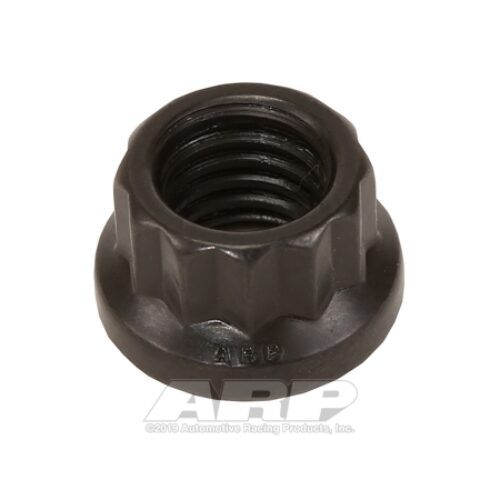

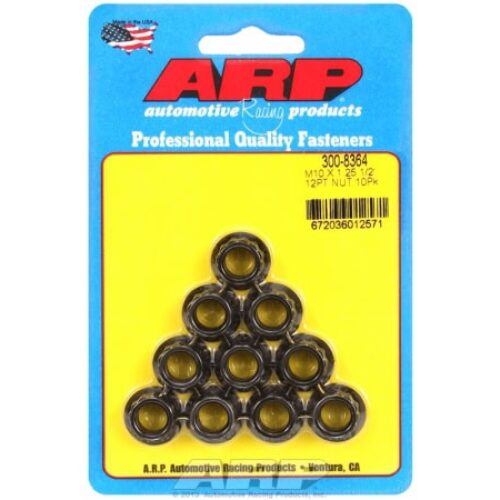


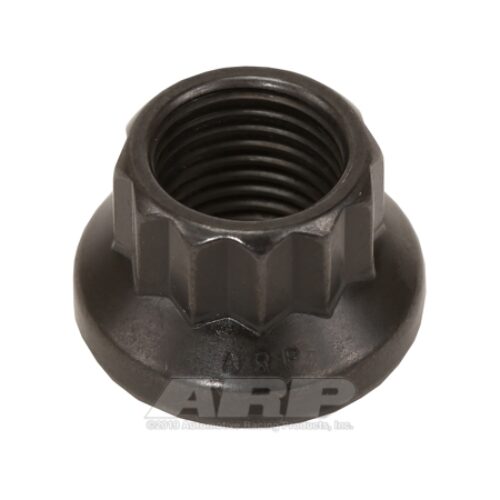


ARP M8 X 1.25 M10 WR 12pt Stainless Steel Nut Kit

ARP M11 X 1.25 (M14 WR) 12pt Nut Kit (10 Pack)


ARP M11 X 1.25 (M14 WR) 12pt Nut Kit (2 Pack)

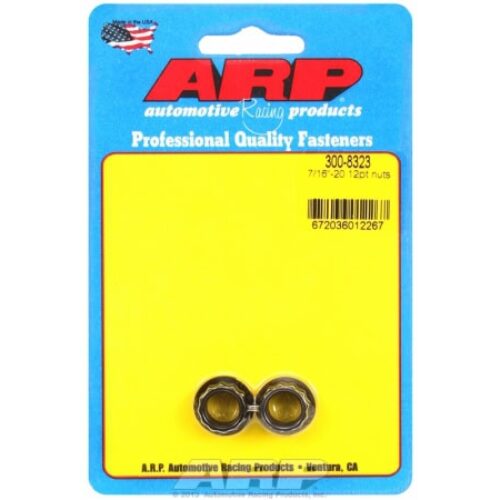
ARP 7/16in-20 / 9/16 Socket / 12pt Nut Kit 2 Pack

ARP M12 X 1.00 (M14 WR) SS 12pt Nut Kit (1 Pack)

ARP M10 X 1.25 M16 Socket 12pt Nut Kit 2 Pack


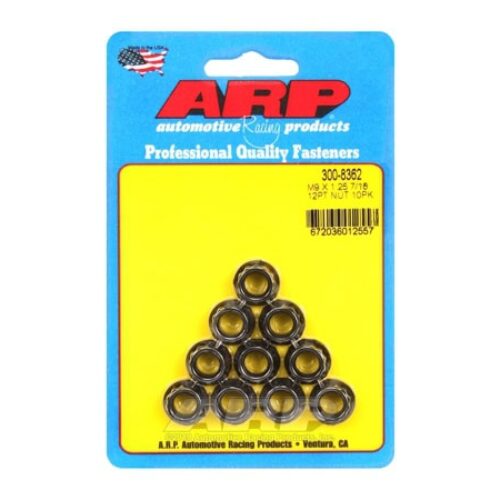
ARP M9 X 1.25 12pt Black Nut Kit (set Of 2)

ARP M12 X 1.25 M14 WR 12pt Nut Kit – 10 Pack

ARP M12 X 1.25 M14 WR 12pt Nut Kit – 2 Pack

ARP M11 X 1.25 (M13 Wr) SS 12pt Nut Kit – Set Of 10


ARP 7/16in-20 Low Head .600 Flange OD 12pt Nut Kit 10/Kits

ARP 7/16-20 1/2 Socket 12 Pt Nut Kit (pack Of 10)

ARP M6 X 1.00 (M8 Wr) Stainless Steel 12pt Nut Kit (pack Of 10)

ARP 9/16-12in 12pt Low Profile Nut Kit (pack Of 2)

ARP M11 X 1.25 (M13 WR) 12pt Nut Kit (10 Pack)


ARP Perma-Loc Adjustable 3/8 12pt Rocker Arm Nut Kit

ARP 1/2-20 11/16 Socket 12pt Nut Kit (set Of 10)


ARP 5/16-18 Cad Coarse Nyloc Hex Nut Kit (pkg Of 5)


ARP 3/8-24 1/2 Socket 12pt Nut Kit (10 Pack)


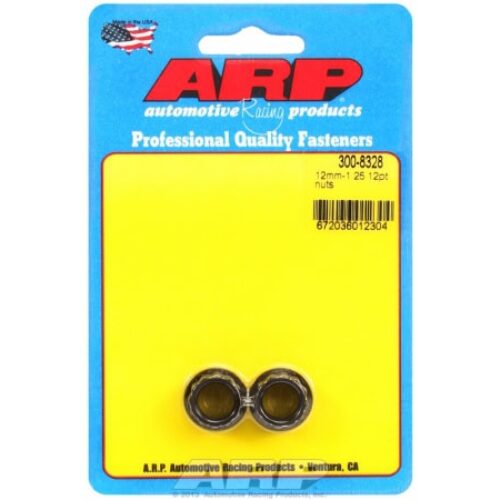
ARP M12 X 1.25 12-Point Nut Kit (pack Of 10)

ARP 3/8-24 1/2 Socket .645 Flange OD 12pt Nut Kit (10 Pack)
Nuts guide
A nut is the half of a stud joint that does the tightening, so it must match its stud in strength and in thread. The ARP nuts here come singly and in kits, in 12-point and hex styles, in inch and metric threads, and in flange, self-locking, plate and rocker-adjusting designs.
As a nut is tightened, the stud stretches like a stiff spring, and that stretch creates the clamping force. All of it passes through the nut’s threads. A nut weaker than its stud can strip before the stud reaches its intended load, which is why high-strength studs need nuts of matching grade.
Friction matters as much as strength. Most of the tightening torque is spent turning the nut against its seat and its threads, and only the remainder stretches the stud. Anything that changes that friction, from a dry thread to a different lubricant, changes the clamp load for the same torque reading.
Choose by thread first, then by form:
- Thread: diameter and pitch must match exactly. Inch nuts come in coarse and fine pitches, such as 7/16-14 and 7/16-20, and metric nuts in pitches such as M10 x 1.25 and M10 x 1.0.
- Wrenching: 12-point nuts are compact for their thread and take a socket every twelfth of a turn. The same M10 x 1.25 thread is listed for a 12 mm or a 16 mm socket, so check counterbore clearance.
- Form: flange nuts spread the load like a built-in washer. Low-head and small-collar nuts fit tight spaces, and some half-height self-locking nuts are listed as drilled.
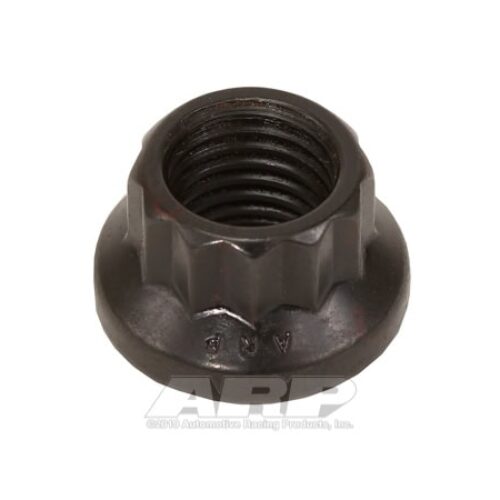
- Special nuts: plate nuts rivet to a panel so that a bolt can go in from one side, in fixed two-lug or floating versions. Adjustable 12-point rocker arm nuts set the valve lash, or lifter preload, on stud-mounted rockers.
- Material: black-oxide 8740 chrome moly, stainless steel or cad-plated steel, sold singly, in pairs or in packs of 5 or 10.
Clean the threads and run each nut down by hand before using a tool; a nut that binds early has the wrong pitch or a damaged thread. Lubricate the threads and the nut’s seat with the lubricant the torque figure assumes. Use a sound 12-point socket on 12-point nuts, as a worn one rounds the points.
Where a stud passes through a soft casting, fit a hardened washer under the nut. Stainless nuts on stainless studs can gall, so never run them on dry. Replace self-locking nuts once they spin on freely, and any nut whose threads or seat show damage.

Store Information
TrackTool Factory
Sluispolderweg 7A
1505 HJ Zaandam
The Netherlands
Chamber of Commerce (KVK): 97296902
VAT: NL867990375B01