
Top brands in Clutch Slave Cylinders

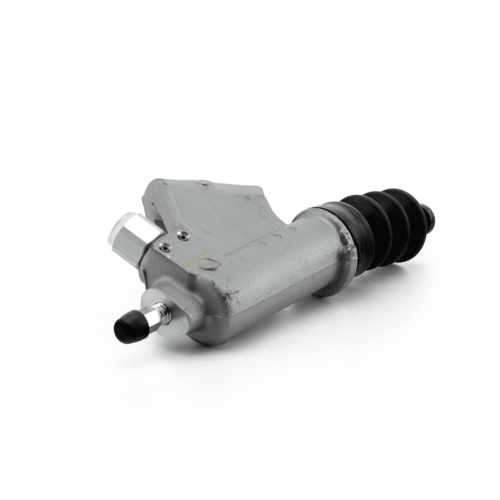
Clutch Slave Cylinder (04-08 TSX & 02-04 RSX)
Clutch Slave Cylinders guide
The clutch slave cylinder turns hydraulic pressure from the master cylinder into the push that moves the release fork and frees the clutch. The cylinder listed here is a replacement for the models and years named in its title.
The hydraulics multiply force by the ratio of slave to master bore area, so a larger slave bore gives more force at the fork but less travel. Some cars use an external slave and fork, which can be changed without removing the gearbox. Others use a concentric slave inside the bell housing that acts on the release bearing directly.
Slave cylinders sit close to engine and exhaust heat, and their seals age with the fluid. A weak or leaking slave lets the clutch drag, so gears grind or the car creeps with the pedal down. An uprated pressure plate raises the release load, and any weakness in the slave then shows sooner.
When choosing:
- Vehicle: match the model and years in the title, as bore size and pushrod length differ between gearboxes.
- System match: keep the slave and master bores suited to each other, since changing either alters pedal effort and travel.
- Symptoms: fluid at the boot, a sinking pedal or a biting point that moves all point to the slave or master cylinder.
Bleed with the bleed screw at the highest point so air can escape, until the pedal is firm and consistent. Check that the pushrod seats in the fork cup and that the fork moves through its full travel. Use the fluid the vehicle maker specifies, and replace it at the brake fluid intervals where the two systems share a reservoir.
Recently Viewed Products


Store Information
TrackTool Factory
Sluispolderweg 7A
1505 HJ Zaandam
The Netherlands
Chamber of Commerce (KVK): 97296902
VAT: NL867990375B01