Turbo · Wastegates
Wastegate Replacement Parts & Accessories
- 31 products
- Ships from EU stock
- Wastegate Replacement Parts & Accessories guide
Top brands in Wastegate Replacement Parts & Accessories

Showing all 31 resultsSorted by latest
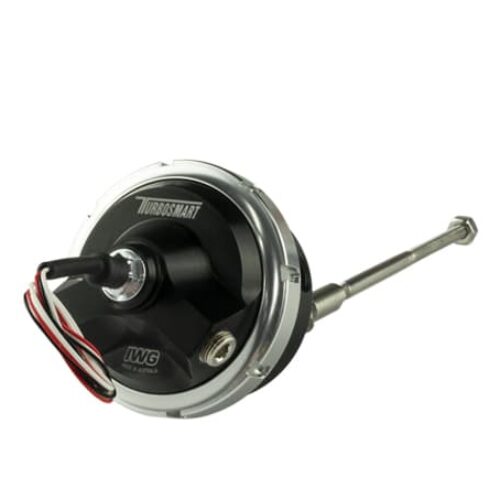
GenV IWG BorgWarner EFR Twin Port 14psi with Sensor Cap Black
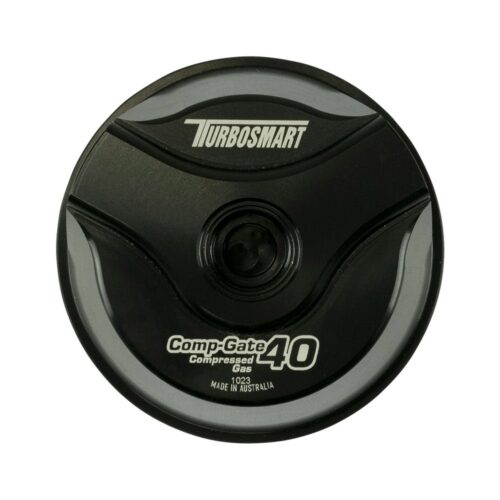
GenV WG45/50CG Full Range Complete Sensor Cap Black
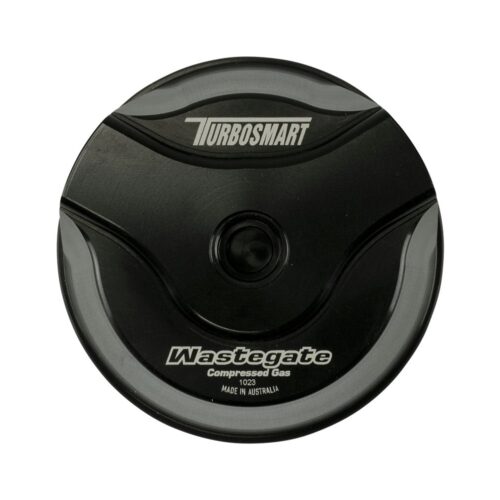
GenV WG40CG Full Range Complete Sensor Cap Black

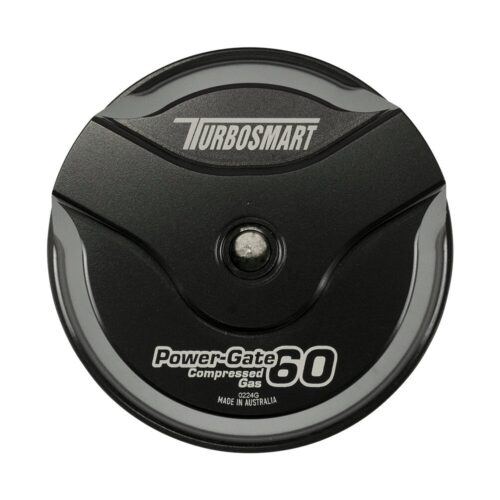
Gen V WG60 CG Full Range Complete Sensor Cap Black
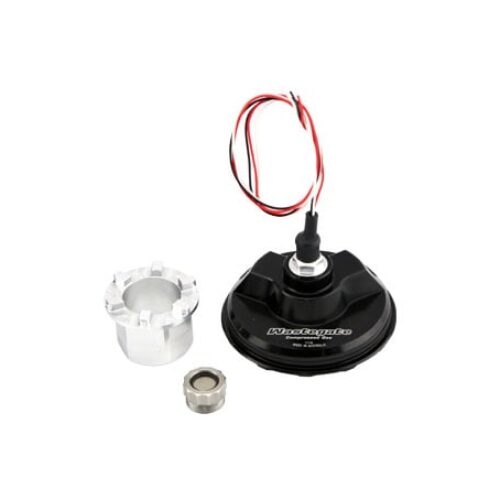
GenV WG38/40 CG/ALV Complete Sensor Cap Black
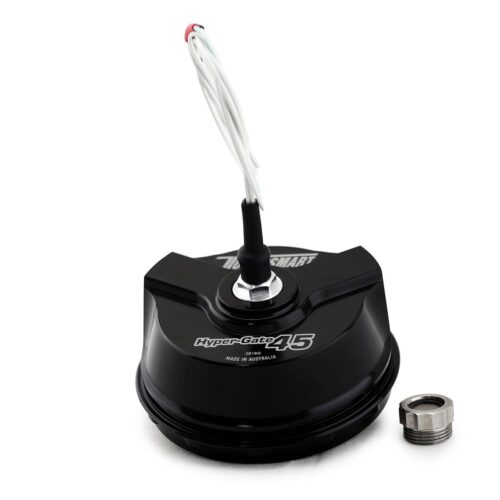

Clevis Suit IWG75 (M6 Thread) 6.3mm (Hole) x 125mm

Clevis Suit IWG75 (M6 Thread) 6.3mm (Hole) x 100mm

Clevis Suit IWG75 (M6 Thread) 6.3mm (Hole) x 80mm

Clevis Suit IWG75 (1/4" UNF thread) 6.3mm (Hole) x 125mm
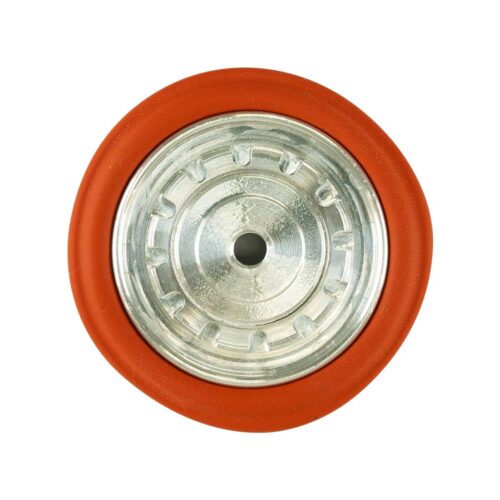
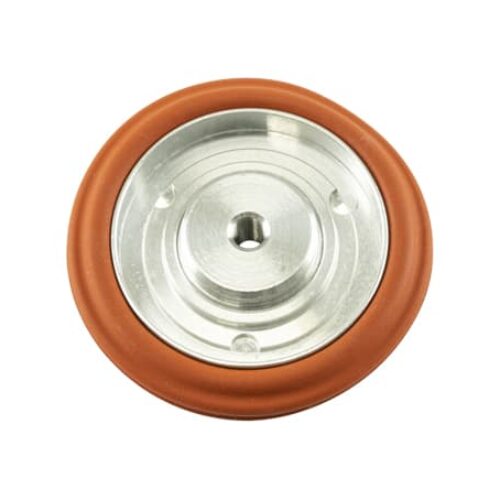
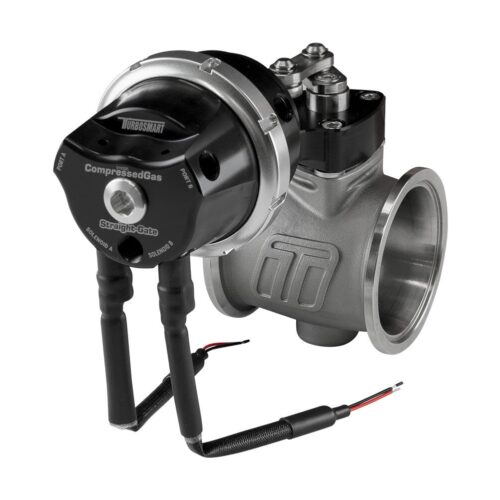
PSG50CG Pneumatic StraightGate50 Compressed Gas (Solenoid) 7psi Black
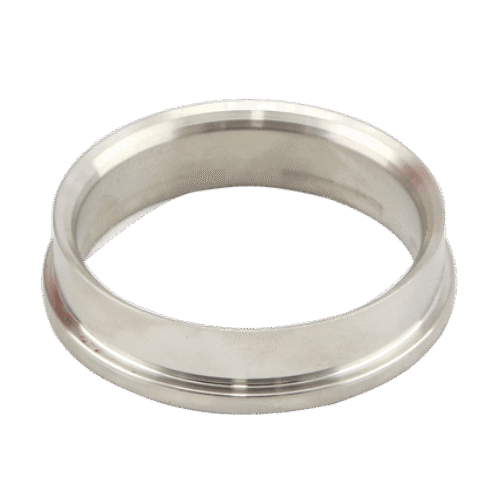
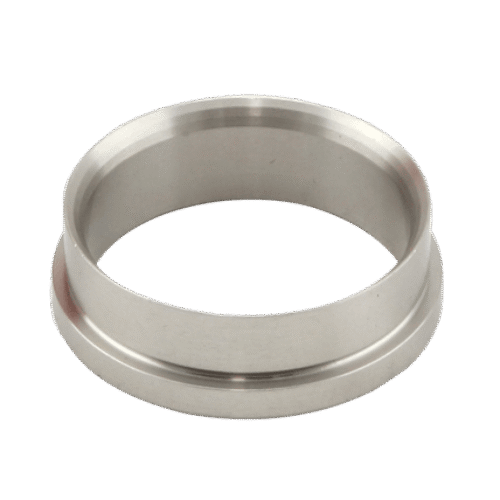
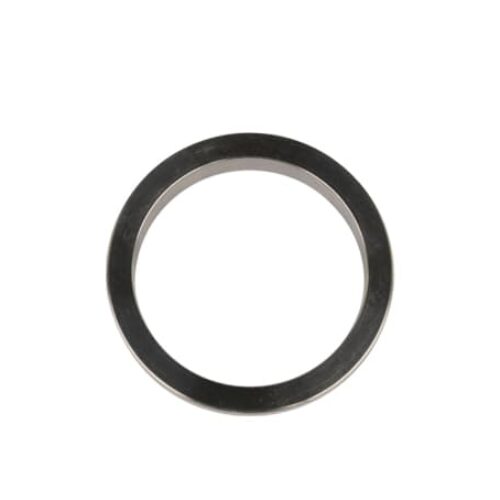
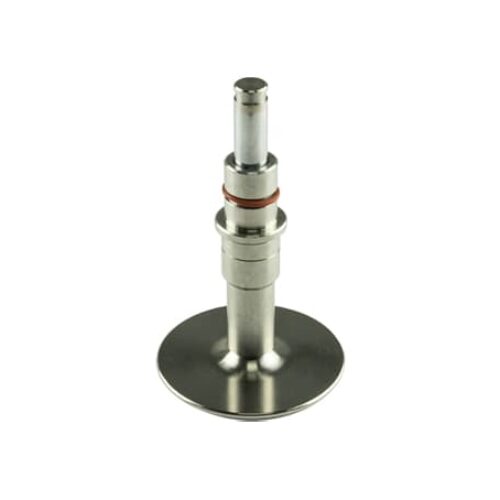

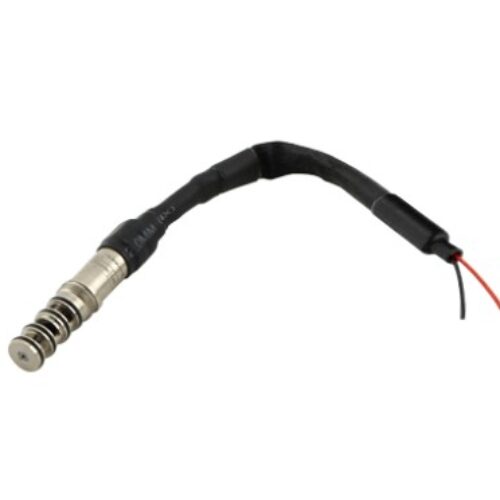

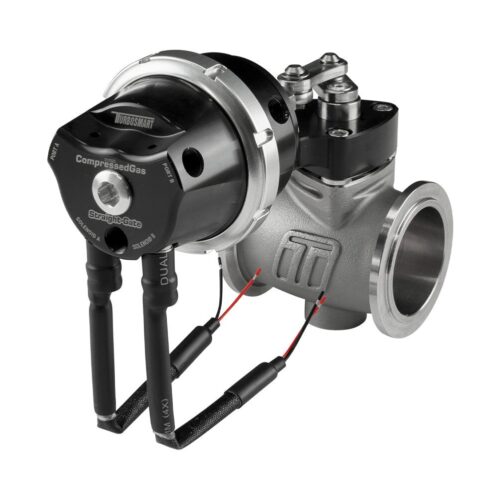
PSG40CG Pneumatic StraightGate40 Compressed Gas (Solenoid) 7psi Black
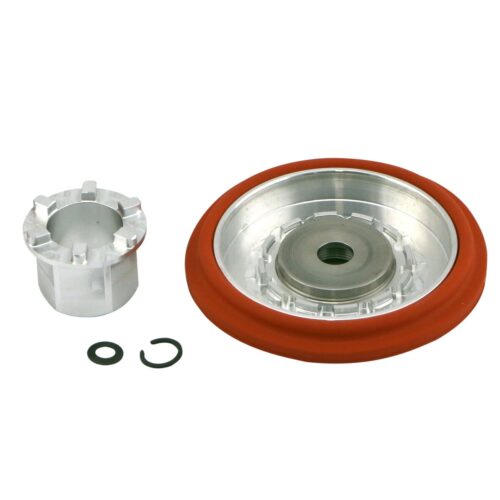

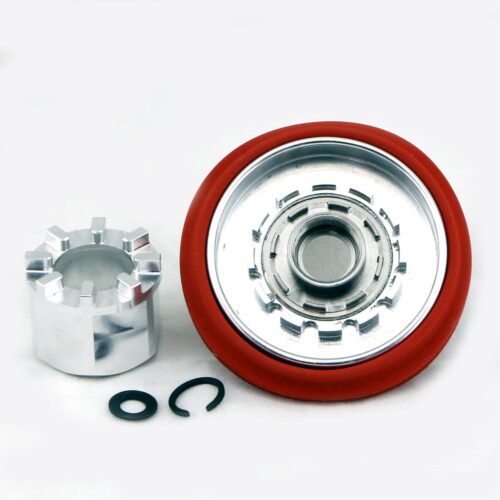
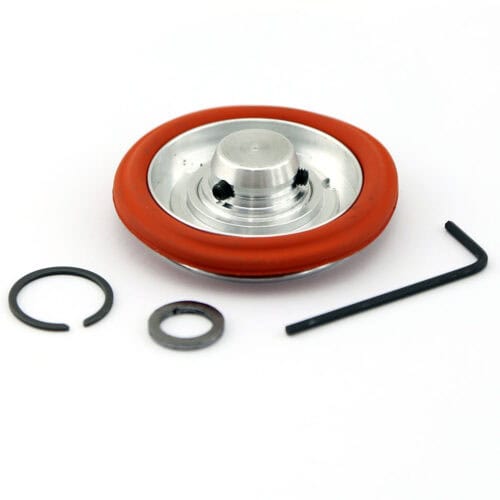
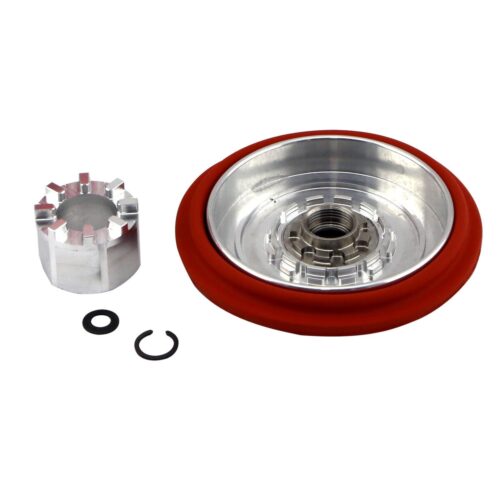
GenV WG38/40 CG/ALV Diaphragm Replacement kit

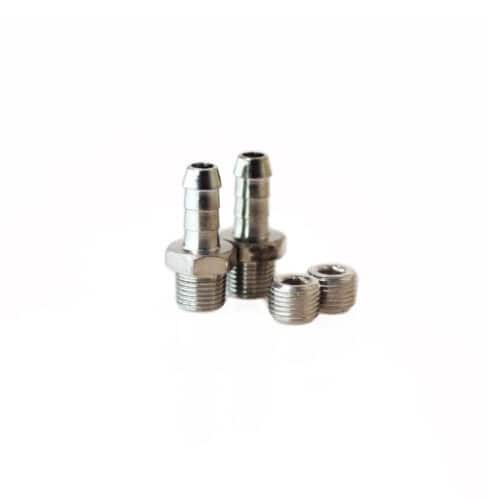
Gen4 WG50/60 / Gen-V 1/8NPT – 6mm Hose Tail Fittings & Blanks
Wastegate Replacement Parts & Accessories guide
Diaphragms, valves and valve seats are the wear parts of a wastegate, because they work in or close to the hottest part of the exhaust. This section holds the parts to rebuild an external gate or an internal actuator. It also holds the caps, sensor caps, fittings, clevises and solenoids that change how a gate is controlled or monitored.
Each part fails in its own way. A diaphragm hardened or split by heat leaks the boost signal, so the valve cannot open properly and boost can overshoot; treat that as a safety issue. A worn seat or bent valve lets exhaust slip past when the gate should be shut, which wastes exhaust energy and slows spool. A worn guide lets the valve tilt, so it seats unevenly and wears faster.
Parts are listed by gate size and generation:
- Diaphragms: kits for 38/40, 45/50 and 60 mm gates, with separate versions for compressed-gas gates. Diaphragm assemblies are listed for internal and twin-port actuators.
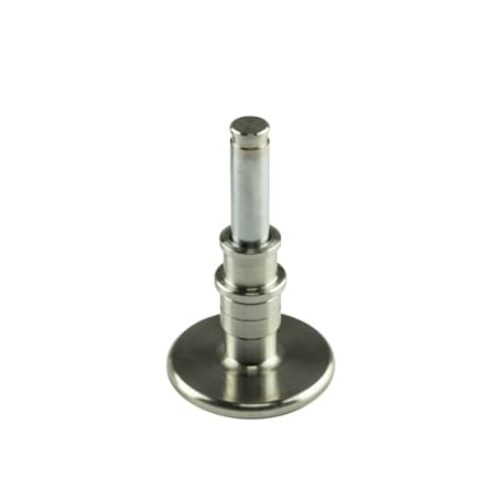
- Valve, guide and seat: valve seats for 38, 40 and 45 mm gates, and valve-and-guide sets for 45 and 60 mm gates.
- Caps: replacement top caps, full-range caps for compressed-gas control, and complete caps that take a sensor.
- Fittings: 1/8 NPT fittings with 6 mm hose tails, and blanks for unused ports.
- Clevises: for internal actuators, with 1/4″ UNF or M6 thread, a 6.3 mm hole and lengths of 80, 100 or 125 mm.
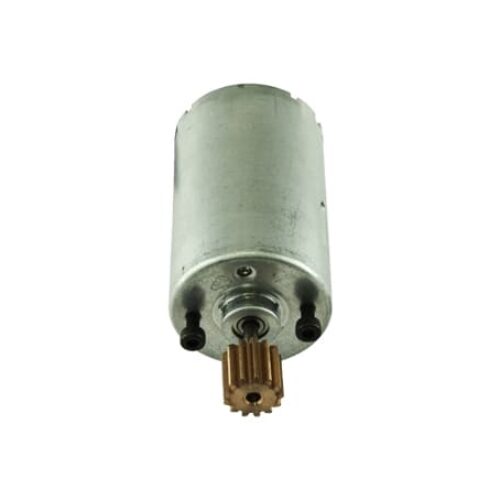
- Electronic parts: a replacement motor kit for an electric wastegate, and a bullet-style solenoid for caps with built-in pressure control.
The section also lists complete 40 and 50 mm pneumatic gates, with 7 psi springs and solenoid-controlled compressed gas.
Rebuild on a clean bench. Remove carbon from the valve and seat, check that the valve runs straight in its guide, and fit new O-rings with any new diaphragm. Refit the cap evenly, then apply gentle, regulated air pressure to the port to check that the diaphragm holds and the valve lifts. Seal NPT threads with a heat-resistant thread sealant kept clear of the port opening.

Store Information
TrackTool Factory
Sluispolderweg 7A
1505 HJ Zaandam
The Netherlands
Chamber of Commerce (KVK): 97296902
VAT: NL867990375B01