

Top brands in Turbo Gaskets



Showing 1–48 of 78 resultsSorted by latest
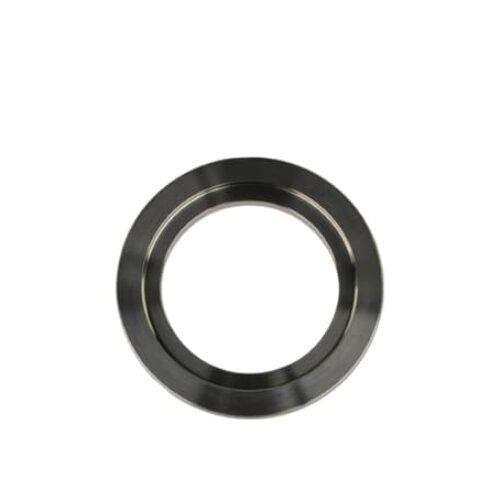
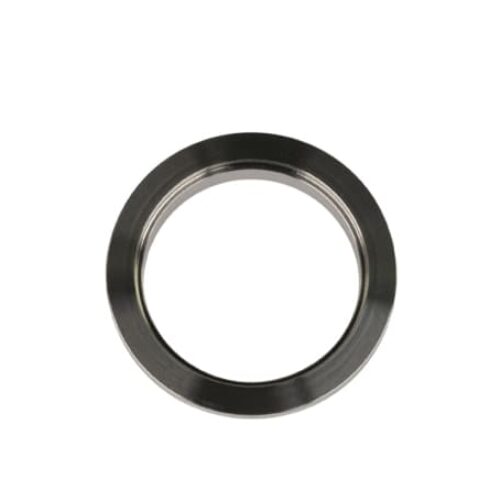
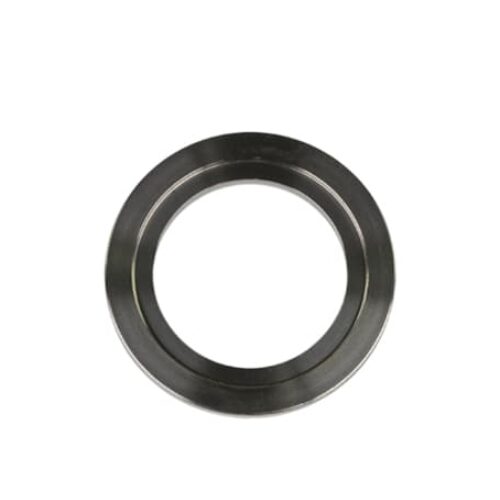
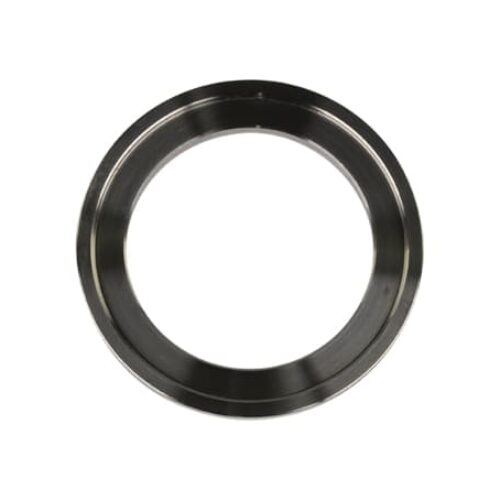
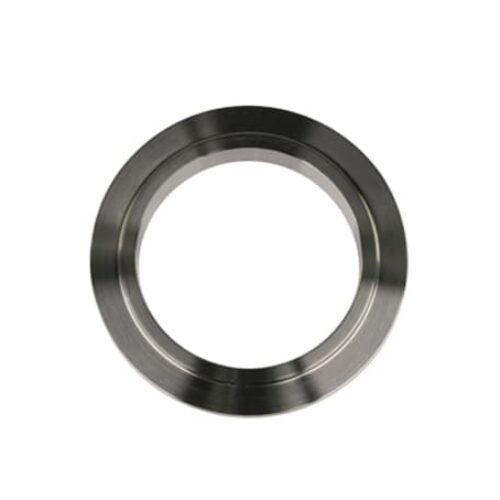

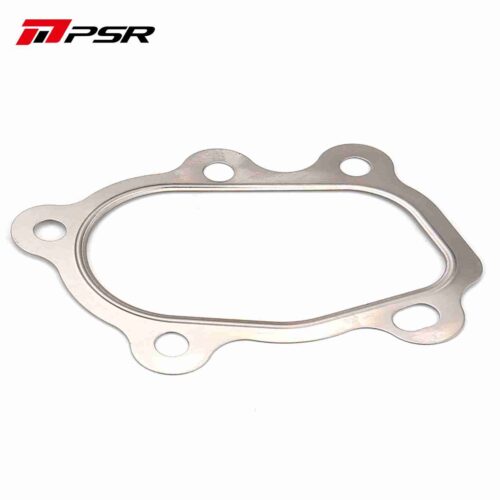

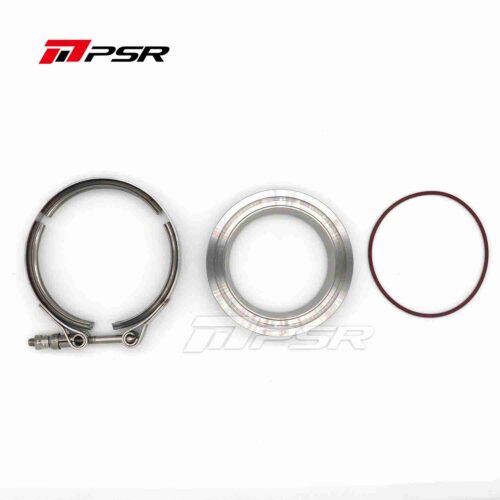


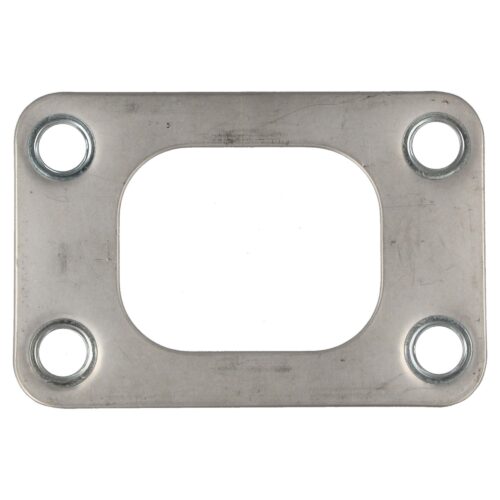
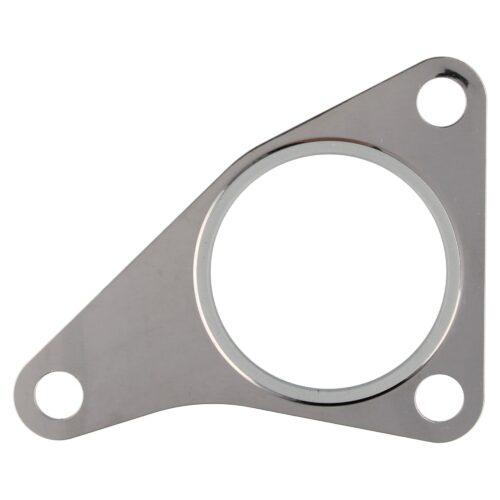
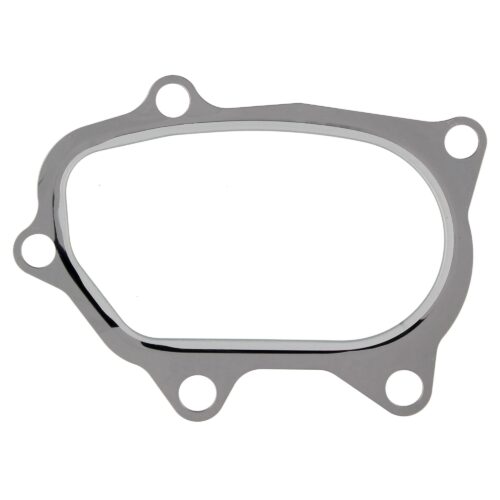
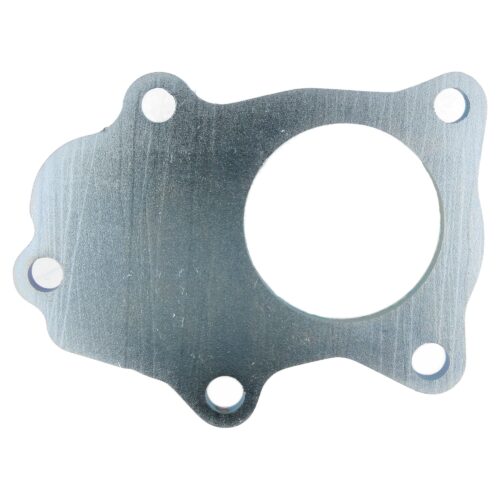
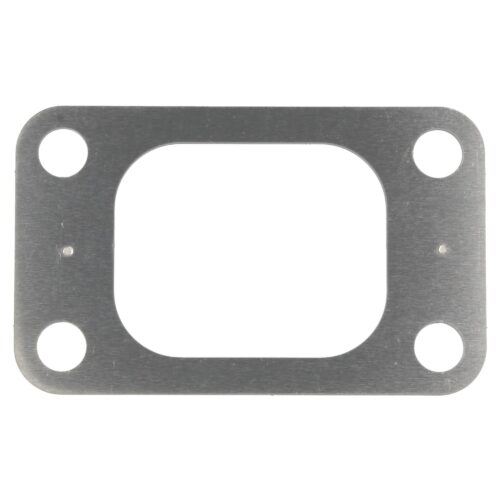


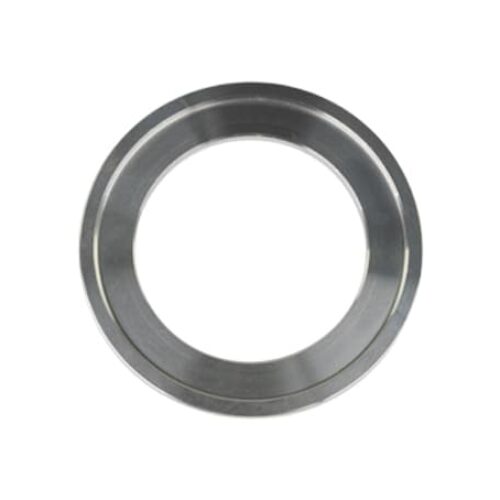

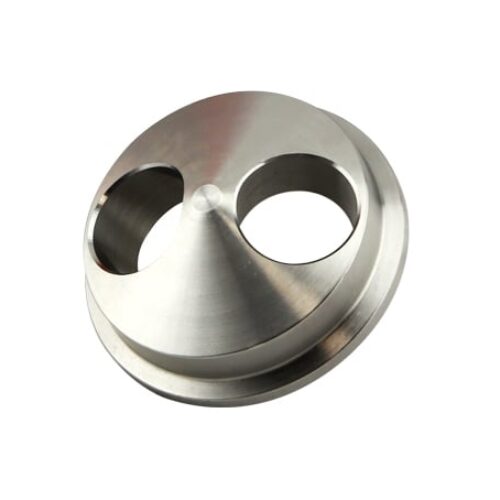
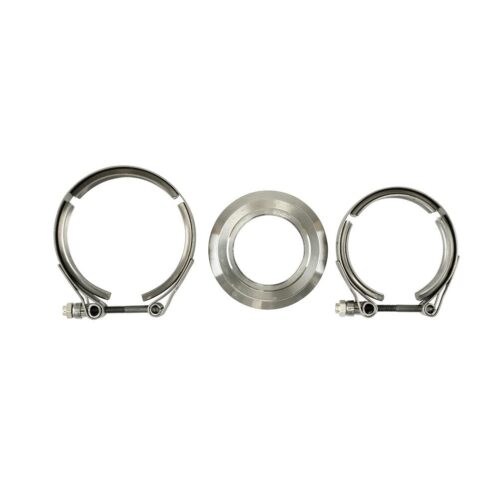
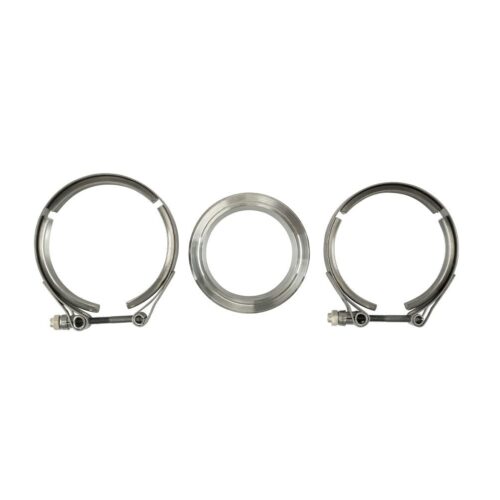

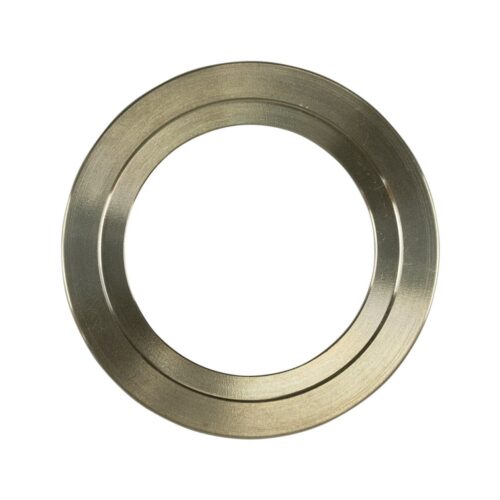
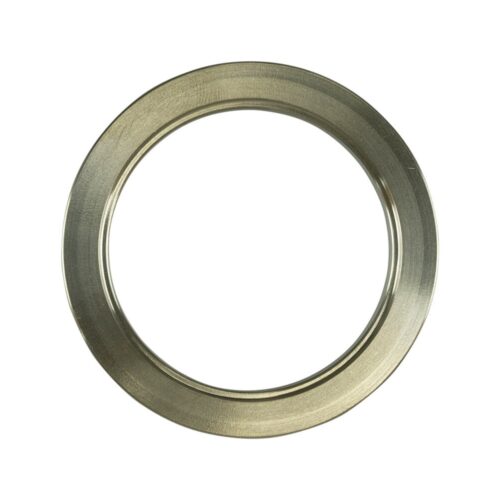
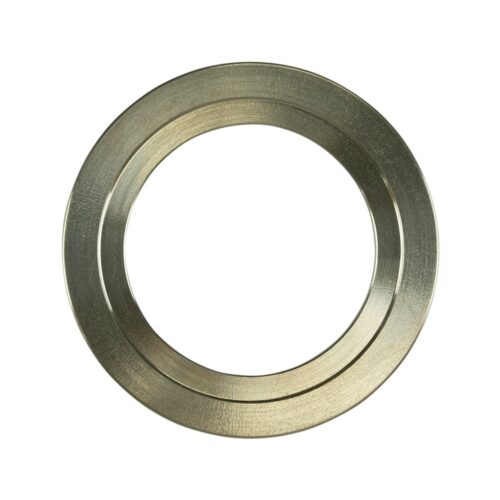

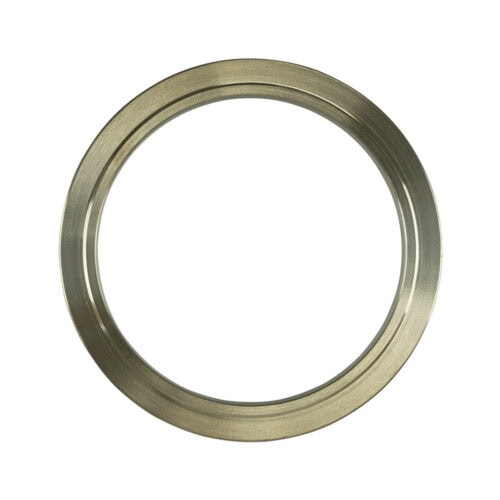

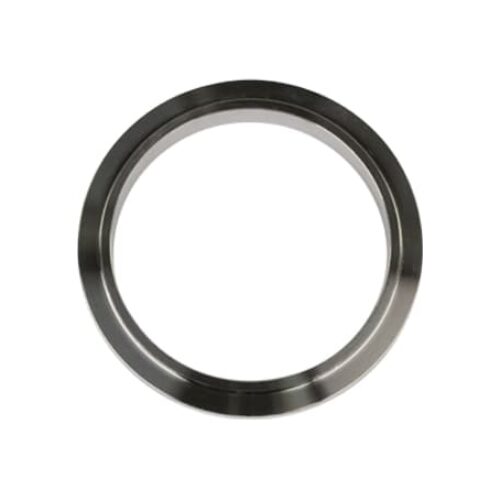


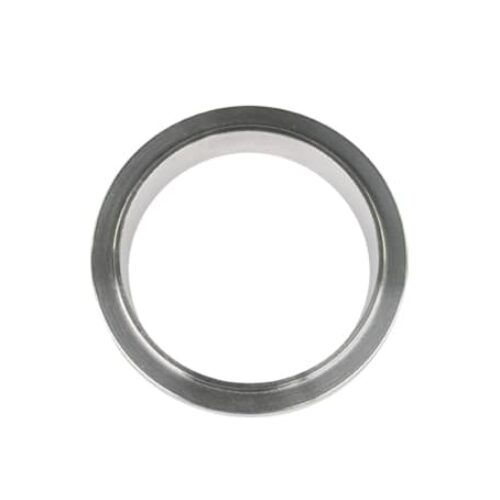
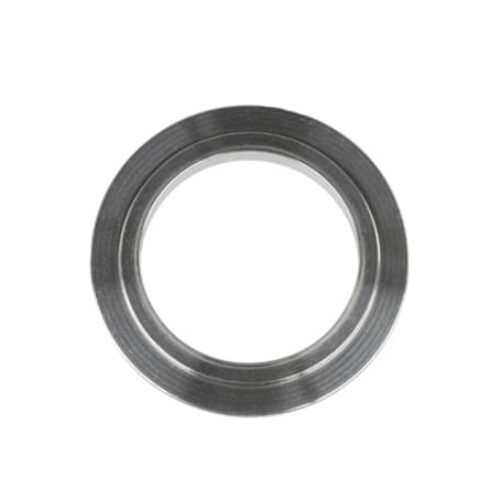


BG50 BoostGate Stainless Steel Weld Flange


Flange Kit for PSR NEW GENERATION WASTEGATE 60mm External Wastegate – Valve Seat


Turbo Gaskets guide
Every joint around a turbo has to seal against heat, pressure and constant thermal movement. This section holds gaskets for the turbine inlet, outlet and oil drain, plus the weld flanges, flange kits and valve seats used to mount and service external wastegates.
The turbine inlet flange is the hardest joint to seal. It runs red hot under load, grows and shrinks with every heat cycle, and takes the full pulse of each exhaust stroke. A leak there wastes energy the turbine needs, slows spool, often ticks audibly and can scorch wiring or hoses nearby. Stainless steel gaskets keep their shape at temperatures that burn out soft ones, and divided gaskets keep the two scrolls of a twin-scroll housing apart.
The range falls into four groups:
- Turbo gaskets: turbine inlet and outlet gaskets, including a universal T3 inlet gasket and a stainless steel divided T4 gasket. There is also a T3/T4 oil gasket, and some gaskets are listed for one make of car.
- Wastegate weld flanges: inlet and outlet flanges for 38, 40, 45, 50 and 60 mm gates. Weld flanges are listed in mild steel, stainless steel, titanium and aluminium.
- Flange kits: for 38, 45, 50 and 60 mm gates, sold as a flange, a clamp or both together, with replacement valve seats listed alongside. The 38 mm gate comes in dual V-band and 2-bolt forms.
- Manifold gaskets: stainless steel gaskets for 38 mm gates, sold in pairs.
A weld flange must suit the tube it joins: titanium and aluminium cannot be fusion-welded to steel, and titanium needs shielding gas on both sides of the weld. Weld it in short alternating runs with a mating flange or clamp fitted, so the sealing face stays true.
Before fitting a gasket, check both flange faces for flatness, as manifolds can warp after many heat cycles, and skim or replace a warped one. Fit a new gasket every time a joint is opened, without sealant unless the maker calls for it. Use high-temperature studs and nuts with anti-seize, tighten them evenly in steps, and recheck after the first heat cycles where the maker advises it.

Store Information
TrackTool Factory
Sluispolderweg 7A
1505 HJ Zaandam
The Netherlands
KvK 97296902
BTW NL867990375B01
