
Fits your 3 BL · 2008–2014
Clutch Discs for Mazda 3 BL
- 5 parts fit
- Ships from EU stock
- Clutch Discs guide
- All 336 in Clutch Discs
Showing all 5 resultsSorted by latest



Clutch Discs guide
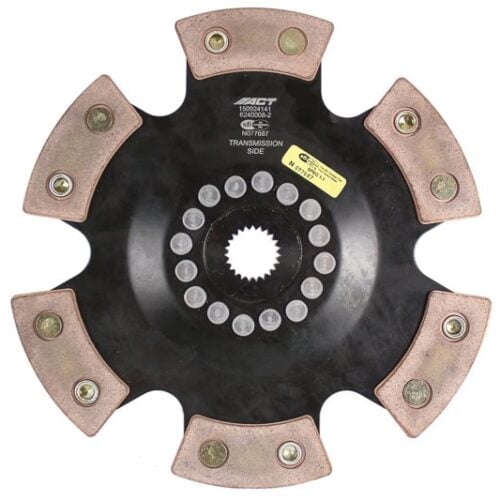
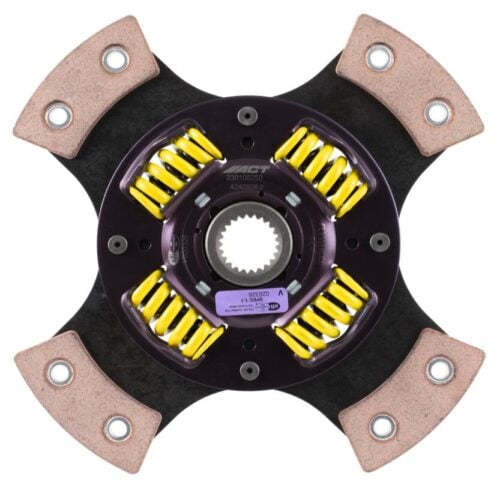
The clutch disc is the friction plate clamped between the flywheel and the pressure plate, carrying all of the engine’s torque into the gearbox. Race discs are listed here with four or six friction pads and sprung or rigid hubs, along with performance street and modified street discs.
A clutch slips when engine torque exceeds what friction can hold. That limit depends on the pressure plate’s clamp load, the facing’s friction coefficient, the mean radius of the friction surface and the number of faces in contact. On the disc side, capacity comes mainly from the friction material, so race discs use materials that grip harder and keep gripping when hot.
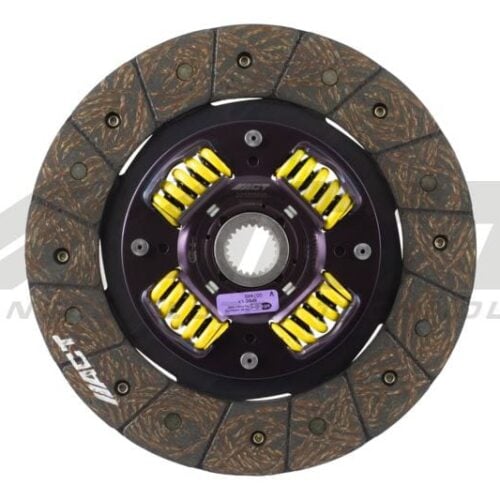
Full-face street discs usually have a wavy cushion spring between their facings, which lets the clamp load build progressively as the pedal comes up. Pad discs, often called puck discs, usually carry a metallic or ceramic-metallic material on separate pads, often without that cushion. Take-up is quicker and more on-off, and the flywheel and pressure plate wear faster.
The hub decides how shocks reach the gearbox. A sprung hub has damper springs between the splined centre and the friction plate, which absorb driveline shock and gear rattle. A rigid hub saves weight and has no springs to break, but passes every torque spike into the gearbox and driveshafts.
To narrow the choice:
- Use: performance street and modified street discs for road cars, and race discs where heat and capacity matter more than smoothness.
- Hub: sprung for road and mixed use, and with a lightened single-mass flywheel; rigid for dedicated competition cars.
- Pad count: four pads for more direct engagement and lower mass, six for more friction area and a softer take-up.
- Matching: the disc must suit the pressure plate’s clamp load and diameter and the gearbox spline. Titles give only the part number and disc type, so confirm the number for your car and pressure plate before ordering.
Fit the disc the right way round, as most are marked for the flywheel side, and centre it with an alignment tool while the cover bolts are tightened evenly. Resurface or replace the flywheel, clean both friction faces, and use only a thin film of high-temperature grease on the input shaft splines.
Bed the disc in with normal driving, avoiding hard launches and high-rev engagement for the distance the maker specifies. Renew the release bearing and any pilot bearing at the same time, and check the crankshaft rear oil seal, because oil will contaminate a new disc.
Recently Viewed Products

Hybrid Racing- Short Shifter Assembly (12-15 Honda Civic)
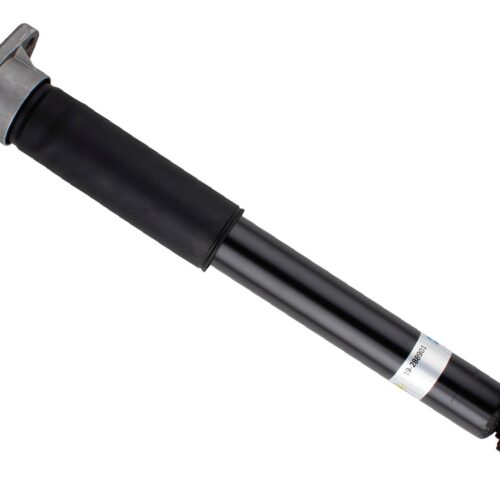
Bilstein B4 R.Front DampMatic® shock absorber MB C-Class W205 4×4 Basis DM2 VR


Store Information
TrackTool Factory
Sluispolderweg 7A
1505 HJ Zaandam
The Netherlands
KvK 97296902
BTW NL867990375B01
