Top brands in Suits & Overalls


Showing all 24 resultsSorted by latest

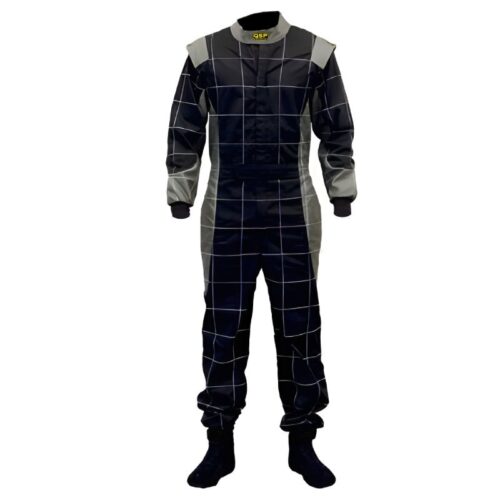

OMP Sport Overall FIA 8856-2018

OMP FIRST-S Overall FIA 8856-2018
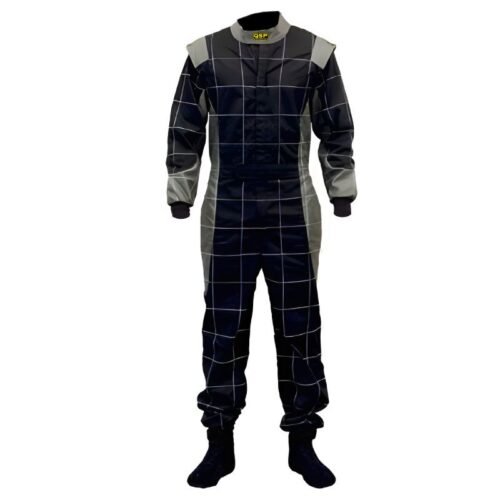


Overall EN531 PLUS – Black/Grey – Size 56
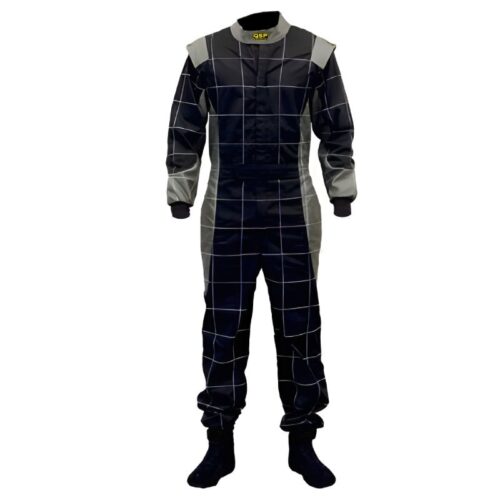
Overall EN531 PLUS – Black/Grey – Size 58
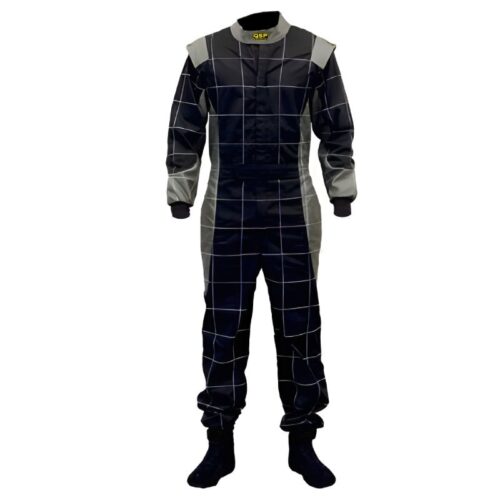
Overall EN531 PLUS – Black/Grey – Size 54
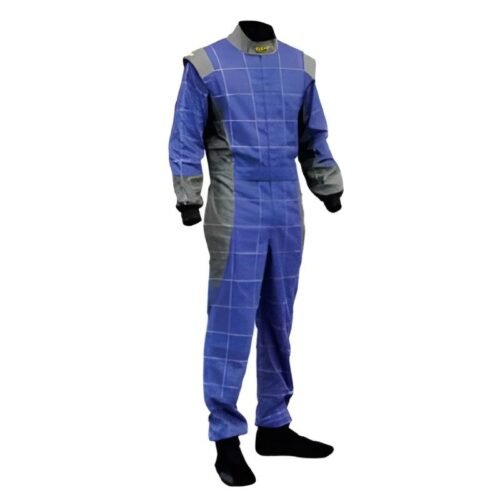
Overall EN531 PLUS – Blue/Grey – Size 66

Overall EN531 PLUS – Black/Grey – Size 66

Overall EN531 PLUS – Black/Grey – Size 62
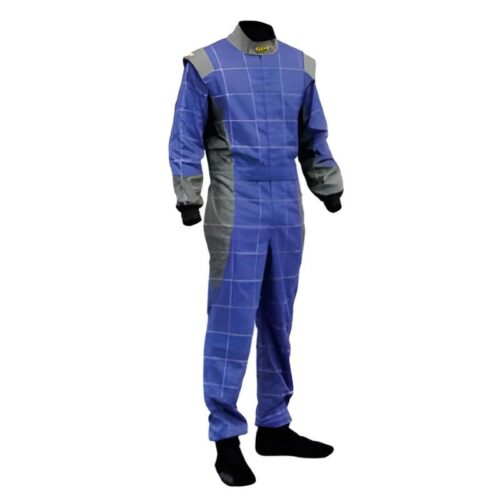
Overall EN531 PLUS – Blue/Grey – Size 64

Overall EN531 PLUS – Black/Grey – Size 64
Suits & Overalls guide
A race suit is the driver’s main barrier against fire: it holds back flame and heat long enough for the driver to get out of the car. The range holds FIA 8856-2018 homologated suits, black race and kart overalls, and EN531 work overalls made to a European standard for heat-protective workwear.
Protection comes from fibre and air together. Homologated suits use flame-resistant fibres, usually aramid, that char instead of melting or dripping. Each layer, with the air trapped between layers, slows the heat on its way to the skin.
Suits are tested for flame spread and for how long heat takes to pass through. A suit worn too tight compresses those layers at the shoulders, knees and seat, and protects less there.
What to look at:
- Homologation: where rules ask for homologated clothing, choose a suit with FIA 8856-2018 on its label. The other overalls are not listed with an FIA homologation.
- The full system: an FIA suit is designed to work over fire-resistant underwear, socks and balaclava, with gloves and shoes. Everyday synthetic clothing underneath can melt onto the skin.
- Kart use: a kart driver is not belted in and can be thrown clear, so kart suits are built mainly to resist abrasion.
- Material and colour: where a material is listed, the overalls are polyester-cotton blends, in black, blue-black or blue-grey.
- Size: European sizes 50 to 66, with M to XXL on some models. Use the maker’s chart for chest, waist and height, then check the fit seated, with arms stretched to the wheel.
On a race suit, the shoulder epaulettes are rescue handles that marshals use to lift a driver out. Badges must be sewn through the outer layer only, with flame-resistant thread, so the inner layers keep their insulation. Wash at low temperature with a mild detergent, without bleach or softener, and dry in the shade, because sunlight weakens aramid. Clean off fuel or oil at once, since soaked-in hydrocarbons burn.

Store Information
TrackTool Factory
Sluispolderweg 7A
1505 HJ Zaandam
The Netherlands
Chamber of Commerce (KVK): 97296902
VAT: NL867990375B01