
Helmets categories
Top brands in Helmets



Showing 1–48 of 337 resultsSorted by latest

OMP STAR Helmet ECE 22.06



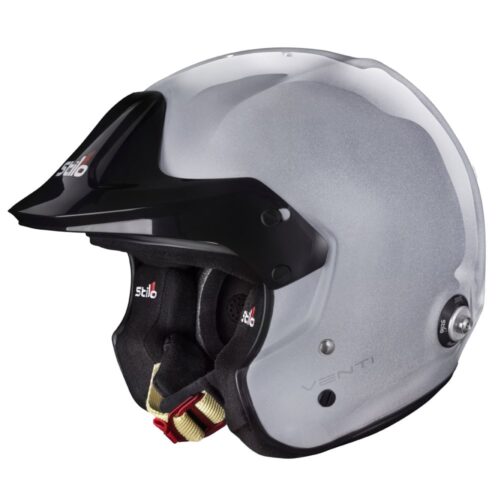
Stilo Venti Trophy Jet – Rally Helmet
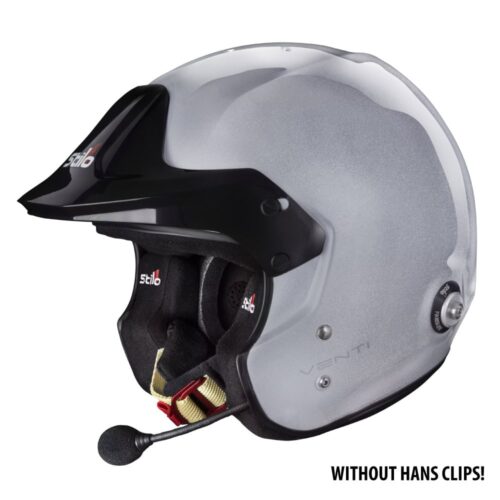
Stilo Venti Trophy Jet – Hans – Rally Helmet
Stilo Venti Trophy Rally – Rally Helmet
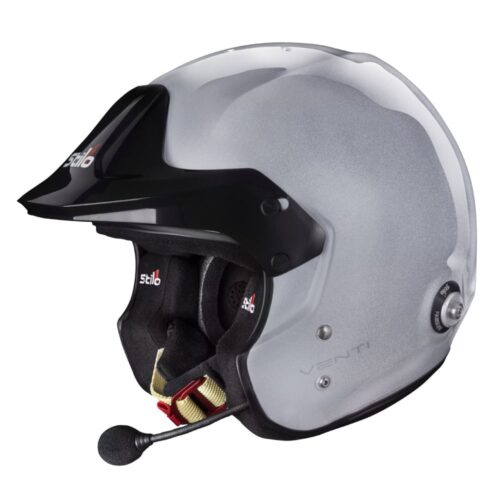
Stilo Venti Trophy Rally – Hans – Rally Helmet

Stilo Venti Trophy Plus – Rally Helmet

Stilo Open Face Composite Turismo – Race Helmet

Stilo Open Face 8860 Turismo – Race Helmet

Stilo Open Face Zero 8860 Turismo – Race Helmet

Stilo Venti WRC Composite – Rally Helmet

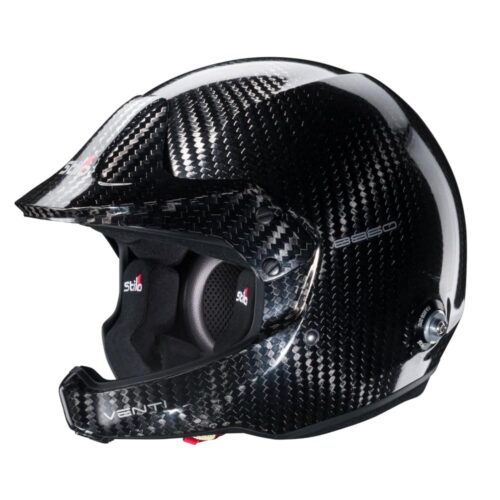
Stilo Venti WRC 8860 – Rally Helmet

Stilo Venti WRC Zero 8860 – Rally Helmet

Stilo Venti4 WRC Turismo Composite
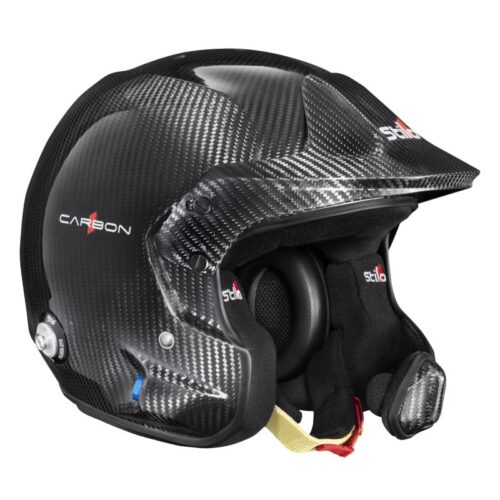
Stilo Venti4 WRC Turismo

Stilo Venti4 WRC Composite

Stilo Venti4 WRC Carbon

Stilo Sport JET Rally Helmet – without electronics

Stilo Sport Plus Rally Helmet – with electronics

Stilo Venti4 TROPHY Jet Composite – Rally helmet – SA2025 – FIA 8859-24

Stilo Venti4 TROPHY Plus Composite – Rally helmet – SA2025 – FIA 8859-24

Stilo Trophy Des Plus Composite – WRC Intercom – Rally helmet
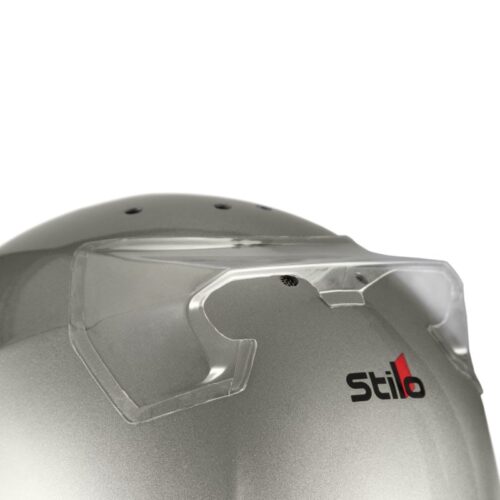
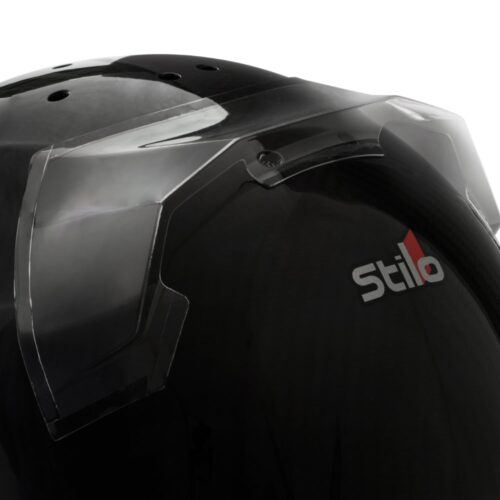
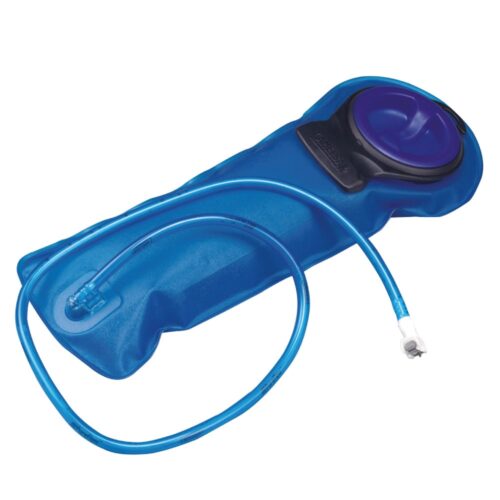
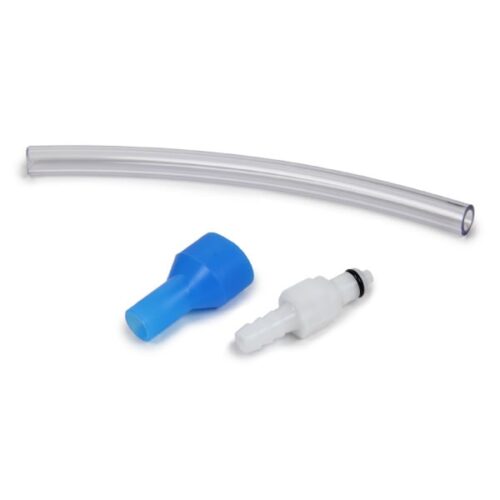
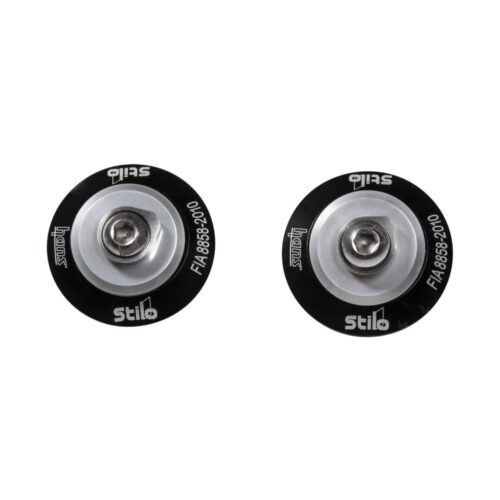

Stilo ST5 KRT large shell kinstuk
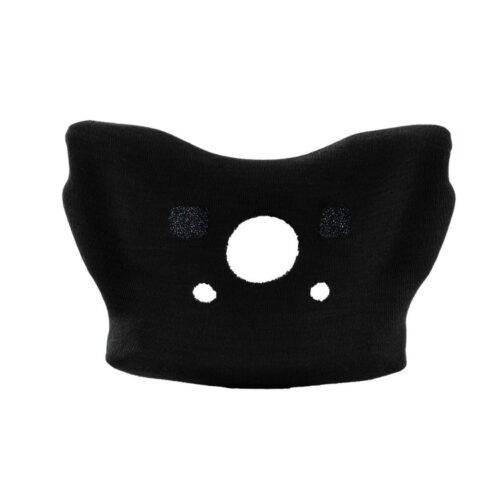
Stilo ST5 CMR and KRT small shell kinstuk
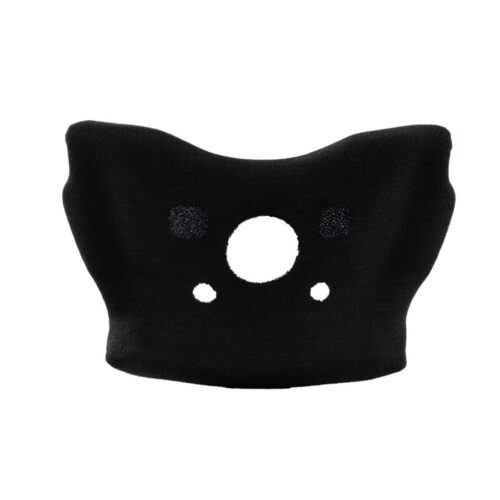
Stilo ST5 CMR smaller shell kinstuk
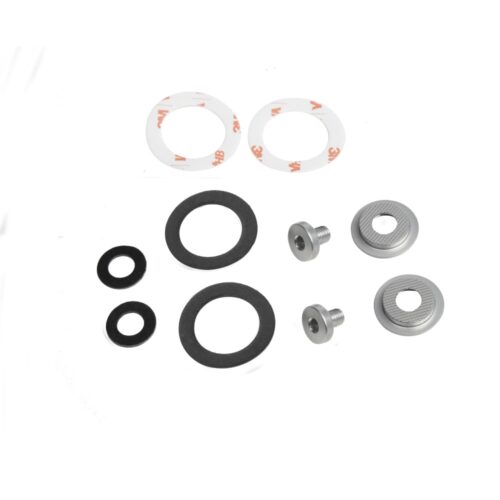
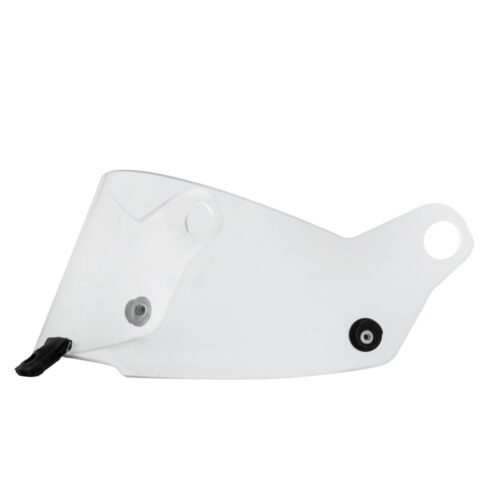
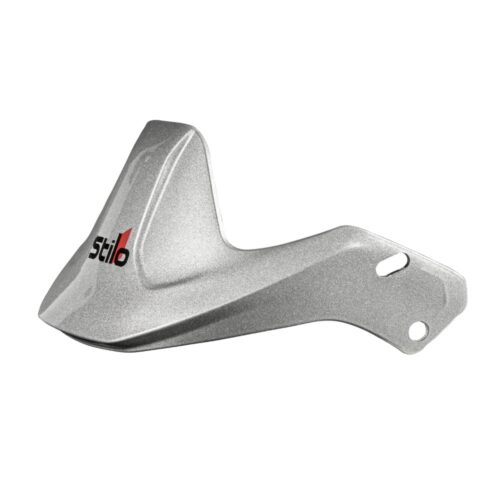

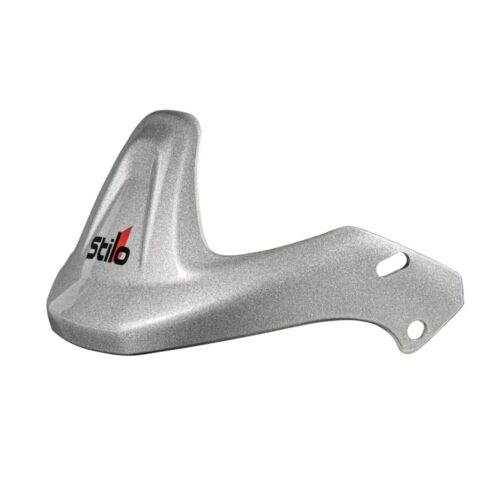
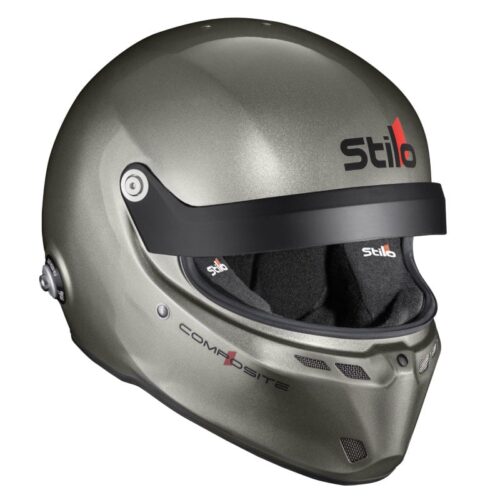
Stilo ST6 GTN Composite – Racing helmet – Gray

Stilo ST6 GTN Carbon – Racing helmet

Stilo ST6 GTN 8860 – Racing helmet

Stilo ST6 GTN ZERO 8860 – Racing helmet
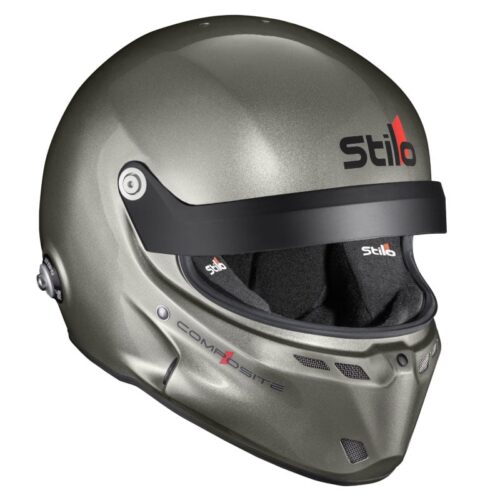
Stilo ST6 GT Composite – Racing helmet – Gray

Stilo ST6 GT Carbon Turismo – Racing helmet
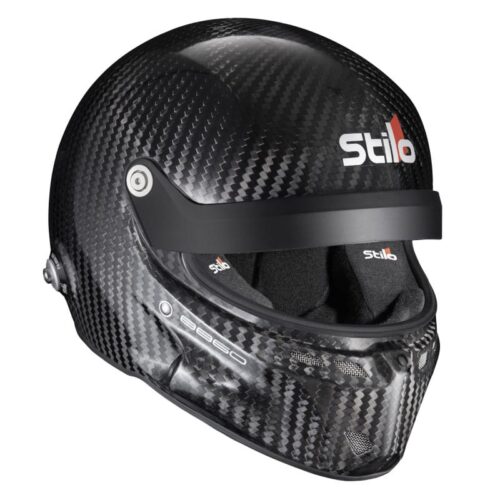
Stilo ST6 GT 8860 Turismo – Racing helmet

Stilo ST6 GT ZERO 8860 Turismo – Racing helmet



Helmets guide
A racing helmet protects the head twice over: its hard shell spreads an impact and resists penetration, while the liner beneath crushes to absorb the energy. The range covers full-face, open-face, kart and off-road helmets, plus the visors, cheek pads, ventilation kits and other spares that keep a helmet in service.
Because the liner, normally expanded polystyrene, works by crushing, it protects fully only once, so replace a helmet after any hard knock. Mass matters too: under braking, cornering and impact, the neck has to hold the helmet as well as the head.
Work through the choice in this order:
- Type: full-face helmets also protect the face and are the usual choice in open cars, where many rules require them. Open-face helmets are common in closed-car rallying, where the crew talks over the intercom. Kart helmets are full-face designs, and off-road helmets, made for rally raid and other loose-surface events, come with visors built for dirt.
- Homologation: FIA 8859-2015 and its successor 8859-2024 are listed, along with the advanced FIA 8860-2018, which sets tougher impact and penetration tests. ABP versions are homologated to the advanced ballistic protection test. The range also shows Snell SA2015, SA2020 and SA2025, Snell CMR2016 for young drivers, and the ECE 22.05 and 22.06 road approvals.
- Size: sizes 54 to 64 are the head circumference in centimetres, measured just above the eyebrows. A good fit presses evenly and does not turn when you twist the helmet, and cheek pads from 20 to 35 mm thick fine-tune it.
- Shell: composite, fibreglass-aramid sandwich, pre-preg fibre, moulded thermoplastic or ABS, and carbon in normal, medium and high tensile grades. Higher-tensile carbon lets a shell pass the same tests with less material, which can save weight.
- Restraint and intercom: most helmets are prepared for a frontal head restraint, but a few are not. Intercoms range from fully fitted to microphone only, optional or absent.
Accessories include clear, smoked, silver and mirror visors, double-glazed visors that resist fogging, sun visors, spoilers, top-air and side-air kits and drinking systems. A helmet removal system lets medical crews ease the helmet off with little neck movement. Spares suit one model and often one shell size, so match the title.
Keep the helmet in a padded bag, away from heat, fuel and solvents, and clean visors with mild soap and water only. Never drill a homologated shell; have restraint anchors fitted as the helmet maker specifies. Check the label against your series rules each season, as older standards are withdrawn on set dates.

Store Information
TrackTool Factory
Sluispolderweg 7A
1505 HJ Zaandam
The Netherlands
KvK 97296902
BTW NL867990375B01
