

Top brands in Gloves


Showing 1–48 of 50 resultsSorted by latest

OMP Tazio – Vintage gloves
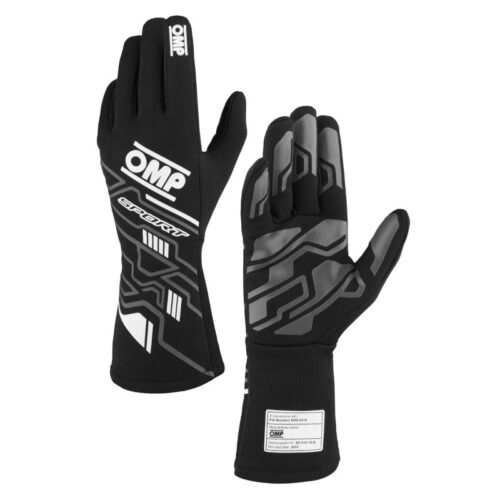
OMP SPORT Gloves my2025 FIA 8856-2018

OMP FIRST Gloves my2025 FIA 8856-2018
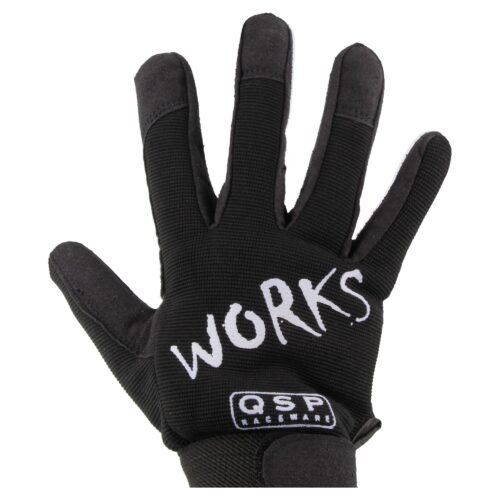
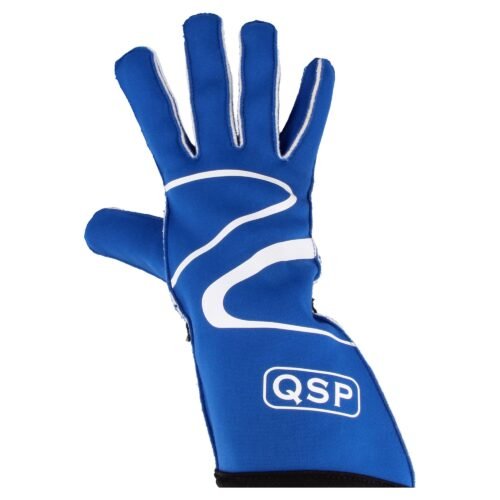
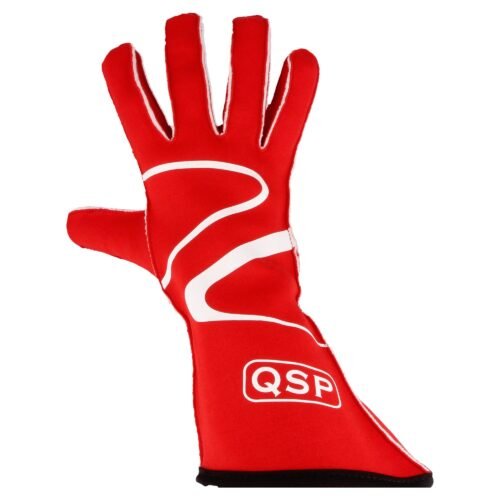


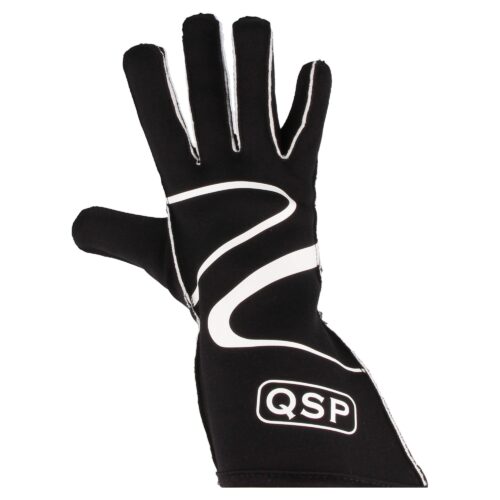
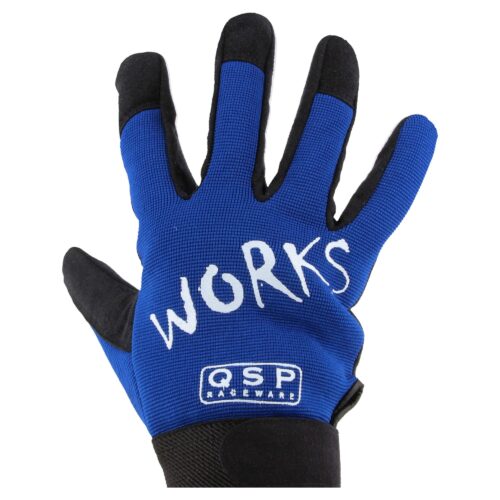
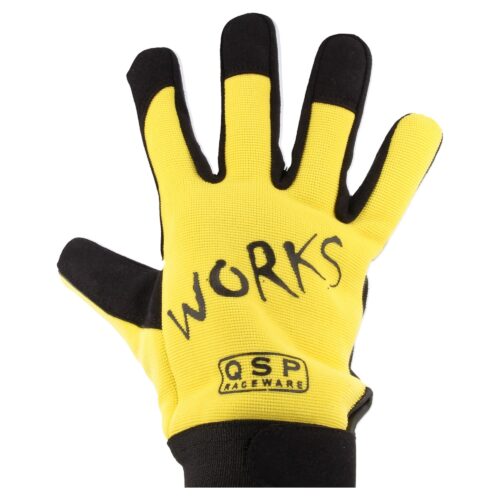
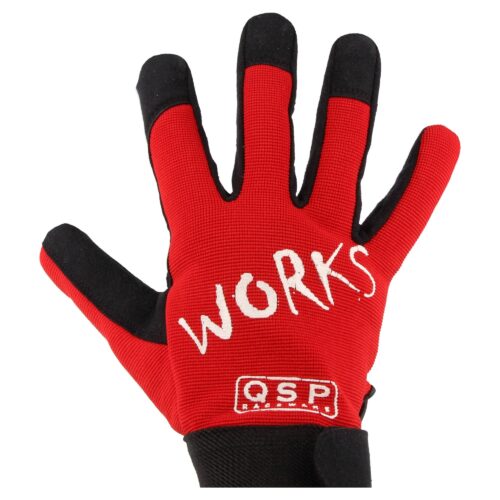
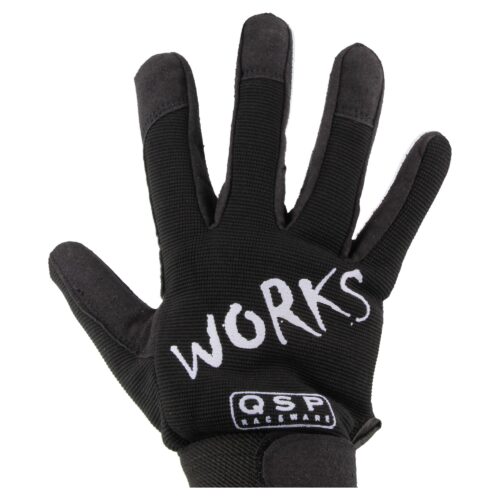
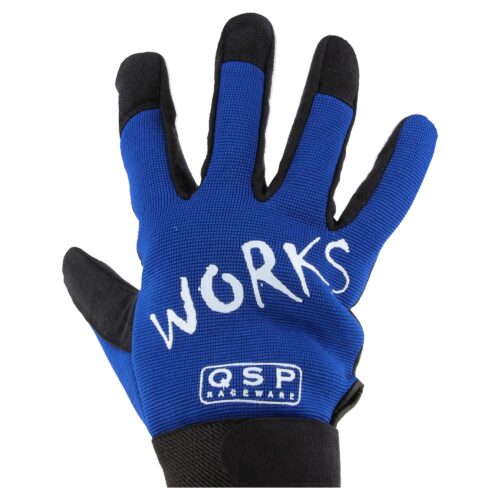
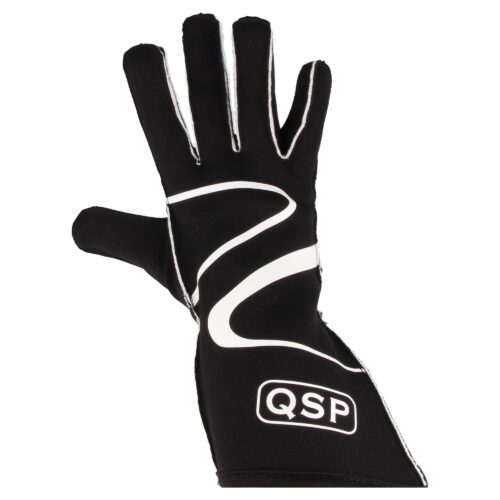
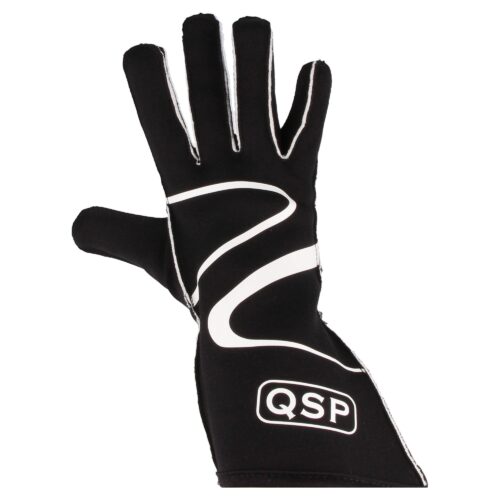
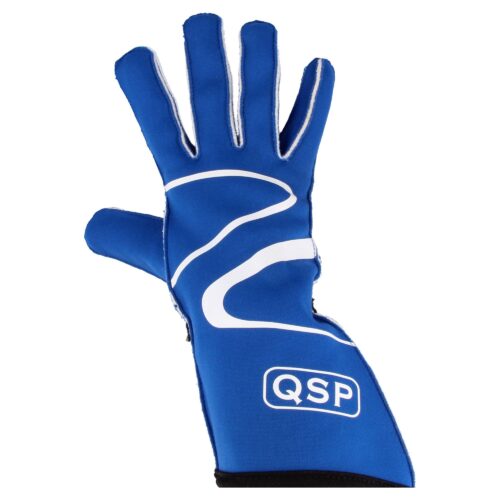
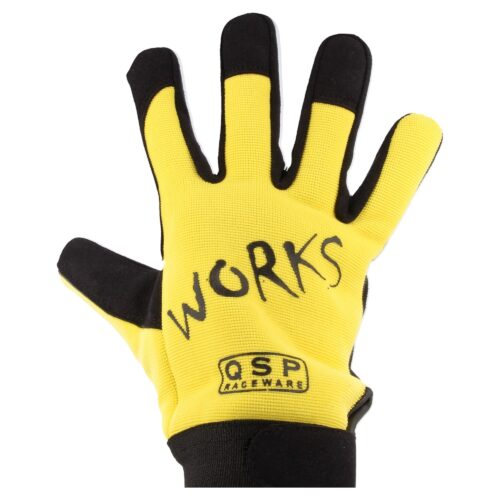
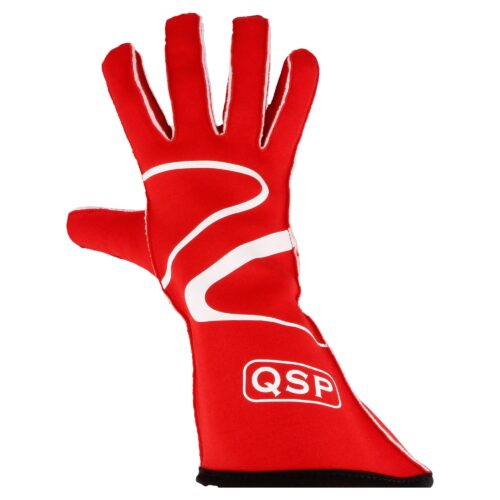

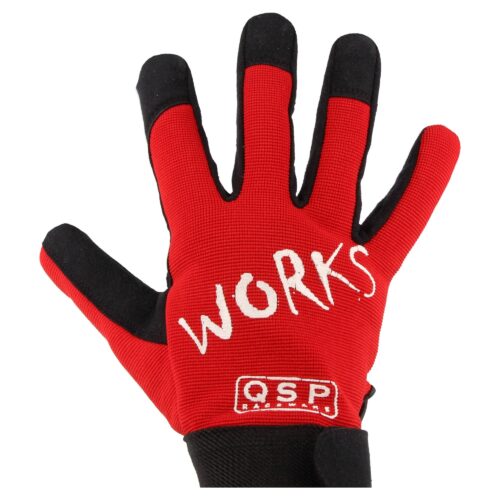
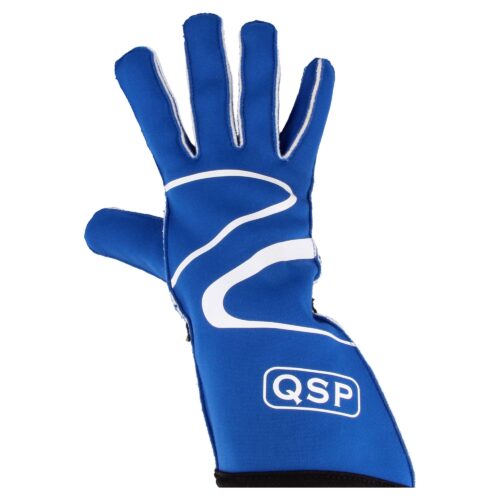
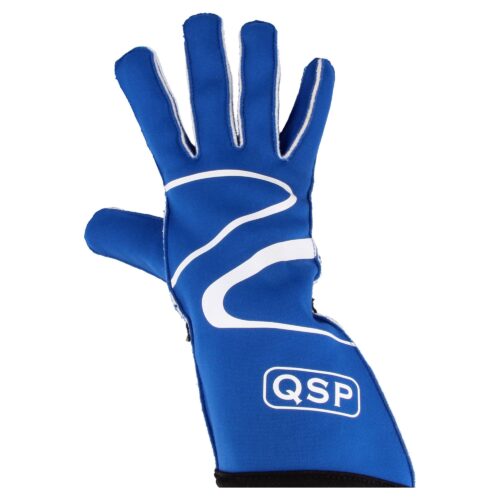
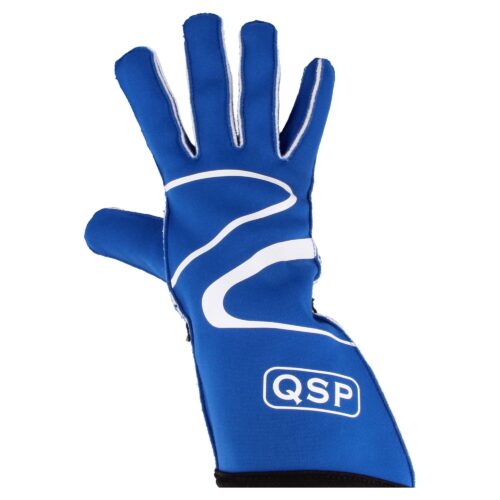
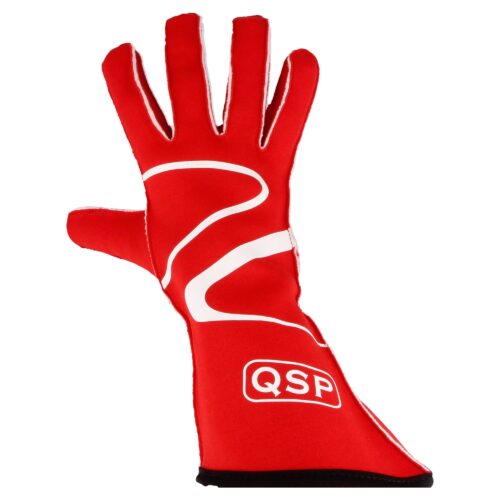
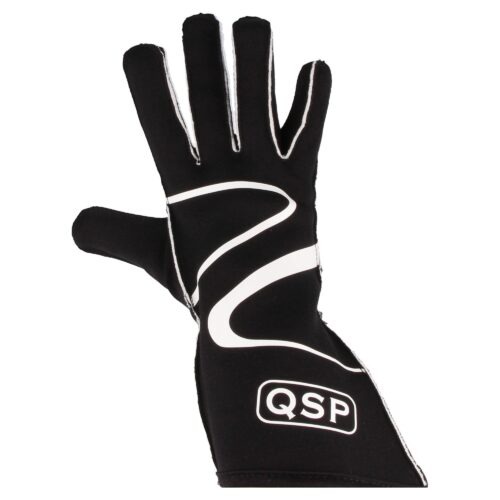
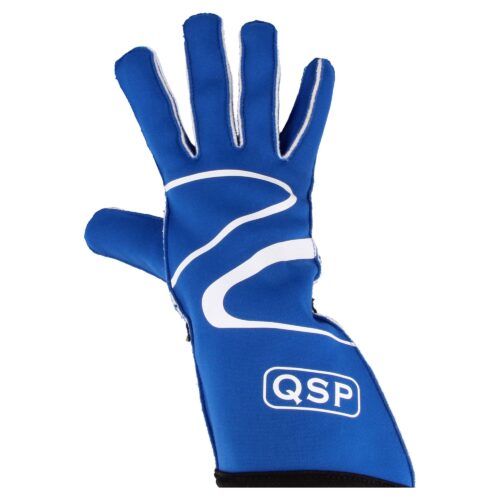
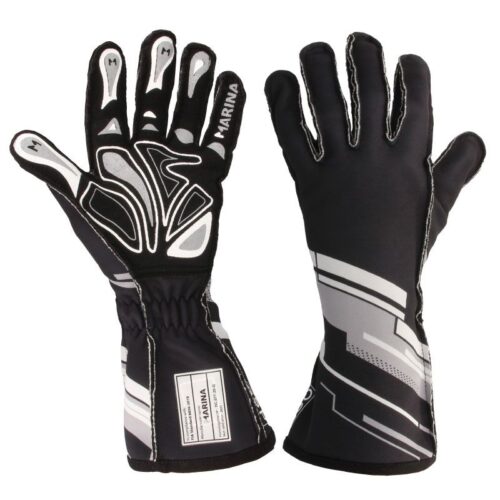
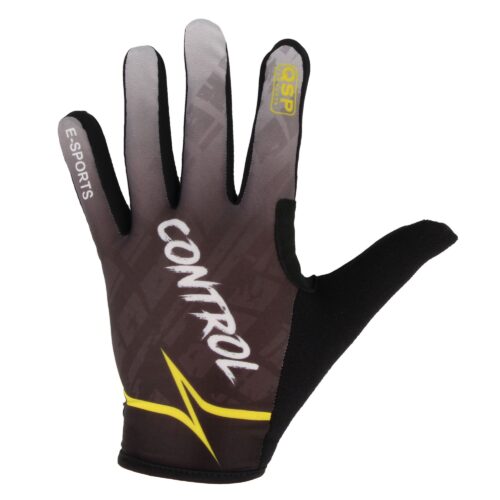
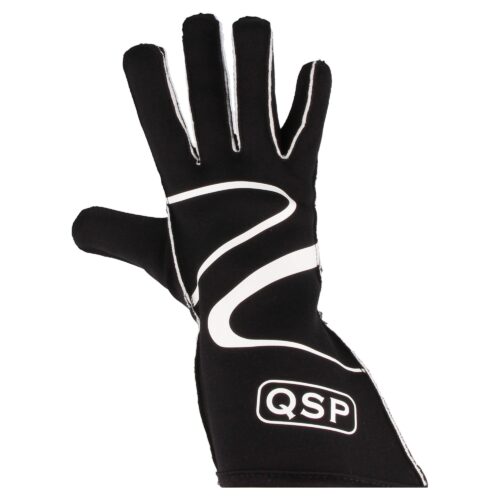
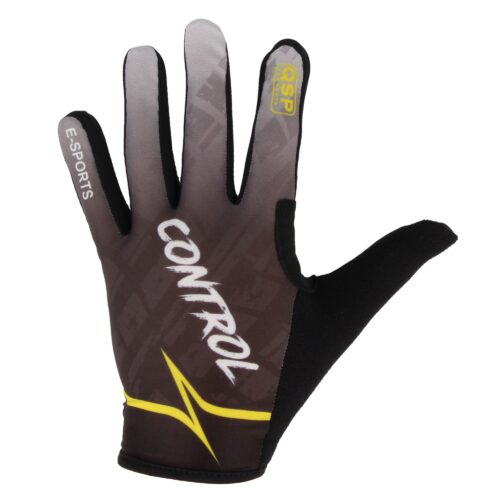
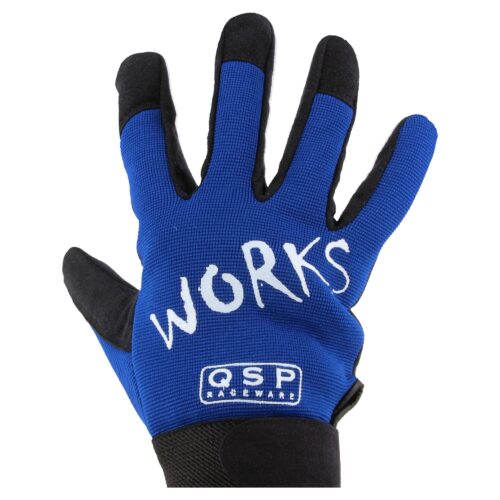
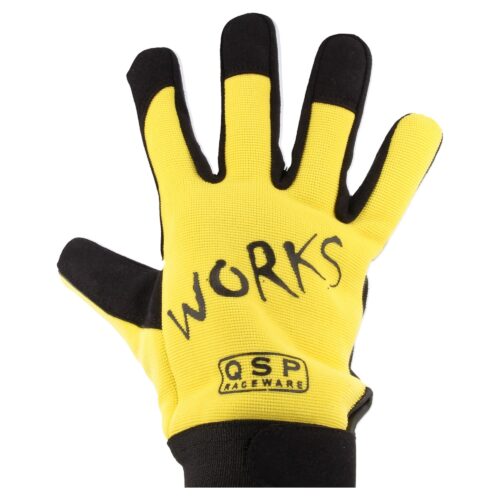
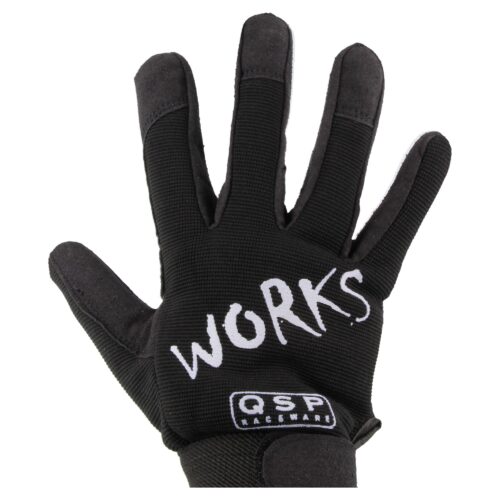
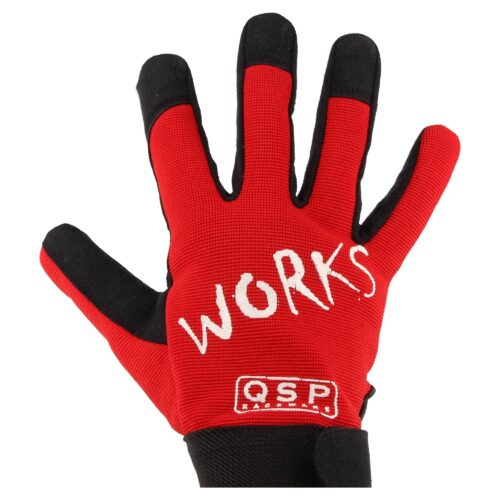

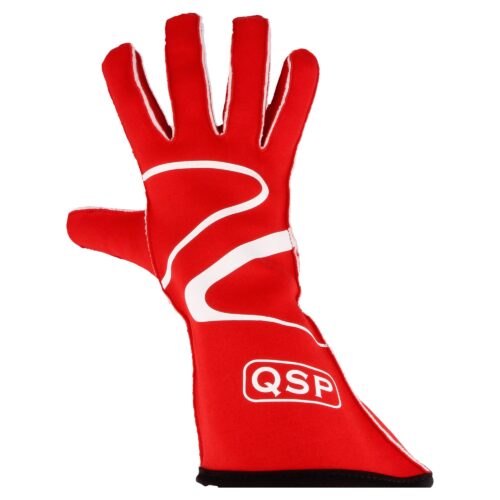

OMP DIJON – Vintage gloves – FIA 8856-2018 – Creme – Size L


Gloves guide
Racing gloves keep a sure grip on the wheel when palms sweat and let the driver feel the rim. In a fire, they protect the hands while the driver releases the harness and gets out. The range covers FIA-homologated race gloves, vintage-style gloves, sim racing gloves and workshop gloves.
A homologated glove pairs flame-resistant aramid fabric on the back with a grip material on the palm. Its seams often sit on the outside, where they cannot press into the fingers. Fire protection comes from insulation: the fabric must not melt or drip, and air held in the layers slows the heat on its way to the skin. A glove that is too tight squeezes that air out, so size matters for safety as well as feel.
The range sorts out like this:
- Homologation: gloves labelled FIA 8856-2018 meet the FIA standard for drivers’ clothing, which tests flame resistance and heat transfer. Gloves without that label do not count where a series asks for homologated kit.
- Vintage style: gloves with a classic cut for historic racing, including a cream version homologated to FIA 8856-2018.
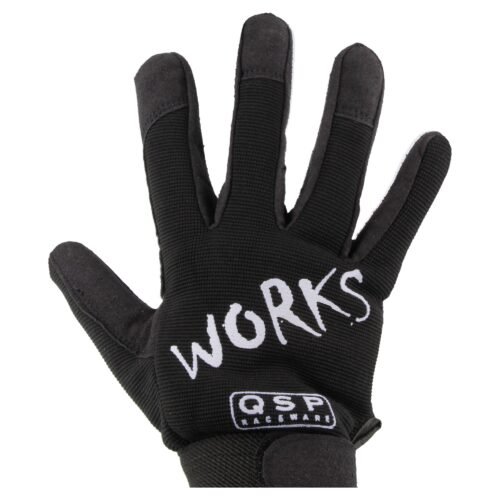
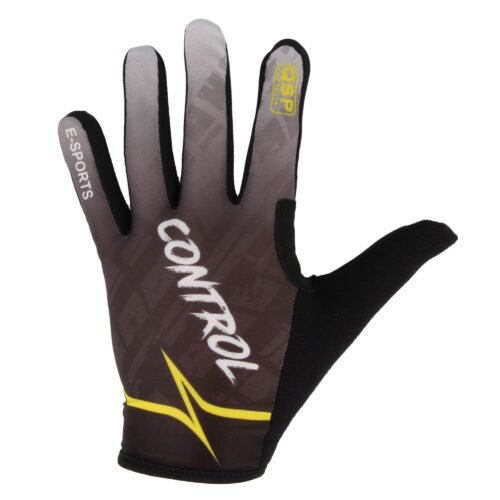
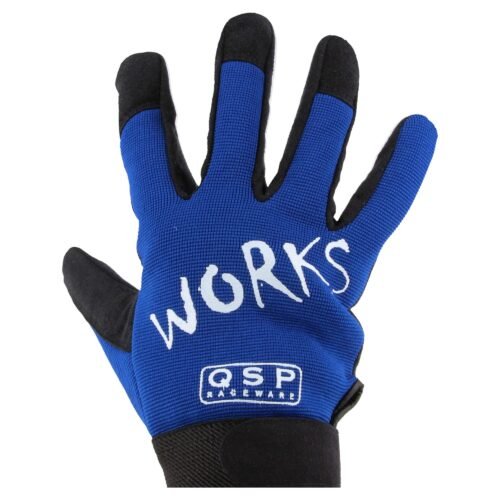
- Sim and workshop: sim racing gloves give grip and feel on a rig, and work gloves protect the hands in the garage. Neither type is listed as fire protection.
- Material: several models are listed in synthetic leather.
- Size: XS to XXL. Measure around the palm just below the knuckles, thumb excluded, and compare with the maker’s chart.
- Colour: black, blue, red, yellow, brown and cream.
Try gloves on with your hands on a wheel: the fingertips should just reach the ends, with no loose fabric to bunch on the rim. The cuff and the suit sleeve should overlap, so no skin shows at the wrist with the arms stretched forward. Wash gloves as the label directs, usually by hand at low temperature, and dry them away from sunlight and heaters. Keep them free of fuel and oil, which burn, and replace a pair once the palm wears thin or a seam opens.

Store Information
TrackTool Factory
Sluispolderweg 7A
1505 HJ Zaandam
The Netherlands
KvK 97296902
BTW NL867990375B01
